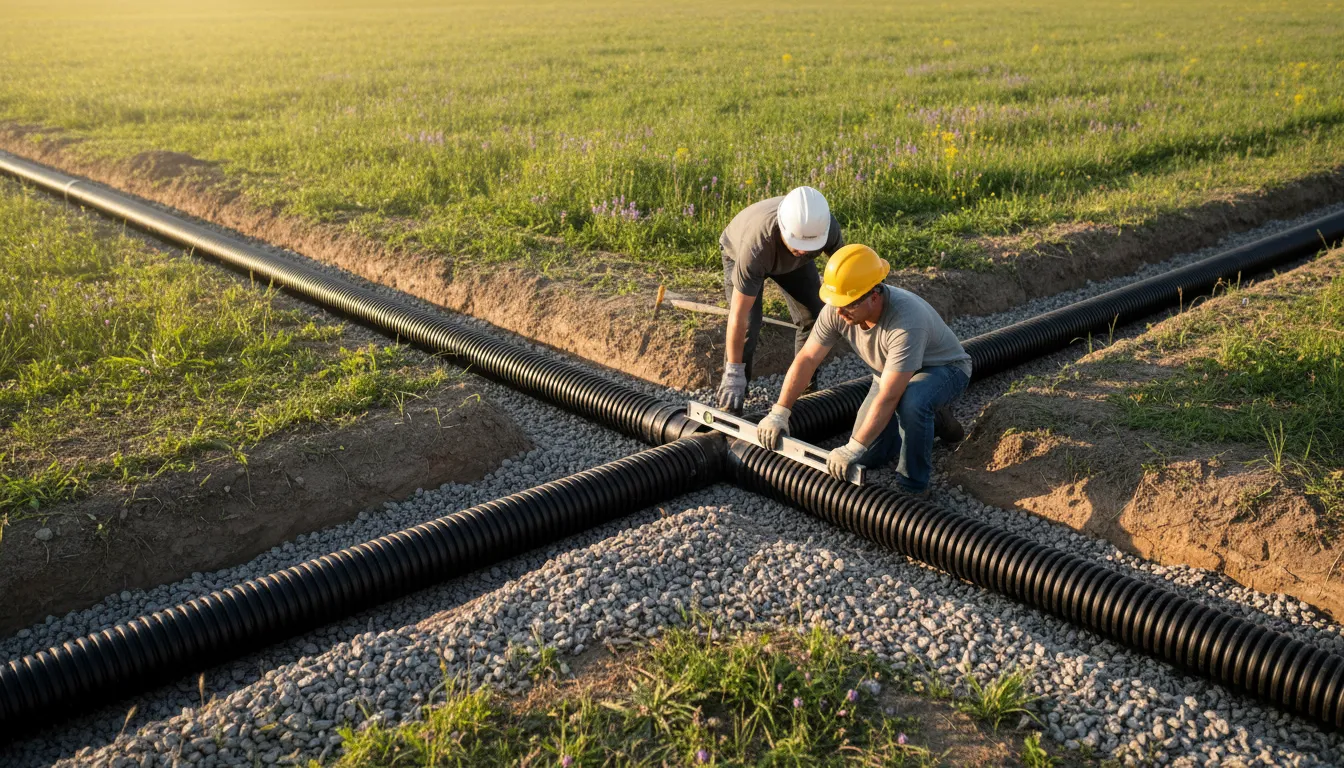
Find the Best Drain Field Repair Companies for Your Business
No obligation • Fast responses • Nationwide coverage

Why you can trust Septic Spot
Septic Spot is a leading United States resource for understanding and comparing septic services. Our editors review providers using consistent criteria and verify key business details. Listings and scores are independent, and companies cannot pay to influence our content.
Search providers near you
Top Drain Field Repair Companies in Santa Clarita, California Ranked
A failing drain field, also known as a leach field or absorption field, is a serious issue for any home with a septic system. This critical component is responsible for safely dispersing and filtering treated wastewater into the soil. When it fails, you may notice soggy ground, sewage odors, or slow-draining fixtures. In Santa Clarita, addressing these problems requires navigating specific local regulations and environmental conditions. This guide helps you understand the process, costs, and key considerations for drain field remediation, connecting you with qualified local professionals who can assess your situation.
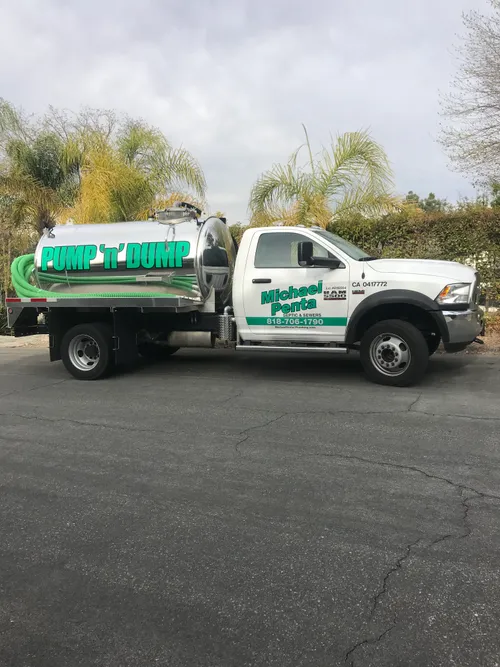
Michael Penta Septic Tank Pumping
Los Angeles, CA
Michael Penta Septic Tank Pumping provides a range of septic services in Los Angeles, CA, including septic tank pumping, installation, inspection, and repair. The company also handles drain field repairs, sewage ejection pump services, and sewer line replacements. Their expertise includes advanced capabilities such as camera inspections for leaks and cracks, soil analysis for leach line repair, and installation of micro septic systems that treat wastewater to a higher quality. They ensure compliance with local regulations and offer comprehensive maintenance to extend the life of septic systems.
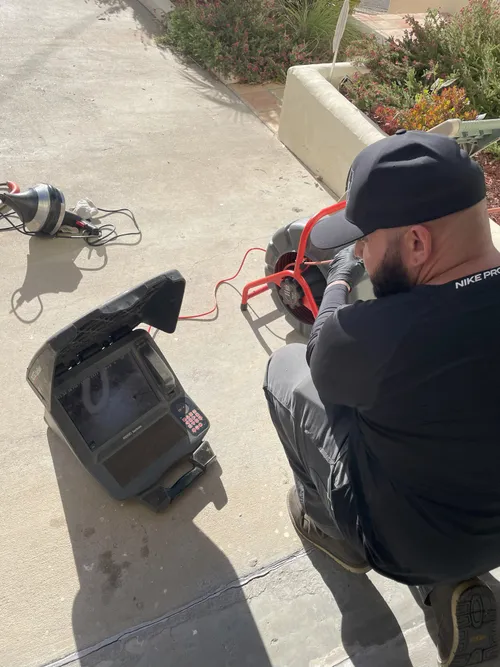
Conejo Bros Plumbing
1386 Del Verde Ct, Thousand Oaks, CA 91320
Conejo Bros Plumbing is a septic tank and plumbing service provider based in Oxnard, CA. They offer a wide range of services including septic tank inspection, pumping, repair, and replacement, as well as sewer mainline inspection and trenchless sewer and drain repair. Their capabilities include advanced trenchless pipe relining techniques that allow for pipe repairs without extensive digging, preserving property landscapes. Serving both residential and commercial clients throughout Ventura County and Conejo Valley, Conejo Bros Plumbing also provides 24/7 support for clearing blockages and other urgent plumbing needs.
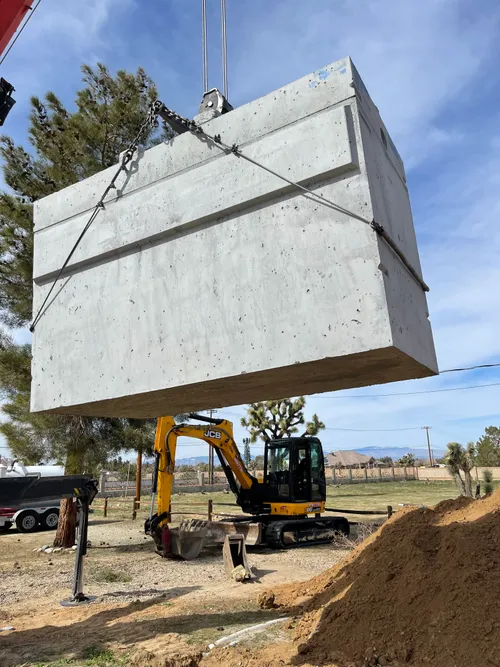
The Drain Dude
13113 San Fernando Rd, Sylmar, CA 91342
The Drain Dude is a full-service plumbing company based in Los Angeles, CA, offering a wide range of plumbing solutions including septic tank inspection, septic system repair, and drain field repair or replacement. They provide 24/7 emergency plumbing services and use advanced technology such as video inspection and electronic leak detection to accurately diagnose issues. Their trenchless sewer and underground pipe installation services minimize disruption with low-dig or no-dig methods. The Drain Dude serves all of Southern California, combining family-owned values with professional expertise.
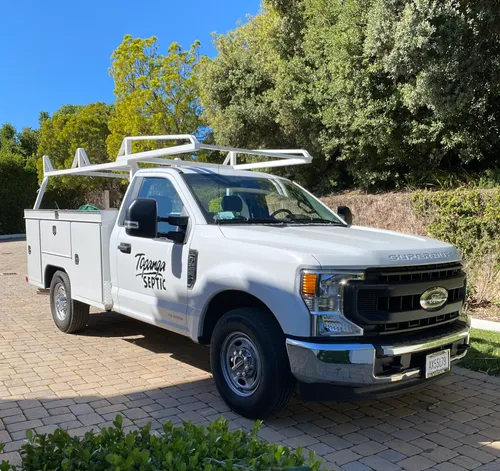
Topanga Septic
22028 Ventura Blvd Ste. 101, Woodland Hills, CA 91364
Topanga Septic is a septic tank service provider located in Los Angeles, CA. They offer a range of services including septic tank pumping, inspections, repairs, installations, and drain field repair or replacement. Their capabilities include excavation, grading, and advanced system monitoring to support system upgrades and maintenance in compliance with new regulations. The company is licensed, bonded, and insured, with certifications from COWA and NAWT. They serve Topanga Canyon, Malibu, and the Greater Los Angeles Area, focusing on preserving natural surroundings during their work.
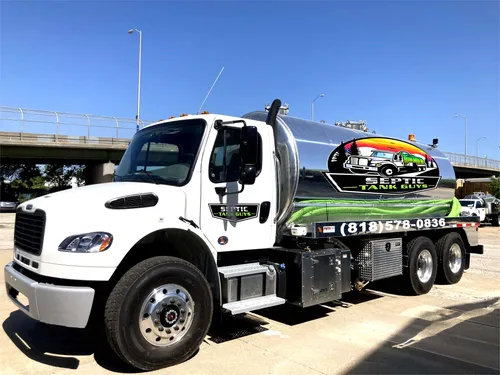
Septic Tank Pumping Guys
6360 Van Nuys Blvd ste 113, Van Nuys, CA 91401
Septic Tank Pumping Guys provides a full range of septic services in Los Angeles, CA, including pumping, inspections, repairs, and installations for residential and commercial properties. They offer 24/7 emergency septic services and specialize in maintaining system health through regular pump-outs, cleaning, and drain field repairs. Their capabilities include septic tank installation, effluent filter replacement, and grease trap pumping. The company is family owned and operated, serving multiple communities within Los Angeles County.
Understanding Drain Field Failure in Santa Clarita
A septic system's leach field can fail for several reasons, many of which are influenced by Santa Clarita's unique environment. Common causes include soil compaction, clogging from solids that escaped the tank, root intrusion from native vegetation, and natural aging of the system components. The area's soil composition, which can include clay-heavy layers, significantly impacts how well wastewater percolates. Furthermore, improper maintenance, like neglecting regular septic tank pumping, is a leading contributor to premature drain field failure, as it allows sludge and scum to overflow into and clog the distribution lines.
Recognizing the signs early can save you time and money. Key indicators include:
- Persistently wet or soggy soil over the drain field area, even during dry weather.
- Sewage odors emanating from the yard, especially near the septic tank or leach field.
- Slow drains and gurgling plumbing fixtures throughout the home.
- Unusually lush, green grass specifically over the drain field lines.
- Standing water or sewage backup in the home or on the property.
If you observe any of these signs, it's crucial to contact a licensed septic professional immediately for a diagnosis. Continuing to use a failing system can create health hazards and environmental contamination, leading to more extensive and costly repairs.
Santa Clarita Regulations and Permit Requirements
All significant drain field repair or replacement work in Santa Clarita requires approval from the Los Angeles County Department of Environmental Health. The county enforces California's statewide Onsite Wastewater Treatment System (OWTS) policy, which sets strict standards to protect groundwater and public health.
A permit is mandatory if the repair involves structural changes to the system or if a public sewer line is not available within 300 feet of your property line 1. The permitting process ensures that any new or repaired system is designed to handle your home's wastewater load and is suitable for your specific property conditions. Working without a permit can result in fines, an order to cease work, and difficulties when you eventually sell your home.
The process typically begins with a site evaluation conducted by a qualified professional. Their findings are used to create a system design, which is then submitted to the county for review and approval before any construction begins. Final inspections by the health department are required before the new drain field can be covered and put into use.
Critical Site Evaluation Factors
A proper site evaluation is the foundation of a successful and compliant drain field project. Local contractors will assess several key environmental factors mandated by state and county codes 2:
- Soil Percolation: The soil must allow water to absorb at a rate between 1 and 12 inches per hour. Slow-draining, clay-heavy soils are a common cause of failure and may require a larger field or advanced treatment technology.
- Groundwater Depth: There must be a minimum of 5 feet of vertical separation between the bottom of the drain field trenches and the seasonal high groundwater table. This prevents contamination.
- Slope: Properties with slopes exceeding 35% are generally unsuitable for standard drain fields. Slopes over 20% often require a detailed geotechnical report and specialized design3 4.
- Setbacks: Strict distance requirements exist between the drain field and structures like your home, property lines, water wells, and streams or creeks.
- Soil Fill: Drain fields cannot be installed in areas with improper or unconsolidated fill material, as it lacks the necessary structure for proper treatment.
Find the perfect drain field repair companies for your needs
Get personalized recommendations and expert advice
The Step-by-Step Repair or Replacement Process
Once a failing leach field is confirmed, the remediation process follows a structured path from assessment to completion.
- Professional Site Evaluation & Testing: A licensed contractor or septic designer will perform a thorough analysis. This includes digging test pits to examine soil layers, depth to bedrock, and groundwater levels, and conducting percolation (perc) tests to measure the soil's absorption rate.
- System Design & Permitting: Using the site evaluation data, a septic designer creates a detailed plan for the new or repaired absorption field. This design, which must comply with all OWTS policies, is submitted to the Los Angeles County Department of Environmental Health for permit approval5.
- Excavation & Installation: After permits are secured, the licensed excavation crew clears the area. For a full replacement, new trenches are dug and lined with specific sand and gravel. Perforated distribution pipes are laid and connected to the existing or new septic tank.
- Final Inspection & Backfill: The county inspector visits the site to verify the installation matches the approved design and meets all code requirements. Only after passing this final inspection can the trenches be carefully backfilled and the landscape restored6 7.
Understanding the Costs Involved
Drain field remediation is a significant investment, with costs in Santa Clarita varying widely based on system size, site complexity, and the technology required. It's important to get multiple detailed estimates from licensed contractors.
- Drain Field Repair/Replacement: For the leach field alone, homeowners can expect costs typically ranging from $5,000 to $15,0008 9. Challenging terrain, poor soil conditions, or the need for advanced aerobic treatment units (ATUs) can push costs toward the higher end or beyond.
- Full System Replacement: If both the septic tank and drain field need to be replaced, total costs often range from $8,000 to $22,000 or more10 11 12.
- Additional Fees: Remember to budget for separate costs like permit fees, soil testing and engineering design fees, and county inspection fees. These are usually not included in a basic contractor's quote.
Labor and materials make up the bulk of the expense, with complex sites requiring more excavation, specialized equipment, and imported sand or gravel. Always ensure your cost estimate includes a clear line-item for obtaining the necessary health department permits.
Choosing a Local Santa Clarita Professional
Given the regulatory and environmental complexities, selecting the right contractor is paramount. Always choose a professional licensed to work in Los Angeles County and familiar with the Santa Clarita Valley's specific conditions. They should handle the entire process, from the initial site evaluation and permit application to the final inspection. Be wary of quotes that seem unusually low, as they may not include essential steps like permitting or may use substandard materials. A reputable provider will offer a detailed written estimate, explain the reasons for the drain field failure, and outline a solution that complies with all local and state codes13.
Frequently asked questions
Sources
Footnotes
-
Southern California Septic System Regulations: What You Need to ... - https://www.lanikseptic.com/socal-septic-regulations/ ↩
-
The Californian's Guide To Septic Tanks - https://cacciaplumbing.com/blog/california-septic-tank-guide/ ↩
-
The SoCal Guide to Septic Tank Installation - https://www.lanikseptic.com/socal-guide-septic-tank-installation/ ↩
-
Septic Tank Plans: A Complete Homeowner's Guide - https://landperc.com/septic-tank-plans-guide/ ↩
-
ONSITE SYSTEMS MANUAL - California Water Boards - https://www.waterboards.ca.gov/sanfranciscobay/board_info/agendas/2016/January/SantaClaraOWTS/SCC_OWTS_B_Onsite_Systems_Manual.pdf ↩
-
The Ultimate Guide to Replacing a Septic Drain Field - https://www.rciseptic.com/the-ultimate-guide-to-replacing-a-septic-drain-field ↩
-
California Septic Tank Requirements | Onsite Wastewater ... - https://www.ntotank.com/blog/california-septic-tank-requirements ↩
-
How Much Does Septic System Repair Really Cost in California - https://www.lanikseptic.com/septic-repair-cost/ ↩
-
How Much Does a Septic Tank or Leach Field Replacement Cost? - https://www.elocal.com/resources/home-improvement/plumbing/cost-guide/leach-field-replacement-cost/ ↩
-
Septic Tank Replacement and Drain Field Cost in California - https://www.lanikseptic.com/how-much-does-it-cost-to-replace-a-septic-tank-and-drain-field-in-california/ ↩
-
Cost to Replace Septic Tank and Drain Field [2026 Data] | Angi - https://www.angi.com/articles/how-much-new-drain-fields-foot.htm ↩
-
Leach Field Replacement: Cost Breakdown - Aqua Pro Solutions - https://www.aquaprosolutions.com/resources/leach-field-replacement-cost-breakdown/ ↩
-
Septic System Design and Installation in Santa Clarita, CA | SewerMan - https://sewerman.com/santa-clarita-ca/services/septic-system-services/ ↩