Find the Best Drain Field Repair Companies for Your Business
No obligation • Fast responses • Nationwide coverage

Why you can trust Septic Spot
Septic Spot is a leading United States resource for understanding and comparing septic services. Our editors review providers using consistent criteria and verify key business details. Listings and scores are independent, and companies cannot pay to influence our content.
Search providers near you
Top Drain Field Repair Companies in Simi Valley, California Ranked
A failing drain field, also known as a leach field or absorption system, is a serious issue for any Simi Valley property on a septic system. This critical component is responsible for safely filtering and dispersing treated wastewater into the soil. When it malfunctions, it can lead to soggy yards, foul odors, and environmental contamination. This guide provides essential information on the repair and replacement process, local regulations, and costs to help you understand your options and connect with qualified local professionals for your septic system needs.
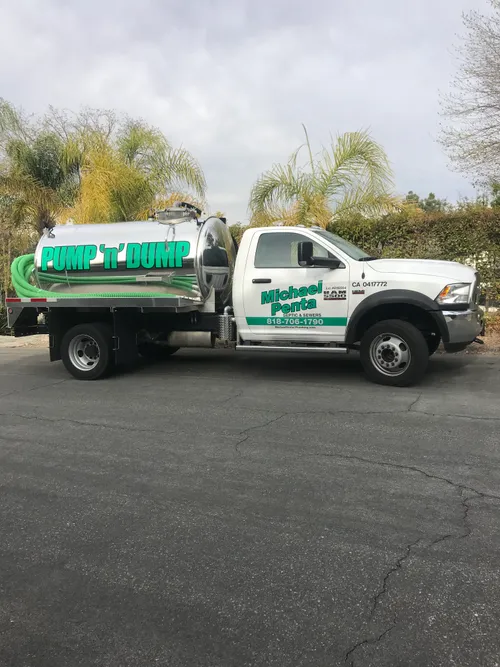
Michael Penta Septic Tank Pumping
Los Angeles, CA
Michael Penta Septic Tank Pumping provides a range of septic services in Los Angeles, CA, including septic tank pumping, installation, inspection, and repair. The company also handles drain field repairs, sewage ejection pump services, and sewer line replacements. Their expertise includes advanced capabilities such as camera inspections for leaks and cracks, soil analysis for leach line repair, and installation of micro septic systems that treat wastewater to a higher quality. They ensure compliance with local regulations and offer comprehensive maintenance to extend the life of septic systems.
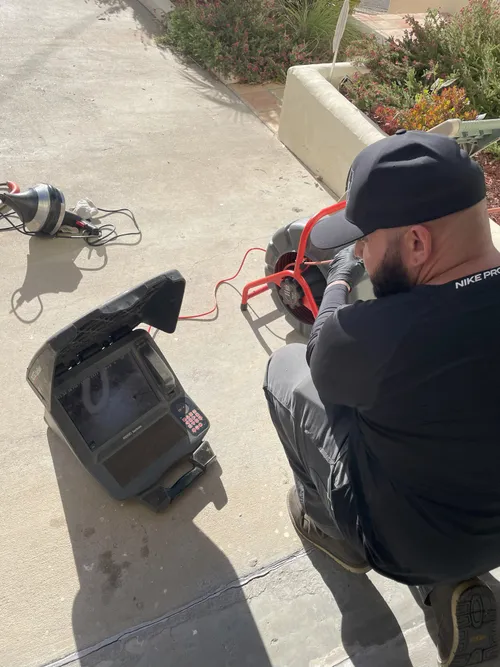
Conejo Bros Plumbing
1386 Del Verde Ct, Thousand Oaks, CA 91320
Conejo Bros Plumbing is a septic tank and plumbing service provider based in Oxnard, CA. They offer a wide range of services including septic tank inspection, pumping, repair, and replacement, as well as sewer mainline inspection and trenchless sewer and drain repair. Their capabilities include advanced trenchless pipe relining techniques that allow for pipe repairs without extensive digging, preserving property landscapes. Serving both residential and commercial clients throughout Ventura County and Conejo Valley, Conejo Bros Plumbing also provides 24/7 support for clearing blockages and other urgent plumbing needs.
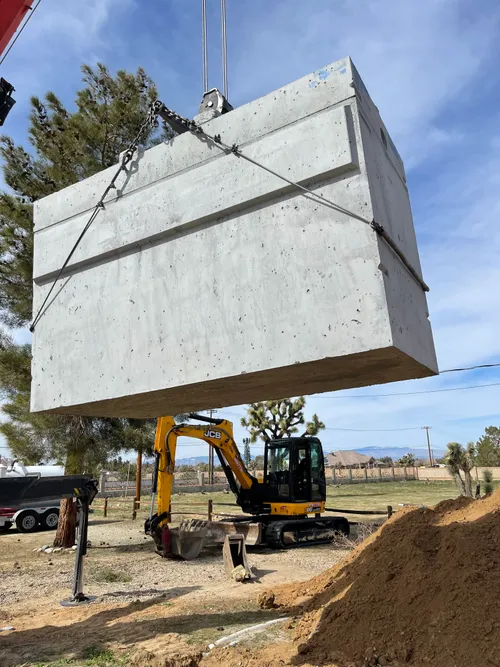
The Drain Dude
13113 San Fernando Rd, Sylmar, CA 91342
The Drain Dude is a full-service plumbing company based in Los Angeles, CA, offering a wide range of plumbing solutions including septic tank inspection, septic system repair, and drain field repair or replacement. They provide 24/7 emergency plumbing services and use advanced technology such as video inspection and electronic leak detection to accurately diagnose issues. Their trenchless sewer and underground pipe installation services minimize disruption with low-dig or no-dig methods. The Drain Dude serves all of Southern California, combining family-owned values with professional expertise.
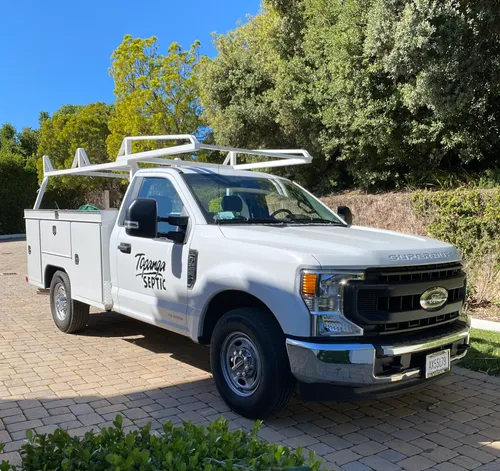
Topanga Septic
22028 Ventura Blvd Ste. 101, Woodland Hills, CA 91364
Topanga Septic is a septic tank service provider located in Los Angeles, CA. They offer a range of services including septic tank pumping, inspections, repairs, installations, and drain field repair or replacement. Their capabilities include excavation, grading, and advanced system monitoring to support system upgrades and maintenance in compliance with new regulations. The company is licensed, bonded, and insured, with certifications from COWA and NAWT. They serve Topanga Canyon, Malibu, and the Greater Los Angeles Area, focusing on preserving natural surroundings during their work.
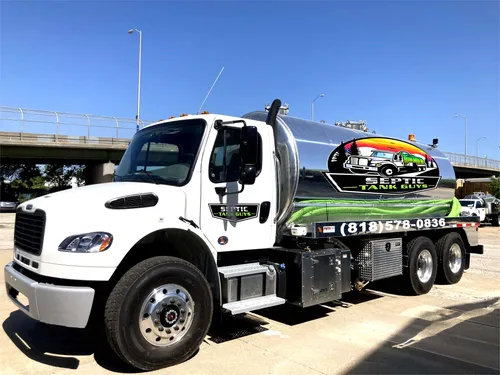
Septic Tank Pumping Guys
6360 Van Nuys Blvd ste 113, Van Nuys, CA 91401
Septic Tank Pumping Guys provides a full range of septic services in Los Angeles, CA, including pumping, inspections, repairs, and installations for residential and commercial properties. They offer 24/7 emergency septic services and specialize in maintaining system health through regular pump-outs, cleaning, and drain field repairs. Their capabilities include septic tank installation, effluent filter replacement, and grease trap pumping. The company is family owned and operated, serving multiple communities within Los Angeles County.
Understanding Your Simi Valley Drain Field
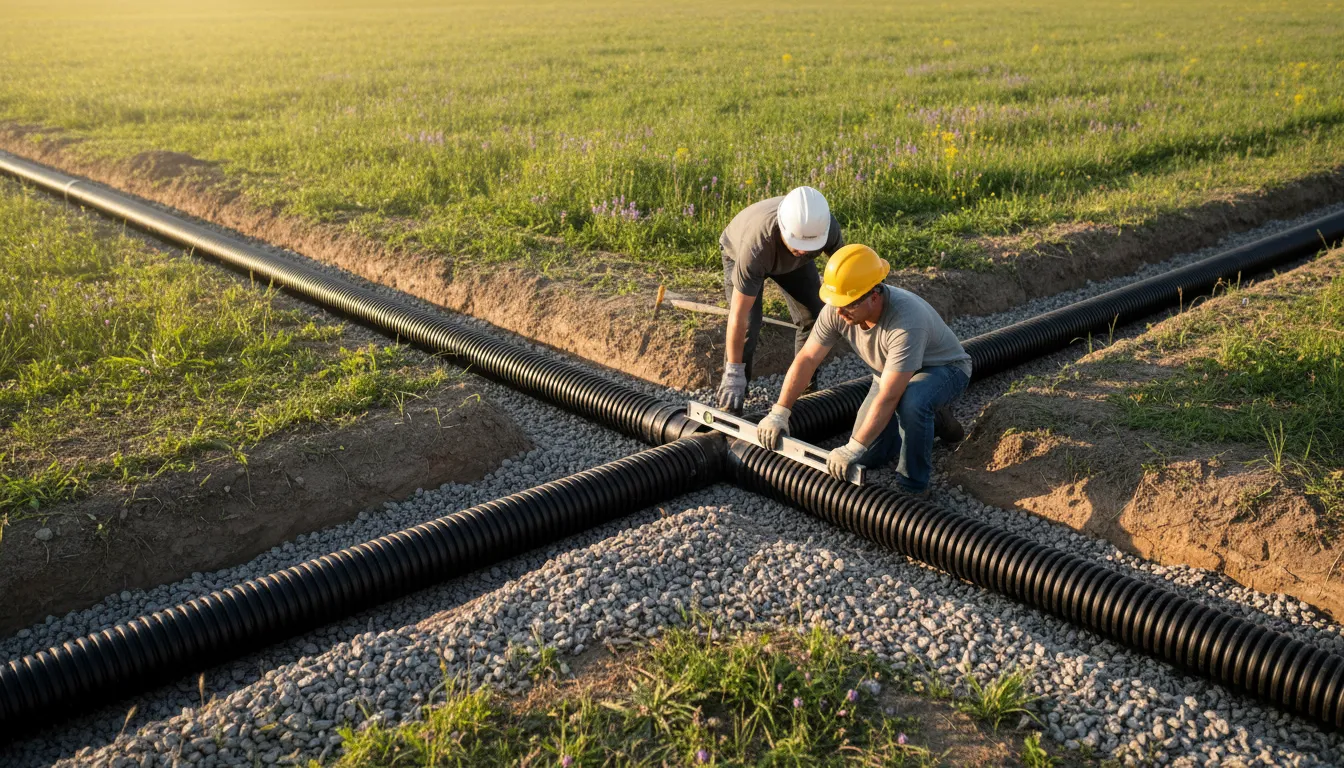
The drain field is the final stage of your onsite wastewater treatment system. After solids settle in the septic tank, liquid effluent flows through a network of perforated pipes buried in trenches filled with gravel. This effluent slowly percolates into the soil, where natural processes provide final treatment. A system fails when the soil can no longer absorb the water, often due to compaction, biomat buildup, or hydraulic overload.
Common signs you may need drain field repair or a new leach field include:
- Sewage odors in the yard or home.
- Soggy, spongy, or standing water over the drain field area.
- Slow-draining sinks and toilets throughout the house.
- Unusually green, lush grass over the drain field.
- Sewage backing up into the home.
Ventura County and Simi Valley Regulations
Any significant work on your septic system's absorption area is strictly regulated. In Simi Valley, projects typically fall under the jurisdiction of the Ventura County Environmental Health Division or the City of Simi Valley Building Safety Division, depending on specific location and project scope. Compliance with the Ventura County Technical Guidance Manual and local city codes is mandatory.
A permit is required for any repair or replacement activity. The process begins with a site evaluation by a licensed professional, which often includes a soil percolation test to measure the soil's absorption rate 1. Local codes typically require soil to have a percolation rate between 1 and 12 inches per hour for a conventional system.
Key Site Requirements for Replacement
Replacing a leach field isn't as simple as digging new trenches in the same spot. Strict site criteria must be met to protect public health and groundwater.
- Soil Separation: A minimum of 5 feet of vertical separation is typically required between the bottom of the drain field trench and the seasonal high groundwater table.
- Setbacks: Your system must maintain minimum distances from wells, property lines, streams, and structures. These setbacks are non-negotiable and can significantly impact where a new field can be placed.
- Slope: The land slope for a drain field must generally be 35% or less. Slopes over 20% often require a specialized geotechnical report and engineered design 2.
- Soil Suitability: The evaluation will determine if the native soil is suitable or if imported fill (a "mound" system) is needed, which can greatly increase cost.
The Step-by-Step Process for Repair or Replacement
Navigating a drain field project involves several key stages, often requiring professional guidance from start to finish.
- Professional Site Inspection & Evaluation: A qualified septic contractor or engineer assesses the failure, performs necessary soil tests (like a perc test), and evaluates the property for a suitable replacement area.
- Design & Permit Application: Based on the evaluation, a system design and plot plan are created and submitted to the local permitting authority (Ventura County or City of Simi Valley) for review and approval.
- Installation & Inspection: Once permitted, construction begins. Ventura County officials or city inspectors must check the layout, materials, and excavation before the trenches are covered 3 4.
- Final Approval: A final inspection ensures the installed system meets all codes, after which the permit is signed off and the system can be put into use 5.
Find the perfect drain field repair companies for your needs
Get personalized recommendations and expert advice
Cost Breakdown for Drain Field Work in Simi Valley
Costs for fixing your wastewater dispersal system vary widely based on the extent of the problem, soil conditions, and system size 6. Below is a general cost framework based on regional data.
- Minor Repairs: Addressing issues like a damaged distribution box or a single clogged pipe may range from $300 to $900.
- Major Drain Field Repairs: Partial repair or replacement of sections of the leach field piping typically costs between $1,200 and $4,000.
- Complete Drain Field Replacement: This is the most significant expense. For a full new absorption system in Simi Valley, homeowners can expect to pay $5,000 to over $15,000 7 8. Complex sites with poor soil or the need for an engineered mound system will be at the highest end of this range.
- Soil Percolation Test: A required perc test can cost between $300 and $3,000, depending on its complexity and depth 9.
- Alternative Option - Sewer Connection: If available, abandoning your septic system to connect to the Simi Valley municipal sewer requires a permit and a sanitation facility connection fee, which was $3,727 as of recent data 10. This does not include the cost of the physical connection work from your home to the main line.
Maintaining Your New or Repaired System
Protecting your investment is crucial. After a repair or replacement, practice diligent system maintenance:
- Pump the Septic Tank regularly (every 3-5 years) to prevent solids from clogging the new drain field.
- Conserve Water to avoid hydraulically overloading the system.
- Divert Rainwater from roofs and driveways away from the drain field area.
- Never park vehicles or place heavy structures over the drain field.
- Avoid pouring grease, chemicals, or non-biodegradable items down the drain.
Frequently asked questions
Sources
Footnotes
-
Ventura County Technical Guidance Manual for Stormwater ... - https://www.waterboards.ca.gov/losangeles/water_issues/programs/stormwater/municipal/ventura_ms4/VenturaTGM/Ventura%20Stormwater%20TGM%20Final%207-13-11.pdf ↩
-
The Californian's Guide To Septic Tanks - https://cacciaplumbing.com/blog/california-septic-tank-guide/ ↩
-
California Septic Tank Requirements | Onsite Wastewater ... - https://www.ntotank.com/blog/california-septic-tank-requirements ↩
-
Inspection Procedures | City of Simi Valley, CA - https://www.simivalley.org/departments/environmental-services/building-safety-division/inspection-procedures ↩
-
Septic System Regulations in Southern California: What You ... - https://www.lanikseptic.com/socal-septic-regulations/ ↩
-
Septic Tank Replacement and Drain Field Cost in California - https://www.lanikseptic.com/how-much-does-it-cost-to-replace-a-septic-tank-and-drain-field-in-california/ ↩
-
How Much Does Septic System Repair Really Cost in California - https://www.lanikseptic.com/septic-repair-cost/ ↩
-
Cost to Replace Septic Tank and Drain Field [2026 Data] | Angi - https://www.angi.com/articles/how-much-new-drain-fields-foot.htm ↩
-
How Much Does a Septic Soil Test Cost in 2026? - Land Perc - https://landperc.com/septic-soil-test-cost/ ↩
-
Sanitation Service Fees | City of Simi Valley, CA - https://www.simivalley.org/departments/public-works/public-works-engineering/sanitation-engineering/sanitation-service-fees ↩