Find the Best Drain Field Repair Companies for Your Business
No obligation • Fast responses • Nationwide coverage

Why you can trust Septic Spot
Septic Spot is a leading United States resource for understanding and comparing septic services. Our editors review providers using consistent criteria and verify key business details. Listings and scores are independent, and companies cannot pay to influence our content.
Search providers near you
Top Drain Field Repair Companies in Temecula, California Ranked
A failing drain field is a serious issue for any property with a septic system, leading to soggy yards, unpleasant odors, and potential environmental contamination. In Temecula, addressing these problems requires navigating specific local regulations and soil conditions. This guide provides essential information on the repair and replacement process for leach fields, helping you understand the steps, costs, and local requirements to connect with qualified professionals who can restore your system's function.
Gardner Septic Services
Los Angeles, CA
Gardner Septic Services is a family-owned company based in Los Angeles, CA, specializing in septic system design, installation, pumping, repairs, inspections, and certifications. Serving the Inland Empire area including Riverside, Moreno Valley, Woodcrest, Yucaipa, Redlands, and nearby communities, they handle projects ranging from small repairs to complete septic system installations. With over 20 years of experience and licensed as a C-42 sanitation systems contractor, Gardner Septic Services offers comprehensive septic solutions including septic tank locating, riser and lid installations, and drain field repairs. They provide 24/7 emergency septic services to address urgent needs at any time.
Wright Septic Tank Services
511 N Dillon Ave, San Jacinto, CA 92582
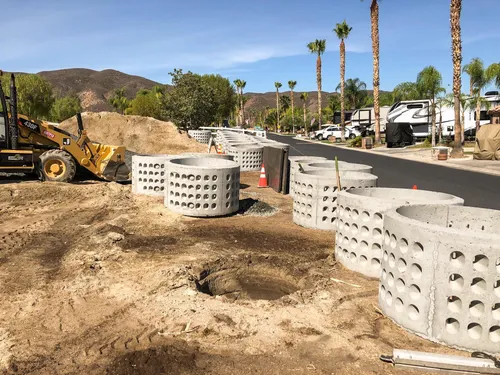
Wright Septic Tank Services is a licensed C42 and C36 contractor based in Los Angeles, CA, offering residential and commercial septic system solutions. Their services include septic tank pumping, repairs, maintenance, installation of new septic systems and leach lines, camera inspections, and electronic tank locating. With over 55 years of experience, Wright Septic uses advanced technology such as waterproof cameras and electronic locating devices to diagnose and address septic system issues effectively.

Center Septic
San Diego, CA
Center Septic is a family-owned septic service provider based in San Diego, CA, serving North San Diego County including Valley Center and surrounding areas. The company offers septic tank pumping, cleaning, inspections, repairs, new system installations, and drain field diagnosis and repairs. Center Septic holds a C42 license through the California State Contractor License Board and has been operating since 1995, providing a range of septic system services with trained and knowledgeable staff.
Aztec Excavation Inc. & Septic
37801 Oxford Dr, Murrieta, CA 92562
Aztec Excavation Inc. & Septic is a licensed sanitation system contractor based near Los Angeles, CA, specializing in septic system installation, repair, and excavation services. Serving Riverside and San Diego counties, the company handles septic tank installation, drain field repair, trench building, lot preparation, and utility line installation. With over a decade of experience, Aztec Excavation offers capabilities such as advanced treatment unit installation and septic system component repairs. The business operates 24/7 to support residential septic and excavation needs in areas including Murrieta, Temecula, and Wildomar.
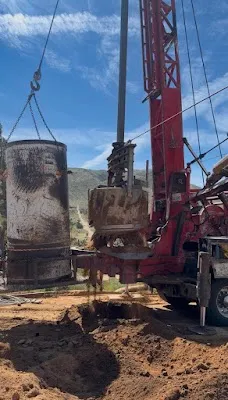
USA Septic
1317 Simpson Way Suite B, Escondido, CA 92029
USA Septic is a septic tank pumping, inspection, repair, and installation company serving San Diego, CA. They provide services including septic system construction, pumping, drain cleaning, and certifications. Their expertise covers drain field repair and replacement, helping maintain and protect septic systems. USA Septic offers guidance on septic system ownership to help customers care for their systems properly.
Understanding Your Septic Drain Field
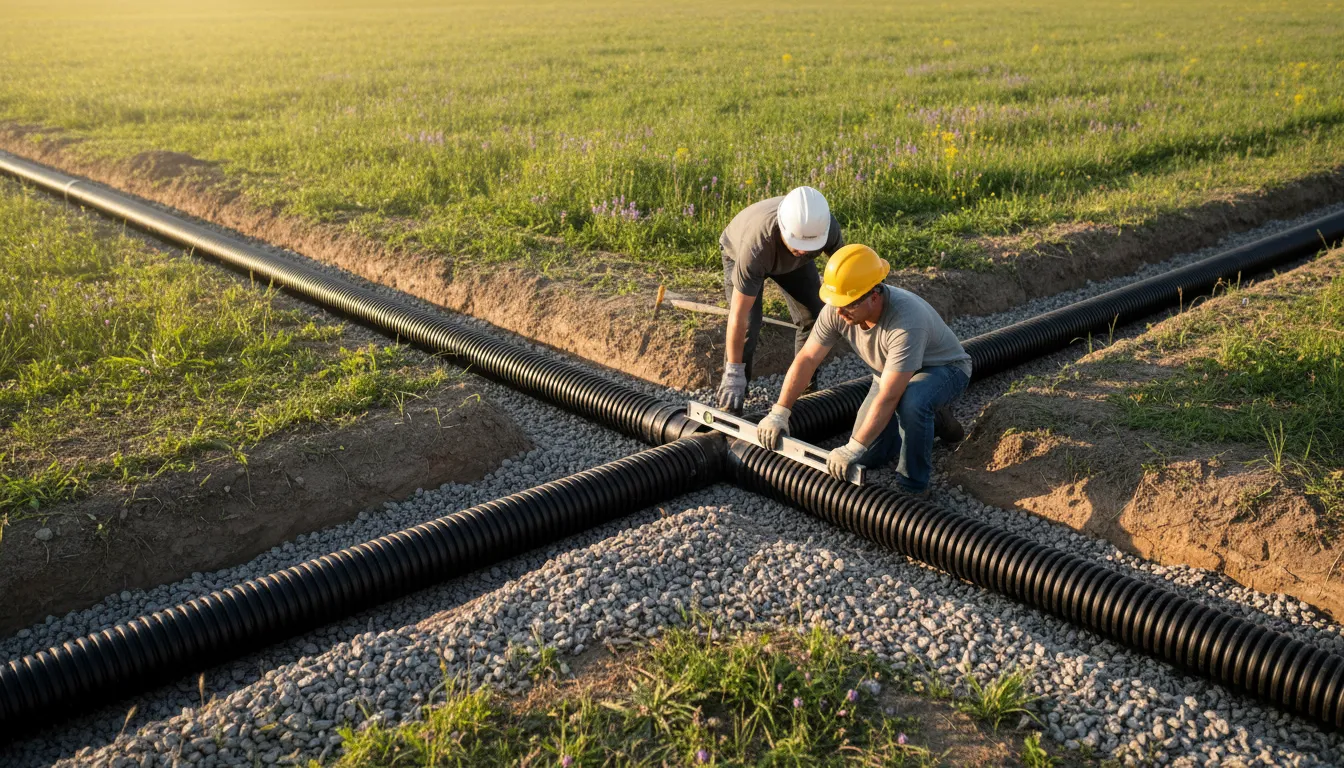
Often called a leach field or absorption field, the drain field is the final and most critical stage of your onsite wastewater treatment system. After solids settle in the septic tank, liquid effluent flows into a network of perforated pipes buried in trenches filled with gravel. This effluent slowly percolates into the soil, where natural processes provide final treatment. When this area fails, wastewater cannot be properly dispersed, leading to system backups and surface issues.
In Temecula, the health of your drain field is heavily influenced by local factors. The clay-heavy soil common in the area absorbs water very slowly, which can accelerate saturation and failure if the system is undersized or poorly maintained. Furthermore, all installations and major repairs must comply with Riverside County and California state codes, which have become more stringent over time to protect groundwater quality.
Signs You Need Drain Field Service
Recognizing early warning signs can prevent a complete system failure and more costly repairs. Look for these indicators around your property:
- Soggy Ground or Standing Water: Puddles or persistently wet soil over the drain field area, especially when it hasn't rained.
- Sewage Odors: Unpleasant smells emanating from the yard near the septic tank or drain field.
- Unusually Lush Grass: Patches of grass that are greener and grow faster than the rest of the lawn, indicating a nutrient-rich wastewater surge.
- Slow Drains and Backups: Gurgling pipes, slow-draining sinks and toilets, or sewage backups inside the home.
- Algae Blooms in Nearby Ditches or Ponds: Nutrient-rich effluent reaching surface water.
If you notice any of these signs, it's crucial to contact a licensed septic professional for an inspection immediately. Ignoring them can lead to environmental damage and costly county enforcement actions.
The Temecula Drain Field Repair & Replacement Process
Addressing a failing leach field is a multi-step process governed by Riverside County regulations. It's not a simple DIY project; it requires licensed contractors and approved permits.
1. Professional Inspection and Diagnosis
A certified professional will first locate and open the septic tank and distribution box. They will often pump the tank to inspect for structural issues like cracks or root intrusion that could be sending solids into the field 1. The core assessment involves evaluating the drain field itself for failure signs and performing a critical soil percolation test ("perc test"). This test measures how quickly water drains through your soil, determining its absorption rate.
2. Site Evaluation and Design
The results of the perc test and a full site evaluation form the basis of any repair or new design. The professional will analyze soil type, topography, groundwater depth, and required setbacks from structures, wells, and property lines. In Temecula, slopes exceeding 20% require a detailed geotechnical report, and systems cannot be installed on slopes over 35% 2. This evaluation ensures the new design will function properly and last for years.
3. Permitting with Riverside County
Before any shovel hits the ground, you must obtain a permit from the Riverside County Department of Environmental Health. Your septic professional will typically handle this, submitting the proposed design, site evaluation, and percolation test results. The county reviews for compliance with the California Onsite Wastewater Treatment System (OWTS) policy and local amendments. It's illegal to begin work without this permit.
4. Repair or Replacement Execution
Once permitted, work can begin. The scope depends on the diagnosis:
- Minor Repairs: Addressing issues like a clogged distribution box or replacing a damaged effluent filter.
- Partial Drain Field Repair: Repairing a specific section of the field, though this is often a temporary solution.
- Complete Drain Field Replacement: The most common solution for a failed field. This involves excavating the old leach lines and installing a entirely new field, often with modern materials and sometimes an engineered design to suit challenging soil 3.
Find the perfect drain field repair companies for your needs
Get personalized recommendations and expert advice
Cost Factors for Drain Field Work in Temecula
The cost for leach field repair or installation in Temecula varies widely based on the system's size, soil conditions, and the extent of work needed. Below is a general cost breakdown based on local data.
- Soil Percolation Test: This mandatory test typically costs between $300 and $3,000, with higher costs for complex sites requiring deep pits or engineering analysis 4.
- Minor Repairs: Fixing issues like a damaged baffle or distribution box can range from $300 to $9005.
- Drain Field Repair/Replacement: For the leach field itself, homeowners can expect costs between $1,000 and $20,000 or more. A full conventional field replacement often falls between $7,900 and $20,000+6 7.
- Engineering Fees: For properties with difficult soil or slope, engineering design fees can add $125 to $200 per hour to the project cost 8.
The high end of these ranges frequently applies in Temecula due to the prevalent clay soil, which may require more expensive engineered solutions like pressurized drip systems or sand mounds to ensure proper effluent treatment and dispersal.
Key Local Regulations and Soil Considerations
Navigating local rules is a fundamental part of any septic project in Temecula.
- Governing Authority: The Riverside County Department of Environmental Health is the primary permitting and regulatory agency 9.
- Modern Standards: If your drain field is failing, a simple "like-for-like" replacement is often not allowed. The county will likely require an upgrade to meet current, stricter California OWTS standards, which may mean a larger or differently engineered field 10.
- Clay Soil Challenges: Temecula's clay soil has a slow percolation rate, directly impacting the size and type of system needed. It often requires larger absorption areas or advanced treatment components.
- Setbacks are Critical: Systems must be installed specific distances from homes, property lines, wells, and water sources. Your site evaluation will confirm these clearances can be met.
- Groundwater Protection: A minimum vertical separation of 5 feet is generally required between the bottom of the drain field trench and the seasonal high groundwater table 11.
Hiring the Right Professional
Choosing a qualified contractor is your most important decision. Always:
- Verify Licensing: Ensure the company or individual holds a current, valid license from the state of California for septic system installation and repair.
- Check Local Experience: Hire professionals familiar with Temecula's specific soil conditions and the Riverside County Department of Environmental Health's permit process.
- Get Multiple Quotes: Obtain detailed written estimates from several licensed contractors that break down costs for inspection, design, permitting, and construction.
- Ask for References: Request and contact references for similar drain field projects in the area.
- Confirm Permit Handling: Ensure the contractor will pull all necessary permits on your behalf before work begins 12.
Frequently asked questions
Sources
Footnotes
-
Preparing for Septic Tank Inspection: 7 Key Steps - https://septic911.com/preparing-for-septic-tank-inspection/ ↩
-
The Californian's Guide To Septic Tanks - https://cacciaplumbing.com/blog/california-septic-tank-guide/ ↩
-
The Ultimate Guide to Replacing a Septic Drain Field - https://www.rciseptic.com/the-ultimate-guide-to-replacing-a-septic-drain-field ↩
-
How Much Does a Septic Soil Test Cost in 2026? - Land Perc - https://landperc.com/septic-soil-test-cost/ ↩
-
Temecula Septic Systems Costs & Prices - ProMatcher Cost Report - https://septic-systems.promatcher.com/cost/temecula-ca-septic-systems-costs-prices.aspx ↩
-
How Much Does Septic System Repair Really Cost in California - https://www.lanikseptic.com/septic-repair-cost/ ↩
-
Cost to Replace Septic Tank and Drain Field [2026 Data] | Angi - https://www.angi.com/articles/how-much-new-drain-fields-foot.htm ↩
-
How Much Does a Septic System & Septic Tank Cost - https://www.nexgenseptics.com/septic-system-cost/ ↩
-
California Septic Tank Requirements | Onsite Wastewater ... - https://www.ntotank.com/blog/california-septic-tank-requirements ↩
-
Southern California Septic System Regulations: What You Need to ... - https://www.lanikseptic.com/socal-septic-regulations/ ↩
-
Septic Systems Reports, Regulations, Guidance, and Manuals - https://www.epa.gov/septic/septic-systems-reports-regulations-guidance-and-manuals ↩
-
Buying Land? Essential Guide to Septic System Installation - https://septic-masters.com/buying-land-septic-system-installation/ ↩