Find the Best Drain Field Repair Companies for Your Business
No obligation • Fast responses • Nationwide coverage

Why you can trust Septic Spot
Septic Spot is a leading United States resource for understanding and comparing septic services. Our editors review providers using consistent criteria and verify key business details. Listings and scores are independent, and companies cannot pay to influence our content.
Search providers near you
Top Drain Field Repair Companies in Torrance, California Ranked
A failing drain field is a serious issue for any property with a septic system. This critical component, also known as a leach field or absorption field, is responsible for safely filtering and dispersing treated wastewater into the soil. When it malfunctions, it can lead to soggy yards, foul odors, and environmental contamination. For homeowners in Torrance, navigating the repair or replacement of a septic drain field involves specific local regulations, soil considerations, and a multi-step process. This guide explains the essentials of leach field services in the South Bay area, helping you understand what to expect and how to connect with qualified local professionals for an evaluation.
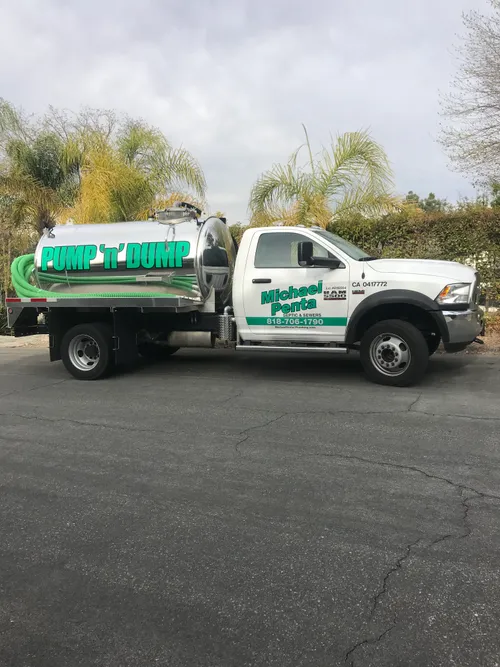
Michael Penta Septic Tank Pumping
Los Angeles, CA
Michael Penta Septic Tank Pumping provides a range of septic services in Los Angeles, CA, including septic tank pumping, installation, inspection, and repair. The company also handles drain field repairs, sewage ejection pump services, and sewer line replacements. Their expertise includes advanced capabilities such as camera inspections for leaks and cracks, soil analysis for leach line repair, and installation of micro septic systems that treat wastewater to a higher quality. They ensure compliance with local regulations and offer comprehensive maintenance to extend the life of septic systems.
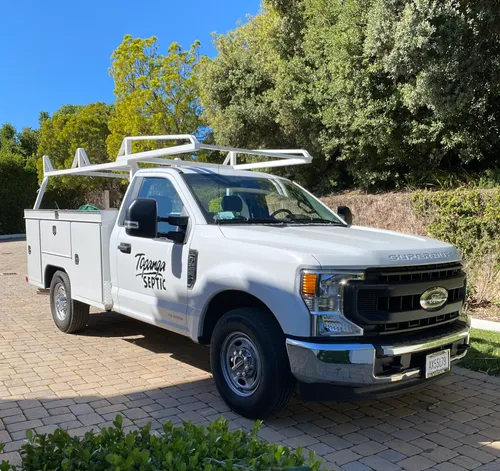
Topanga Septic
22028 Ventura Blvd Ste. 101, Woodland Hills, CA 91364
Topanga Septic is a septic tank service provider located in Los Angeles, CA. They offer a range of services including septic tank pumping, inspections, repairs, installations, and drain field repair or replacement. Their capabilities include excavation, grading, and advanced system monitoring to support system upgrades and maintenance in compliance with new regulations. The company is licensed, bonded, and insured, with certifications from COWA and NAWT. They serve Topanga Canyon, Malibu, and the Greater Los Angeles Area, focusing on preserving natural surroundings during their work.
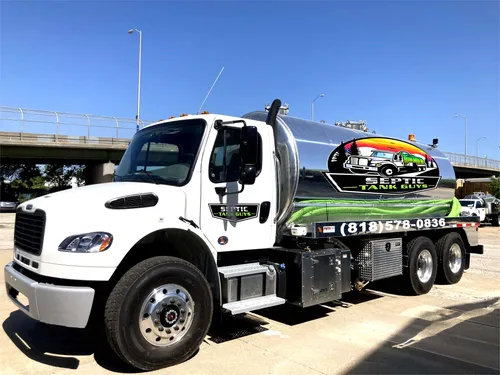
Septic Tank Pumping Guys
6360 Van Nuys Blvd ste 113, Van Nuys, CA 91401
Septic Tank Pumping Guys provides a full range of septic services in Los Angeles, CA, including pumping, inspections, repairs, and installations for residential and commercial properties. They offer 24/7 emergency septic services and specialize in maintaining system health through regular pump-outs, cleaning, and drain field repairs. Their capabilities include septic tank installation, effluent filter replacement, and grease trap pumping. The company is family owned and operated, serving multiple communities within Los Angeles County.
Septic Tank Pumping USA
1367 Foothill Blvd, La Cañada Flintridge, CA 91011
Septic Tank Pumping USA provides septic tank pumping, inspection, and repair services in Los Angeles, CA. They handle routine maintenance and emergency repairs, including drain field repair or replacement. The company emphasizes regular pumping every 3-5 years to prevent system failures and environmental risks. They also offer thorough inspections to assess tank and drain field conditions. Septic Tank Pumping USA serves the local area with expertise in managing septic system health and compliance with local regulations.
Understanding Your Septic Drain Field in Torrance
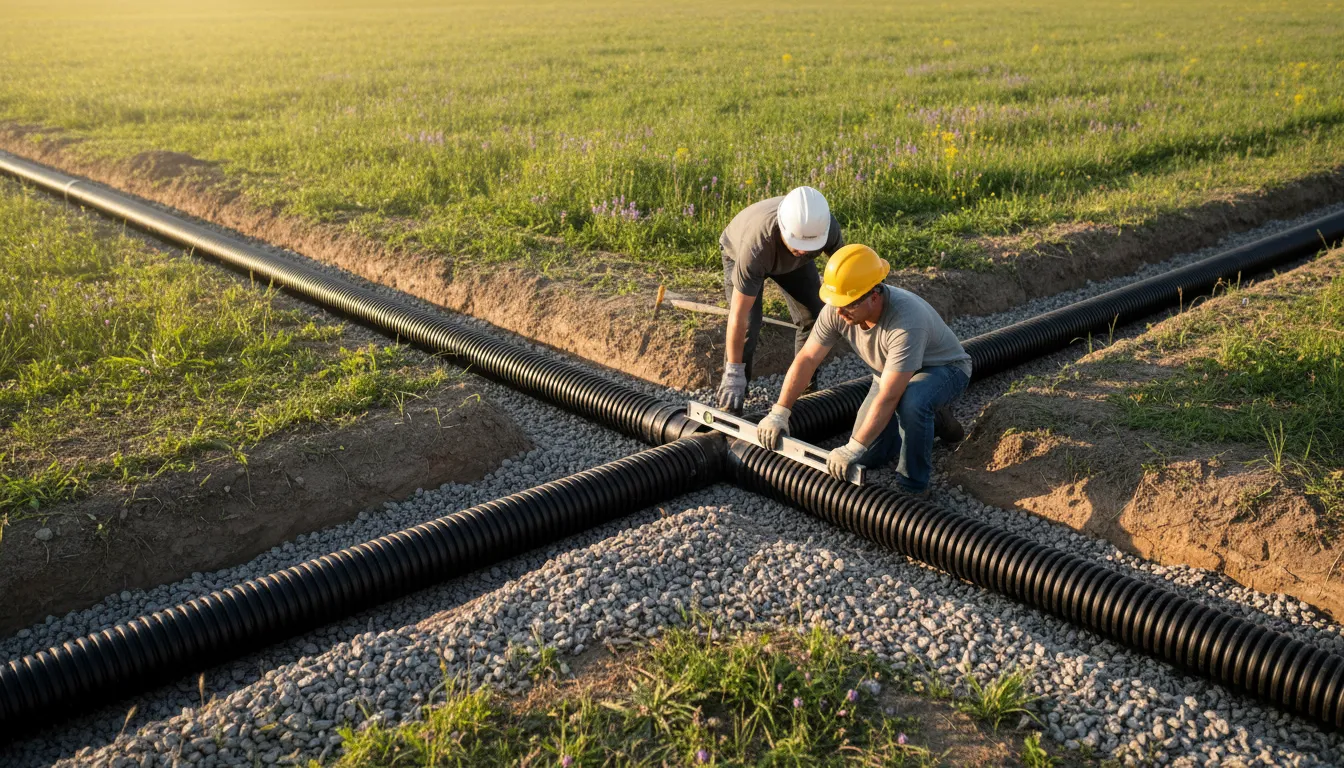
The drain field is the final stage of your onsite wastewater treatment system. After solids settle in the septic tank, the liquid effluent flows into a network of perforated pipes buried in trenches filled with gravel. This effluent slowly percolates through the soil, where natural processes provide final treatment. In Torrance and across Los Angeles County, the performance of this soil absorption system is heavily dependent on local soil conditions and strict health department regulations.
Common signs of a failing leach field include:
- Persistently soggy or spongy ground over the field area, even in dry weather.
- Sewage odors near the tank, drain field, or inside the home.
- Slow drains and gurgling plumbing fixtures throughout the house.
- Unusually lush, green grass growing over the field.
- Sewage backing up into the home, which indicates a severe failure.
If you notice any of these signs, it's crucial to act quickly. A failed system is a public health concern and can lead to significant property damage and regulatory action.
Torrance and LA County Regulations for Leach Field Work
Any significant repair or full replacement of a septic drain field in Torrance requires permits and oversight from the Los Angeles County Department of Public Health. The county enforces California's stringent standards to protect groundwater and public health. You cannot simply dig up and replace an old field; the entire project must be designed and permitted as a new system installation.
Key regulatory factors include:
- Site Evaluation & Soil Testing: A qualified professional must perform a detailed site evaluation, which almost always includes a specialized soil percolation (perc) test. This test determines how quickly water drains through your soil. LA County requires soil to have a percolation rate between 1 and 12 inches per hour for a conventional system. Soil with high clay content often fails this test, requiring alternative system designs.
- Setbacks: The new absorption field must maintain minimum distances from property lines, wells, structures, streams, and other water sources. These setbacks are non-negotiable and can limit where a new field can be placed on your lot.
- Groundwater Separation: There must be at least 5 feet of vertical separation between the bottom of the drain field trenches and the seasonal high groundwater level. In some parts of Torrance, high water tables can be a challenge.
- Slope: The slope of the land where the leach field is placed is critical. Generally, the maximum slope allowed is 35%, but slopes over 20% often require engineered solutions and special design approval 1.
The Step-by-Step Process for Repair or Replacement
Addressing a failed leach field is a structured process. Here's what you can typically expect when working with a licensed septic contractor in the Torrance area.
1. Professional Inspection and Diagnosis
The first step is a thorough inspection by a septic system professional. They will assess the entire system, often using a backhoe to dig a "test pit" in the suspected drain field area. This allows them to visually inspect the soil, check for standing effluent, and evaluate the condition of the pipes and gravel. The goal is to confirm the failure and determine its root cause-whether it's soil compaction, biomat clogging, root intrusion, or hydraulic overload.
2. Site Evaluation, Soil Testing, and Design
If replacement is necessary, the contractor will conduct a formal site evaluation. This includes the mandatory perc test and an assessment of topography, groundwater depth, and available space. With this data, a new system is designed. For standard sites, this may be a conventional trench system. For challenging sites with poor soil or space constraints, an engineered alternative system like a drip irrigation field, mound system, or aerobic treatment unit (ATU) may be required 2. This design plan must be prepared for submittal to the county.
3. Permitting
Your contractor will submit the engineered design, site plan, and application to the Los Angeles County Department of Public Health for permit approval. This step can take several weeks. The permit will outline all the specific requirements for the installation. If the old drain field is to be abandoned (which is standard), a separate abandonment permit is also required.
4. Installation and Replacement
Once permits are in hand, installation begins. The old leach field is properly abandoned according to code-often by removing the contaminated gravel and pipes or simply filling the area with clean soil3. The new absorption field is constructed in the approved location. This involves excavating trenches, laying a bed of gravel, installing perforated distribution pipes, adding more gravel, and covering it with a protective barrier and soil.
5. Final Inspection and Backfill
Before the new trenches are fully covered with topsoil, a county inspector will visit the site to verify the installation matches the approved design and meets all code requirements4 5. Only after passing this final inspection can the system be covered and the landscaping be restored.
Find the perfect drain field repair companies for your needs
Get personalized recommendations and expert advice
Cost Considerations for Drain Field Work in Torrance
The cost to repair or replace a leach field in Torrance is highly variable, but it is a significant investment due to the engineering, permitting, and labor involved. Prices are influenced by the size of the system needed for your household, soil conditions, accessibility, and the type of system installed.
- Minor Repairs: Addressing a single clogged pipe or a small section of the field may cost between $250 and $1,500 6.
- Major Repair or Full Replacement: For a complete leach field replacement, homeowners should expect costs ranging from $6,000 to $15,000 or more 7 8. Stringent California regulations, difficult soil, limited space, and the need for an alternative treatment system can push costs toward the higher end of this range.
- Permit and Design Fees: These are typically included in the contractor's quote but can add hundreds to over a thousand dollars to the project cost.
- Soil Percolation Test: A standard perc test may cost $300 to $1,000, but more complex evaluations for difficult sites can run $1,500 to $3,0009.
- Leach Field Abandonment Permit: The permit to properly abandon the old field typically costs between $100 and $25010.
It's essential to get detailed, written estimates from multiple licensed septic contractors in the South Bay area. A reputable professional will clearly break down costs for design, permitting, materials, labor, and soil testing.
Maintaining Your New Drain Field
Protecting your investment in a new leach field is all about proper maintenance and usage:
- Pump the Tank Regularly: Have your septic tank pumped every 3-5 years to prevent solids from washing out and clogging the new field.
- Conserve Water: Use water-efficient fixtures and spread out laundry loads to avoid hydraulically overloading the system.
- Mind What You Flush: Only human waste and toilet paper should go down the drain. Avoid chemicals, grease, wipes, and feminine hygiene products.
- Protect the Area: Never drive or park vehicles over the drain field, and avoid planting trees or deep-rooted shrubs nearby.
Frequently asked questions
Sources
Footnotes
-
The Californian's Guide To Septic Tanks - https://cacciaplumbing.com/blog/california-septic-tank-guide/ ↩
-
What is the best septic system if your land fails a perc test? - https://www.premiertechaqua.com/en-us/blog/best-septic-system-failed-perc-test ↩
-
The Ultimate Guide to Replacing a Septic Drain Field - https://www.rciseptic.com/the-ultimate-guide-to-replacing-a-septic-drain-field ↩
-
Septic System Regulations in Southern California: What You ... - https://www.lanikseptic.com/socal-septic-regulations/ ↩
-
California Septic Tank Requirements | Onsite Wastewater ... - https://www.ntotank.com/blog/california-septic-tank-requirements ↩
-
Breaking down expenses: How much does a septic system cost? - https://point.com/blog/how-much-does-a-septic-system-cost ↩
-
How Much Does Septic System Repair Really Cost in California - https://www.lanikseptic.com/septic-repair-cost/ ↩
-
Septic Tank Replacement and Drain Field Cost in California - https://www.lanikseptic.com/how-much-does-it-cost-to-replace-a-septic-tank-and-drain-field-in-california/ ↩
-
How Much Does a Septic Soil Test Cost in 2026? - Land Perc - https://landperc.com/septic-soil-test-cost/ ↩
-
The SoCal Guide to Septic Tank Installation - https://www.lanikseptic.com/socal-guide-septic-tank-installation/ ↩