Find the Best Drain Field Repair Companies for Your Business
No obligation • Fast responses • Nationwide coverage

Why you can trust Septic Spot
Septic Spot is a leading United States resource for understanding and comparing septic services. Our editors review providers using consistent criteria and verify key business details. Listings and scores are independent, and companies cannot pay to influence our content.
Search providers near you
Top Drain Field Repair Companies in Ventura, California Ranked
A failing drain field, also known as a leach field or absorption field, is a serious issue for any home with a septic system. It's the final and most critical stage of wastewater treatment, where effluent is safely dispersed into the soil. When this component fails, it can lead to soggy yards, foul odors, and environmental contamination. This guide provides essential information for Ventura homeowners navigating the complex process of septic leach field repair or replacement, from local regulations to practical steps for finding qualified professionals.
Conejo Bros Plumbing
1386 Del Verde Ct, Thousand Oaks, CA 91320
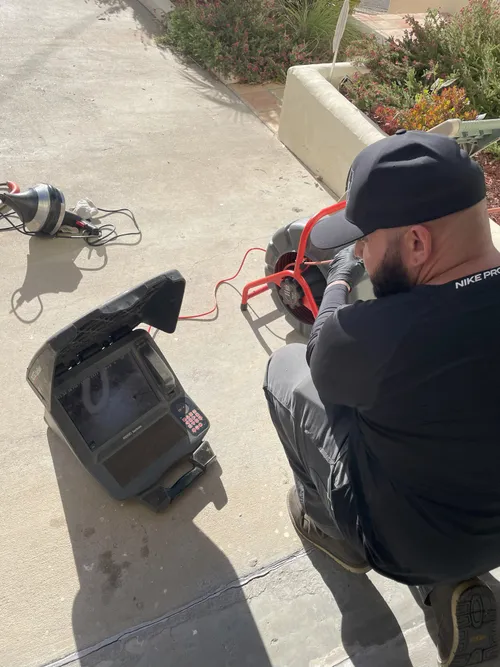
Conejo Bros Plumbing is a septic tank and plumbing service provider based in Oxnard, CA. They offer a wide range of services including septic tank inspection, pumping, repair, and replacement, as well as sewer mainline inspection and trenchless sewer and drain repair. Their capabilities include advanced trenchless pipe relining techniques that allow for pipe repairs without extensive digging, preserving property landscapes. Serving both residential and commercial clients throughout Ventura County and Conejo Valley, Conejo Bros Plumbing also provides 24/7 support for clearing blockages and other urgent plumbing needs.
Shiloh Underground Construction and Septic System Services
Oxnard, CA
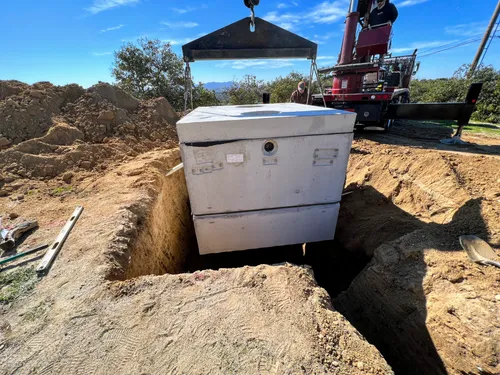
Shiloh Underground Construction and Septic System Services is based in Oxnard, CA, providing septic system repair, installation, and drain field services. They serve nearby areas including Somis, Moonpark, Santa Paula, Fillmore, and Simi Valley. The company handles emergency septic issues and offers services such as seepage pit drilling, soil engineering reports, and both traffic-rated and non-traffic-rated septic tanks. Shiloh Underground Construction operates 24/7 to assist customers whenever urgent septic needs arise.
Understanding Drain Field Failure in Ventura
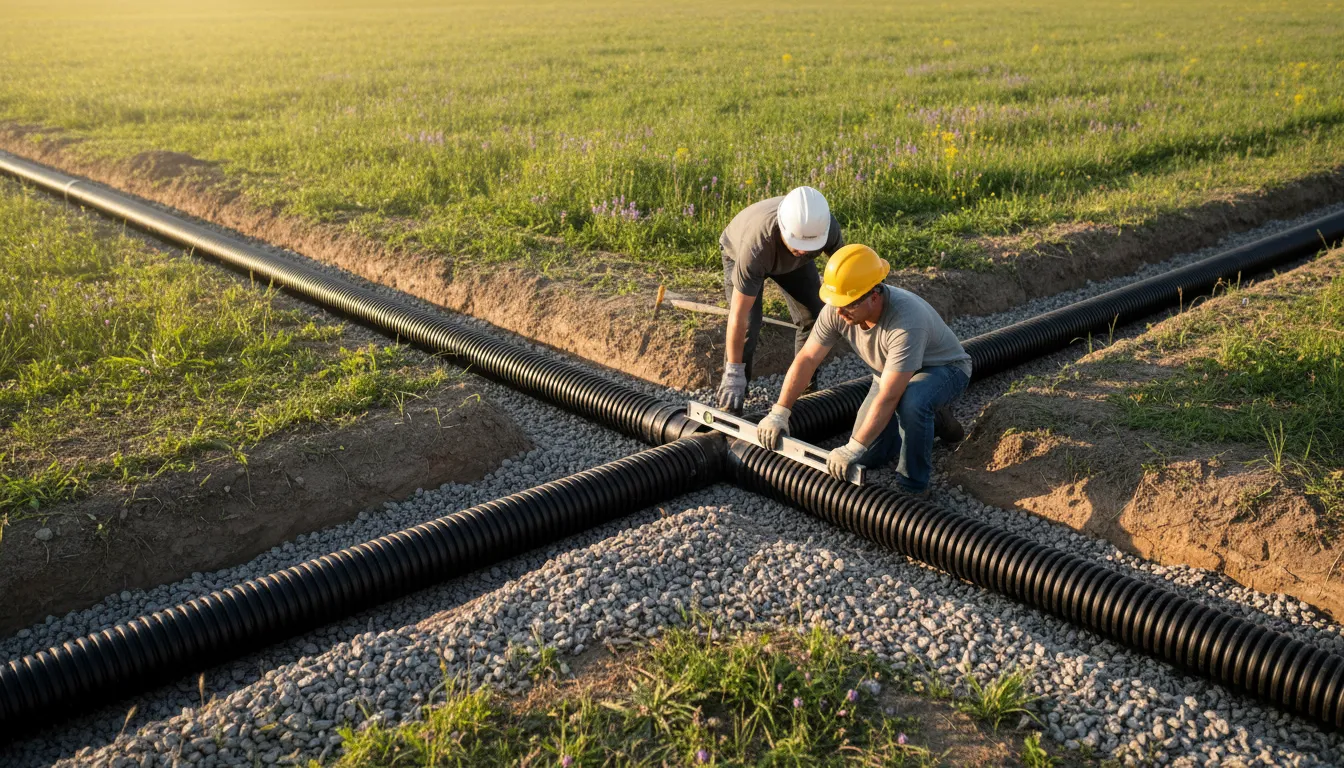
The drain field is a network of perforated pipes buried in trenches filled with gravel. After solids settle in the septic tank, liquid effluent flows into these pipes and slowly seeps into the surrounding soil, which provides final treatment. Failure occurs when the soil can no longer absorb the effluent, causing it to surface or back up into the home.
Common signs of a failing absorption field include:
- Sewage odors in the yard, especially near the drain field area.
- Spongy, soggy, or standing water over the leach lines, even in dry weather.
- Unusually green, lush grass specifically over the drain field.
- Slow drains or sewage backups in the house.
- Gurgling sounds in the plumbing system.
In Ventura County, a professional inspection is the critical first step to confirm failure and determine the cause, which guides the repair strategy.
Ventura County Regulations and Permit Requirements
Any repair, replacement, or modification to an Onsite Wastewater Treatment System (OWTS)-which includes the septic tank and drain field-requires a permit from the Ventura County Resource Management Agency (RMA) Environmental Health Division. A key regulation is that repaired systems must be brought into closer compliance with current code standards, which may involve more than a simple like-for-like replacement 1.
The permit process is designed to protect public health and groundwater. Key steps typically include:
- Professional Site Evaluation: A qualified septic professional or engineer must assess the existing system. This is often mandatory for systems over 15 years old or if no as-built plans exist.
- Permit Application Submission: You or your contractor must submit an application with a detailed site plan showing the property, existing system components, and the proposed repair or replacement 2.
- Plan Review and Approval: The Environmental Health Division reviews the submitted plans for compliance with county and state regulations.
- Construction Inspection: County inspectors must be called to inspect the work at specific stages during construction before components are covered.
Critical Site and Soil Factors for Repairs
Ventura's diverse geography, from coastal plains to hillsides, presents unique challenges for septic systems. County regulations set strict standards that directly impact repair feasibility and design.
- Soil Percolation Rate: The soil's ability to absorb water is measured in minutes per inch. For a conventional system, Ventura County typically requires a percolation rate between 1 and 12 inches per hour. Soils that drain too slowly or too quickly may require an alternative system design.
- Groundwater Separation: There must be a minimum vertical separation-typically 5 feet-between the bottom of the drain field trench and the highest seasonal groundwater level. This prevents contamination 3.
- Slope Considerations: Properties with slopes exceeding 30% face additional hurdles. A geotechnical report from a qualified engineer or geologist is usually required, and the system design must be specially engineered to prevent effluent from surfacing downhill.
- Setbacks and Expansion Area: Drain fields must be set back specific distances from property lines, buildings, wells (often 100 feet), and water bodies. Furthermore, for new or replacement systems, a 100% expansion area-an undisturbed space equal in size to the new drain field-must be reserved on the property for potential future repairs 4 5 6.
Find the perfect drain field repair companies for your needs
Get personalized recommendations and expert advice
The Repair and Replacement Process
Once a failing leach field is confirmed, the path forward involves careful planning and adherence to county protocol.
1. Diagnosis and Design: A licensed contractor will perform a thorough inspection, often including a soil evaluation. Based on the findings and site constraints, they will recommend a solution. For many repairs, especially those involving seepage pits or challenging sites, the county requires engineered plans prepared by a registered soils engineer or geologist 7.
2. Solution Options:
- Partial Repair: If only a section of the field is failed, it may be possible to repair or replace just that portion, though it must still meet current code.
- Complete Replacement: This involves installing a entirely new leach field in a new location on your property, assuming the site evaluation supports it.
- Alternative Systems: For sites with poor soil, high groundwater, or limited space, alternative technologies like chambered systems, mound systems, or aerobic treatment units (ATUs) may be necessary. These are more complex and costly but can make a failing lot buildable or repairable 8.
3. Implementation: After permit approval, your contractor will schedule the work. This involves excavating the old field (if being replaced), installing new distribution lines and gravel, and connecting to the existing septic tank. All work must be inspected by the county before the trenches are backfilled 9.
Understanding Costs for Drain Field Work
The cost for drain field repair or replacement in Ventura varies widely based on system size, soil conditions, and the chosen technology. Typical costs for a conventional drain field replacement in California range from $5,000 to over $12,000 10.
- Conventional Trench System: This is often the baseline cost, falling within the range above.
- Chambered Systems: These gravelless systems can average around $8,500 for installation.
- Mound or Advanced Systems: For the most challenging sites, engineered mound systems or other advanced alternatives can exceed $15,000 11.
- Additional Costs: Remember to budget for separate engineering fees for soil reports and system design, as well as the county permit fees 12.
Disclaimer: All costs and regulations are subject to change. Always consult with a licensed septic contractor and the Ventura County Environmental Health Division for precise, site-specific guidance.
Maintaining Your New or Repaired System
Protecting your investment is crucial. Proper maintenance includes:
- Regular Pumping: Have the septic tank pumped every 3-5 years by a licensed professional to prevent solids from clogging the drain field.
- Water Conservation: Spread out laundry loads, fix leaks, and use water-efficient fixtures to avoid hydraulically overloading the system.
- Mind What You Flush: Only human waste and toilet paper should go down the drain. Avoid chemicals, grease, wipes, and feminine hygiene products.
- Protect the Area: Never drive or park vehicles over the drain field, and avoid planting trees with deep roots nearby.
Frequently asked questions
Sources
Footnotes
-
FAQ: SEPTIC SYSTEMS AND FIRE REBUILDS | County of Ventura - https://rmadocs.venturacounty.gov/environmental-health/programs/liquid-waste/publications/environmental-health-septic-and-fire-rebuilds-frequently-asked-questions.pdf ↩
-
Septic Systems / Wastewater Disposal - https://rma.venturacounty.gov/divisions/environmental-health/septic-systems-wastewater-disposal/ ↩
-
The Californian's Guide To Septic Tanks - https://cacciaplumbing.com/blog/california-septic-tank-guide/ ↩
-
FOR ONSITE WASTEWATER TREATMENT SYSTEMS - https://rma.venturacounty.gov/wp-content/uploads/2024/07/environmental-health-onsite-wastewater-treatment-systems.pdf ↩
-
Septic Tank Drain Field Layout 101: A Complete Guide - Land Perc - https://landperc.com/septic-tank-drain-field-layout/ ↩
-
City of Malibu, CA: REGULATION OF ONSITE WASTEWATER TREATMENT SYSTEMS - https://ecode360.com/44335905 ↩
-
onsite-wastewater-treatment-system-requirements-procedures. ... - http://www.publichealth.lacounty.gov/eh/docs/permit/onsite-wastewater-treatment-system-requirements-procedures.pdf ↩
-
New Onsite Wastewater Treatment Systems Design - https://rma.venturacounty.gov/divisions/environmental-health/new-onsite-wastewater-treatment-systems-design/ ↩
-
OWTS Construction and Repair - https://rma.venturacounty.gov/divisions/environmental-health/onsite-wastewater-treatment-system-construction-and-repair/ ↩
-
Cost to Replace Septic Tank and Drain Field [2026 Data] | Angi - https://www.angi.com/articles/how-much-new-drain-fields-foot.htm ↩
-
Septic Tank Replacement and Drain Field Cost in California - https://www.lanikseptic.com/how-much-does-it-cost-to-replace-a-septic-tank-and-drain-field-in-california/ ↩
-
- City of Ventura onsite sewage treatment and disposal system ... - https://www.cityofventura.ca.gov/DocumentCenter/View/442/On-site-Sewage-Treatment-and-Disposal-System-Requirements-septic-systems-PDF