
Find the Best Drain Field Repair Companies for Your Business
No obligation • Fast responses • Nationwide coverage

Why you can trust Septic Spot
Septic Spot is a leading United States resource for understanding and comparing septic services. Our editors review providers using consistent criteria and verify key business details. Listings and scores are independent, and companies cannot pay to influence our content.
Search providers near you
Top Drain Field Repair Companies in West Covina, California Ranked
A failing drain field, also known as a leach field or absorption field, is a serious issue for any home with a septic system. It's the final and most critical stage where treated wastewater is dispersed into the soil. When it fails, it can lead to sewage backups, foul odors, and environmental contamination. For West Covina homeowners, navigating drain field issues means understanding local soil challenges and strict regulations. This guide helps you identify problems, understand the repair and replacement process, and connect with qualified local professionals who specialize in these complex projects.
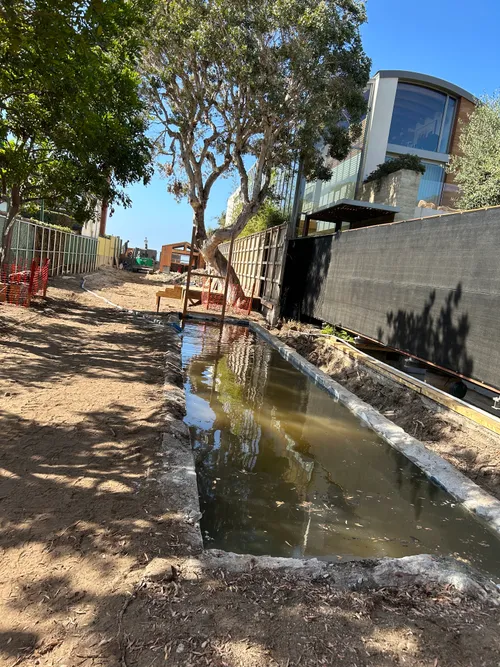
Understanding Your Septic Drain Field
The drain field is a network of perforated pipes buried in trenches filled with gravel or other aggregate. After solids settle in the septic tank, the liquid effluent flows into this field, where it slowly percolates through the soil. The soil acts as a final filter, removing harmful bacteria, viruses, and nutrients before the water rejoins the groundwater table. A properly functioning drain field is essential for protecting public health and the local environment.
In West Covina and across Southern California, several factors can lead to drain field failure. The most common causes include:
- Soil Compaction: Heavy vehicles or structures built over the field can crush pipes and compact the soil, destroying its ability to absorb water.
- Biomat Buildup: A thick layer of organic sludge can form at the soil interface, clogging pores and preventing drainage.
- Root Intrusion: Trees and large shrubs seeking moisture can crack and block drain pipes.
- System Age and Overuse: Older systems or those servicing more people than originally designed for can simply wear out.
Recognizing the Signs of Drain Field Failure
Catching problems early can mean the difference between a relatively simple repair and a costly full replacement. Be alert for these warning signs:
- Sewage Odors around the yard, especially near the drain field area.
- Slow Drains and gurgling plumbing fixtures throughout the home.
- Standing Water or Soggy, Spongy Ground over the drain field, even in dry weather.
- Unusually Green, Lush Grass specifically over the drain field lines.
- Sewage Backups into home drains.
If you notice any of these symptoms, it's crucial to contact a septic professional immediately to assess the situation before it worsens.
West Covina's Regulatory Landscape
All septic system repair or replacement work in West Covina falls under the jurisdiction of the Los Angeles County Department of Public Health, Environmental Health Division. California's statewide Onsite Wastewater Treatment System (OWTS) policy provides the regulatory framework, setting strict standards for system design, installation, and repair to protect groundwater quality.
Key regulations affecting drain field work include:
- Permits are Mandatory: A permit from LA County Environmental Health is required for any repair or replacement of a drain field. Working without a permit can result in significant fines and legal complications 1.
- Setback Requirements: The OWTS policy mandates minimum distances (setbacks) between the drain field and features like property lines, wells, streams, and structures. Your new system must comply with current standards, which may be stricter than when your original system was installed 2.
- Engineered Plans: For many repairs and all replacements, especially on challenging sites, you will need engineered plans stamped by a qualified professional to submit with your permit application.
Find the perfect drain field repair companies for your needs
Get personalized recommendations and expert advice
The Repair and Replacement Process
Addressing a drain field issue is a multi-step process that requires professional expertise from start to finish.
- Professional Inspection & Diagnosis: A licensed septic contractor will perform a thorough inspection, often using a camera to scope lines, to determine the exact cause and extent of the failure. They will locate all system components and assess the soil conditions 3.
- Soil Evaluation (Percolation Test): A critical step. A certified soil evaluator conducts a percolation ("perc") test to measure the soil's absorption rate. This test determines the size and type of drain field required for your property. In areas with clay or poor drainage, the results may necessitate a larger system or alternative technology.
- Design & Permitting: Based on the diagnosis and soil test, your contractor or a septic engineer will design a solution. This design, along with the permit application, is submitted to LA County Environmental Health for approval 4.
- Excavation & Installation: Once permitted, the repair or replacement begins. This involves excavating the old field (if replacing), preparing the soil, and installing new distribution lines, chambers, or other advanced materials. For repairs, only the affected section may be addressed 5.
- Final Inspection: After installation, a county inspector must visit the site to approve the work before the trenches are backfilled. This ensures the system is installed according to the permitted plans and code 6.
Cost Factors for Drain Field Work in West Covina
The cost of drain field work varies widely based on the scope of the problem, soil conditions, and system size. The figures below are estimates based on regional data 7 8.
- Minor Repairs: Fixing a single clogged line or a small section may cost between $250 and $600.
- Partial Drain Field Replacement: Replacing a significant portion of the field can range from $1,500 to $3,000.
- Full Drain Field Replacement: This is the most common solution for complete failure. A standard replacement typically costs between $4,000 and $8,000.
- Complex System Replacement: For properties with difficult soil (heavy clay), high groundwater, steep slopes (over 20%), or space constraints requiring an engineered alternative system, costs can easily exceed $10,000.
- Soil Percolation Test: This essential test can cost from $300 for a basic evaluation to $3,000 or more for a complex site requiring extensive analysis and reporting 9.
The largest cost drivers are often the soil conditions and the need for an engineered system. West Covina's varied topography and soil types mean a one-size-fits-all price does not exist 10.
Solutions for Challenging Sites
Not every property has ideal, well-draining soil. Fortunately, several technologies can overcome site limitations:
- Gravel-Less Chamber Systems: These plastic arches create a void space for effluent and can be used in areas with higher groundwater or where gravel is expensive.
- Sand Filter Systems: A bed of sand provides advanced treatment for effluent before it reaches the native soil, ideal for sites with poor percolation.
- Drip Irrigation Systems: These systems slowly disperse effluent over a larger, shallower area, useful for properties with shallow bedrock or space constraints.
- Mound Systems: An elevated drain field built with imported sand is used when the native soil is too shallow or the water table is too high 11.
Your septic professional will recommend the most effective and cost-efficient solution for your specific property constraints.
Choosing a Qualified Professional
Given the regulatory and technical complexity, selecting the right contractor is paramount. Look for a licensed, local professional with specific experience in:
- LA County Permitting: They should be familiar with the local inspectors and the nuances of the county's application process.
- Soil Challenges: Ask about their experience with clay soils and sloping lots common in the area.
- Alternative Systems: Ensure they have installed the type of system your property may require.
- References & Insurance: Always check references and verify they carry adequate liability and workers' compensation insurance.
A reputable contractor will handle the entire process-diagnosis, soil testing, design, permitting, installation, and final inspection-providing you with a single point of responsibility.
Frequently asked questions
Sources
Footnotes
-
Southern California Septic System Regulations: What You Need to ... - https://www.lanikseptic.com/socal-septic-regulations/ ↩
-
Inyo County, CA ONSITE WASTEWATER TREATMENT SYSTEMS - https://ecode360.com/44462006 ↩
-
Septic Field Repair Services in Covina, CA - https://covinaseptic.com/get-septic-field-repair ↩
-
California Septic Tank Requirements | Onsite Wastewater ... - https://www.ntotank.com/blog/california-septic-tank-requirements ↩
-
Septic Tank Replacement and Drain Field Cost in California - https://www.lanikseptic.com/how-much-does-it-cost-to-replace-a-septic-tank-and-drain-field-in-california/ ↩
-
Septic System Design and Installation in West Covina, CA | SewerMan - https://sewerman.com/west-covina-ca/services/septic-system-services/ ↩
-
Get Drain Field Replacement in Covina, CA - https://covinaseptic.com/get-drain-field-replacement ↩
-
Cost of Septic in Covina, CA - https://covinaseptic.com/cost-of-septic-in-covina-ca ↩
-
How Much Does a Septic Soil Test Cost in 2026? - Land Perc - https://landperc.com/septic-soil-test-cost/ ↩
-
How Much Does Septic System Repair Really Cost in California - https://www.lanikseptic.com/septic-repair-cost/ ↩
-
The Californian's Guide To Septic Tanks - https://cacciaplumbing.com/blog/california-septic-tank-guide/ ↩