Find the Best Drain Field Repair Companies for Your Business
No obligation • Fast responses • Nationwide coverage

Why you can trust Septic Spot
Septic Spot is a leading United States resource for understanding and comparing septic services. Our editors review providers using consistent criteria and verify key business details. Listings and scores are independent, and companies cannot pay to influence our content.
Search providers near you
Top Drain Field Repair Companies in Whittier, California Ranked
A failing septic system drain field can lead to serious property damage and health hazards. Drain field repair or replacement is a critical service for homeowners in Whittier to restore their property's wastewater treatment function and ensure compliance with local health codes. This guide explains the process, regulations, and costs for leach field work in Whittier, helping you understand what to expect and how to connect with qualified local professionals for an assessment.
Septic Tank Pumping Guys
6360 Van Nuys Blvd ste 113, Van Nuys, CA 91401
Septic Tank Pumping Guys provides a full range of septic services in Los Angeles, CA, including pumping, inspections, repairs, and installations for residential and commercial properties. They offer 24/7 emergency septic services and specialize in maintaining system health through regular pump-outs, cleaning, and drain field repairs. Their capabilities include septic tank installation, effluent filter replacement, and grease trap pumping. The company is family owned and operated, serving multiple communities within Los Angeles County.
Septic Tank Pumping USA
1367 Foothill Blvd, La Cañada Flintridge, CA 91011
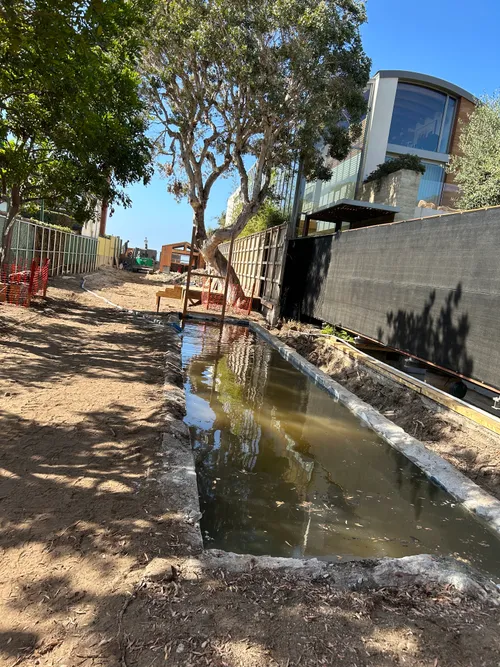
Septic Tank Pumping USA provides septic tank pumping, inspection, and repair services in Los Angeles, CA. They handle routine maintenance and emergency repairs, including drain field repair or replacement. The company emphasizes regular pumping every 3-5 years to prevent system failures and environmental risks. They also offer thorough inspections to assess tank and drain field conditions. Septic Tank Pumping USA serves the local area with expertise in managing septic system health and compliance with local regulations.
Understanding Your Drain Field in Whittier
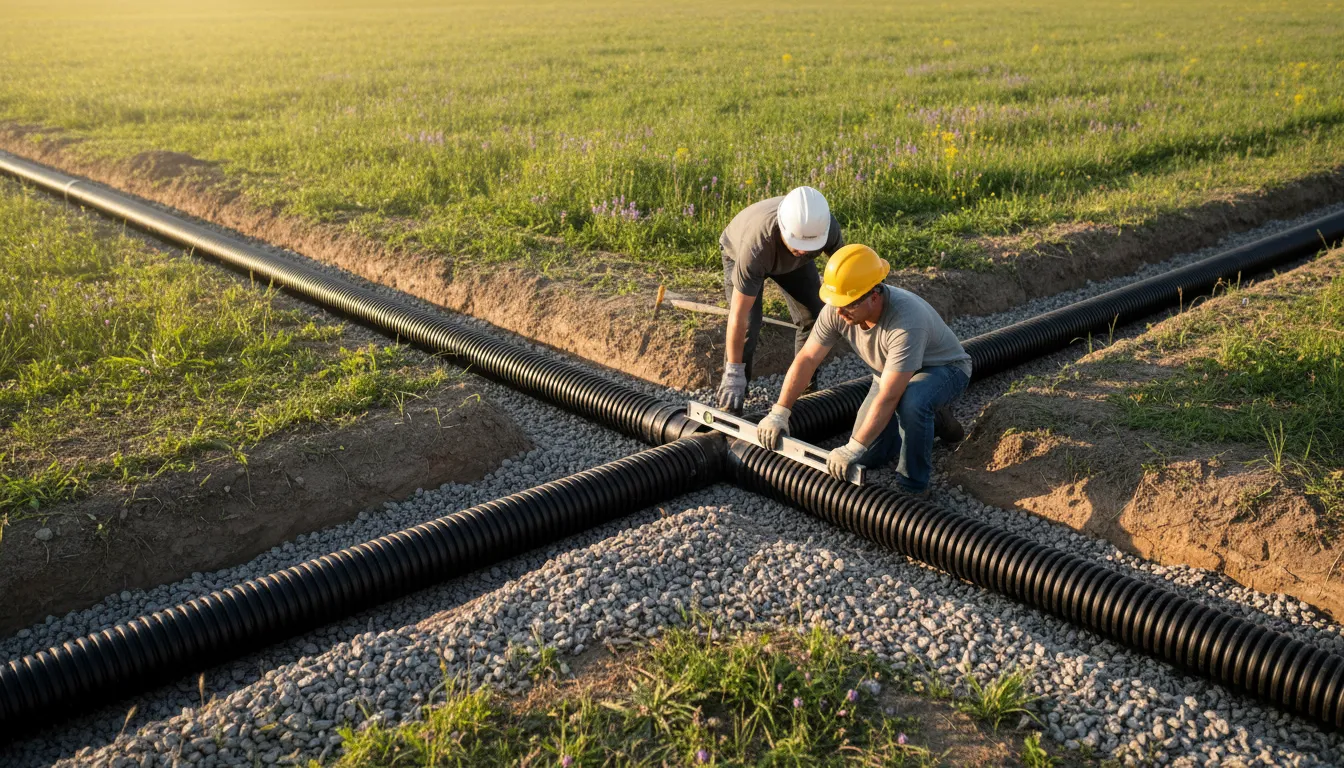
The drain field, also known as a leach field or absorption field, is the final and most crucial stage of your onsite wastewater treatment system (OWTS). After solids settle in the septic tank, liquid effluent flows into a network of perforated pipes buried in trenches filled with gravel. This effluent slowly percolates into the soil, where natural processes provide final treatment. When this area fails, untreated wastewater can surface, creating soggy patches, foul odors, and environmental contamination.
In Whittier, all septic systems, including their drain fields, are regulated by the Los Angeles County Department of Public Health, as the city operates under county guidelines 1 2. The local climate and varied soil conditions in the area mean that system performance and failure rates can differ significantly from one property to another. Recognizing early signs of trouble is key to managing repair costs and avoiding emergency situations.
Signs Your Leach Field Needs Attention
Ignoring problems with your septic system's absorption area won't make them go away. Here are the most common indicators that your drain field may be failing and requires professional evaluation:
- Soggy Ground or Surfacing Effluent: The most direct sign is standing water or persistently soggy soil over the drain field area, especially when it hasn't rained.
- Foul Odors: Unpleasant sewage smells emanating from your yard, particularly near the drain field, are a strong warning.
- Slow Drains and Backups: Chronically slow drains, gurgling plumbing fixtures, or sewage backups in the home can point to a saturated drain field that is no longer accepting water.
- Unusually Lush Grass: While it might look healthy, a patch of grass over the drain field that is noticeably greener and grows faster than the rest of the lawn often indicates it's being fertilized by nutrient-rich, untreated effluent.
- Failed Inspection: A mandatory point-of-sale or permit inspection by a licensed professional that identifies a failure in the soil absorption system 3.
The Whittier Regulatory Landscape: Permits and Requirements
Before any shovel hits the ground for drain field work, you must navigate Los Angeles County's permitting process. The regulations are designed to protect public health and groundwater.
- Permit Requirement: All repairs or replacements of a septic system component, including the leach field, require a permit from the Los Angeles County Department of Public Health. An unpermitted repair can lead to fines and complications when selling your home.
- The 200-Foot Rule: A critical regulation in LA County states that if a public sewer line is located within 200 linear feet of your property line, you will not be issued a permit for septic system repairs upon failure. Instead, you will be required to abandon the septic system and connect to the public sewer. This is often a major consideration for Whittier homeowners.
- System Evaluation: If your system is over 15 years old, has no record of prior county approval, or if you are adding bedrooms to your home, a professional evaluation by a Class A, C-36, or C-42 licensed contractor is required 4 5.
- Replacement Area: Current code mandates that any new or replacement system must have a designated 100% replacement area-a space reserved for installing a second leach field if the first one fails in the future.
The Professional Inspection and Diagnosis Process
A proper diagnosis is the first step toward a solution. A qualified septic professional will follow a systematic process to determine the exact cause and extent of your drain field problems 6 7.
- Locate and Uncover: The technician will locate your septic tank and drain field, then clear soil to access the tank lid and inspection ports.
- Tank Evaluation: They will pump the tank (if needed for inspection) to check sludge and scum levels and inspect the inlet and outlet baffles for damage, which can contribute to drain field failure.
- Hydraulic Load Test: Water is run into the system to simulate daily use and see if the drain field can accept the flow without surfacing 8.
- Field Investigation: The area over the drain field is examined for visual signs of failure (sogginess, odors). In some cases, a soil probe or test pit may be used to assess saturation levels and check for root intrusion from nearby trees.
- Written Report: A reputable professional will provide a detailed written report of their findings, which is necessary for obtaining a repair permit from the county 9.
Find the perfect drain field repair companies for your needs
Get personalized recommendations and expert advice
Key Factors Influencing Drain Field Repair and Replacement
Several site-specific factors will determine whether a repair is possible or a full replacement is necessary, and they heavily influence the project's complexity and cost.
- Soil Percolation Rate: The soil's ability to absorb water is paramount. LA County regulations require a percolation rate between 1 and 12 inches per hour for a conventional system 10. Poor percolation may require an advanced treatment system.
- Groundwater Level: There must be a minimum of 5 feet of vertical separation between the bottom of the drain field trenches and the seasonal high groundwater table 11. A high water table is a common cause of failure in some areas.
- Slope and Stability: Properties with slopes over 20% may require a geotechnical report to ensure system stability 12.
- Setbacks and Space: Systems must be set back from property lines, wells, structures, and waterways. The requirement for a 100% replacement area also means you must have sufficient usable space on your property 13 14.
- Root Intrusion: Tree and shrub roots can infiltrate and clog drain field pipes, a common issue that may require pipe repair or replacement and root removal.
Understanding the Costs Involved
Costs for drain field work in Whittier vary widely based on the factors above. The following are general price ranges, but always get multiple detailed quotes from licensed contractors.
- Inspection and Pumping: A standard inspection can cost between $300 and $900, while pumping the tank typically costs $150 to $250 15.
- Minor Repairs: Addressing issues like a damaged baffle or a small section of pipe may range from $300 to $900 16.
- Drain Field Pipe Repair/Replacement: Repairing or replacing the network of perforated pipes in the leach field can cost between $1,200 and $4,000, depending on accessibility and extent.
- Complete Drain Field Replacement: This is the most significant expense. Installing a new leach field in Whittier typically costs between $5,000 and $15,000. The final price depends on soil conditions, the size of the field needed for your home, engineering requirements, and county permit fees.
- Total System Replacement: If the tank also needs replacement, total costs often range from $6,000 to $10,000 or more 17.
Disclaimer: These are estimated ranges. The only way to get an accurate cost is through a site evaluation and quote from a licensed septic contractor, who can account for Whittier's specific permit requirements and your property's unique challenges.
Maintaining a Healthy System Post-Repair
Once your drain field is repaired or replaced, proper maintenance is essential to protect your investment.
- Regular Pumping: Have your septic tank pumped every 3-5 years by a professional to prevent solids from escaping into the drain field.
- Water Conservation: Spread out laundry loads, fix leaks, and use water-efficient fixtures to avoid hydraulically overloading the system.
- Mind What You Flush: Only human waste and toilet paper should go down the drain. Avoid chemicals, grease, wipes (even "flushable" ones), and feminine hygiene products 18.
- Protect the Area: Never drive or park vehicles over the drain field, and avoid planting trees or deep-rooted shrubs nearby.
Frequently asked questions
Sources
Footnotes
-
NEW ORDINANCE ADOPTED - Local Agency Management Program - http://publichealth.lacounty.gov/eh/docs/about/ordinance-adopted-local-agency-management-program.pdf ↩
-
Onsite Wastewater Treatment System in Los Angeles County - http://www.publichealth.lacounty.gov/eh/business/septic-systems.htm ↩
-
Point of Sale Septic Inspections: What to Expect - https://westcoastsanitationinc.com/point-of-sale-septic-inspections-what-to-expect/ ↩
-
homeowners-guide-eh-review-septic-system. ... - http://www.publichealth.lacounty.gov/eh/docs/business/homeowners-guide-eh-review-septic-system.pdf ↩
-
Rebuilding a Home with an Existing Septic System - https://recovery.lacounty.gov/rebuilding/septic-systems/ ↩
-
Preparing for Septic Tank Inspection: 7 Key Steps - https://septic911.com/preparing-for-septic-tank-inspection/ ↩
-
A Guide to Septic Inspection - https://curtisplumbing.net/tucson-septic-service/a-guide-to-septic-inspection/ ↩
-
Septic Inspections - https://www.wrenvironmental.com/residential/septic-inspections/ ↩
-
Septic Inspection Process: What Homeowners Should Know ... - https://www.lunspro.com/vlog/the-septic-system-inspection-process-what-homeowners-should-know ↩
-
Percolation Test for Septic Systems | PDF | Septic Tank | Drainage - https://www.scribd.com/document/214135383/Percolation-Test ↩
-
The Californian's Guide To Septic Tanks - https://cacciaplumbing.com/blog/california-septic-tank-guide/ ↩
-
On-Site Sewage Guidelines - OC Development Services - https://ocds.ocpublicworks.com/sites/ocpwocds/files/2021-06/On-Site%20Sewage%20Guidelines.pdf ↩
-
California Septic Tank Requirements | Onsite Wastewater ... - https://www.ntotank.com/blog/california-septic-tank-requirements ↩
-
private sewage disposal systems - https://www.waterboards.ca.gov/water_issues/programs/owts/docs/appdxk_ch7ta1401.pdf ↩
-
Maintaining your Septic System A Guide for Homeowners - https://www.ihs.gov/california/tasks/sites/default/assets/File/SFC-MaintainingYourSepticSystemGuide.pdf ↩
-
How Much Does Septic System Repair Really Cost in California - https://www.lanikseptic.com/septic-repair-cost/ ↩
-
Septic Tank Replacement and Drain Field Cost in California - https://www.lanikseptic.com/how-much-does-it-cost-to-replace-a-septic-tank-and-drain-field-in-california/ ↩
-
Septic System DO's and DONT's - https://www.ihs.gov/california/index.cfm/offices/oehe/dsfc/water-san/maintaining-your-septic-system-guide/septic-system-do-s-and-dont-s/ ↩