Find the Best Drain Field Repair Companies for Your Business
No obligation • Fast responses • Nationwide coverage

Why you can trust Septic Spot
Septic Spot is a leading United States resource for understanding and comparing septic services. Our editors review providers using consistent criteria and verify key business details. Listings and scores are independent, and companies cannot pay to influence our content.
Search providers near you
Top Drain Field Repair Companies in Yucaipa, California Ranked
A failing drain field is a serious issue that can lead to sewage backups, foul odors, and environmental contamination. Drain field repair or replacement involves restoring the critical underground area where wastewater from your septic tank is filtered back into the soil. This guide explains the local process, regulations, and costs for Yucaipa homeowners, helping you understand what to expect and how to connect with qualified local professionals for your system evaluation.
Foureverfresh Septic & Sewer Solutions
Los Angeles, CA
Foureverfresh Septic & Sewer Solutions provides a range of septic system services in Los Angeles, CA. Their offerings include septic tank pumping, inspections, repairs, installations, and sewer line repairs. They use advanced diagnostic tools like video inspections and leak detection to address issues such as tree root intrusion and blockages efficiently. With over 20 years of experience, the company emphasizes eco-friendly practices and customer satisfaction in their work.
Gardner Septic Services
Los Angeles, CA
Gardner Septic Services is a family-owned company based in Los Angeles, CA, specializing in septic system design, installation, pumping, repairs, inspections, and certifications. Serving the Inland Empire area including Riverside, Moreno Valley, Woodcrest, Yucaipa, Redlands, and nearby communities, they handle projects ranging from small repairs to complete septic system installations. With over 20 years of experience and licensed as a C-42 sanitation systems contractor, Gardner Septic Services offers comprehensive septic solutions including septic tank locating, riser and lid installations, and drain field repairs. They provide 24/7 emergency septic services to address urgent needs at any time.
Wright Septic Tank Services
511 N Dillon Ave, San Jacinto, CA 92582
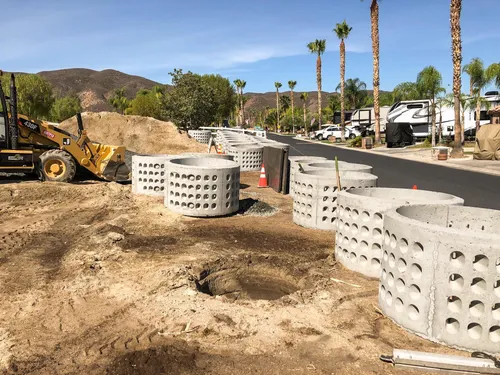
Wright Septic Tank Services is a licensed C42 and C36 contractor based in Los Angeles, CA, offering residential and commercial septic system solutions. Their services include septic tank pumping, repairs, maintenance, installation of new septic systems and leach lines, camera inspections, and electronic tank locating. With over 55 years of experience, Wright Septic uses advanced technology such as waterproof cameras and electronic locating devices to diagnose and address septic system issues effectively.
Señor Septic Construction & Pumping
Los Angeles, CA
Señor Septic Construction & Pumping is a family-owned septic system contractor serving Los Angeles, CA, and surrounding areas including San Bernardino and Riverside counties. With over 23 years of experience, they provide septic tank pumping, inspection, repair, installation, and drain field services. The company is licensed and follows local codes, offering services such as septic tank clean-outs using modern equipment, new system installations including tanks and drain fields, and aerobic wastewater treatment system installations. They also handle all necessary permits and health inspections. Señor Septic is available Monday through Friday with Saturday appointments by request.

Gardner Septic Service
12625 Frederick St, Moreno Valley, CA 92553
Gardner Septic Service is a family-owned septic system contractor based in Los Angeles, CA, serving Riverside, Moreno Valley, Woodcrest, Yucaipa, Redlands, and surrounding Inland Empire areas. The company offers a wide range of septic services including tank pumping, repairs, installations, inspections, certifications, and drain field repairs. With over 20 years of experience and licensed as a C-42 sanitation systems contractor, Gardner Septic Service specializes in septic system design and real estate septic certifications. They provide 24/7 emergency septic services to accommodate urgent needs.
Understanding Your Septic Drain Field
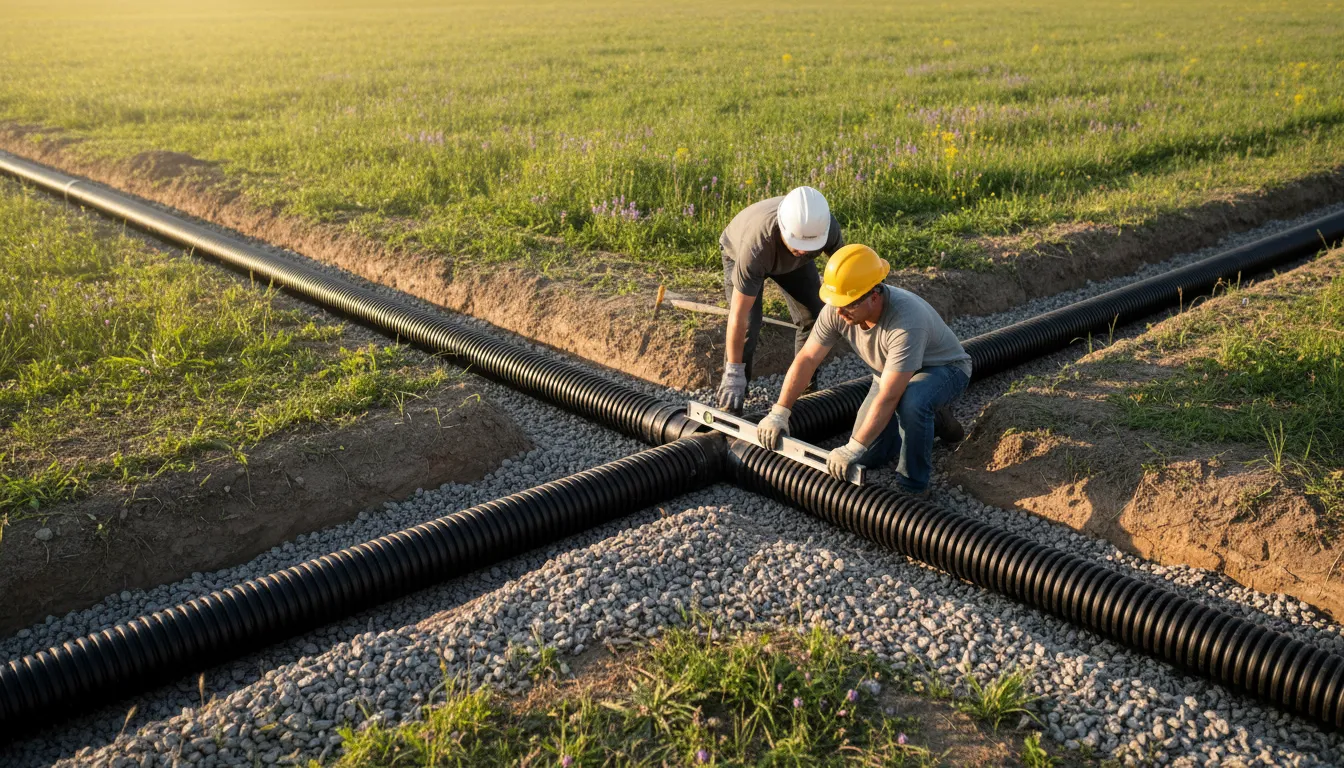
Often called a leach field or absorption field, the drain field is the final stage of your onsite wastewater treatment system. After solids settle in the septic tank, liquid effluent flows into a network of perforated pipes buried in trenches filled with gravel. This effluent slowly percolates down through the soil, where natural processes purify it before it reaches groundwater. When this area fails, it can no longer absorb liquid, causing system-wide problems.
Common signs of drain field failure include:
- Sewage odors in the yard, especially near the field area.
- Slow-draining toilets, sinks, and showers throughout the home.
- Spongy, soggy, or unusually green grass directly over the drain field.
- Surfacing sewage or effluent pooling on the ground.
If you notice these signs, it's crucial to act quickly. Continuing to use a failed system can create a health hazard and lead to more extensive, costly damage 1.
Yucaipa's Regulatory Landscape
All septic system work in Yucaipa is strictly regulated to protect public health and local water quality. The primary authority is the San Bernardino County Department of Environmental Health Services (DEHS), which enforces standards set by the California Regional Water Quality Control Board. Depending on your specific location, you may also need to coordinate with the Yucaipa Valley Water District.
A permit is mandatory for any drain field repair or replacement. The process is designed to ensure any new system is built to code and functions properly for years to come.
Key Local Requirements for Drain Field Work
Before a new leach field can be installed, several site-specific conditions must be met. These are not mere suggestions but enforceable regulations.
- Soil Percolation Test: A licensed professional must conduct a "perc test" to measure how quickly water drains through your soil. The results determine the size and type of system your property can support. Properties with dense clay soil or a high water table may fail a standard test and require an advanced treatment system.
- Setback Distances: State and local codes specify minimum distances the drain field must be from various features. These typically include distances from your home, property lines, wells, water lines, and any surface water. Adhering to these setbacks prevents contamination.
- Slope Limitations: The slope of the proposed drain field area generally cannot exceed 35%. For slopes over 20%, a geotechnical report is often required to ensure stability and proper function 2 3.
- Groundwater Separation: There must be a minimum vertical separation-typically at least 5 feet-between the bottom of the drain field trenches and the seasonal high groundwater table. This ensures adequate treatment before effluent reaches groundwater 4.
- Replacement Area: Regulations often require that a suitable area for a full 100% replacement field be identified on your property during the design phase. This ensures that if the new field fails in the future, there is a designated space for another system 5 6.
The Step-by-Step Process for Repair or Replacement
Navigating a drain field project involves a series of defined steps from diagnosis to final approval.
- Professional System Evaluation: The first step is a comprehensive inspection by a licensed septic professional. They will assess both the tank and the drain field to confirm the source of the problem. This often involves checking for hydraulic failure, inspecting the distribution box, and probing the field area 7.
- Site Evaluation & Soil Testing: If replacement is needed, the contractor will perform the necessary perc test and full site evaluation. They will map your property, note all setbacks, and determine the best location for the new absorption field 8.
- System Design & Permit Application: A licensed engineer or qualified professional designs the new system to meet all regulatory requirements based on the site evaluation. This design plan is then submitted to San Bernardino County DEHS (and potentially Yucaipa Valley Water District) for review and permit approval.
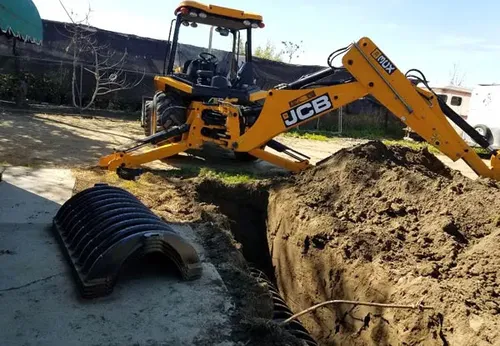
- Construction & Installation: Once the permit is issued, construction can begin. This involves excavating the old, failed field (if necessary) and installing the new network of pipes, gravel, and protective barrier fabric. All work must follow the approved design plans exactly.
- Final Inspection and Approval: Before the new drain field is covered with soil, a county inspector must visit the site to verify the installation matches the permitted plans and meets all code requirements. Only after this final inspection passes can the system be buried and put into use.
Find the perfect drain field repair companies for your needs
Get personalized recommendations and expert advice
Understanding the Costs Involved
The cost for drain field work in Yucaipa varies significantly based on the extent of the problem, soil conditions, and the size of the system needed. It's important to budget for both the construction and the necessary pre-construction professional services.
- Initial Diagnostic Services: A thorough septic tank pumping and inspection to diagnose issues typically costs between $190 and $890, with an average around $380 in the Yucaipa area 9.
- Minor Drain Field Repairs: Addressing a localized issue, such as replacing a clogged section of pipe or leveling a distribution box, may range from $1,000 to $5,000 10.
- Full Drain Field Replacement: This is a major project. For a complete leach field replacement, homeowners can expect costs between $5,000 and $15,000 11. The final price depends heavily on the soil type (difficult soils cost more), the size of the field required for your home, and accessibility.
- Additional Fees: Remember that the project total will also include fees for the soil percolation test, system design/engineering, and the county permit. These are usually separate line items from the construction quote.
Choosing the Right System for Your Property
While a conventional gravel trench system is common, not every Yucaipa property can support one. If your soil fails the standard perc test due to clay content, shallow bedrock, or a high water table, alternative systems may be required.
- Advanced Treatment Systems: These systems add a mechanical treatment step (like an aerobic treatment unit) to clean the effluent to a higher standard before it reaches the drain field, allowing it to be used in more challenging soils 12.
- Chamber Systems: These use plastic leaching chambers instead of gravel and pipe, which can provide more storage volume and be easier to install in some conditions.
- Low-Pressure Dose (LPD) Systems: These systems use a pump to distribute effluent evenly across the drain field in controlled doses, improving efficiency and extending the field's life, especially on sloping sites.
Your licensed professional will recommend the most compliant and cost-effective system type based on your site evaluation.
Maintenance to Extend Drain Field Life
A new drain field is a significant investment. Protecting it starts with proper care.
- Regular Tank Pumping: Pump your septic tank every 3-5 years to prevent solids from washing out and clogging the drain field.
- Water Conservation: Spread out water use and fix leaks. Overloading the system with too much water at once is a common cause of failure.
- Mind What You Flush: Only human waste and toilet paper should go down the drain. Avoid chemicals, grease, wipes (even "flushable" ones), and other non-biodegradables.
- Protect the Area: Never drive or park vehicles over the drain field, and avoid planting trees with deep roots nearby.
Frequently asked questions
Sources
Footnotes
-
The Ultimate Guide to Replacing a Septic Drain Field - https://www.rciseptic.com/the-ultimate-guide-to-replacing-a-septic-drain-field ↩
-
res_79-5.pdf - California State Water Resources Control Board - https://www.waterboards.ca.gov/rwqcb2/water_issues/programs/planningtmdls/basinplan/web/res/res_79-5.pdf ↩
-
- Residential Dwellings Permit - Plan Review Checklist.pdf - https://yucaipa.gov/wp-content/uploads/building_safety/All%20Forms%20and%20Handouts/1.%20Residential%20Dwellings%20Permit%20-%20Plan%20Review%20Checklist.pdf
-
California Septic Tank Requirements | Onsite Wastewater ... - https://www.ntotank.com/blog/california-septic-tank-requirements ↩
-
SECTION I INTRODUCTION AND PLAN APPROVAL PROCESS - https://cms9files1.revize.com/yucaipavwd/Services/Engineering/DESIGN%20MANUAL%20AND%20CONSTRUCTION%20GUIDELINES/081212section01.pdf ↩
-
Southern California Septic System Regulations: What You Need to ... - https://www.lanikseptic.com/socal-septic-regulations/ ↩
-
Septic System Design BC - https://www.youtube.com/watch?v=qs7u1R-sx0g ↩
-
The Californian's Guide To Septic Tanks - https://cacciaplumbing.com/blog/california-septic-tank-guide/ ↩
-
Septic Pumping in Yucaipa, CA - Costs 02 / 2026 - Homeyou - https://www.homeyou.com/ca/septic-pumping-yucaipa-costs ↩
-
How Much Does A Septic System Cost? - https://uniquedrainseptic.com/blogs/resources/how-much-does-a-septic-system-cost ↩
-
How Much Does Septic System Repair Really Cost in California - https://www.lanikseptic.com/septic-repair-cost/ ↩
-
What is the best septic system if your land fails a perc test? - https://www.premiertechaqua.com/en-us/blog/best-septic-system-failed-perc-test ↩