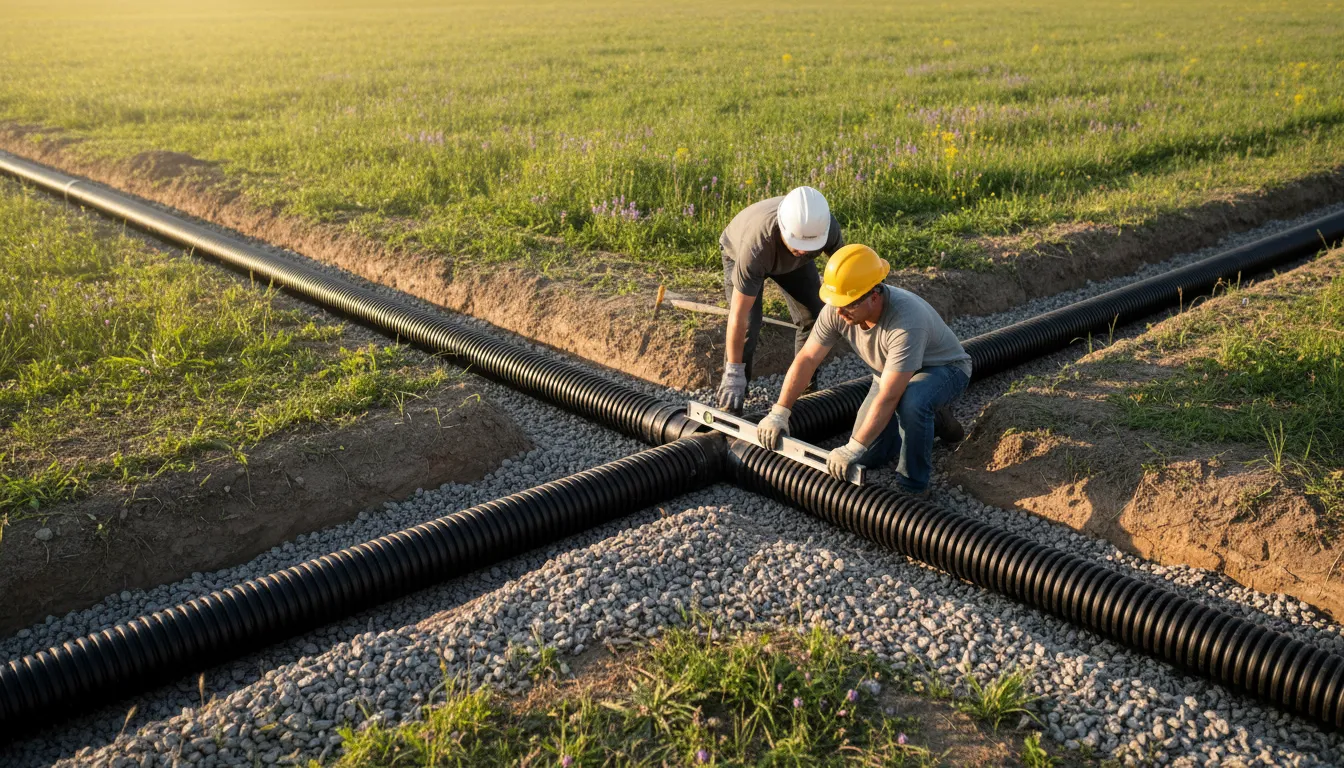
Find the Best Drain Field Repair Companies for Your Business
No obligation • Fast responses • Nationwide coverage

Why you can trust Septic Spot
Septic Spot is a leading United States resource for understanding and comparing septic services. Our editors review providers using consistent criteria and verify key business details. Listings and scores are independent, and companies cannot pay to influence our content.
Search providers near you
Best Drain Field Repair Companies in Florida Ranked
A failing drain field, also known as a leach field or absorption field, is a serious issue for any Florida homeowner with a septic system. This critical component is responsible for safely dispersing treated wastewater into the soil, and its failure can lead to sewage backups, foul odors, and environmental contamination. Understanding the repair and replacement process, including Florida's specific permitting and regulatory requirements, is essential. This guide provides clear, practical information to help you navigate finding qualified local professionals for drain field services, from inspection to full system replacement.

Champion Septic Tank - Grease Trap, Drain Field, Lift Station, Storm Drain
405 E 41st St Unit 1D, Hialeah, FL 33013
Champion Septic Tank - Grease Trap, Drain Field, Lift Station, Storm Drain provides septic system services in Miami, FL. They offer septic tank pumping, inspection, cleaning, and drain field repair, using advanced technology and professional tools. Their licensed team handles locating tanks, hydro jet cleaning, and riser installation to maintain system performance. Serving Miami-Dade and Broward counties, the company emphasizes thorough maintenance to prevent backups and extend system life. Champion Septic Tank is family-owned and offers 24/7 emergency septic services.

Champion Septic Tank - Grease Trap, Drain Field, Storm Drain, Lift Station
4000 Hollywood Blvd suite 555-s, Hollywood, FL 33021
Champion Septic Tank - Grease Trap, Drain Field, Storm Drain, Lift Station provides septic system services in Miami, FL. The company offers septic tank pumping, inspection, cleaning, and drain field repair using advanced technology and professional tools. Their licensed team handles locating, accessing, and maintaining septic systems to ensure proper flow and function. Champion Septic Tank serves Miami-Dade and Broward counties, including North Miami, Hollywood, and surrounding areas. They provide hydro jet cleaning and riser installation as part of their capabilities. The company emphasizes thorough maintenance to extend system life and prevent backups. Champion Septic Tank offers 24/7 emergency septic services for urgent needs.
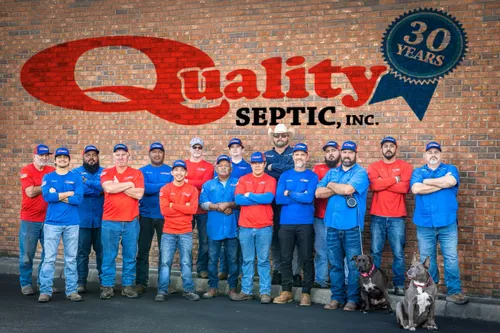
Quality Septic Inc.
100 Ashley Dr S suite 619, Tampa, FL 33602
Quality Septic Inc. provides a full range of septic services in Tampa, FL, including septic tank pumping, inspections, repairs, and installations. Serving Tampa and surrounding communities such as Brandon, Riverview, and Clearwater, they handle residential and commercial septic systems with expertise. Their capabilities include drain field repair and replacement, lift station installation and repair, and custom-engineered septic system installations based on thorough property assessments. Established in 1994, Quality Septic has over 25 years of experience in the industry.
ACE Septic & Waste
3151 Bartow Rd, Lakeland, FL 33803
ACE Septic & Waste is a full-service septic and wastewater company serving Lakeland, FL, and the broader Tampa Bay and Central Florida regions. They provide a wide range of services including septic tank pumping, system installation, drainfield repair, lift station maintenance, and certified septic inspections for residential, commercial, and municipal clients. The company is uniquely licensed in plumbing, electrical, septic, and general contracting, allowing them to manage all aspects of wastewater projects in-house, from permitting to installation and maintenance. ACE Septic & Waste also offers advanced solutions like aerobic treatment units and low-pressure sewer systems, meeting Florida's environmental standards. Their emergency response team is available 24/7 to handle urgent wastewater issues.
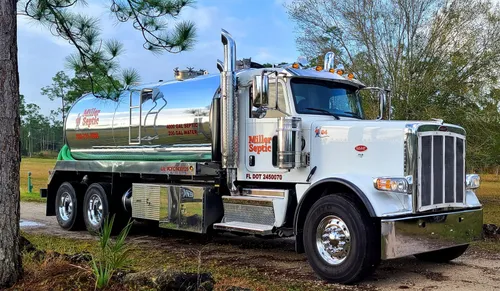
Miller Septic
5020 Bayline Dr, North Fort Myers, FL 33917
Miller Septic is a septic service company based in Cape Coral, FL, providing a range of services including septic tank pumping, inspections, repairs, drain field work, grease trap maintenance, and lift station servicing. They serve residential and commercial clients throughout Southwest Florida, including Fort Myers and surrounding communities. Their licensed technicians offer 24/7 emergency service and use professional-grade equipment to handle tasks such as high-pressure jetting and code-compliant drain field installations. Miller Septic is fully licensed and insured, with local expertise in regional regulations and soil conditions.
Understanding Your Florida Drain Field
The drain field is the final stage of your onsite sewage treatment and disposal system (OSTDS). After solids settle in the septic tank, liquid effluent flows into a network of perforated pipes buried in trenches filled with gravel or other aggregate. This effluent slowly percolates into the soil, where natural processes provide final treatment.
In Florida, common signs of drain field failure include:
- Sewage odors around the yard or drain field area.
- Persistently soggy soil or standing water over the drain field, especially when it hasn't rained.
- Unusually lush, green grass growing over the drain field lines.
- Slow-draining toilets and sinks or gurgling plumbing fixtures.
- Sewage backing up into household drains.
If you notice any of these signs, it's time to contact a professional for an evaluation 1.
Florida Regulations and Permit Requirements
All significant drain field repair or replacement work in Florida requires permits and must comply with state and often local county regulations. The Florida Department of Health (DOH) and its county health departments are the primary regulatory bodies 2.
The Permit Process
Before any repair or replacement begins, a construction permit must be obtained from your local county health department 3 4. The licensed septic contractor you hire will typically handle the application, which includes site and soil evaluations, system design plans, and payment of permit fees. These fees commonly range from $350 to $475 or more, depending on the county 5.
Key Regulation: Florida Administrative Code Chapter 62-6 mandates that any repair to a failing system must bring the entire system up to current code standards 6. This means a simple patch might not be allowed; the system may need to be upgraded or fully replaced to meet modern requirements for size, materials, and environmental protection.
Setback Requirements
System design must adhere to strict minimum setback distances from various features to protect water quality 7. Key setbacks include:
- 75 feet from any surface water (lakes, streams, canals).
- 75 feet from a private drinking water well.
- 15 feet from a stormwater drain.
- 10 feet from a building foundation.
- 5 feet from a property line.
These setbacks can significantly impact where a new or replacement drain field can be placed on your property.
Licensed Professionals
All septic system construction, repair, and alteration work must be performed by a state-registered septic contractor or a licensed plumber with the proper specialty certification 8. Always verify a professional's license with the Florida Department of Business and Professional Regulation (DBPR) before hiring.
Repair vs. Replacement: Costs and Considerations
The course of action depends on the extent of the failure, local regulations, and your property's soil conditions. A professional inspection is the first critical step to determine the best solution.
Minor Drain Field Repairs
If the problem is isolated-such as a clogged distribution box, a crushed pipe, or a small saturated area-a targeted repair may be possible.
- Typical Cost: $1,000 - $3,000.
- Process: This involves excavating the specific problem area, replacing damaged components, and restoring the site. A permit is still required.
Partial Drain Field Repair or Expansion
In some cases, a section of the field can be repaired or new lines can be added to supplement a failing area.
- Typical Cost: $3,000 - $7,000.
- Process: This is more extensive and requires a new permit with design plans. It's often a solution when soil conditions allow for expansion but a full replacement isn't yet warranted.
Complete Drain Field or System Replacement
When the entire drain field has failed, the soil is saturated, or the system is too old to meet code, a full replacement is necessary. As of July 2022, Florida law requires a full system inspection at the time of property sale, which often triggers the need for replacement to meet current standards 9.
- Typical Cost: $8,000 - $15,000+ 10 11. The final cost depends on system size, soil conditions (requiring more advanced treatment in poor soils), accessibility, and local permit fees.
- Process: This is a major project involving:
- Obtaining a construction permit.
- Designing a new system that meets all current codes.
- Excavating and disposing of the old drain field material.
- Installing a new septic tank (if needed) and a completely new drain field in a suitable location on the property.
- Final inspection and approval from the health department.
Find the perfect drain field repair companies for your needs
Get personalized recommendations and expert advice
Maintenance to Prevent Drain Field Failure
Proactive maintenance is the most cost-effective strategy to extend the life of your drain field, often for decades 12.
- Regular Pumping: Have your septic tank pumped by a licensed professional every 3 to 5 years. This prevents solids from escaping the tank and clogging the drain field pipes and soil 13.
- Water Conservation: Spread out water use. Fix leaks, install efficient fixtures, and avoid doing multiple loads of laundry in one day. Overloading the system with water can flood the drain field.
- Mind What You Flush: Only human waste and toilet paper should go down the drain. Never flush wipes (even "flushable" ones), feminine hygiene products, cooking grease, chemicals, or medications 14.
- Protect the Area: Never drive or park vehicles over the drain field. Avoid planting trees or deep-rooted shrubs nearby. Keep roof drains and sump pumps directed away from the field.
Choosing a Service Provider in Florida
When you need drain field work, selecting the right professional is crucial. Look for a state-registered septic contractor with a solid local reputation. They should:
- Provide a detailed, written estimate that breaks down costs for labor, materials, and permit fees.
- Clearly explain the diagnostic process and the reasons for recommending repair or replacement.
- Handle the entire permit application and inspection process with the county health department.
- Use appropriate, code-approved materials and construction methods.
- Offer references from recent, similar projects in your area.
Remember, some Florida counties, such as Miami-Dade, Charlotte, and others, have local ordinances that add specific requirements on top of state rules 15. A knowledgeable local contractor will be familiar with these nuances.
Frequently asked questions
Sources
Footnotes
-
The Ultimate Guide to Replacing a Septic Drain Field - https://www.rciseptic.com/the-ultimate-guide-to-replacing-a-septic-drain-field ↩
-
Septic Systems - Florida Department of Health - https://www.floridahealth.gov/community-environmental-public-health/environmental-public-health/water-quality/septic-systems/ ↩
-
Repair or Replace Septic Permit - Florida Department of Health in Charlotte County - https://charlotte.floridahealth.gov/programs-and-services/environmental-public-health/onsite-sewage-program/repair-or-replacement-permit/ ↩
-
Failing Septic System Repair Application Requirements - https://lee.floridahealth.gov/programs-and-services/environmental-health/onsite-sewage-disposal/permits/ostds-repair-permit/ ↩
-
Do I Need a Permit for a Septic System in Florida? - Land Perc - https://landperc.com/do-i-need-a-permit-for-a-septic-system-in-florida/ ↩
-
Fla. Admin. Code Ann. R. 62-6.0181 - System Repair and Cesspit ... - https://www.law.cornell.edu/regulations/florida/Fla-Admin-Code-Ann-R-62-6-0181 ↩
-
Florida Well and Septic System Placement Regulations for ... - https://flengineeringllc.com/florida-well-septic-placement-2025/ ↩
-
Septic Contracting Frequently Asked Questions - https://floridadep.gov/water/onsite-sewage/content/septic-contracting-frequently-asked-questions ↩
-
Florida New Septic System Law: What Homeowners Need to Know - https://rooterone.com/florida-homeowners-new-septic-system-law/ ↩
-
Fixing Septic Drain Fields: What Florida Homeowners Should Know - https://mathisandsonsseptic.com/mathis-sons-septic-blog-orlando-fl/septic-drain-fields-what-florida-homeowners-should-know/ ↩
-
Understanding Septic System Replacements in Naples, FL - https://swenvironmental.com/septic-system-replacements-in-naples/ ↩
-
Septic System Owner's Guide - St. Johns County Health Department - https://stjohns.floridahealth.gov/wp-content/uploads/sites/57/2025/06/septic-folder-8x11-link2.pdf ↩
-
Florida Septic Tank Requirements | Onsite Sewage Treatment and Disposal Systems - https://www.ntotank.com/blog/florida-septic-tank-requirements ↩
-
Septic Drainfield Leach Field Repair: The Professional Services Offered At BioMicrobics - https://biomicrobics.com/articles/septic-system-drainfield-leach-field-repair-pro-services/ ↩
-
Local Septic Regulations Florida Homeowners Should Know - https://www.yoursepticmasters.com/local-septic-regulations-florida-homeowners-should-know ↩