Find the Best Drain Field Repair Companies for Your Business
No obligation • Fast responses • Nationwide coverage

Why you can trust Septic Spot
Septic Spot is a leading United States resource for understanding and comparing septic services. Our editors review providers using consistent criteria and verify key business details. Listings and scores are independent, and companies cannot pay to influence our content.
Search providers near you
Top Drain Field Repair Companies in St Petersburg, Florida Ranked
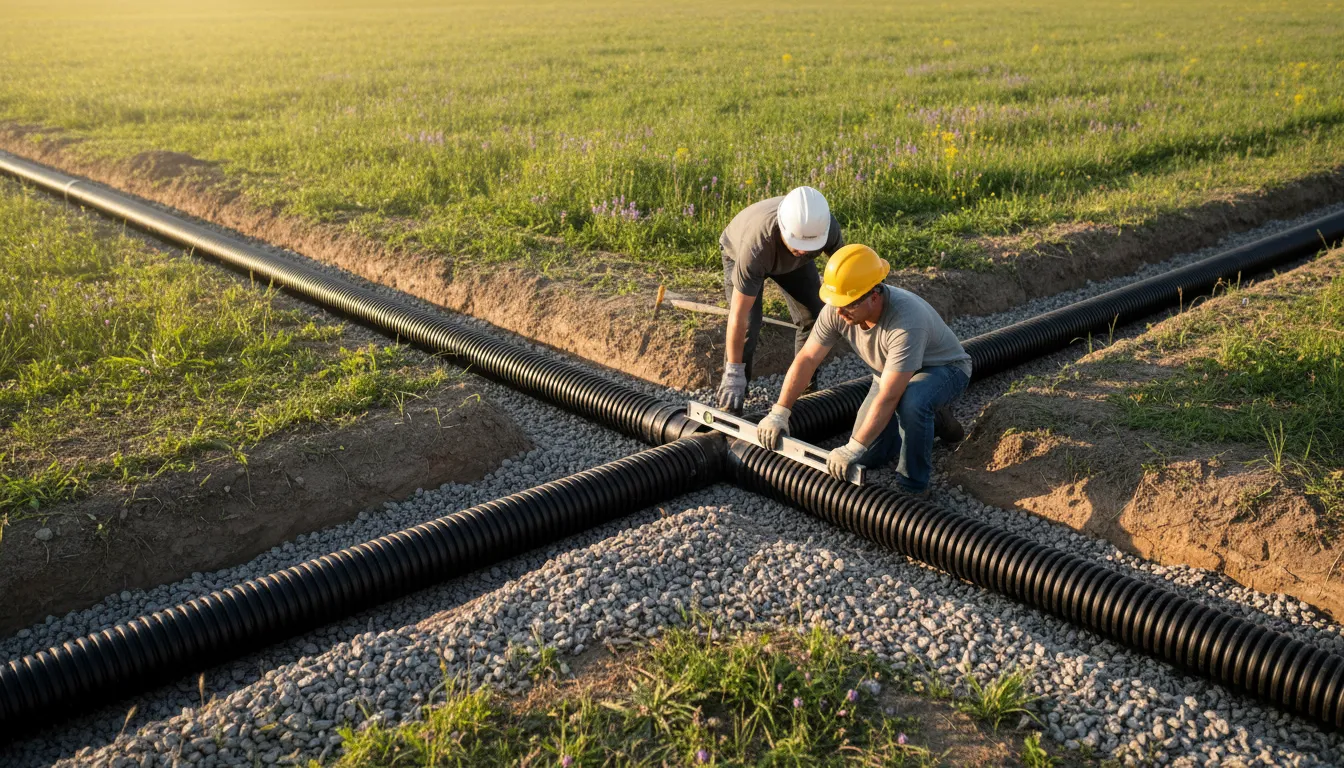
A failing drain field, also known as a leach field or absorption field, is a serious issue for any home with a septic system. This critical component is responsible for safely filtering and dispersing treated wastewater into the soil. When it malfunctions, it can lead to soggy yards, foul odors, and even environmental contamination. For St. Petersburg homeowners, navigating drain field issues requires understanding the unique local conditions and strict regulatory landscape. This guide explains the process, costs, and key considerations for finding qualified professionals to address your septic absorption system needs.
Quality Septic Inc.
100 Ashley Dr S suite 619, Tampa, FL 33602
Quality Septic Inc. provides a full range of septic services in Tampa, FL, including septic tank pumping, inspections, repairs, and installations. Serving Tampa and surrounding communities such as Brandon, Riverview, and Clearwater, they handle residential and commercial septic systems with expertise. Their capabilities include drain field repair and replacement, lift station installation and repair, and custom-engineered septic system installations based on thorough property assessments. Established in 1994, Quality Septic has over 25 years of experience in the industry.
Quality Septic Inc.
1811 M Rd, Brandon, FL 33511
Quality Septic Inc. is a family-owned septic service provider based in Tampa, FL, serving Brandon and the surrounding Tampa Bay area. Since 1994, they have offered a full range of septic services including tank pumping, system inspections, repairs, and new installations. Their expertise covers drain field repair and installation, lift station pump services, and custom-engineered septic systems tailored to property needs. Quality Septic emphasizes thorough property assessments and adherence to Florida state building codes in their installations. They serve multiple communities including Valrico, Seffner, Riverview, and more, ensuring comprehensive septic solutions across the region.
Tampa Septic
Tampa, FL
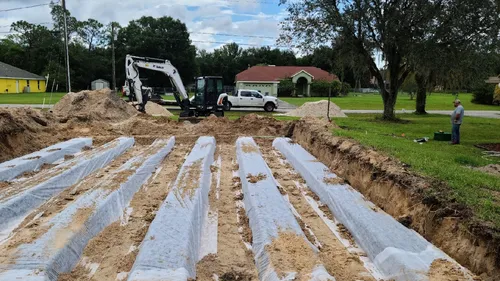
Tampa Septic is a septic service provider based in Tampa, FL, offering a comprehensive range of septic system solutions. Their services include septic tank pumping, inspections, repairs, installations, drain field maintenance and replacement, septic pump repair, and lift station services. They also provide nitrogen-reducing septic systems for environmentally conscious customers and conduct real estate septic inspections. With over 30 years of experience, Tampa Septic serves both residential and commercial clients in Tampa and the surrounding Tampa Bay area, including Hillsborough, Pasco, Hernando, Citrus, and Pinellas counties. The company is a member of the Florida Onsite Wastewater Association and holds an A+ rating from the BBB.
Septic Blue of Tampa
249 S 78th St Suite A, Tampa, FL 33619
Septic Blue of Tampa is a septic service provider located in Tampa, FL. They offer a range of services including septic tank pumping, inspection, repair, installation, and drain field repair or replacement. Their team uses advanced equipment and personalized approaches to maintain and restore septic systems while emphasizing environmental sustainability. The company also educates clients on proper septic care to help prevent future issues. Septic Blue of Tampa is locally owned and committed to transparent pricing and professional integrity.
Quality Septic Inc
112 Myrtle Ridge Rd Suite B, Lutz, FL 33549
Quality Septic Inc is a family-owned septic service provider based in Tampa, FL, serving Lutz and the greater Tampa Bay area. Since 1994, they have offered a full range of septic services including tank pumping, system inspections, repairs, and installations. Their expertise covers septic tank and drain field repair, lift station installation and maintenance, and custom-engineered septic system solutions tailored to property needs. Quality Septic also emphasizes thorough property assessments such as soil analysis and land grading to ensure proper system installation and function. The company serves a broad area including Lutz, Auburndale, Bartow, Brandon, Lakeland, and other nearby communities. They are accredited by the BBB since 2004 and maintain an A+ rating. Quality Septic provides both routine maintenance and emergency septic services, supporting residential and commercial clients with experienced technicians and a commitment to respectful, fair service.
Understanding Your St. Petersburg Drain Field
The drain field is the final stage of your onsite sewage treatment and disposal system (OSTDS). After solids settle in the septic tank, liquid effluent flows into a network of perforated pipes buried in trenches filled with gravel. This effluent slowly percolates through the soil, where natural processes provide final treatment. In St. Petersburg, several local factors heavily influence how these systems are designed, repaired, and replaced.
High Water Tables: Pinellas County is known for its shallow groundwater. A high water table means the saturated soil zone is close to the surface, leaving little room for proper wastewater treatment before it reaches groundwater. This often necessitates specially engineered solutions like elevated sand mounds or drip irrigation systems to ensure a safe distance between the effluent and the water table.
Sandy Soils: While the area's sandy soil is generally good for drainage, it can sometimes allow effluent to move too quickly without adequate filtration. In other localized areas, layers of clay or dense soil can cause poor absorption and ponding. A professional site evaluation is crucial to determine your specific soil conditions 1.
Environmental Setbacks: Strict regulations govern how close a septic system can be to property lines, buildings, wells, and sensitive water bodies like Tampa Bay and Boca Ciega Bay. These setbacks can limit repair options and sometimes make a conventional drain field replacement impossible on an existing lot.
When is Drain Field Repair or Replacement Needed?
Recognizing the signs of a failing leach field early can save you money and prevent a public health nuisance. Common indicators include:
- Soggy Ground or Surfacing Effluent: Puddles or persistently wet, spongy soil over the drain field area, especially when it hasn't rained.
- Sewage Odors: Unpleasant smells emanating from your yard or near the drain field.
- Slow Drains & Backups: Gurgling plumbing fixtures, toilets that drain slowly, or sewage backing up into the home.
- Unusually Green Grass: Patches of grass over the drain field that are much lusher and grow faster than the rest of the lawn.
Common causes of failure in our area include:
- Clogging: Over time, a biomat (a layer of bacteria and organic material) can form on the trench walls, eventually sealing the soil and preventing absorption. Excessive solids entering the field from a failing tank can also cause physical clogs 2.
- System Overload: The most common cause of failure is hydraulic overload-putting more water through the system than it was designed to handle. This can be due to an increase in household size, leaking fixtures, or excessive water use 3.
- Physical Damage: Crushed or broken pipes from vehicle traffic, root intrusion from nearby trees, or deterioration due to age.
- Regulatory Mandates: In some environmentally sensitive areas or for systems near impaired water bodies, state or county regulations may mandate an upgrade to a more advanced treatment system, which often involves replacing the entire drain field 4.
The Regulatory Process: Permits and Inspections in Florida
Any significant repair, alteration, or full replacement of a septic system in St. Petersburg requires adherence to Florida Administrative Code Chapter 64E-6 and involves the Florida Department of Health (DOH) in Pinellas County. Working with a licensed septic contractor who knows this process is non-negotiable.
1. The Permit Requirement: A construction permit from the DOH is mandatory before any work begins on your drain field 5 6. Your contractor will typically handle this application, which must include a site plan and engineering details. Performing work without a permit can result in fines and an order to remove the unpermitted system.
2. The Inspection Stages: The DOH conducts multiple inspections to ensure compliance 7:
- Site Evaluation/Pre-Permit: An evaluator may assess soil conditions, water table depth, and setbacks. A percolation (perc) test is often required to measure the soil's absorption rate 8.
- Construction Inspection: Before the new or repaired trenches are backfilled, an inspector will verify the materials, layout, pipe slope, and overall installation meet the approved plan.
- Final Approval: Once the system is complete and operational, a final inspection leads to a "Construction Approval," officially closing the permit.
Find the perfect drain field repair companies for your needs
Get personalized recommendations and expert advice
Repair vs. Replacement: Options and Costs
The best course of action depends on the extent of the damage, local soil conditions, and regulatory allowances. A thorough inspection by a professional is the first step.
Drain Field Repairs: If the problem is localized, repairs may be possible.
- Minor Repairs: Fixing a broken pipe, cleaning a clogged distribution box, or removing tree roots. Cost: Typically $1,000 - $3,000.
- Partial Replacement: Replacing a section of the absorption field that has failed while leaving the rest functional. This is only an option if the remaining field is in good condition and meets current codes. Cost: Often $3,000 - $7,000.
Full Drain Field Replacement: This is necessary when the entire absorption area is clogged, damaged, or undersized for the home. It involves designing and installing a completely new leach field, often in a new location on the property.
- Conventional Field Replacement: Installing a new trench system. Cost: Generally $8,000 - $15,000+ 9 10.
- Engineered System Replacement: For challenging sites with high water tables or poor soil, alternatives like mound systems, drip irrigation, or advanced aerobic treatment units (ATUs) are required. These involve more complex engineering and materials. Cost: Can significantly exceed $15,000 11.
Choosing a Professional in St. Petersburg
Given the technical and regulatory complexity, selecting the right contractor is critical. Look for:
- Florida State License: Ensure they are a registered septic system contractor.
- Local Experience: Choose a company familiar with Pinellas County's specific geology and the local DOH office procedures.
- Comprehensive Service: They should handle the entire process: diagnosis, permit application, engineering coordination (if needed), installation, and inspection scheduling.
- Good References & Reviews: Check for a solid reputation with past customers for quality work and clear communication.
- Detailed Proposals: Get written, detailed estimates that break down costs for labor, materials, permit fees, and any engineering.
A properly functioning drain field is essential for your home's sanitation, property value, and the local environment. By understanding the process and partnering with a qualified local expert, you can navigate a drain field repair or replacement project with confidence.
Frequently asked questions
Sources
Footnotes
-
Septic Drainfield Design 101: A Complete Guide - Land Perc - https://landperc.com/septic-drainfield-design-guide/ ↩
-
Florida New Septic System Law: What Homeowners Need to Know - https://rooterone.com/florida-homeowners-new-septic-system-law/ ↩
-
Septic Drain Field Help in Florida - https://mathisandsonsseptic.com/drain-field-systems/ ↩
-
Best Practices for Septic Installation in 2025 - Florida Engineering LLC - https://flengineeringllc.com/north-florida-septic-installation-2025/ ↩
-
Septic Permits in Florida: Do You Need One? (2025 Guide) - Land Perc - https://landperc.com/do-i-need-a-permit-for-a-septic-system-in-florida/ ↩
-
Fla. Admin. Code Ann. R. 62-6.027 - [Effective 7/9/2025] Permits and Inspections - https://www.law.cornell.edu/regulations/florida/Fla-Admin-Code-Ann-R-62-6.027 ↩
-
Florida Septic Tank Requirements | Onsite Sewage Treatment ... - https://www.ntotank.com/blog/florida-septic-tank-requirements ↩
-
Septic Inspections Made Easy: What Every Contractor Needs ... - https://flengineeringllc.com/septic-inspections-guide-contractors-2025/ ↩
-
Fixing Septic Drain Fields: What Florida Homeowners Should Know - https://mathisandsonsseptic.com/mathis-sons-septic-blog-orlando-fl/septic-drain-fields-what-florida-homeowners-should-know/ ↩
-
How Much Does it Cost to Upgrade a Septic System in Florida? - https://mathisandsonsseptic.com/mathis-sons-septic-blog-orlando-fl/a-florida-homeowners-guide-to-septic-system-maintenance-costs/ ↩
-
How To Replace A Septic Drain Field Without Costly Mistakes - https://millersepticfl.com/how-to-replace-a-septic-drain-field-without-costly-mistakes/ ↩