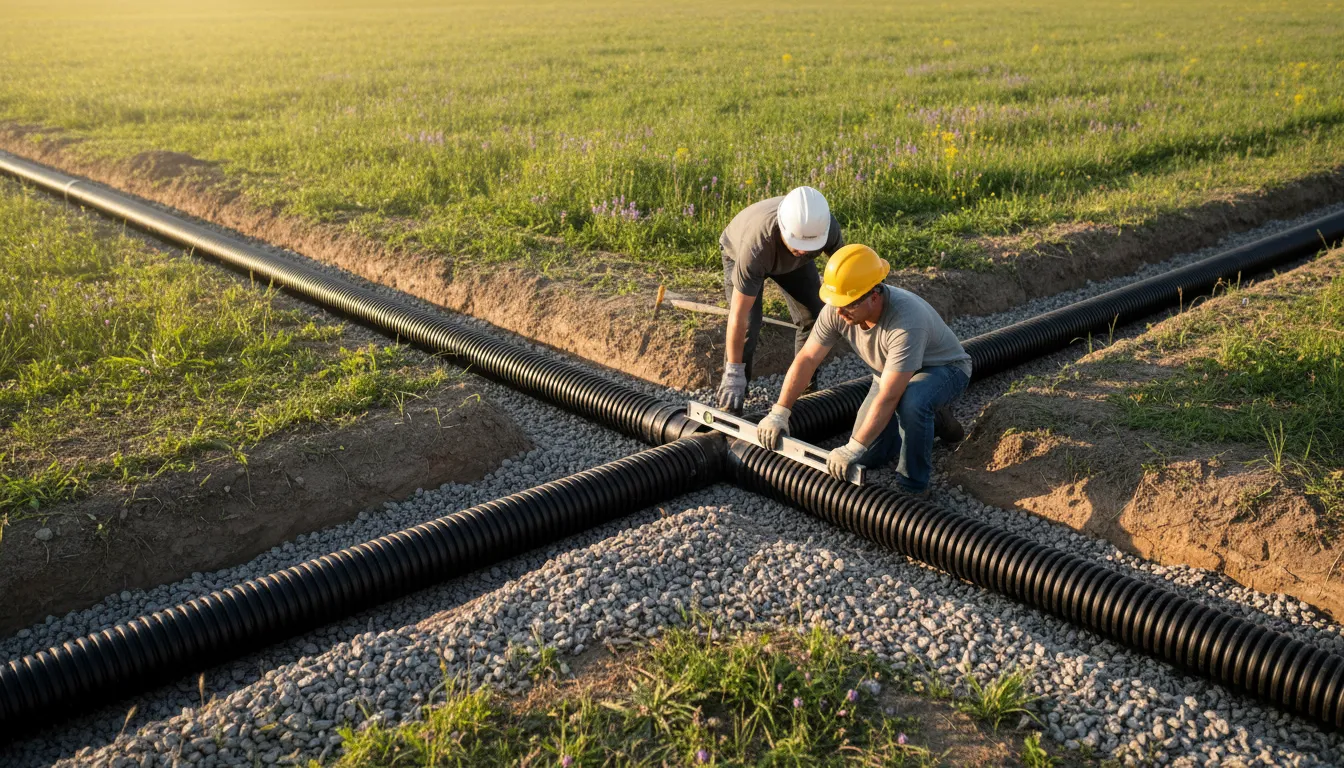
Find the Best Drain Field Repair Companies for Your Business
No obligation • Fast responses • Nationwide coverage

Why you can trust Septic Spot
Septic Spot is a leading United States resource for understanding and comparing septic services. Our editors review providers using consistent criteria and verify key business details. Listings and scores are independent, and companies cannot pay to influence our content.
Search providers near you
Top Drain Field Repair Companies in Palm Bay, Florida Ranked
A failing drain field is a serious concern for any homeowner with a septic system. This critical component, also known as a leach field or absorption field, is responsible for safely dispersing and filtering treated wastewater into the soil. When it malfunctions, it can lead to soggy yards, foul odors, and environmental contamination. In Palm Bay, specific environmental factors and strict state regulations govern all repair and replacement work. This guide explains the process, costs, and key considerations for addressing drain field issues, helping you navigate the path to a functional and compliant septic system.
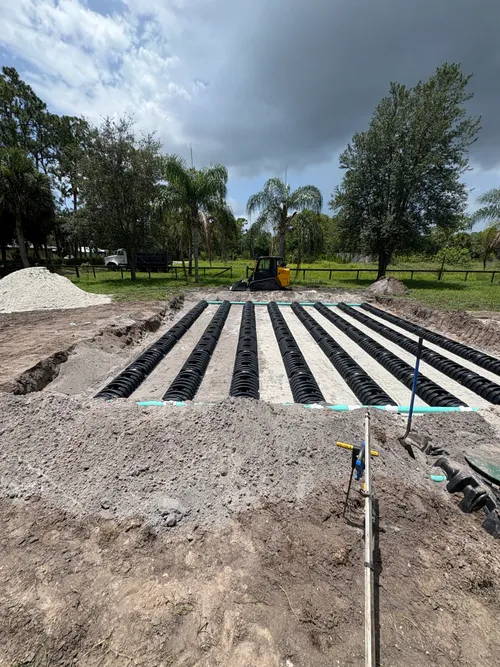
Top Notch Septic
454 Martin Rd #105, Palm Bay, FL 32909
Top Notch Septic is a septic service provider based in Palm Bay, FL, serving all of Brevard County. They offer a range of services including septic tank pumping, inspections for residential and commercial systems, septic system installation, drain field repair or replacement, grease trap pumping, and septic system locating. Their team manages the entire installation process from permit pulling to final inspection, ensuring systems function as designed.
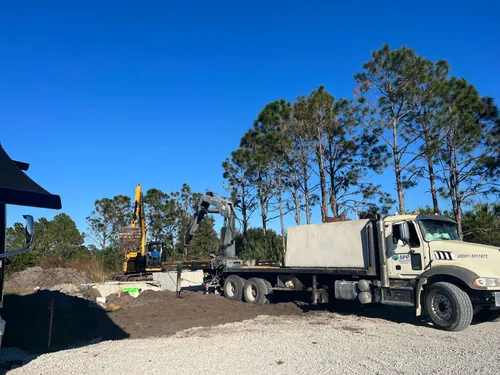
Crotty Septic Services Palm Bay
4450 Gumbo Limbo Ln, Grant-Valkaria, FL 32949
Crotty Septic Services Palm Bay is a septic system contractor serving Palm Bay, FL, and the surrounding region. With over 25 years of experience, they provide residential and commercial septic services including installation, inspection, pumping, repairs, and advanced wastewater system installations. Their capabilities include drainfield repairs and hydro-jet cleaning, ensuring efficient septic system operation. They also offer sitework solutions such as land clearing and grading. Crotty Septic Services covers areas including Brevard, Indian River, and St. Lucie Counties, with expertise in both standard and aerobic treatment systems.
ASAP Onsite Septic and Sewer
2715 Garden St, Malabar, FL 32950
ASAP Onsite Septic and Sewer is a family-owned septic and sewer service provider based near Palm Bay, FL. Serving Brevard and Indian River Counties, the company offers a range of services including septic system installation, drain field repair and replacement, aerobic system maintenance, septic tank pumping, lift station installation and maintenance, grease trap services, and city sewer tie-ins. With over 20 years of experience, ASAP Onsite Septic and Sewer manages the entire process from permitting to final inspection, ensuring compliance with local regulations. The company also provides 24-hour emergency service to address urgent septic and sewer issues promptly.
Understanding Your Drain Field and Common Failure Signs
The drain field is the final stage of your onsite sewage treatment and disposal system. After solids settle in the septic tank, the liquid effluent flows into a network of perforated pipes buried in trenches filled with gravel or modern gravel-less chambers. This effluent then slowly percolates through the soil, where natural processes provide final treatment. A system fails when the soil can no longer absorb the water, a condition known as hydraulic failure.
Common warning signs include:
- Soggy Ground or Surfacing Sewage: Puddles or consistently wet, spongy soil over the drain field area, especially after recent rain.
- Slow Drains and Backups: Gurgling pipes, slow-draining sinks and toilets, or sewage backups inside the home.
- Unpleasant Odors: Foul smells emanating from the yard near the drain field or septic tank.
- Unusually Green Grass: Patches of grass over the drain field that are noticeably lusher and greener than the rest of the lawn.
- Nitrate Contamination: Test results showing high levels of nitrates in nearby well water, a serious health risk.
If you notice any of these signs, it's crucial to act quickly to prevent further damage, environmental harm, and potential regulatory action.
Palm Bay's Regulatory Landscape: Permits and Professionals
All septic system work in Brevard County, including Palm Bay, is regulated by the Florida Department of Health (DOH) in Brevard County. You cannot legally begin any repair or replacement without following their process.
The Permit Process is Mandatory. Before any shovel hits the ground, a permit must be obtained from the local Health Department. This involves submitting a detailed site plan and a repair plan designed by a qualified professional. The DOH will review these plans to ensure compliance with all state and county regulations before issuing a permit.
You Must Hire a Licensed Contractor. Florida law requires that all septic system construction, repair, and alteration be performed by a contractor licensed by the state's Department of Business and Professional Regulation. Never hire an unlicensed individual for this complex and regulated work. A licensed professional understands the specific codes, such as Chapter 62-6 of the Florida Administrative Code (F.A.C.), which dictates critical design parameters.
Final Inspection is Required. Once the work is complete, a final inspection by the DOH (or an approved "private provider" inspector) is required to close the permit and certify the system is functioning correctly.
Key Engineering Challenges in Palm Bay
Palm Bay's environment presents unique challenges for septic system function and repair, making professional design non-negotiable.
High Groundwater Table: Florida's flat topography and high rainfall often result in a seasonal high water table that is very close to the surface. State regulations mandate a minimum 24-inch vertical separation between the bottom of the drain field trenches and the seasonal high water table 1. In many Palm Bay properties, the native soil does not provide this required separation. This frequently necessitates the use of mounded systems or the addition of engineered fill to build up the drain field area above the natural ground level to achieve the legally required clearance.
Soil Percolation Rate: The soil's ability to absorb water (percolation rate) is a fundamental design factor. A site evaluation, often including soil morphology analysis, determines this rate. Slow-percolating soils require a larger drain field area.
The 50% Reserve Area Requirement: One of Florida's most important regulations is the requirement for a 50% reserve area2. This means that when a system is installed or replaced, an additional area of land equivalent to half the size of the primary drain field must be set aside and kept undisturbed for potential future expansion or repair. This rule underscores the importance of long-term planning for your property's wastewater disposal.
Find the perfect drain field repair companies for your needs
Get personalized recommendations and expert advice
The Step-by-Step Process for Repair or Replacement
Addressing a failed leach field is a multi-stage process that ensures a legal, functional, and long-lasting solution.
- Professional Site Evaluation: The first step is a comprehensive evaluation by a licensed septic contractor or professional engineer. They will assess the cause of failure, test soil conditions, determine the seasonal high water table level, and identify the suitable repair area or reserve area on your property 3.
- System Design and Permitting: Based on the evaluation, a detailed design plan is created. This plan specifies the repair method, system type, dimensions, and materials. Your licensed contractor will then submit this plan, along with the site plan, to the Brevard County Health Department to apply for the required construction permit 4.
- Construction and Installation: Once the permit is secured, construction begins. Common repair and replacement methods include:
- Replacing Drain Lines: Excavating to remove old, clogged pipes and replacing them with new ones, often using modern gravel-less chambers which offer greater storage volume and simpler installation.
- Constructing a Mound System: Building an above-ground mound of suitable sand and soil to create the necessary separation from the high water table.
- Partial vs. Full Replacement: A professional will determine if a partial repair (replacing a section) is viable or if a complete new absorption field is necessary.
- Final Inspection and Approval: After construction, the installing contractor will request a final inspection. The inspector will verify that the work matches the permitted plans and complies with all regulations. Only after passing this inspection is your system legally approved for use 5.
Understanding the Costs Involved
The cost for leach field work in Palm Bay varies widely based on the scope of the problem, soil conditions, and the chosen technology. It's important to view this as a necessary investment in your property's health and value.
- Minor Repairs: Simple fixes like replacing a distribution box or a single clogged line may range from $1,000 to $3,000.
- Partial Drain Field Repair: Addressing a significant portion of a failing field can cost between $3,000 and $7,000.
- Full Drain Field Replacement: A complete replacement of the entire absorption area is the most expensive option, typically ranging from $8,000 to over $15,000, depending on size and system type 6 7.
- The "Septic to Sewer" Consideration: The City of Palm Bay has ongoing projects to extend municipal sewer lines. If your home is in a designated conversion area, you may be mandated to abandon your septic system and connect to city sewer. Homeowners are typically responsible for the connection cost, which can be $12,000 or more, and is often financed through a special assessment on the property tax bill over many years 8.
Proactive Maintenance and What to Avoid
Protecting your new or repaired drain field is essential for its longevity.
- Practice Water Conservation: Spread out laundry loads, fix leaky faucets, and install water-efficient fixtures. Overloading the system is a primary cause of failure.
- Mind What You Flush: Only human waste and toilet paper should go down the drain. Avoid chemicals, grease, wipes (even "flushable" ones), and feminine hygiene products.
- Keep the Area Clear: Do not drive, park, or build structures (like sheds or pools) over the drain field or its reserve area. Plant only grass with shallow roots over it.
- Avoid Chemical "Fix-It" Additives: Steer clear of septic tank additives marketed to rejuvenate drain fields. The Florida DOH does not endorse these products, and some can actually harm the bacterial ecosystem in your tank or contaminate groundwater 9 10.
- Pump the Tank Regularly: Have your septic tank pumped every 3-5 years by a licensed pumper to prevent solids from escaping into and clogging the drain field.
Frequently asked questions
Sources
Footnotes
-
Septic Systems | City of Palm Bay, FL - https://www.palmbayfl.gov/government/city-departments-a-to-e/customer-service/septic-system-information ↩
-
Florida Well and Septic System Placement Regulations for ... - https://flengineeringllc.com/florida-well-septic-placement-2025/ ↩
-
Septic Drainfield Design 101: A Complete Guide - Land Perc - https://landperc.com/septic-drainfield-design-guide/ ↩
-
Septic Systems - Florida Department of Health - https://www.floridahealth.gov/community-environmental-public-health/environmental-public-health/water-quality/septic-systems/ ↩
-
Florida Septic Tank Requirements | Onsite Sewage Treatment and ... - https://www.ntotank.com/blog/florida-septic-tank-requirements ↩
-
Fixing Septic Drain Fields: What Florida Homeowners Should Know - https://mathisandsonsseptic.com/mathis-sons-septic-blog-orlando-fl/septic-drain-fields-what-florida-homeowners-should-know/ ↩
-
How To Replace A Septic Drain Field Without Costly Mistakes - https://millersepticfl.com/how-to-replace-a-septic-drain-field-without-costly-mistakes/ ↩
-
Septic to Sewer Program: Frequently Asked Questions - https://www.palmbayfl.gov/government/city-departments-f-to-z/housing-programs/septic-to-sewer-program-frequently-asked-questions ↩
-
Repair or Replace Septic Permit - Florida Department of Health in ... - https://charlotte.floridahealth.gov/programs-and-services/environmental-public-health/onsite-sewage-program/repair-or-replacement-permit/ ↩
-
Effective Septic System Layout Guide for Homeowners - https://www.rciseptic.com/effective-septic-system-layout-a-practical-guide-for-homeowners ↩