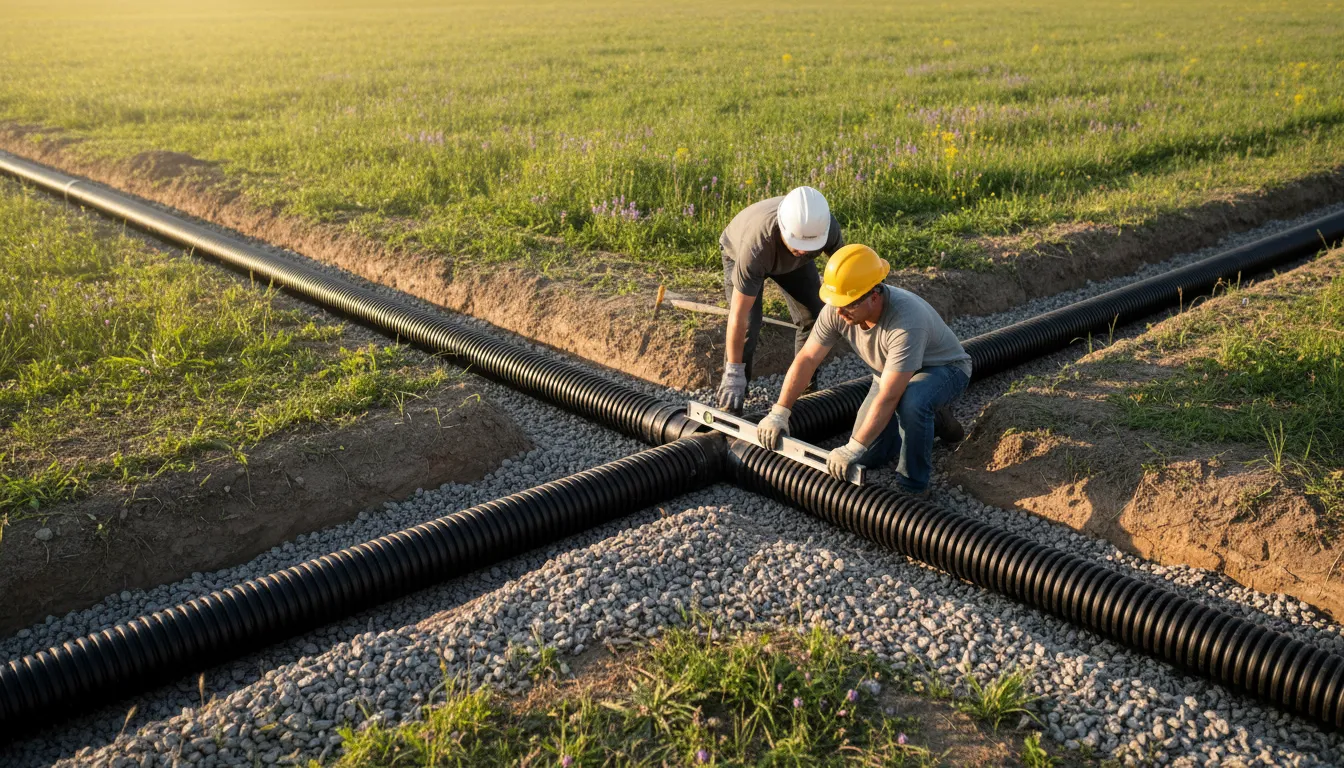
Find the Best Drain Field Repair Companies for Your Business
No obligation • Fast responses • Nationwide coverage

Why you can trust Septic Spot
Septic Spot is a leading United States resource for understanding and comparing septic services. Our editors review providers using consistent criteria and verify key business details. Listings and scores are independent, and companies cannot pay to influence our content.
Search providers near you
Top Drain Field Repair Companies in Jacksonville, Florida Ranked
A failing drain field is a serious issue for any home with a septic system, leading to soggy yards, foul odors, and potential environmental contamination. In Jacksonville, addressing these problems requires navigating specific local regulations and environmental conditions. This guide provides essential information on the repair and replacement process, local requirements, and how to find qualified professionals to restore your septic system's function and protect your property.
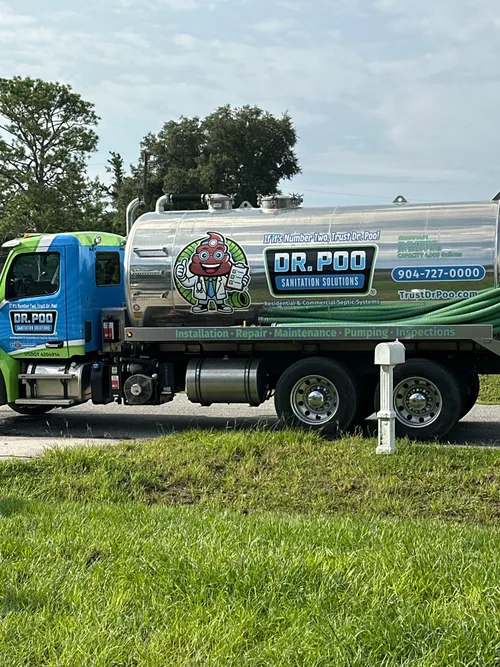
Dr. Poo Sanitation Solutions
2107 New Berlin Rd, Jacksonville, FL 32218
Dr. Poo Sanitation Solutions is a septic service provider based in Jacksonville, FL. They offer a range of services including septic tank pumping, inspection, repair, installation, and drain field repair or replacement. The company is known for handling everything from routine maintenance to system emergencies and new installations. Dr. Poo is the rebranded name of ZHL Septic Services, a family-owned business with decades of experience serving Northeast Florida, including Duval, St. Johns, Clay, Baker, and Nassau counties. Their team is fully licensed and insured, and they provide septic solutions tailored to keep systems functioning properly.
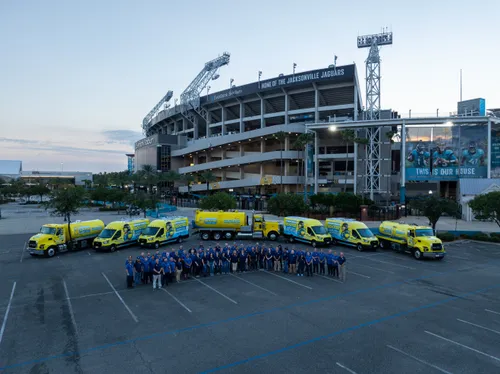
Duck Duck Rooter Plumbing, Septic and Air Conditioning
4567 Blanding Blvd, Jacksonville, FL 32210
Duck Duck Rooter Plumbing, Septic and Air Conditioning is a Jacksonville, FL-based company offering a wide range of plumbing, septic, and HVAC services. With over 25 years of experience, they provide septic tank pumping, installation, repair, and drain field services for both residential and commercial clients. Their team is equipped to handle septic system maintenance and repairs, including septic tank sump pump services, and offers 24-hour emergency plumbing support. They serve Jacksonville and surrounding areas including Duval County, St. Johns County, and St. Augustine, FL.

Mr. Rooter Plumbing of Orange Park
14 Swimming Pen Dr Ste 12, Middleburg, FL 32068
Mr. Rooter Plumbing of Orange Park is a plumbing contractor serving Jacksonville, FL, and surrounding areas including Middleburg and Fleming Island. They offer a wide range of residential plumbing services such as drain field repair and replacement, water heater installation, leak detection, and sewer and drain cleaning. Their capabilities include drain field restoration and hydro jetting to maintain and repair septic systems. The company is locally owned and operated and backs its work with the Neighborly Done Right Promise®, ensuring quality workmanship and customer satisfaction.
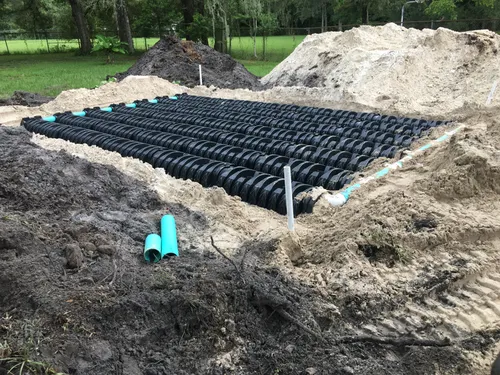
Grant's Plumbing, LLC
9731 Sandler Rd, Jacksonville, FL 32222
Grant's Plumbing, LLC provides septic tank installation and drain field repair services in Jacksonville, FL. They specialize in residential septic systems, including septic tank installation and drain field replacement. The company offers expertise in modern septic system components such as Infiltrator Chamber Systems and EZflow geosynthetic aggregate systems, which improve effluent infiltration and system longevity. Grant's Plumbing, LLC serves the Jacksonville area with knowledge of local soil conditions and septic system requirements.

Septic Specialists LLC
2615 Dawin Rd, Jacksonville, FL 32207
Septic Specialists LLC is a family-owned company based in Jacksonville, FL, offering a full range of septic services including installation, repair, and replacement of septic systems and drain fields. They specialize in aerobic septic tank systems and use high-quality materials and advanced technology to ensure durable and reliable septic solutions. The company emphasizes honest communication and personalized care in serving homeowners throughout Jacksonville.
Understanding Your Septic Drain Field
The drain field, also known as a leach field or absorption field, is the final and most critical stage of your onsite sewage treatment system. After solids settle in the septic tank, liquid effluent flows into a network of perforated pipes buried in trenches filled with gravel. This effluent slowly percolates into the soil, where natural processes provide final treatment. When this area fails, wastewater can no longer be absorbed, causing backups and surface pooling.
In Jacksonville, common causes of failure include:
- Soil Saturation: The region's high water table and frequent heavy rains can saturate the soil, leaving no room for additional effluent.
- Compaction: Driving or building over the drain field compacts the soil, destroying its ability to absorb water.
- Clogging: Over time, a biomat (a layer of sludge) can form around the pipes, or roots can invade, blocking the flow of effluent.
- System Age and Overload: All systems have a finite lifespan, and excessive water use from leaks or large households can overwhelm the field's capacity.
Jacksonville's Regulatory Landscape
Any work on a septic system in Duval County is strictly regulated. You cannot simply hire a general contractor to dig up and replace a drain field. All repairs and installations must adhere to Florida Administrative Code Chapter 62-6 and be permitted through the Florida Department of Health (FDOH) in Duval County.
Key regulatory steps include:
- Permit Requirement: A permit from the local health department is mandatory for any repair or modification of a septic system.
- Licensed Professionals: All repairs must be performed by a state-licensed septic tank contractor or a licensed plumber certified for septic work1.
- Final Inspection: The county requires a final inspection and sign-off after the new drain field is installed but before it is covered with soil.
Unique Environmental Challenges in Northeast Florida
Jacksonville's geography presents specific hurdles for septic system function and design, making professional assessment crucial.
- High Water Table: Florida regulations mandate a minimum of 24 inches of clearance between the bottom of the drain field trenches and the seasonal high-water table. In many low-lying areas of Jacksonville, this requires constructing a mounded or elevated system, where suitable soil is brought in to create an above-ground absorption area.
- Sandy Soil: While sandy soil drains quickly, it may not provide adequate filtration for pathogens. A proper site evaluation and percolation (perc) test are required to determine the soil's absorption rate and design a system of appropriate size.
- Setbacks and Reserve Area: Strict rules govern how close a drain field can be to property lines, wells, buildings, and water bodies. Furthermore, a 50% reserve area is typically required to be set aside for future expansion or complete replacement of the field2 3.
The Repair and Replacement Process
Addressing a failed drain field is a multi-step process that blends regulatory compliance with construction.
1. Professional Diagnosis & Site Evaluation A licensed contractor will first perform a thorough inspection to confirm the drain field is the source of failure, often using a camera to check pipes. If replacement is likely, a new site evaluation is required. This involves deep soil borings and a perc test to analyze the soil structure and determine the exact size and type of system needed for your property 4.
2. Design & Permitting The contractor or a licensed engineer will create a detailed system design plan based on the site evaluation. This plan, along with the permit application, is submitted to the FDOH in Duval County for review and approval.
3. Installation & Inspections Once permitted, installation begins. Key stages include:
- Initial/Mid-Project Inspection: An inspector may check the excavation, proper tank placement, pipe slope, and gravel bed levels before proceeding.
- Construction: This involves excavating the new field, placing gravel and distribution pipes, connecting to the septic tank, and covering with soil and topsoil. For mounded systems, this includes building up the engineered sand mound.
- Final Inspection: The completed system must be inspected and approved by the health department before the area is fully landscaped.
Find the perfect drain field repair companies for your needs
Get personalized recommendations and expert advice
Cost Considerations for Drain Field Work
Costs in Jacksonville vary significantly based on the scope of work, soil conditions, and system type required. It's important to get multiple detailed quotes from licensed contractors.
- Minor Repairs: Isolated issues like repairing a broken pipe, fixing a clog, or leveling a distribution box typically range from $500 to $2,000 5.
- Drain Field Replacement or Major Repair: A full drain field replacement is a major landscaping and construction project. In Jacksonville, costs generally range from $5,000 to $15,000 or more6 7 8 9. Factors that increase cost include the need for a mounded system, poor soil conditions requiring more extensive excavation or sand, and the size of the home (which dictates the size of the field).
Maintaining Your New or Repaired System
Protecting your investment is key. Proper maintenance can extend the life of your drain field for decades.
- Regular Pumping: Have your septic tank pumped every 3-5 years by a licensed pumper to prevent solids from escaping into the drain field.
- Water Conservation: Spread out laundry loads, fix leaky fixtures, and use water-efficient appliances to avoid hydraulically overloading the field.
- Mind What You Flush: Never flush grease, wipes (even "flushable" ones), feminine hygiene products, or harsh chemicals like paint thinner 10.
- Protect the Area: Never drive, park, or build structures (like sheds or patios) over the drain field. Keep roof drains and yard runoff directed away from the area.
Frequently asked questions
Sources
Footnotes
-
Septic Contracting Frequently Asked Questions | Florida Department of Environmental Protection - https://floridadep.gov/water/onsite-sewage/content/septic-contracting-frequently-asked-questions ↩
-
Florida Well and Septic System Placement Regulations for New ... - https://flengineeringllc.com/florida-well-septic-placement-2025/ ↩
-
Septic Inspections Made Easy: What Every Contractor Needs ... - https://flengineeringllc.com/septic-inspections-guide-contractors-2025/ ↩
-
Septic Drainfield Design 101: A Complete Guide - Land Perc - https://landperc.com/septic-drainfield-design-guide/ ↩
-
Septic Drain Field Issues Every Homeowner Should Watch For - https://septicservicescfl.com/septic-drain-field-issues-every-homeowner-should-watch-for/ ↩
-
Fixing Septic Drain Fields: What Florida Homeowners Should Know - https://mathisandsonsseptic.com/mathis-sons-septic-blog-orlando-fl/septic-drain-fields-what-florida-homeowners-should-know/ ↩
-
How Much Does Failed Septic System Cost? - https://www.septicconnection.com/how-much-does-failed-septic-system-cost ↩
-
Step-By-Step Guide to Reviving an Idle Septic Tank on Vacant Land - https://jtserviceco.com/step-by-step-guide-to-reviving-an-idle-septic-tank-on-vacant-land/ ↩
-
Septic Drain Field Help in Florida - https://mathisandsonsseptic.com/drain-field-systems/ ↩
-
Septic System Owner's Guide - https://stjohns.floridahealth.gov/wp-content/uploads/sites/57/2025/06/septic-folder-8x11-link2.pdf ↩