Find the Best Septic Tank Installation & Replacement Contractors for Your Business
No obligation • Fast responses • Nationwide coverage

Why you can trust Septic Spot
Septic Spot is a leading United States resource for understanding and comparing septic services. Our editors review providers using consistent criteria and verify key business details. Listings and scores are independent, and companies cannot pay to influence our content.
Search providers near you
Top Septic Tank Installation & Replacement Contractors in Boca Raton, Florida Ranked
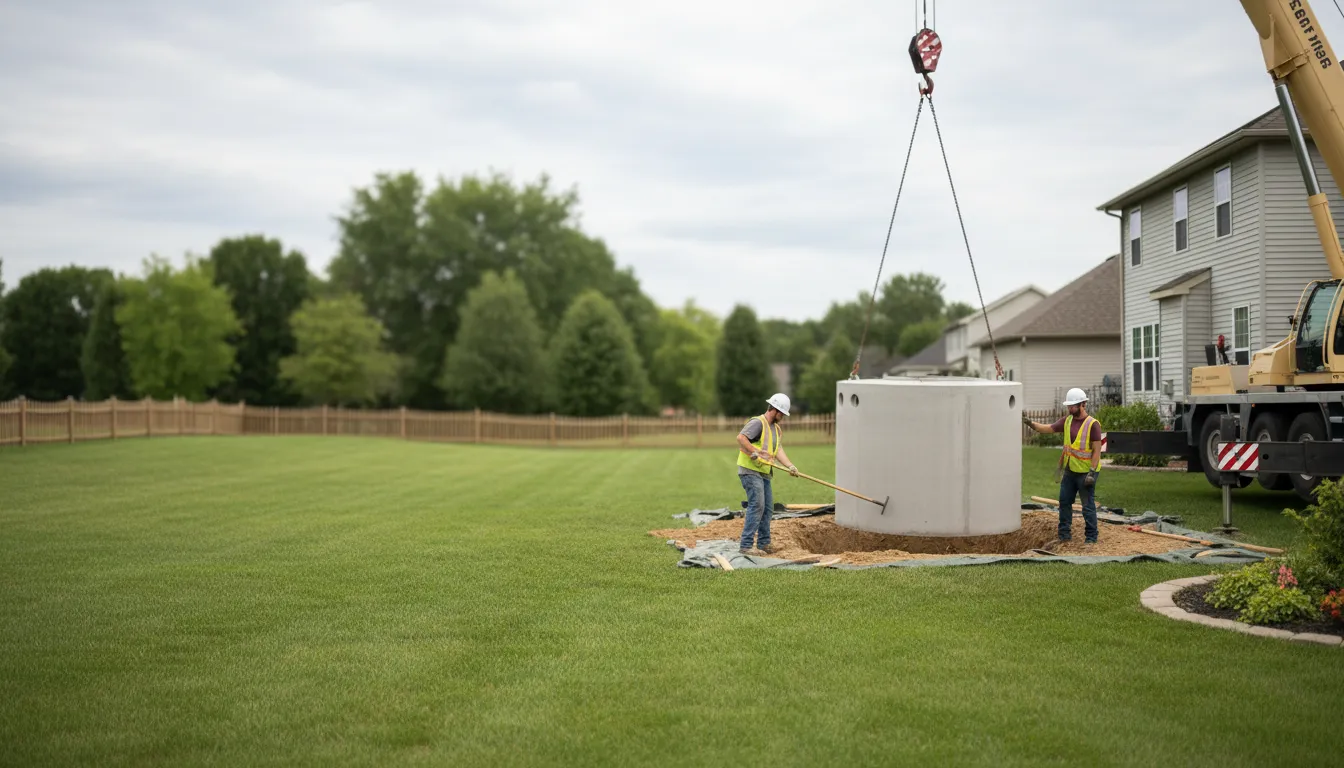
Installing or replacing a septic system is a significant investment in your property's long-term functionality and environmental health. A properly designed and permitted onsite sewage treatment and disposal system ensures safe wastewater management, protects local groundwater, and maintains your home's value. This guide outlines the essential steps, regulations, and considerations for septic tank installation and replacement in Boca Raton, helping you navigate the process and connect with qualified local professionals.
YP Septic Excavations LLC
1474 NE 183rd St, Miami, FL 33179
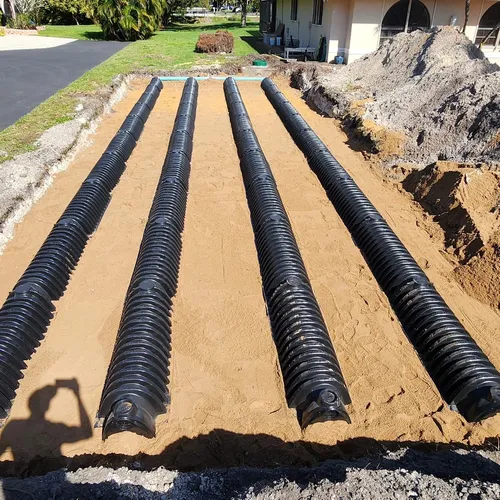
YP Septic Excavations LLC is a family-owned company based in Miami, FL, specializing in septic system installation, repair, and inspection. They provide a range of services including septic tank installations, drain field replacement, lift station repair, and French drainage systems. The company also offers asphalting and concrete pouring to complete projects with a clean, leveled finish. Founded in 2021 by Yosbel Paez, YP Septic Excavations LLC has completed over 500 projects and focuses on delivering customized, environmentally conscious solutions.
All City Septic
10501 S Camelot Cir, Davie, FL 33328
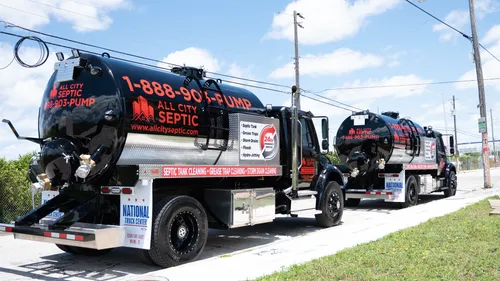
All City Septic is a licensed and insured septic contractor serving Fort Lauderdale, FL, and the surrounding South Florida region. They offer septic tank pumping, installation, and drain field repair or replacement services across Miami-Dade, Broward, Palm Beach, Martin, and St. Lucie counties. The company operates a fleet of septic pump trucks and provides hydro-jetting as part of their service capabilities. As a family-owned business, All City Septic is available 24/7 to meet customer needs.
All City Septic
831 NW 7th Terrace, Fort Lauderdale, FL 33311
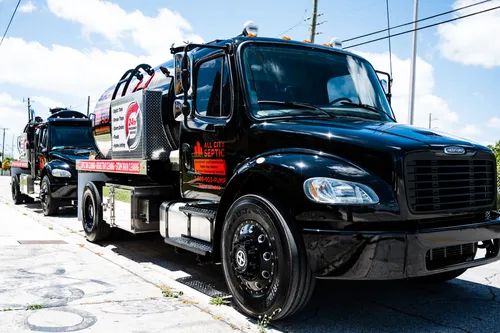
All City Septic is a licensed and insured septic contractor based in Fort Lauderdale, FL. The company provides septic tank pumping, installation, and drain field repair services across South Florida, including Miami-Dade, Broward, and Palm Beach counties. They operate a fleet of septic pump trucks and offer hydro-jetting as part of their septic tank maintenance capabilities. All City Septic is a family-owned business that serves multiple counties and offers 24/7 availability for their services.
Johnson Environmental Services
4600 Powerline Rd, Fort Lauderdale, FL 33309
Johnson Environmental Services is a full-service company based near Fort Lauderdale, FL, offering a range of septic system solutions. They serve Miami-Dade, Broward, and Palm Beach counties, providing installation, pumping, jetting, cleaning, repair, inspection, and modification of septic tanks, drainfields, grease traps, lift stations, sewer lines, and storm drainage systems. The company also specializes in video pipe inspection and rehabilitation of plumbing, sanitary sewer, and storm drainage pipes.
Southern Septic
West Palm Beach, FL
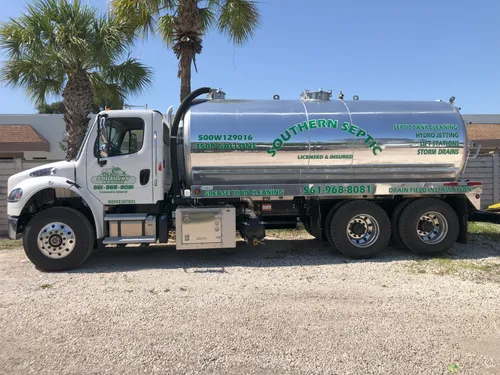
Southern Septic is a family-owned septic service provider based in West Palm Beach, FL, serving Palm Beach, Martin, and Broward Counties. Established in 2009, the company offers a wide range of services including septic tank pumping, inspections, system repairs, drain field maintenance, and septic system installations. They are certified in performance-based systems and provide specialized services such as storm preparation, grease trap maintenance, lift station services, and aerobic treatment unit (ATU) care. Southern Septic is known for handling septic permitting and design, ensuring compliance with local regulations. Their master contractor brings over 20 years of industry experience, and the company offers 24/7 emergency services along with same-day appointments to address urgent septic needs.
Understanding the Septic System Installation Process
The journey to a new septic system in Boca Raton is a multi-stage process governed by state and county health regulations. It begins long before a backhoe arrives on your property. The goal is to design a system that safely treats household wastewater based on your specific property conditions, including soil type, lot size, and proximity to water bodies. A successful installation hinges on proper planning, permitting, and professional execution.
Key phases include:
- Site Evaluation: Determining if your land can support a conventional septic system.
- Permitting: Securing official approval from regulatory authorities.
- Design: Creating engineered plans for the tank and drain field.
- Installation: The physical construction of the system.
- Inspection: Multiple checks to ensure the work meets all codes.
Step 1: The Mandatory Site Evaluation and Soil Testing
The first technical step for any new septic system or major replacement is a site evaluation, which includes a percolation (perc) test. This test is mandatory for new systems and is often required for replacements to determine how quickly soil absorbs water 1. A qualified evaluator, such as a soil scientist or professional engineer, will dig test pits on your property to assess the soil composition, depth to groundwater, and absorption rate.
The results of this evaluation are critical because they dictate:
- System Suitability: Whether a standard septic system is viable or if an advanced treatment system is needed.
- Drain Field Size: The absorption rate determines the necessary size of the leach field.
- System Type: The soil conditions guide the selection of the appropriate septic system technology.
The cost for a professional septic soil test in Florida typically ranges, and it's a foundational expense that informs all subsequent steps 2.
Step 2: Navigating Permits and Regulations in Boca Raton
Septic system work in Florida is highly regulated to protect public health and water resources. In Boca Raton, permits are required for all new installations, repairs, and replacements 3. The permitting process often involves the Florida Department of Health in Broward County (which covers parts of Palm Beach County) or the Florida Department of Environmental Protection (DEP), as some oversight is transitioning between agencies 4.
Key Permit Requirements:
- Construction Permit: This is the primary permit for installing a new system. The application packet requires a detailed site plan, the results of the soil evaluation, and engineered system designs.
- Setback Regulations: Strict rules dictate how far the system must be from various features. Key setbacks include 75 feet from any water body (like lakes or canals) and 5 feet from storm sewers 5.
- Fees: Permit fees are standardized. For a new system, the permit fee is approximately $260, which typically covers two inspections. Additional fees may include a $100 plan review fee and a $165 site evaluation fee if performed by Health Department staff 6.
Step 3: System Design and Engineering
For a standard septic system in Boca Raton, professional engineering is usually required. Using the data from the site evaluation, an engineer will design the complete system, including:
- The size and type of septic tank (often 1,000-1,500 gallons for a standard home).
- The layout, size, and construction specifications for the drain field (leach field).
- The piping network and any necessary pumps or distribution boxes.
These engineered septic tank plans become part of your permit application and serve as the blueprint for the installer 7. The design must comply with all Florida septic tank requirements, which are designed to ensure effective treatment and prevent contamination.
Find the perfect septic tank installation & replacement contractors for your needs
Get personalized recommendations and expert advice
Step 4: Professional Installation and Critical Inspections
Once permits are secured, a licensed septic contractor can begin installation. This involves excavating for the tank, placing it, constructing the drain field with specific materials like gravel and perforated pipe, and connecting all components to your home's plumbing.
Inspections are a non-negotiable part of the process and occur at three key stages 8 9:
- Pre-Installation/Initial Inspection: Confirms the site layout and staking before digging begins.
- Mid-Project Inspection: Occurs after the tank and drain field trenches are dug and the piping is laid, but before they are backfilled. This ensures everything is built to the approved plan.
- Final Inspection: Conducted after the system is completely installed and covered. Approval from this inspection is required for the system to be legally operational.
Note: Florida law allows for inspections to be performed by qualified private providers in addition to county health department staff, which can offer more scheduling flexibility 10.
Cost Considerations for Installation & Replacement
The total cost for a septic system installation in Boca Raton varies widely based on system size, soil conditions, and site complexity. For a standard conventional system, homeowners can expect starting costs in the range of $5,000 to $10,000 or more. This baseline typically includes the tank, drain field, and basic installation labor.
Important factors that can increase the cost include:
- Engineering and Design Fees: For site plans and system specifications.
- Soil Testing Fees: For the mandatory perc test and evaluation.
- Permit Fees: As outlined by the health department.
- Advanced System Requirements: If poor soil conditions necessitate an aerobic treatment unit (ATU) or other alternative system, costs can rise significantly to $15,000-$30,000+.
- Site Preparation: Extensive clearing, grading, or excavation can add to the expense.
When is Septic Tank Replacement Necessary?
Understanding when to replace your system is crucial to avoid backups, property damage, and environmental hazards. Consider replacement if you experience:
- Frequent sewage backups or slow drains.
- Soggy ground or standing water over the drain field, especially with foul odors.
- A failed inspection during a real estate transaction.
- The system is approaching or has exceeded its typical lifespan (20-40 years for conventional systems).
- You are planning a major home addition that increases wastewater flow beyond the system's design capacity.
The replacement process follows the same permitting and installation steps as a new installation, starting with a new site evaluation to confirm the existing location is still suitable or to design a new drain field area 11.
Maintaining Your New Septic System
After a successful installation, proper maintenance is key to longevity. This includes regular pumping every 3-5 years, conserving water to avoid overloading the drain field, and avoiding flushing harmful chemicals or non-biodegradable materials. A well-maintained system can protect your investment and the local environment for decades.
Frequently asked questions
Sources
Footnotes
-
Perc Test for Septic System: A Complete Guide - https://landperc.com/perc-test-for-septic-system/ ↩
-
How Much Does a Septic Soil Test Cost in 2026? - Land Perc - https://landperc.com/septic-soil-test-cost/ ↩
-
Septic Permits in Florida: Do You Need One? (2025 Guide) - https://landperc.com/do-i-need-a-permit-for-a-septic-system-in-florida/ ↩
-
Onsite Sewage FAQ - Permitting | Florida Department of ... - https://floridadep.gov/water/onsite-sewage/content/onsite-sewage-faq-permitting ↩
-
Onsite Sewage Program | Florida Department of Environmental ... - https://floridadep.gov/water/onsite-sewage ↩
-
Instructions for New Septic System Permit Application - https://broward.floridahealth.gov/wp-content/uploads/sites/9/2025/04/NewSystemApplicationPacket.pdf ↩
-
Septic Tank Plans: A Complete Homeowner's Guide - Land Perc - https://landperc.com/septic-tank-plans-guide/ ↩
-
Florida Septic Tank Requirements | Onsite Sewage Treatment ... - https://www.ntotank.com/blog/florida-septic-tank-requirements ↩
-
Septic Inspections Made Easy: What Every Contractor Needs ... - https://flengineeringllc.com/septic-inspections-guide-contractors-2025/ ↩
-
Septic Systems - Florida Department of Health - https://www.floridahealth.gov/community-environmental-public-health/environmental-public-health/water-quality/septic-systems/ ↩
-
Florida New Septic System Law: What Homeowners Need to ... - https://rooterone.com/florida-homeowners-new-septic-system-law/ ↩