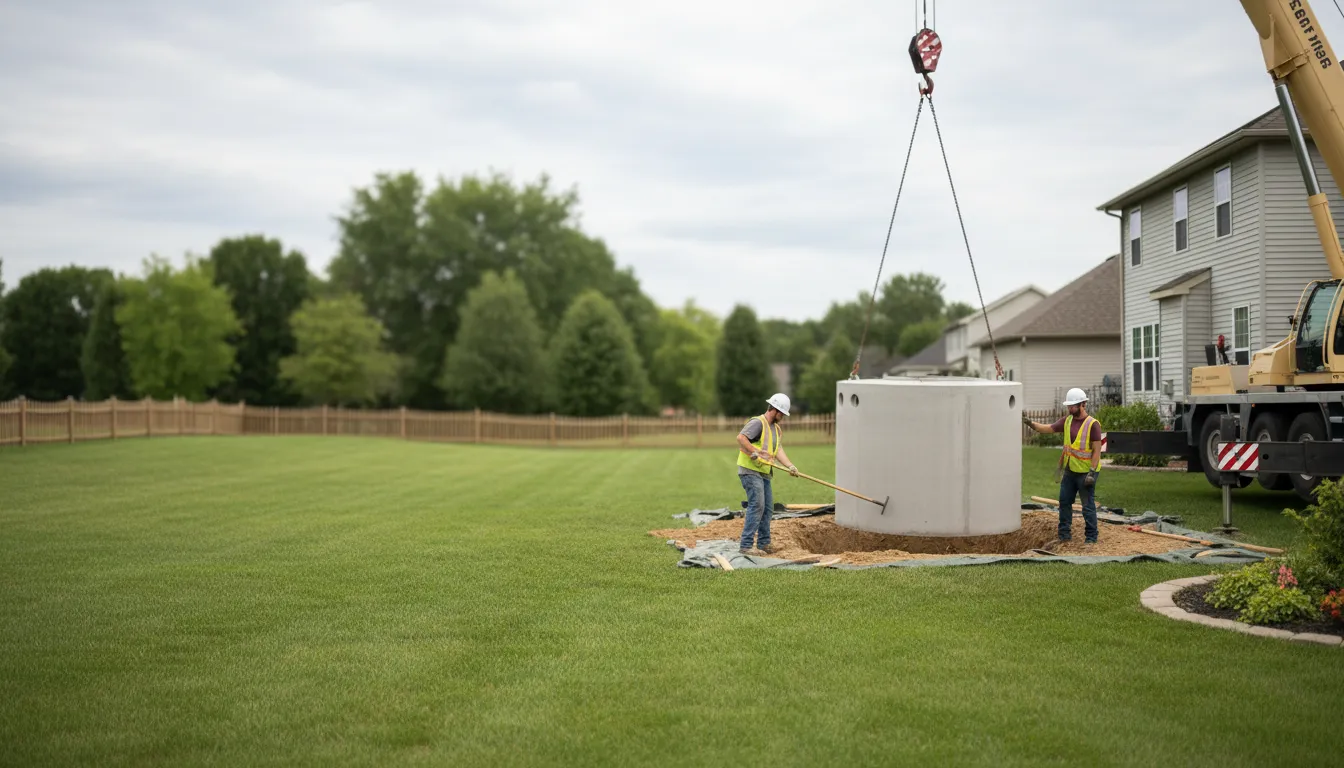
Find the Best Septic Tank Installation & Replacement Contractors for Your Business
No obligation • Fast responses • Nationwide coverage

Why you can trust Septic Spot
Septic Spot is a leading United States resource for understanding and comparing septic services. Our editors review providers using consistent criteria and verify key business details. Listings and scores are independent, and companies cannot pay to influence our content.
Search providers near you
Top Septic Tank Installation & Replacement Contractors in Tallahassee, Florida Ranked
Installing or replacing a septic system is a significant project that requires careful planning and adherence to strict local regulations. In Tallahassee, this process is governed by the Florida Department of Environmental Protection (FDEP) and detailed in the Florida Administrative Code. A properly installed system is crucial for protecting your property, public health, and North Florida's sensitive environment. This guide explains the key steps, requirements, and considerations for septic system work in Leon County, helping you understand what to expect and how to connect with qualified local professionals.
Brian's Septic Service
4973 Capital Cir SE, Tallahassee, FL 32311
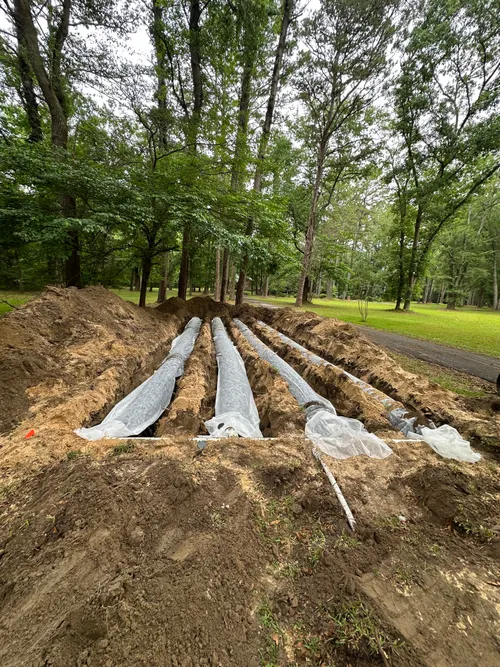
Brian's Septic Service is a septic tank pumping, inspection, repair, and installation company serving Tallahassee, FL. They offer a wide range of services including septic tank cleaning, drainfield repair, grease trap cleaning, aerobic system installation, and permit assistance. The company uses state-of-the-art equipment for septic tank installations and provides thorough inspections for both residential and commercial properties. Their capabilities include complete repair services such as septic pump repair and replacement, as well as soil testing and site evaluations to ensure proper system function. Brian's Septic Service also assists with FHA septic tank inspections and offers financing options through a local credit union.
Apalachee Backhoe & Septic Tank, LLC
4104 Apalachee Pkwy, Tallahassee, FL 32311
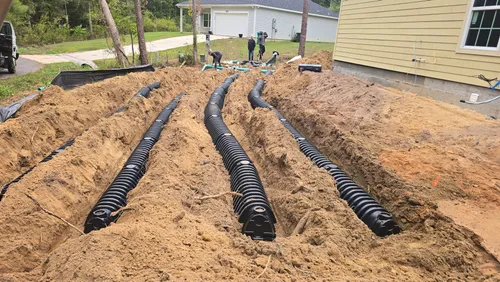
Apalachee Backhoe & Septic Tank, LLC provides septic system installation, inspection, maintenance, and repair services in Tallahassee, FL. They serve Tallahassee and nearby communities including Crawfordville, Quincy, and Monticello. The company handles complex septic projects and offers specialized services such as grease trap cleaning, septic system design, permitting assistance, and odor control. With over 30 years of experience, they focus on maintaining safe and effective onsite sewage treatment systems to protect local water quality and property values.
Good Soil Septic Service
Tallahassee, FL
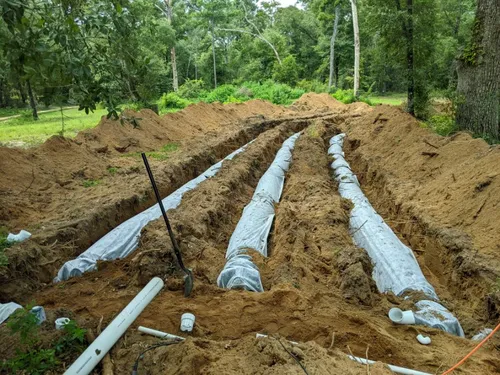
Good Soil Septic Service is a family-owned company based in Tallahassee, FL, specializing in septic system solutions. They focus on drain field repairs, septic tank pumping, inspections, installations, and septic system repairs. Their services include site evaluation, soil testing, permitting, and installation to ensure effective septic system functioning. Good Soil Septic Service emphasizes environmental sustainability and works closely with homeowners and installers to diagnose system failures and find optimal repair solutions.

Miller Septic Services
Tallahassee, FL
Miller Septic Services is a septic tank pumping, inspection, repair, and installation company serving Tallahassee, FL. They offer a range of services including new septic tank installations using modern equipment, septic tank inspections for both residential and commercial properties, grease trap cleaning, and drainfield repair. The company also assists with permit acquisition and real estate inspections required for FHA loans. One notable capability is their alternative drainfield repair method, which can fix failing systems without the need for full drainfield replacement.
Understanding the Regulatory Landscape
All septic system installation and replacement work in Tallahassee falls under state oversight. The FDEP, in conjunction with local authorities, enforces regulations found in Chapter 62-6 of the Florida Administrative Code 1. This means you cannot simply hire any contractor to dig a hole for a tank. The work must be performed by a state-licensed septic tank contractor or a licensed plumber authorized to do this type of work. The primary goal of these regulations is to ensure that wastewater is treated effectively in the soil without contaminating groundwater, which is a critical resource in our region.
A crucial recent change for Tallahassee and Leon County residents is that septic system permits are now primarily overseen by the FDEP, though local coordination is still essential 2. This state-level management standardizes the process but means your contractor must be familiar with state-specific application forms and procedures.
The First Critical Step: The Site Evaluation and Percolation Test
Before any design or permit application can be submitted, a mandatory site evaluation must be completed. The cornerstone of this evaluation is the percolation test (often called a "perc test") 3.
- Purpose: This test measures the soil's absorption rate-how quickly water drains through it. The results directly determine if the soil is suitable for a conventional drain field and how large that field needs to be 4.
- Process: A licensed professional will dig test holes in the proposed drain field area, saturate the soil, and then measure the drop in water level over a set time. A slow absorption rate may require a larger drain field or a more advanced system type.
- Requirement: This test is not optional for new installations or major replacements. The data from the perc test is required to design a system that matches your property's specific conditions and is submitted with your permit application.
Navigating the Permit Process
Once you have your site evaluation data, the formal permitting process begins. This is a multi-step procedure that your licensed contractor will typically manage on your behalf.
- Application Submission: Your contractor will submit an application for a construction permit to the FDEP. This often involves using specific state forms, like DOH Form 4015, and includes the site evaluation report, a detailed system design, and a site plan 5 6.
- Plan Review: The FDEP reviews the submitted plans to ensure compliance with all state standards for tank size, drain field design, and, critically, setback requirements. These are strict minimum distances the system must maintain from wells, property lines, buildings, and surface water bodies like lakes or streams 7.
- Permit Issuance: Once approved, the construction permit is issued. It's illegal to begin any excavation or installation work before receiving this permit.
- Fees: Permit fees vary based on the project's scope and complexity but generally amount to several hundred dollars 8.
System Types and Cost Considerations
The type of system installed depends largely on the results of the perc test and your property's characteristics. A standard conventional gravity system may be suitable for well-draining soils. However, many areas in and around Tallahassee have soil with poor percolation, high groundwater, or limited space, which may necessitate an advanced treatment system, such as an aerobic treatment unit (ATU) or a mound system.
Costs for septic system installation and replacement can vary widely. While minor repairs are less expensive, a complete new installation is a significant investment. Factors influencing cost include:
- Soil conditions (poor soil requires more complex, costly systems)
- System type and size (standard vs. aerobic)
- Tank material (concrete, fiberglass, plastic)
- Accessibility of the site
- Local labor rates
Based on discussions and estimates in the Florida region, complete new system installations can range from several thousand dollars for a basic system in ideal conditions to over $20,000 for advanced systems in challenging sites 9. It is essential to get detailed, written estimates from multiple licensed contractors.
Find the perfect septic tank installation & replacement contractors for your needs
Get personalized recommendations and expert advice
The Installation Process and Mandatory Inspections
With permit in hand, the physical installation can begin. This process is monitored through required inspections to ensure the work matches the approved plans. Key inspections often include:
- Pre-Installation/Layout Inspection: An inspector may verify the staking and layout of the proposed system components before digging begins.
- Mid-Project Inspections (as needed): These may check that the correct tank size has been placed, proper setbacks are maintained, and the excavation is correct.
- Final Inspection: This is the most critical inspection. It occurs after the tank and drain field are installed but before they are backfilled and covered. The inspector will check for proper construction and often require a leak test or pressure test on the tank and piping to ensure integrity 10 11. Passing this final inspection is required to close the permit.
When is Replacement Mandatory?
Understanding when a system must be replaced is as important as knowing how to install a new one. Beyond total failure, a common trigger for a mandatory system upgrade or replacement in Florida is adding a bedroom to your home 12. Local regulations tie the required septic system capacity (measured in gallons per day) to the number of bedrooms. Adding a bedroom increases the assumed sewage load, and the existing system may no longer be considered adequate, legally requiring an upgrade to a larger system.
Other reasons for replacement include irreversible drain field failure, damage to the tank, or changes in property use. If you are purchasing a home with an older system, a thorough inspection by a licensed contractor is highly recommended.
Working with Licensed Professionals
Your choice of contractor is the most important decision you will make. Always verify that any professional you consider holds a valid Florida State Septic Tank Contractor's License or the appropriate plumbing license 13. A reputable contractor will:
- Handle the entire permit application process.
- Conduct or arrange for the mandatory site evaluation.
- Design a system compliant with FDEP and Leon County requirements.
- Schedule and coordinate all necessary inspections.
- Provide a detailed written contract outlining scope of work, materials, timeline, and total cost.
Taking the time to understand the process for septic tank installation and replacement in Tallahassee empowers you as a homeowner. By knowing the rules, the steps involved, and the importance of working with qualified experts, you can ensure your project protects your investment and our local environment for years to come.
Frequently asked questions
Sources
Footnotes
-
62-6 Standards for Onsite Sewage Treatment and Disposal ... - https://pasco.floridahealth.gov/wp-content/uploads/sites/53/2025/06/62-6.pdf ↩
-
Building Plans Review and Inspection - Leon County Government - https://cms.leoncountyfl.gov/Government/Departments/Development-Support-Environmental-Management/Building-Plans-Review-and-Inspection ↩
-
How Much Does a Septic Soil Test Cost in 2026? - Land Perc - https://landperc.com/septic-soil-test-cost/ ↩
-
Perc Test for Septic System: A Complete Guide - https://landperc.com/perc-test-for-septic-system/ ↩
-
New Septic System Application Requirements - Florida Department ... - https://lee.floridahealth.gov/programs-and-services/environmental-health/onsite-sewage-disposal/permits/ostds-new-permit/ ↩
-
Local Septic Regulations Florida Homeowners Should Know - https://www.yoursepticmasters.com/local-septic-regulations-florida-homeowners-should-know ↩
-
Florida Well and Septic System Placement Regulations for ... - https://flengineeringllc.com/florida-well-septic-placement-2025/ ↩
-
Septic Tank Plans: A Complete Homeowner's Guide - Land Perc - https://landperc.com/septic-tank-plans-guide/ ↩
-
What are the costs and maintenance requirements for new ... - https://www.facebook.com/groups/TinyHouseFL/posts/2594963570663282/ ↩
-
Septic Inspections Made Easy: What Every Contractor Needs to ... - https://flengineeringllc.com/septic-inspections-guide-contractors-2025/ ↩
-
Your Complete Guide to Septic System Inspections in Florida - https://southernsepticanddesign.com/septic-services-blog/your-complete-guide-to-septic-system-inspections-in-florida-what-contractors-and-property-owners-need-to-know/ ↩
-
Florida New Septic System Law: What Homeowners Need to Know - https://rooterone.com/florida-homeowners-new-septic-system-law/ ↩
-
Septic Contracting Frequently Asked Questions - https://floridadep.gov/water/onsite-sewage/content/septic-contracting-frequently-asked-questions ↩