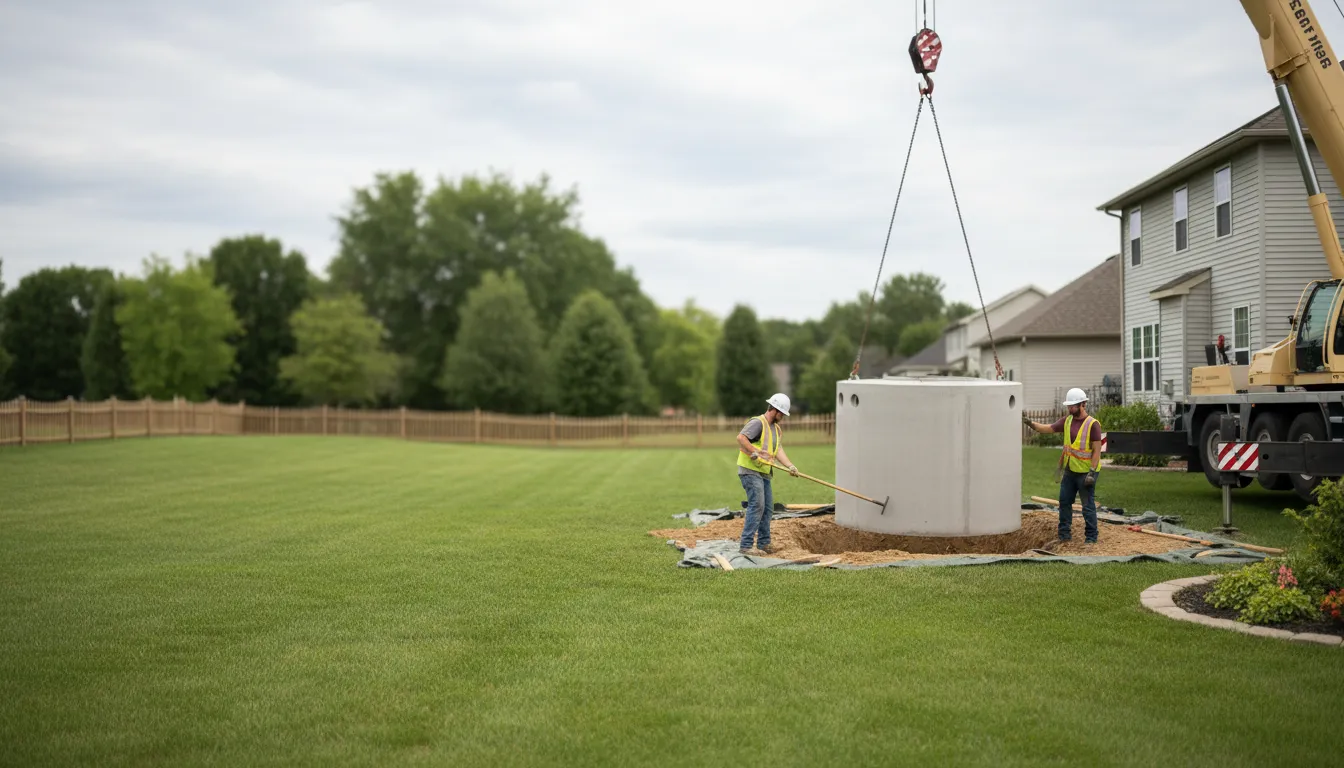
Find the Best Septic Tank Installation & Replacement Contractors for Your Business
No obligation • Fast responses • Nationwide coverage

Why you can trust Septic Spot
Septic Spot is a leading United States resource for understanding and comparing septic services. Our editors review providers using consistent criteria and verify key business details. Listings and scores are independent, and companies cannot pay to influence our content.
Search providers near you
Top Septic Tank Installation & Replacement Contractors in Miami, Florida Ranked
Installing or replacing a septic system in Miami is a significant project governed by strict local environmental regulations. This process ensures that wastewater is treated effectively to protect South Florida's unique and sensitive ecosystem, including its high water table and proximity to the Everglades and Biscayne Bay. For homeowners, this means navigating a detailed process of site evaluation, engineered design, permitting, and professional installation. The following guide will help you understand the requirements, steps, and key considerations for a successful septic system project in Miami-Dade County.
Septic Masters
3250 Mary St #307, Miami, FL 33133
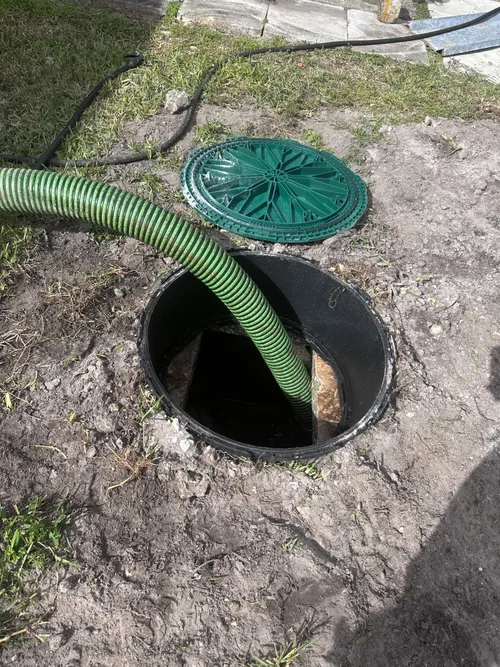
Septic Masters provides septic tank pumping, inspection, repair, and installation services in Miami, FL. They also offer storm drain cleaning to help prevent flooding and water damage. Their team uses advanced equipment to thoroughly inspect and clean septic systems, including removing solid waste and sludge to maintain proper function. Septic Masters serves both traditional and modern septic systems and also specializes in grease trap cleaning to enhance waste management efficiency. Their services are designed to meet the needs of residential and commercial properties in the Miami area.
YP Septic Excavations LLC
1474 NE 183rd St, Miami, FL 33179
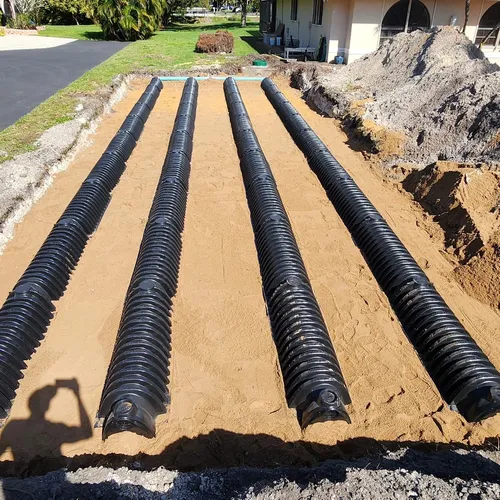
YP Septic Excavations LLC is a family-owned company based in Miami, FL, specializing in septic system installation, repair, and inspection. They provide a range of services including septic tank installations, drain field replacement, lift station repair, and French drainage systems. The company also offers asphalting and concrete pouring to complete projects with a clean, leveled finish. Founded in 2021 by Yosbel Paez, YP Septic Excavations LLC has completed over 500 projects and focuses on delivering customized, environmentally conscious solutions.
SoFLo Septic & Plumbing
Miami, FL
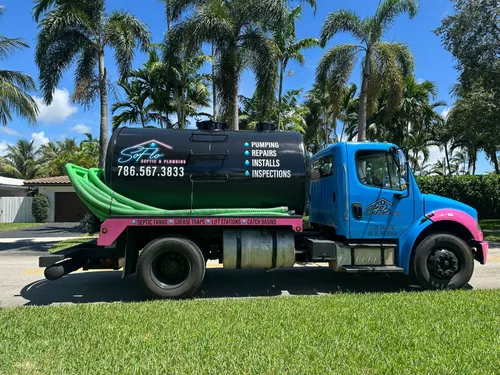
SoFLo Septic & Plumbing provides septic tank pumping, system repairs, and installation services in Miami, FL. They serve Miami-Dade and Broward counties, offering a full range of septic and plumbing solutions including grease trap pumping, storm drain cleaning, and high-pressure hydro jetting for clogged drains. Their capabilities include septic system design, permitting, and installation. The company is licensed, insured, and available 24/7 for emergency services.
All City Septic
9715 SW 16th St, Miami, FL 33165
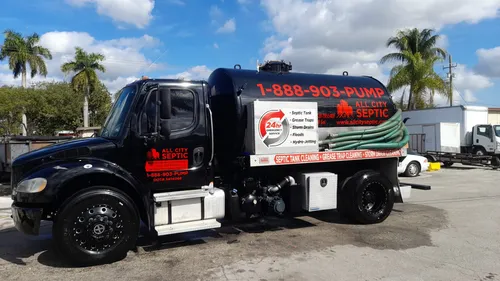
All City Septic is a licensed and insured septic contractor based in Miami, FL. The company provides septic tank pumping, installation, and drain field repair or replacement services across Miami-Dade, Broward, and Palm Beach counties, with additional coverage in Martin and St. Lucie counties. They operate a fleet of septic pump trucks and offer hydro-jetting as part of their service capabilities. All City Septic is a family-owned business committed to long-lasting drain field systems and offers 24/7 availability for septic services.
SEPTIC TANK SERVICES | AAA PRO PLUMBING
Miami, FL
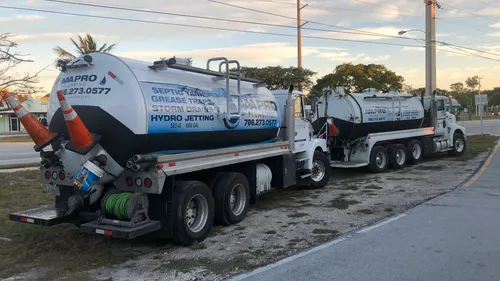
SEPTIC TANK SERVICES | AAA PRO PLUMBING provides septic tank pumping, repair, and installation services in Miami, FL. They serve a wide range of communities throughout the Miami area, including Coral Gables, Aventura, and Miami Gardens. Their services include septic system repair and septic tank cleaning, addressing various septic system needs. The company offers comprehensive septic solutions tailored to residential and commercial properties across the region.
Understanding Miami-Dade's Septic System Regulations
Miami-Dade County has implemented some of the most stringent onsite sewage treatment and disposal system (OSTDS) rules in Florida. These regulations are designed to address the region's specific environmental challenges, such as a high water table, porous limestone bedrock, and the critical need to protect groundwater from contamination.
The cornerstone of current policy is Ordinance 22-83, which took effect on January 1, 2023. This ordinance fundamentally changes what types of systems can be installed. It prohibits the use of conventional septic tank and drainfield systems for any new installation or a total system replacement. Instead, the law mandates the use of advanced, non-conventional treatment systems. These are classified as Type 2, Type 3, or Type 4 systems, which provide a higher level of wastewater treatment before the effluent is released into the soil.
Key regulatory setbacks you must be aware of include:
- A minimum 36-inch vertical separation is required between the bottom of the drainfield and the wet season high water table.
- Systems must be at least 100 feet from any surface water (like canals or ponds) and 50 feet from property lines.
- All existing septic systems must be registered with the Department of Environmental Resources Management (DERM), Miami-Dade's permitting and enforcement agency for septic systems 1.
The Step-by-Step Process for Installation or Replacement
Replacing a failing septic tank or installing a new system on a property without public sewer access is a multi-stage process that requires professional guidance from start to finish.
1. Initial Site Evaluation and Soil Testing
Before any plans are drawn, a qualified professional must conduct a comprehensive site evaluation. This is more than a traditional perc test; it involves determining the soil's permeability, identifying the seasonal high water table level, and assessing the overall suitability of the land for an advanced treatment system. This evaluation is critical, as the findings will dictate the type of system that can be installed and its design. This step typically costs between $500 and $1,500.
2. Engineered System Design
Given the complexity of advanced treatment systems and Miami-Dade's specific code requirements (outlined in Rule 50-3006), a licensed professional engineer must design the septic system 2. The engineer creates detailed plans that specify the exact technology (e.g., aerobic treatment unit, drip irrigation, packed media filter), its placement, and how it will meet all county setbacks and performance standards. Engineering and plan preparation fees generally range from $2,000 to $5,000.
3. Permit Application with DERM
The engineered plans, along with the site evaluation report and a completed application, must be submitted to Miami-Dade DERM for review and approval. The agency will check for compliance with all ordinances and building codes. Permit fees can vary but often fall between $500 and $1,500, depending on the scope and value of the project. It is illegal to begin any construction before receiving the approved permit from DERM.
4. Selecting a Licensed Installation Contractor
Choosing the right contractor is paramount. You must select a septic contractor who is licensed, insured, and highly experienced with installing the specific type of advanced treatment system your project requires. They should be familiar with DERM's inspection protocols and local subcontractors for tasks like excavation and electrical work. Always verify their license with the state and ask for references from recent projects in Miami-Dade.
Find the perfect septic tank installation & replacement contractors for your needs
Get personalized recommendations and expert advice
5. Installation and Critical Inspections
Once the permit is in hand, the licensed contractor can begin the physical installation. This involves excavation, setting the treatment tank and pump chamber (if needed), and installing the specialized drainfield. A crucial milestone occurs before the system is covered with soil. At this point, a final inspection must be conducted by a DERM inspector 3 4. This inspection verifies that the installation matches the approved plans, checks for leaks, may include pressure testing of pipes, and ensures the drainfield is installed correctly 4. There is typically an inspection fee of $200 to $500. Only after passing this inspection can the system be backfilled and the surface restored.
Cost Breakdown for a Septic System Project
The total investment for a new or replacement septic system in Miami is substantial, reflecting the cost of advanced technology, engineering, and rigorous permitting. Homeowners should budget for the following components:
- New/Replacement System Installation: This is the largest cost variable, typically ranging from $8,000 to over $25,000. The final price depends on the type of advanced system required (Type 2, 3, or 4), the size of the home, soil conditions, and accessibility of the property.
- Site Evaluation & Soil Test: $500 - $1,500.
- Engineering & Design Plans: $2,000 - $5,000.
- DERM Permit Fees: $500 - $1,500.
- Required Inspections: $200 - $500 5 6.
Important Note: These are estimated ranges. For an accurate project-specific estimate, you must obtain quotes from licensed engineers and contractors based on your property's unique conditions.
Maintaining Your New Advanced Treatment System
An advanced onsite wastewater treatment system is more complex than a conventional septic system and requires a different maintenance mindset. Most systems have electrical components, aerators, or pumps that need periodic servicing. Miami-Dade County often requires a maintenance contract with a licensed service provider as a condition of the permit. Regular maintenance (usually annually or semi-annually) is not just a recommendation-it's essential for ensuring the system operates as designed, protects your property and the environment, and remains in compliance with local regulations.
Frequently asked questions
Sources
Footnotes
-
Onsite Sewage Treatment and Disposal Systems (OSTDS) - https://www.miamidade.gov/global/economy/building/ostds.page ↩
-
Miami-Dade County Septic System Standards Update - Civil Engineering Compliance - https://rspengineers.com/civil-engineering-blog/miami-dade-county-septic-system-standards ↩
-
Onsite Sewage FAQ - Permitting | Florida Department of ... - https://floridadep.gov/water/onsite-sewage/content/onsite-sewage-faq-permitting ↩
-
Septic Inspections Made Easy: What Every Contractor Needs ... - https://flengineeringllc.com/septic-inspections-guide-contractors-2025/ ↩ ↩2
-
Services New Septic System Installation | Free Estimate &... - https://miamisepticpros.com/services/new-septic-system-installation/ ↩
-
Septic System Design & Permits in Miami-Dade | Residentia... - https://miamisepticpros.com/septic-design-permits-miami/ ↩