Find the Best Septic Tank Installation & Replacement Contractors for Your Business
No obligation • Fast responses • Nationwide coverage

Why you can trust Septic Spot
Septic Spot is a leading United States resource for understanding and comparing septic services. Our editors review providers using consistent criteria and verify key business details. Listings and scores are independent, and companies cannot pay to influence our content.
Search providers near you
Top Septic Tank Installation & Replacement Contractors in Palm Bay, Florida Ranked
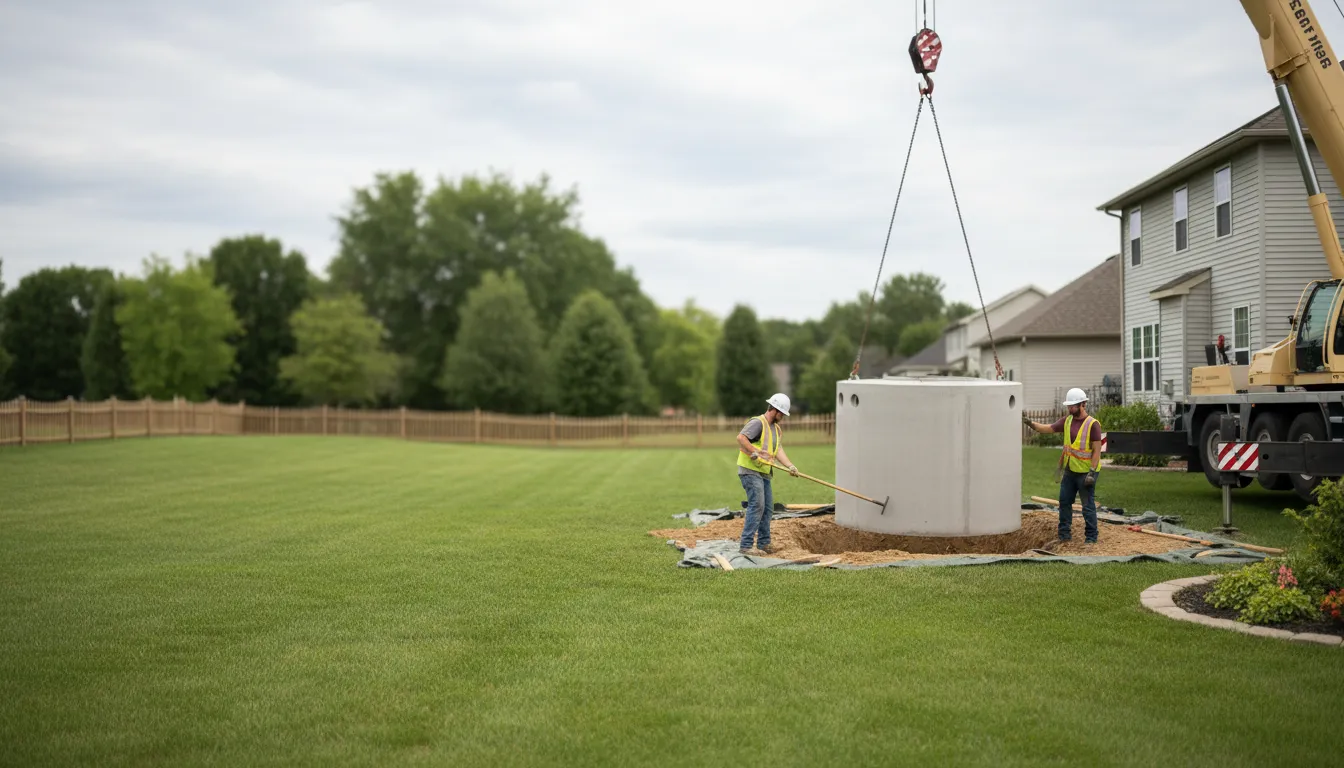
Installing or replacing a septic system is a significant home improvement project that ensures the safe and efficient treatment of household wastewater. In Palm Bay, this process is governed by specific state and county regulations to protect public health and the local environment, including the Indian River Lagoon. Understanding the steps-from permitting and soil testing to choosing a licensed contractor-is crucial for a successful and compliant system. This guide provides the essential information you need to navigate the process and connect with qualified local professionals for your septic project.
Top Notch Septic
454 Martin Rd #105, Palm Bay, FL 32909
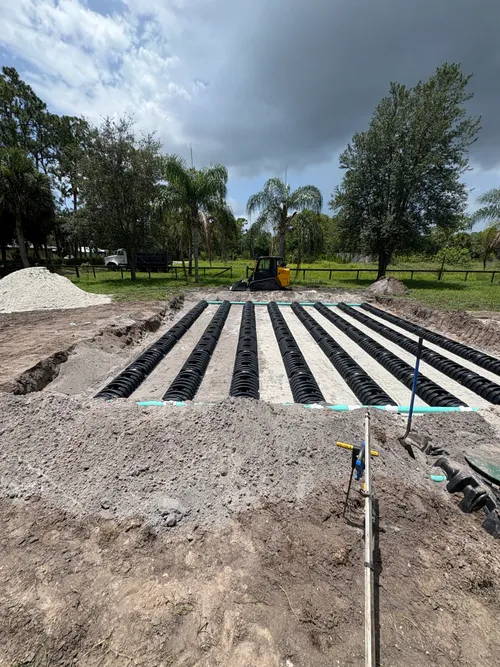
Top Notch Septic is a septic service provider based in Palm Bay, FL, serving all of Brevard County. They offer a range of services including septic tank pumping, inspections for residential and commercial systems, septic system installation, drain field repair or replacement, grease trap pumping, and septic system locating. Their team manages the entire installation process from permit pulling to final inspection, ensuring systems function as designed.
Crotty Septic Services Palm Bay
4450 Gumbo Limbo Ln, Grant-Valkaria, FL 32949
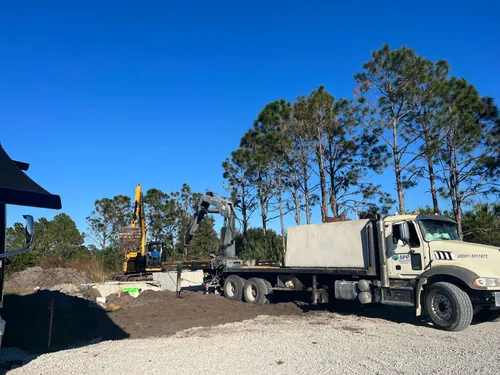
Crotty Septic Services Palm Bay is a septic system contractor serving Palm Bay, FL, and the surrounding region. With over 25 years of experience, they provide residential and commercial septic services including installation, inspection, pumping, repairs, and advanced wastewater system installations. Their capabilities include drainfield repairs and hydro-jet cleaning, ensuring efficient septic system operation. They also offer sitework solutions such as land clearing and grading. Crotty Septic Services covers areas including Brevard, Indian River, and St. Lucie Counties, with expertise in both standard and aerobic treatment systems.
ASAP Onsite Septic and Sewer
2715 Garden St, Malabar, FL 32950
ASAP Onsite Septic and Sewer is a family-owned septic and sewer service provider based near Palm Bay, FL. Serving Brevard and Indian River Counties, the company offers a range of services including septic system installation, drain field repair and replacement, aerobic system maintenance, septic tank pumping, lift station installation and maintenance, grease trap services, and city sewer tie-ins. With over 20 years of experience, ASAP Onsite Septic and Sewer manages the entire process from permitting to final inspection, ensuring compliance with local regulations. The company also provides 24-hour emergency service to address urgent septic and sewer issues promptly.
Blue Cypress Septic
Palm Bay, FL
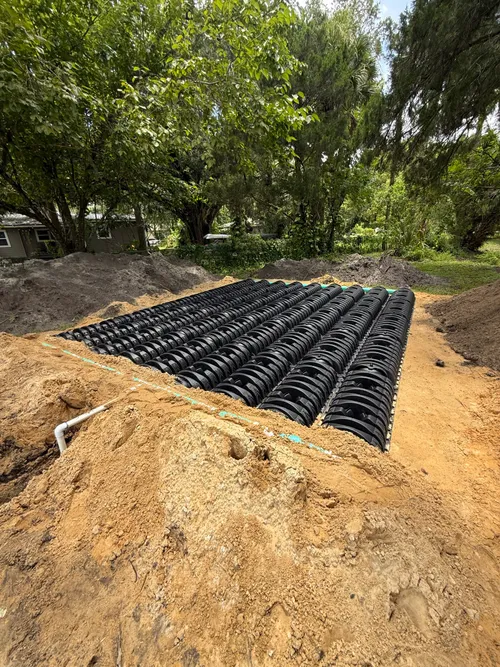
Blue Cypress Septic is a septic tank inspection, repair, and installation company based in Palm Bay, FL. They serve Indian River, Saint Lucie, Brevard, and Palm Beach Counties, providing services for new construction, system repairs, and routine inspections. The company uses the latest Aerobic Treatment Unit technology to enhance septic system performance and offers additional services such as drip irrigation system installation and drain field water testing.
Pence Septic Systems
3160 Dixie Hwy NE, Palm Bay, FL 32905
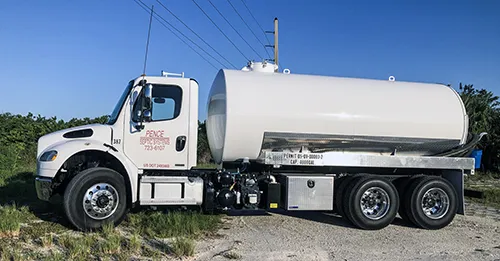
Pence Septic Systems is a locally owned and operated company based in Palm Bay, FL, serving residential and commercial septic system needs throughout Brevard County, including Melbourne, Cocoa, Merritt Island, and Melbourne Beach. They offer a complete range of septic services such as septic tank maintenance, repair, and new system installation. Their capabilities include installing grease traps, concrete or poly septic tanks, aerobic systems, nitrogen reducing systems, multi-pipe drain field systems, and infiltrator chamber systems. Established in 1957, Pence Septic Systems combines decades of experience with licensed and insured technicians to provide reliable septic solutions.
Understanding the Regulatory Landscape
In Florida, all onsite sewage treatment and disposal systems are regulated under Chapter 64E-6 of the Florida Administrative Code. For Palm Bay residents, the permitting authority is the Florida Department of Health (DOH) in Brevard County. This agency is responsible for reviewing applications, issuing construction permits, and conducting mandatory inspections. You cannot legally begin any excavation or installation work for a new or replacement septic system without first obtaining this permit 1.
The state's rules are designed to prevent groundwater contamination, which is especially important in Florida due to its high water table and sensitive ecosystems. The City of Palm Bay also provides resources and information, particularly for properties that may be eligible for its Septic to Sewer Program, which aims to connect homes to municipal sewer lines.
The Step-by-Step Installation Process
A successful septic system installation follows a defined sequence. Skipping or rushing any step can lead to system failure, costly repairs, or regulatory penalties.
1. Site Evaluation and Soil Testing
Before any plans are drawn, a professional site evaluation is required. This is not a simple visual assessment; it involves a detailed analysis of your property's soil and hydrology. A licensed professional, often a soil scientist or professional engineer, will conduct tests, including a soil percolation test, to determine the soil's absorption rate 2. They also establish the seasonal high water table level. This data is critical because it dictates the size and type of drainfield your property can support. The evaluation will also confirm that the proposed location meets all required setbacks from wells, property lines, buildings, and surface water3.
2. System Design and Permit Application
Using the site evaluation report, a system design is created. This plan specifies the tank size (typically based on the number of bedrooms in the home), the drainfield layout, and any necessary components like a pump chamber or lift station for properties with elevation challenges. The permit application, submitted to the Brevard County DOH, includes this design, a site plan, the appropriate application form (like DEP40151), and the required fees4. It is at this stage that you must hire a licensed septic contractor or plumber, as the state requires all installation work to be performed by a licensed professional5.
3. The Inspection Phases
Once the permit is issued and work begins, you can expect two key inspections from the health department:
- Initial/Site Inspection: This occurs after the site is cleared and the trenches or bed for the drainfield are excavated but before any gravel or piping is placed. The inspector verifies the dimensions and depth.
- Mid-Project/System Inspection: This is the most critical inspection. After the septic tank is set and the drainfield piping is laid in the gravel, but before the entire system is covered with soil, the inspector checks everything. They verify tank size, placement, pipe integrity, and the overall construction against the approved design 6. The system cannot be covered until this inspection is passed.
Find the perfect septic tank installation & replacement contractors for your needs
Get personalized recommendations and expert advice
4. Final Backfill and Maintenance Planning
After passing the final inspection, the contractor can backfill the site. As a new system owner, you should receive "as-built" diagrams showing the exact location of all components for future reference. The contractor should also provide guidance on proper system maintenance, including pumping schedules (generally every 3-5 years) and water conservation practices to extend the system's lifespan7.
Key Factors Influencing Your Project
Several variables will determine the complexity, timeline, and cost of your septic system work in Palm Bay.
- Soil Conditions: Poorly draining soil or a high water table may require a more expensive engineered system, such as a mound or aerobic treatment unit (ATU), instead of a conventional gravity-fed system8 9.
- Property Size and Layout: Adequate space for the drainfield and all required setbacks is essential. Smaller or irregularly shaped lots can pose design challenges.
- System Type and Size: A basic 1,000-gallon concrete tank for a three-bedroom home is a standard starting point, but larger homes require larger tanks. The choice between concrete, plastic, or fiberglass tanks also affects price.
- Local Programs: Check if your property is in a designated Septic to Sewer conversion area. Connecting to city sewer involves different costs and processes, with potential financial assistance available through city programs.
Cost Considerations for Palm Bay Homeowners
The total cost for a septic system installation or full septic system replacement in Central Florida can vary widely. For a standard conventional system, homeowners might expect a range from approximately $1,500 on the very low end for a simple repair or small project to $15,000 or more for a complete new installation. The wide range is due to the factors mentioned above.
A standard 1,000-gallon concrete tank alone may cost between $500 and $90010. However, this is just one component. The total project cost includes the site evaluation, permit fees, excavation, tank, drainfield materials (gravel, piping), labor, and inspections. If your site requires a pump or a specially engineered system due to soil or space constraints, costs can increase significantly11. Furthermore, if you are pursuing a sewer connection through the city's program, homeowners can face costs exceeding $12,00012. It is crucial to get detailed, written estimates from multiple licensed contractors that break down all anticipated costs.
Choosing a Licensed Professional
Your contractor is your most important partner in this process. Always verify that any professional you contact holds an active Florida septic contractor license or the appropriate plumbing license13. You can ask for their license number and confirm its status with the Florida Department of Business and Professional Regulation (DBPR). A reputable contractor will:
- Be familiar with Brevard County DOH procedures.
- Handle or guide you through the permit application.
- Provide references from past clients in the area.
- Offer a detailed written contract outlining scope of work, materials, timeline, and total cost.
- secure all necessary inspections.
Frequently asked questions
Sources
Footnotes
-
Septic Permits in Florida: Do You Need One? (2025 Guide) - https://landperc.com/do-i-need-a-permit-for-a-septic-system-in-florida/ ↩
-
Septic Tank Plans: A Complete Homeowner's Guide - Land Perc - https://landperc.com/septic-tank-plans-guide/ ↩
-
Septic Tank Design 3 Chambers: A Complete Guide - https://landperc.com/septic-tank-design-3-chambers/ ↩
-
Onsite Sewage FAQ - Permitting | Florida Department of ... - https://floridadep.gov/water/onsite-sewage/content/onsite-sewage-faq-permitting ↩
-
Septic Systems | City of Palm Bay, FL - https://www.palmbayfl.gov/government/city-departments-a-to-e/customer-service/septic-system-information ↩
-
Florida Septic Tank Requirements | Onsite Sewage Treatment ... - https://www.ntotank.com/blog/florida-septic-tank-requirements ↩
-
Septic Systems - Florida Department of Health - https://www.floridahealth.gov/community-environmental-public-health/environmental-public-health/water-quality/septic-systems/ ↩
-
Septic Inspections Made Easy: What Every Contractor Needs ... - https://flengineeringllc.com/septic-inspections-guide-contractors-2025/ ↩
-
Florida Septic Systems Guide: Installation & Care - https://nfmplumbing.com/septic-tank-plumbing/ ↩
-
Residential Septic Tank Pricing | Homeowner's Guide to Costs - https://www.ntotank.com/blog/residential-septic-tank-pricing ↩
-
How Expensive Is A Septic Installation In Central Florida - https://www.anzaldoseptic.com/how-expensive-is-a-septic-installation-in-central-florida/ ↩
-
Septic to Sewer Program: Frequently Asked Questions - https://www.palmbayfl.gov/government/city-departments-f-to-z/housing-programs/septic-to-sewer-program-frequently-asked-questions ↩
-
Septic Contracting Frequently Asked Questions - https://floridadep.gov/water/onsite-sewage/content/septic-contracting-frequently-asked-questions ↩