Find the Best Septic Tank Installation & Replacement Contractors for Your Business
No obligation • Fast responses • Nationwide coverage

Why you can trust Septic Spot
Septic Spot is a leading United States resource for understanding and comparing septic services. Our editors review providers using consistent criteria and verify key business details. Listings and scores are independent, and companies cannot pay to influence our content.
Search providers near you
Top Septic Tank Installation & Replacement Contractors in Gainesville, Florida Ranked
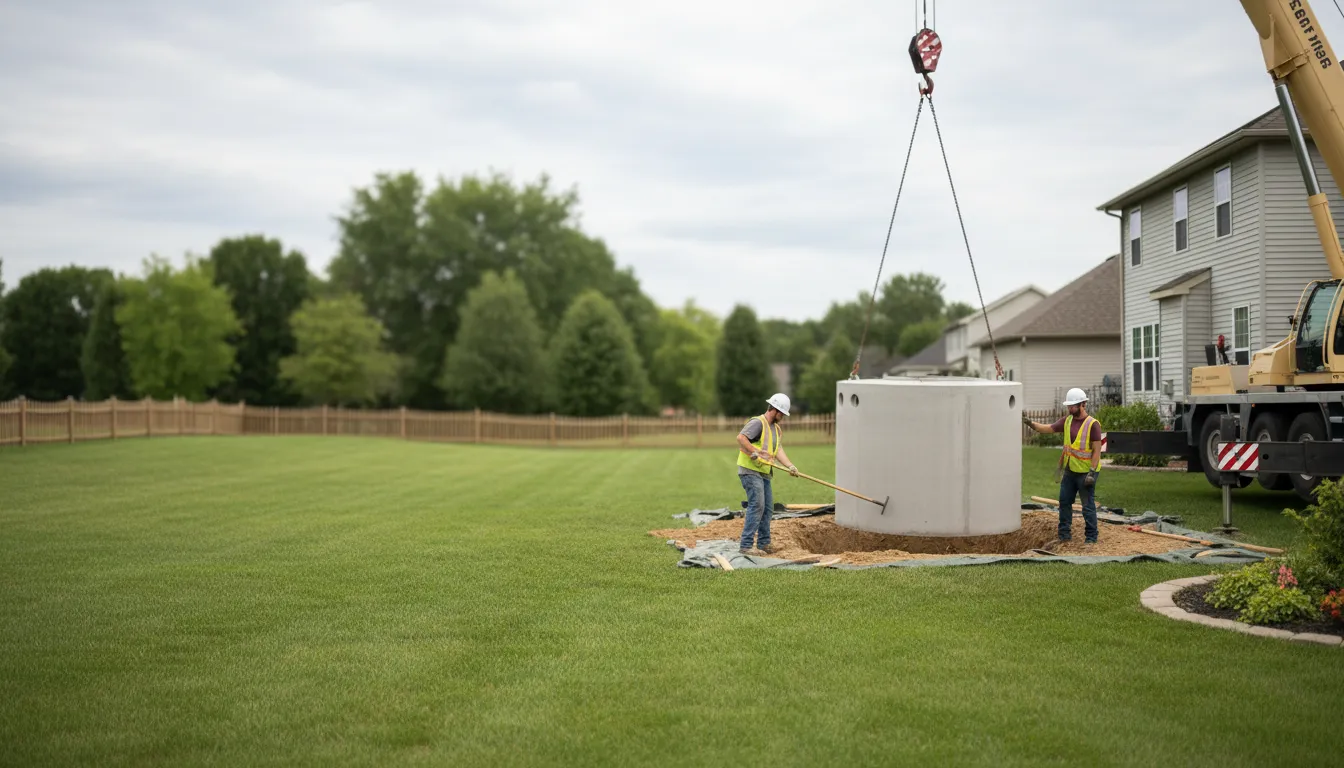
Installing or replacing a septic system is a significant home infrastructure project that ensures the safe and efficient treatment of household wastewater. In Gainesville, this process is governed by specific state and local regulations designed to protect public health and the local environment, including Lake Lanier. Understanding the steps, requirements, and local expertise needed can help you navigate this essential project smoothly. The following guide provides a detailed overview of what to expect when planning for a new septic system or a full system replacement in the Gainesville area.
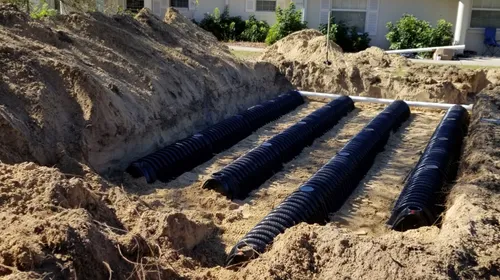
MODERN SEPTIC & PLUMBING
10980 W Hwy 318, Reddick, FL 32686
MODERN SEPTIC & PLUMBING is a locally owned company providing septic tank pumping, inspection, repair, and installation services in Gainesville, FL. They serve both residential and commercial clients with services including drainfield repair, grease trap maintenance, and septic system inspections for real estate transactions. The company also offers RV pump out and site preparation services, handling projects with professional-grade equipment and attention to code compliance.
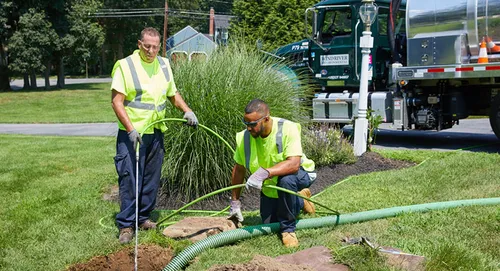
Wind River Environmental of Gainesville, FL
224 NE 16th Ave, Gainesville, FL 32601
Wind River Environmental of Gainesville, FL provides septic tank pumping, installation, and plumbing services for residential, commercial, municipal, and industrial clients in Gainesville, FL. The company offers customized solutions including drain cleaning and grease trap maintenance, supported by certified technicians who emphasize environmental responsibility and compliance with local regulations. With over 20 years of experience, they are part of a larger network that brings advanced technology and resources to their service delivery. They also provide 24/7 availability for urgent septic and plumbing needs.
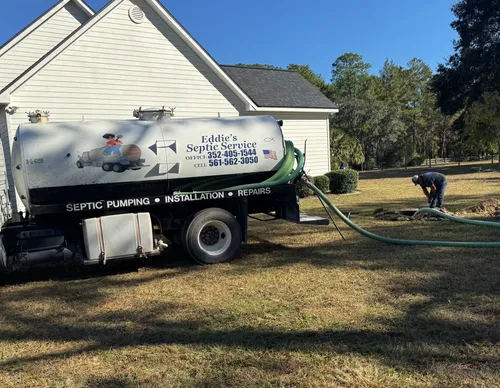
Eddie's septic service
Gainesville, FL
Eddie's Septic Service is a septic tank installation contractor based in Gainesville, FL. They provide expert septic tank installations and related services aimed at maintaining efficient and reliable septic systems. The company focuses on ensuring smooth operation of septic systems for their customers in the Gainesville area.
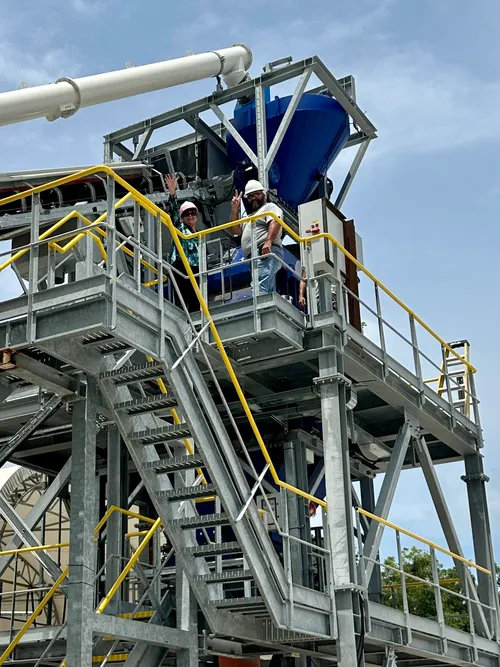
Florida Septic, Inc.
5757 SE 211th St, Hawthorne, FL 32640
Florida Septic, Inc. is a family-owned manufacturer and installer of commercial concrete precast septic tanks based in Gainesville, FL. They provide a wide range of tanks from 300 to 5000 gallons, including septic, grease interceptors, oil/water separators, and stormwater tanks. The company is known for its DERM-certified products and advanced Aerobic Treatment Units (ATUs) designed to reduce nitrogen pollution and meet Florida's environmental regulations. With over 50 years of experience, Florida Septic, Inc. serves customers throughout the state, offering technical drawings, delivery, and installation services.
Understanding Septic System Basics in Georgia
A septic system is an on-site wastewater treatment system, typically consisting of a tank and a soil absorption field (drain field). When you plan for septic tank installation or a complete septic system replacement, you're investing in a critical component of your property's infrastructure. In Georgia, these systems are officially regulated as "On-Site Sewage Management Systems" under state rules. The primary goal of these regulations is to treat wastewater effectively to prevent contamination of groundwater, which is a vital resource for drinking water and the local ecosystem.
For homeowners in Gainesville and Hall County, this means any new construction on land without access to municipal sewer, or the failure of an existing system, will require navigating a permitted installation process. This process ensures the system is sized correctly for your household, installed on a suitable site, and built to last.
Key Regulations and Permit Requirements
Before a single shovel hits the ground, securing the proper permit is the first and most crucial step. In Georgia, septic system permits are issued by the local county health department, which in Gainesville is the District 2 Public Health office. It is illegal to begin any construction, installation, or alteration of a system without this permit in hand 1.
The Role of Certified Professionals
The state mandates that system designs be created by a state-approved professional, such as a licensed soil classifier or professional engineer. Furthermore, the actual installation must be performed by a contractor who is certified by the Georgia Department of Public Health. This two-tiered requirement ensures that both the plan and the execution meet strict standards for safety and effectiveness.
Critical Setback Distances
Your system's location on your property is not flexible. State regulations enforce minimum setback distances to protect water sources and property lines 2. Key setbacks include:
- 50 feet from any well or spring.
- 25 feet from any stream, pond, or lake.
- 10 feet from property lines.
These setbacks are non-negotiable and are a primary factor during the initial site evaluation.
The Mandatory Level 3 Soil Survey
Gone are the days of simple percolation tests in Georgia. For a new septic system installation or replacement, state law requires a Level 3 Soil Survey 3. This is a comprehensive analysis conducted by a licensed soil scientist to evaluate your property's suitability for a drain field.
The soil classifier will dig several deep observation pits to assess:
- Soil texture and structure: How quickly water moves through the soil layers.
- Depth to seasonal high water table: To ensure the drain field is above groundwater.
- Depth to bedrock: To prevent untreated wastewater from reaching impermeable rock.
The findings from this survey directly determine the type and size of the septic system your property can support. It is the foundational report that your system designer will use to create the engineering plans for your permit application 4 5.
Step-by-Step Installation & Replacement Process
Whether you're building a new home or facing a failed system that requires a full septic system replacement, the process follows a structured path.
1. Preliminary Site Evaluation and Soil Testing
This initial step involves hiring a licensed soil classifier to perform the required Level 3 Soil Survey. You'll also need to decide on a certified installer. Many companies offer a turnkey service that manages the entire process from soil test to final inspection.
2. System Design and Permit Application
Using the soil survey report, a designer creates a system plan that complies with all state regulations. Your certified installer will then submit this design, along with the application and fee, to the Hall County Environmental Health office for permit approval. Permit fees typically range from $150 to $500+.
3. Installation and Critical Inspections
Once the permit is issued, installation can begin. A critical milestone is the installation inspection. Before the trenches for the drain field are backfilled and the septic tank is covered, you or your installer must call the health department inspector to visit the site. They will examine the tank placement, pipe layout, and gravel bed to ensure everything matches the approved plan. This inspection is mandatory and must be passed before proceeding.
4. Final Approval and Backfilling
After passing the inspection, the installer can complete the backfilling and grading of the site. The health department will then provide final approval for the system, concluding the permitted construction phase.
Find the perfect septic tank installation & replacement contractors for your needs
Get personalized recommendations and expert advice
Cost Considerations for Gainesville Homeowners
The cost of a septic system in Gainesville varies widely based on soil conditions, system type, and property size. It's important to budget for both the professional services and the physical installation.
- Soil Test (Level 3 Survey): This is a separate, upfront cost that varies by provider and property complexity but is a required investment before design can begin 6.
- Conventional System Installation: For a standard gravity-fed system on suitable soil, homeowners can expect costs generally ranging from $3,500 to $8,500 for the installation work 7.
- Complete System Replacement: If an old system has failed and requires a new tank and drain field, total project costs often fall between $5,000 and $12,000+8 9.
- Alternative/Engineered Systems: If your soil survey reveals poor drainage (e.g., heavy clay common in parts of North Georgia) or a high water table, you may need an advanced treatment system. These systems, which include pumps, sand filters, or aerobic treatment units, can cost $15,000 or more10.
Maintaining Your New Septic System
A properly installed system is designed to last for decades, but only with consistent care. Georgia guidelines emphasize homeowner responsibility for maintenance 11 12.
- Pump Regularly: Sludge and scum must be pumped out of the tank typically every 3 to 5 years to prevent solids from flowing into and clogging the drain field.
- Use an Effluent Filter: State rules require a filter on the outlet baffle of the septic tank to prevent solids from escaping 13. This filter needs cleaning during routine pumping.
- Conserve Water and Mind What You Flush: Excessive water use can overload the system. Avoid flushing chemicals, wipes, or grease, which can disrupt the bacterial treatment process and cause clogs.
- Protect the Drain Field: Never drive or park vehicles over the drain field, and avoid planting trees with deep roots nearby.
Choosing a Certified Installation Provider
Your choice of installer is one of the most important decisions you'll make. Always verify that a contractor holds current certification from the Georgia Department of Public Health for septic system installation 14. Look for established local companies with experience navigating Hall County's specific terrain and regulations. Don't hesitate to ask for references and proof of insurance. A reputable provider will guide you through the entire permit process, coordinate with inspectors, and stand behind their workmanship.
Frequently asked questions
Sources
Footnotes
-
Residential-Study-Guide.pdf - GNR Health - https://gnrhealth.com/wp-content/uploads/2012/01/Residential-Study-Guide.pdf ↩
-
Georgia Septic Tank Requirements | On-Site Sewage Management Systems - https://www.ntotank.com/blog/georgia-septic-tank-requirements ↩
-
Level 3 Soil Surveys / Perc Testing - RSP Environmental - https://www.rspenv.com/services/soil-surveys ↩
-
Septic Tank Installation - https://www.pricesseptictankservice.com/essential-considerations-for-installing-a-septic-tank ↩
-
2026 Guide to Septic Tank Installation - https://dandhsepticservices.com/septic-tank-installation/ ↩
-
Soil Testing in Gainesville, GA - Costs 02 / 2026 - Homeyou - https://www.homeyou.com/ga/soil-testing-gainesville-costs ↩
-
Septic Tank Installation Cost in Georgia | Expert Guide - https://dandhsepticservices.com/septic-tank-installation-cost/ ↩
-
Septic Drain Field Installation Guide GA: 7 Key Steps - https://dandhsepticservices.com/septic-drain-field-installation/ ↩
-
Complete Guide to Septic Inspection in Georgia - https://dandhsepticservices.com/septic-inspection-in-georgia/ ↩
-
Understanding Septic Tank Permits and Regulations - https://westcoastsanitationinc.com/understanding-septic-tank-permits-and-regulations/ ↩
-
Georgia Septic System Guide: Regulations & Maintenance Tips - https://smartsepticpros.com/blog/georgia-septic-system-regulations/ ↩
-
Homeowner's Guide to Septic System Maintenance - https://www.gwinnettcounty.com/static/departments/water/pdf/Septic_Kit.pdf ↩
-
GA R&R - GAC - Subject 511-3-1 ON-SITE SEWAGE MANAGEMENT SYSTEMS - https://rules.sos.ga.gov/gac/511-3-1 ↩
-
Septic Tank Installer, Pumper and Portable Sanitation Certification ... - https://dph.georgia.gov/document/document/certification-requirements/download ↩