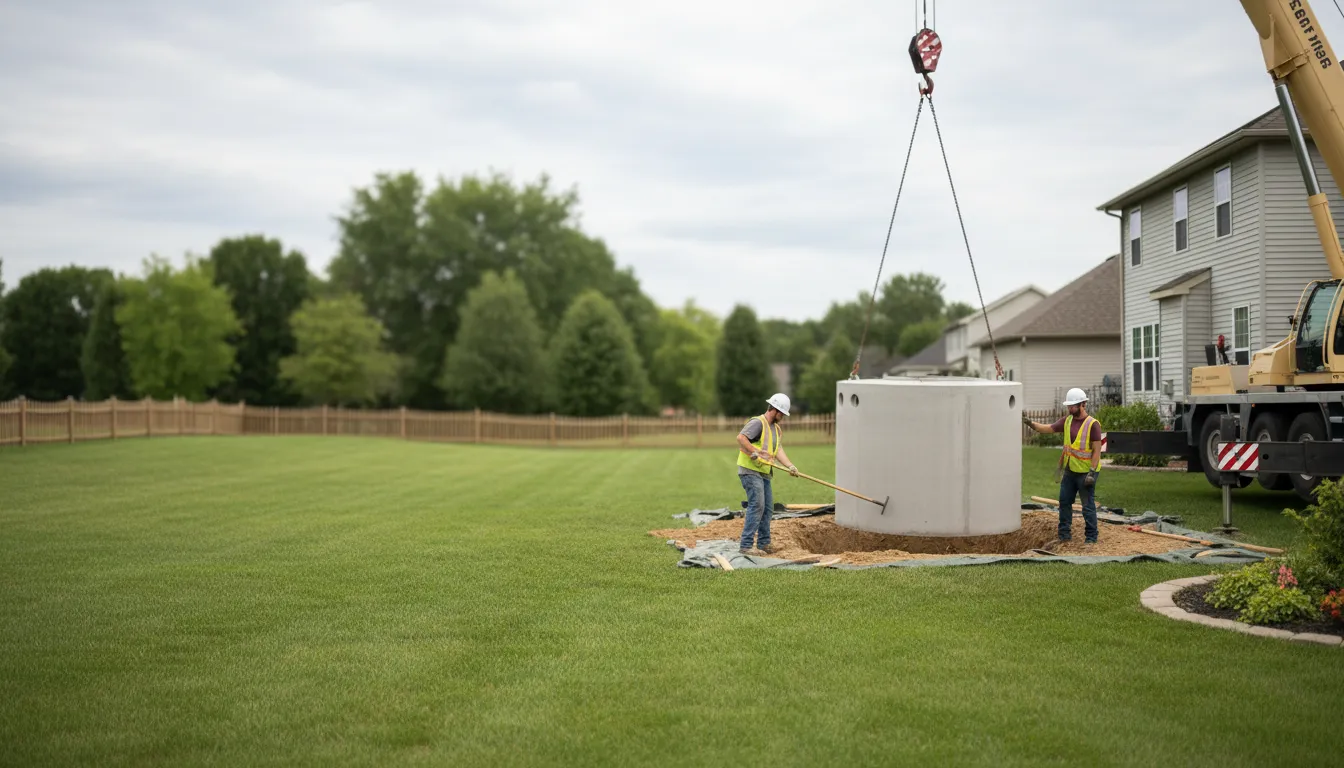
Find the Best Septic Tank Installation & Replacement Contractors for Your Business
No obligation • Fast responses • Nationwide coverage

Why you can trust Septic Spot
Septic Spot is a leading United States resource for understanding and comparing septic services. Our editors review providers using consistent criteria and verify key business details. Listings and scores are independent, and companies cannot pay to influence our content.
Search providers near you
Top Septic Tank Installation & Replacement Contractors in Orlando, Florida Ranked
Installing or replacing a septic system is a significant investment and a critical component of any property not connected to a municipal sewer line. In Orlando and across Florida's sandy soils and high water tables, a properly designed and permitted system is essential for protecting public health and the environment. This guide explains the key steps, regulations, and costs involved in septic system installation and replacement in Orange County, helping you navigate the process and connect with qualified local professionals.
Space Coast Septic LLC
7200 US-1, Titusville, FL 32780
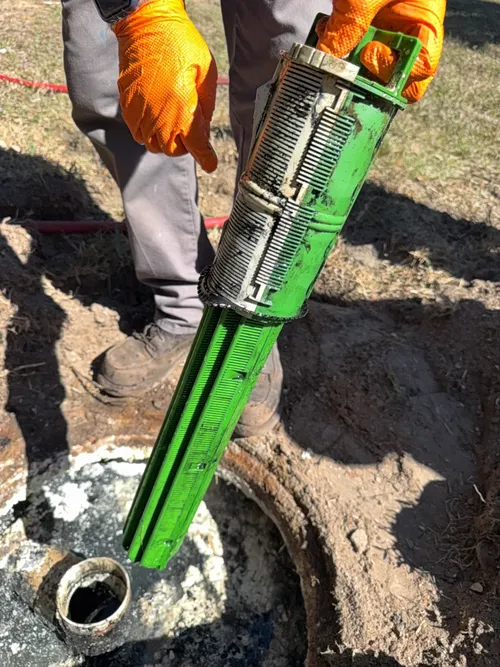
Space Coast Septic LLC is a septic service provider located in Orlando, FL. They offer a range of services including septic tank pumping, system inspections, diagnostic services, system replacements, and new construction. Their capabilities include ATU installations and consulting, along with permitting assistance.
Lapin Services
3031 40th St, Orlando, FL 32839
Lapin Services offers septic tank pumping, inspection, repair, and installation in Tampa, FL. They also provide sewer services including grease trap cleaning, vactor sewer cleaning, lift station inspections, and wastewater treatment plant cleaning. The company is licensed, bonded, and insured, employing trained technicians with specialized equipment. Lapin Services serves a wide area across Central Florida, including many surrounding communities. Their team is committed to thorough septic and plumbing work, treating customers like family.
Orlando Septic Services
Orlando, FL
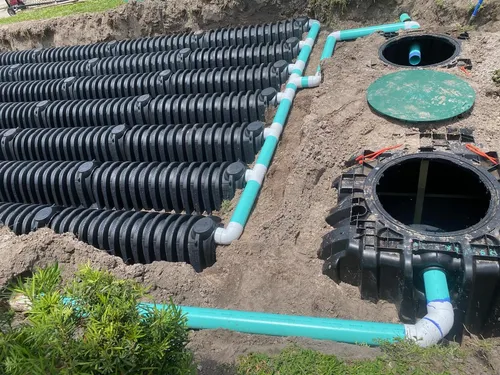
Orlando Septic Services provides septic system installation, repair, and maintenance in Orlando, FL. They handle septic tank pumping, drain field repair, and commercial and residential system installations. Their capabilities include lift station repair, main line jetting, and pump replacements, covering a wide range of septic system needs.
Always There Septic
Orlando, FL
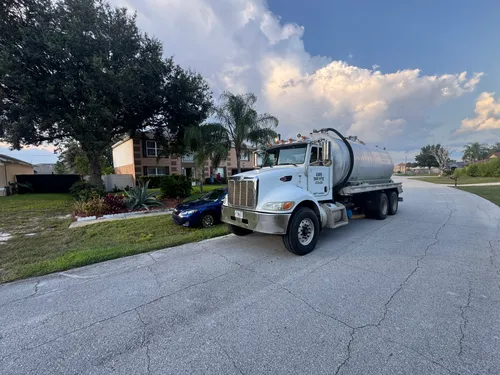
Always There Septic provides a full range of septic system services in Orlando, FL, including septic tank pumping, inspections, repairs, and installation for both residential and commercial properties. They handle drain field repair and replacement, septic pump repair, and commercial grease trap cleaning, ensuring systems meet Florida Code and operate properly. The company offers 24/7 emergency septic services and manages all permitting and inspections for new installations or replacements, aiming for a smooth process from start to finish.
Clear Flow Environmental
15232 E Colonial Dr, Orlando, FL 32826
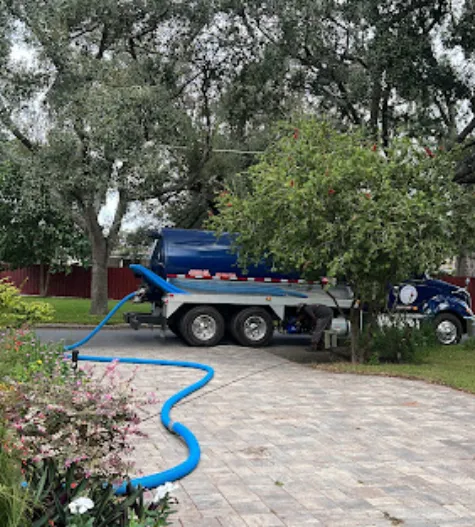
Clear Flow Environmental is a septic system service provider based in Orlando, FL. They offer a range of services including septic tank pumping, inspections, installations, and repairs, as well as drain field troubleshooting and replacement. The company also handles grease trap maintenance and outdoor plumbing issues. Clear Flow Environmental provides city sewer tie-in services to connect properties to municipal sewage systems where available. They utilize bioForce Plus bacterial waste degrader to maintain drainlines and grease traps effectively.
Understanding Florida's Septic System Regulations
In Florida, all onsite sewage treatment and disposal systems (OSTDS)-commonly called septic systems-are regulated by the Florida Department of Environmental Protection (FDEP) in coordination with county health departments. The primary goal is to prevent groundwater contamination, which is a particular concern in Central Florida's porous, sandy soil.
A cornerstone of these regulations is the mandatory setback distance. Septic tanks and drainfields must be located at least 75 feet from any surface water body, such as a lake, river, or wetland, and at least 5 feet from storm sewers 1. Furthermore, recent legislation like 2023's House Bill 1379 mandates that properties of one acre or less must connect to central sewer if it is available within a certain distance. If sewer is not available and an existing system fails, the replacement system must often be an enhanced nutrient-reducing system to protect local waterways from nitrogen pollution 2.
The First Step: Site Evaluation and Soil Testing
Before any plans are drawn, a site evaluation must be conducted by a certified professional. This is not a mere formality; it is the most important factor in determining what type of system your property can support and where it can be placed.
The evaluation assesses:
- Soil Composition: Sandy soil, prevalent in Orlando, drains very quickly, which can be a challenge for standard drainfields 3.
- Topography: The slope of the land affects drainage and system placement.
- Water Table Depth: Florida's high water table is a major design constraint. The system must be placed sufficiently above the seasonal high water table to function properly.
A critical part of this evaluation is the soil percolation test (or "perc test"). This test measures the soil's absorption rate-how quickly water drains through it. The results directly determine the size and type of drainfield required 4. A failed perc test doesn't mean you can't build; it means you'll likely need a more advanced, engineered system.
Navigating the Permit Process
You cannot legally install a new septic system or replace a failed one in Orange County without a permit. The process is multi-step and requires patience and precise documentation.
- Hire a Licensed Contractor (or Act as Your Own): Installation must be performed by a state-registered Septic Tank Contractor 5. Homeowners can act as their own contractor, but this involves assuming significant liability and navigating complex paperwork.
- Submit Application Package: You or your contractor will submit DEP Form 4015 to the local FDEP or health department office. The package must include the site evaluation report, a detailed site plan showing the proposed system location with setbacks, and a floor plan of the home detailing water fixture counts 6.
- Pay Fees: Permit application fees typically range from $150 to over $500, depending on the complexity and type of system being installed 7.
- Await Review and Approval: The permitting authority reviews the plans for compliance with all state and local regulations. Once approved, you receive the construction permit.
Installation and Inspection Phases
With permit in hand, installation can begin. The process involves careful excavation, placement of the tank (often concrete or plastic), and construction of the drainfield (a series of perforated pipes in gravel-filled trenches or a specialized sand mound).
Find the perfect septic tank installation & replacement contractors for your needs
Get personalized recommendations and expert advice
Two key inspections are required to ensure the work matches the permitted design:
- Layout/Installation Inspection: An inspector visits after the tank and drainfield are placed but before they are backfilled. They verify the locations, depths, and materials comply with the approved plans 8 9.
- Final Inspection: Once the system is fully installed and the ground is restored, a final inspection is conducted. Passing this inspection is often required before a certificate of occupancy can be issued for a new home.
Cost Breakdown for Orlando-Area Systems
The total cost for a septic system in Central Florida is highly variable, but here are general ranges based on standard residential installations:
- Permit Fees: $300 - $500.
- Site Evaluation & Perc Test: $100 - $500+, paid directly to the evaluating professional or contractor 10 11.
- System Installation: This is the largest cost component. For a standard conventional gravity system for a typical 1,500 sq ft home, expect to pay $5,000 to $10,000. However, many Orlando-area properties with high water tables or poor soil percolation require engineered systems, such as:
When Replacement is Necessary
Septic systems don't last forever. Signs of failure include sewage backups, soggy ground or foul odors near the drainfield, and unusually green grass over the area. In Florida, a failed system must be replaced according to current codes, not just patched up. This often means the new system will need a larger drainfield or a more advanced technology than the original, which can be a significant financial consideration for homeowners.
Routine maintenance is the best way to avoid premature failure. Florida recommends having your tank inspected every 2-3 years and pumped as needed (typically every 3-5 years). This is especially crucial in sandy soils, where solids can wash out into the drainfield and cause clogging.
Planning and Timeline Considerations
From initial site evaluation to final inspection, the entire process for a new septic system installation can take several weeks to a few months. Delays most commonly occur during the permit review phase or if the site evaluation reveals complications requiring redesigned plans 15. For system replacements, the timeline may be shorter if the site is already well-characterized, but the permitting steps remain the same.
Proper planning is essential. If you are building a new home, the septic system design should be integrated into your site plan from the very beginning. Factors like the location of wells, driveways, future pools, or additions must all be considered to ensure your system has the space it needs to operate effectively for decades 16.
Frequently asked questions
Sources
Footnotes
-
Onsite Sewage Program | Florida Department of Environmental ... - https://floridadep.gov/water/onsite-sewage ↩
-
Septic Pollution Prevention - https://www.orangecountyfl.net/environment/septicpollutionprevention.aspx ↩
-
Septic Systems in Sandy Environments - https://advancedsepticservicesfl.com/septic-systems-sandy-environments/ ↩
-
Perc Test for Septic System: A Complete Guide - https://landperc.com/perc-test-for-septic-system/ ↩
-
Septic Tank Contractor Registration | Florida Department of ... - https://floridadep.gov/water/onsite-sewage/content/septic-tank-contractor-registration ↩
-
Septic Tank Plans: A Complete Homeowner's Guide - Land Perc - https://landperc.com/septic-tank-plans-guide/ ↩
-
New Septic System Application Requirements - Florida Department ... - https://lee.floridahealth.gov/programs-and-services/environmental-health/onsite-sewage-disposal/permits/ostds-new-permit/ ↩
-
Septic Permits in Florida: Do You Need One? (2025 Guide) - https://landperc.com/do-i-need-a-permit-for-a-septic-system-in-florida/ ↩
-
2026 Septic Inspection Costs | Tank, System, & Title 5 - https://homeguide.com/costs/septic-tank-inspection-cost ↩
-
Understanding Septic Tank Permits and Regulations - https://westcoastsanitationinc.com/understanding-septic-tank-permits-and-regulations/ ↩
-
Onsite Sewage FAQ - Permitting | Florida Department of ... - https://floridadep.gov/water/onsite-sewage/content/onsite-sewage-faq-permitting ↩
-
Florida Septic Tank Requirements | Onsite Sewage Treatment ... - https://www.ntotank.com/blog/florida-septic-tank-requirements ↩
-
Septic System Installation in Central Florida - https://lapinservices.com/septic-pumping-orlando/septic-system-installation-central-florida ↩
-
Repair or Replace Septic Permit - Florida Department of Health in ... - https://charlotte.floridahealth.gov/programs-and-services/environmental-public-health/onsite-sewage-program/repair-or-replacement-permit/ ↩
-
Understanding Your Septic System Design and Installation Timeline: A Comprehensive Guide - https://www.mapengineering.net/understanding-your-septic-system-design-and-installation-timeline/ ↩
-
Septic System Planning Guide: Pre-Building Factors - https://www.lanikseptic.com/how-to-plan-a-septic-system/ ↩