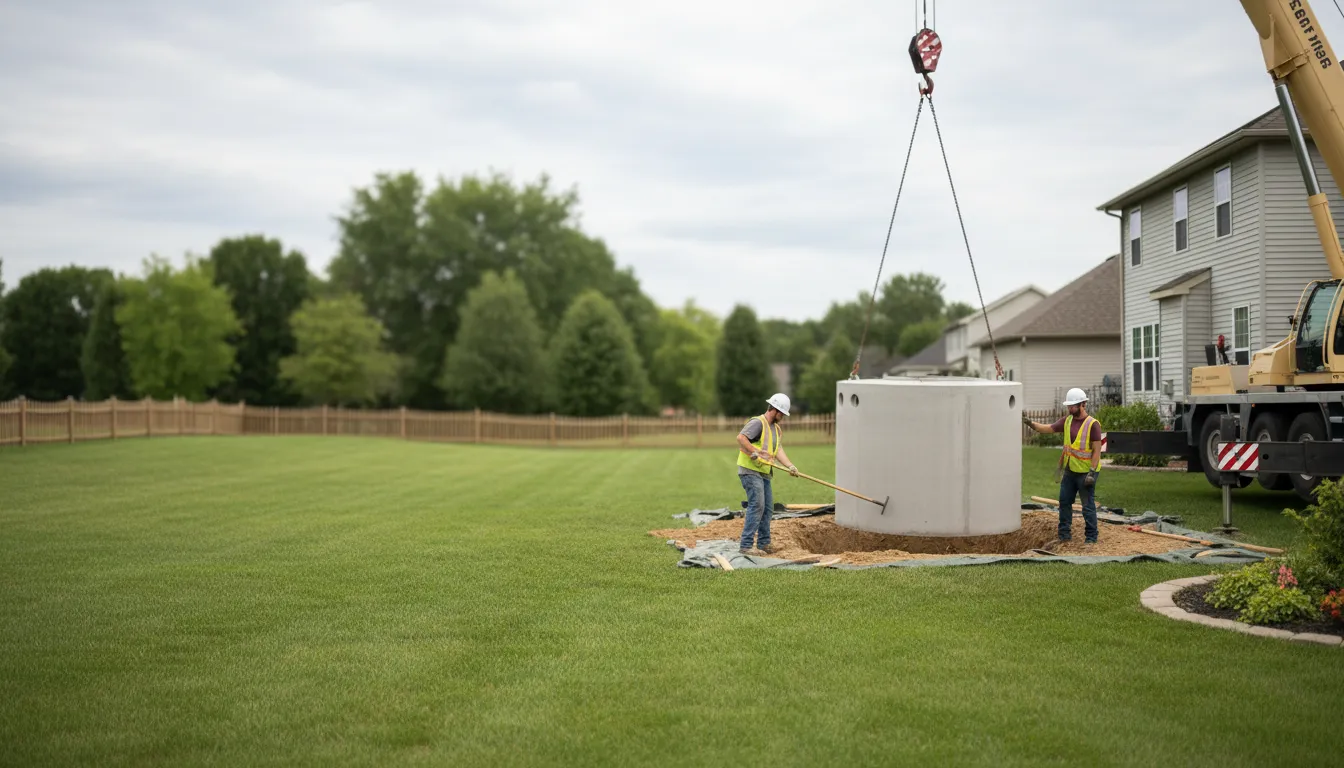
Find the Best Septic Tank Installation & Replacement Contractors for Your Business
No obligation • Fast responses • Nationwide coverage

Why you can trust Septic Spot
Septic Spot is a leading United States resource for understanding and comparing septic services. Our editors review providers using consistent criteria and verify key business details. Listings and scores are independent, and companies cannot pay to influence our content.
Search providers near you
Top Septic Tank Installation & Replacement Contractors in Lakeland, Florida Ranked
Installing or replacing a septic system is a significant investment in your property's long-term functionality and environmental health. In Lakeland, this process is governed by specific state and county regulations to protect Florida's groundwater and ensure system reliability. This guide explains the key steps, costs, and regulatory requirements for septic system installation and septic tank replacement in Lakeland, helping you navigate the process from initial soil evaluation to final inspection.
ACE Septic & Waste
3151 Bartow Rd, Lakeland, FL 33803
ACE Septic & Waste is a full-service septic and wastewater company serving Lakeland, FL, and the broader Tampa Bay and Central Florida regions. They provide a wide range of services including septic tank pumping, system installation, drainfield repair, lift station maintenance, and certified septic inspections for residential, commercial, and municipal clients. The company is uniquely licensed in plumbing, electrical, septic, and general contracting, allowing them to manage all aspects of wastewater projects in-house, from permitting to installation and maintenance. ACE Septic & Waste also offers advanced solutions like aerobic treatment units and low-pressure sewer systems, meeting Florida's environmental standards. Their emergency response team is available 24/7 to handle urgent wastewater issues.
Calhoun Septic Tank Service
4611 Lykes Rd, Plant City, FL 33566
Calhoun Septic Tank Service is a septic tank company based in Tampa, FL, offering a full range of services including septic tank cleaning, repair, installation, real estate inspections, and permit acquisition. With over 60 years of experience, they serve Plant City and surrounding areas, providing tailored wastewater management solutions. Their capabilities include septic tank and drain field installation, ensuring compliance with local regulations.
Septic Services of Central Florida
2301 US-17, Bartow, FL 33830
Septic Services of Central Florida is a family-owned company based in Tampa, FL, offering residential and commercial septic system services. They provide a full range of septic care including pumping, inspections, repairs, installations, and drainfield replacements. The company specializes in Advanced Treatment Units for enhanced wastewater management and handles everything from site evaluation to permitting and installation. With over 35 years of combined experience, they offer an industry-leading 8-year warranty and emergency services to address urgent septic issues.
Quality Septic Inc.
1811 M Rd, Brandon, FL 33511
Quality Septic Inc. is a family-owned septic service provider based in Tampa, FL, serving Brandon and the surrounding Tampa Bay area. Since 1994, they have offered a full range of septic services including tank pumping, system inspections, repairs, and new installations. Their expertise covers drain field repair and installation, lift station pump services, and custom-engineered septic systems tailored to property needs. Quality Septic emphasizes thorough property assessments and adherence to Florida state building codes in their installations. They serve multiple communities including Valrico, Seffner, Riverview, and more, ensuring comprehensive septic solutions across the region.
Septic Blue of Tampa
249 S 78th St Suite A, Tampa, FL 33619
Septic Blue of Tampa is a septic service provider located in Tampa, FL. They offer a range of services including septic tank pumping, inspection, repair, installation, and drain field repair or replacement. Their team uses advanced equipment and personalized approaches to maintain and restore septic systems while emphasizing environmental sustainability. The company also educates clients on proper septic care to help prevent future issues. Septic Blue of Tampa is locally owned and committed to transparent pricing and professional integrity.
Understanding the Permit Process
In Polk County, all new septic system installations, major modifications, and replacements require a permit from the Florida Department of Health (DOH). You cannot legally begin construction without this approval. The permitting authority ensures that every onsite sewage treatment and disposal system (OSTDS) is designed and placed according to Florida Administrative Code, protecting public health and water resources 1 2.
The first step is almost always a site evaluation conducted by a licensed professional. Florida typically uses a soil morphology analysis instead of a traditional percolation test. This detailed assessment determines your soil's structure, permeability, and the depth of the seasonal high-water table-critical factors that dictate what type of system your property can support 3. Properties with high water tables or poor soil absorption often require engineered solutions, like mound systems 4.
Key Steps for Septic System Installation
Navigating a septic installation involves a series of defined stages. Understanding this sequence can help you plan your project timeline and budget effectively.
1. Site Evaluation and System Design
After the soil morphology test, a registered septic tank contractor or licensed engineer will create a system design. This includes a detailed, scaled site plan (often using Form DH4015) that must show property lines, buildings, wells, water bodies, and the proposed location of the tank and drainfield with all required setbacks. For example, systems must be at least 75 feet from private wells or tidal water bodies and 10 feet from property lines and storm drains 5. This plan is submitted as part of your permit application to the DOH.
2. Hiring a Qualified Contractor
Florida law mandates that only a Registered Septic Tank Contractor or a licensed plumber can install a septic system. It's crucial to verify a contractor's credentials with the state. A reputable professional will handle the permit application, ensure the design meets code, and coordinate the necessary inspections.
3. The Installation Process
Once the permit is issued, installation can begin. For a conventional anaerobic system, this involves excavating for the septic tank and the drainfield (or leach field), placing the tank, and constructing the distribution network of pipes in the drainfield trenches 6. More advanced aerobic treatment unit (ATU) systems involve additional mechanical components that require electricity and more maintenance but offer a higher level of treatment, often necessary for environmentally sensitive areas or smaller lots.
Find the perfect septic tank installation & replacement contractors for your needs
Get personalized recommendations and expert advice
Mandatory Inspections for Compliance
A permitted system requires inspections to ensure it's built exactly as approved. These are typically performed by a county health department inspector, though owners may sometimes opt to hire a qualified private provider 7.
- Initial/Site Inspection: This may occur before installation to verify the staked location matches the approved plan 8.
- Mid-Project/Construction Inspection: An inspector may visit to examine the drainfield trenches, gravel, and piping before they are covered with soil.
- Final Inspection: This is the most critical inspection. The county inspector must approve the finished installation before the system is covered and put into use. Passing this inspection is necessary for the installation to be considered complete and compliant 9 10.
Failing to schedule or pass these inspections can result in fines, orders to dig up the system, and an inability to legally use the new septic system.
Cost Factors for Installation and Replacement
The cost of a new septic system in Lakeland varies widely based on system type, size, and site-specific conditions. Here's a general breakdown:
- Conventional Anaerobic System: This is the most common type for suitable soils. Installation costs typically range from $3,000 to $8,000 11.
- Aerobic Treatment System (ATU): Required for poor soils or high water tables, these systems are more complex. Costs generally range from $10,000 to $18,000 or more12.
- System Replacement: Replacing a failed system is not always a simple tank swap. Current codes often require a new site evaluation, and the replacement system must meet today's stricter standards, which may mean installing a different, more expensive type of system than the one being replaced 13.
Other factors influencing cost include the size of the tank (based on home bedroom count), the need for engineered designs like mound systems, local labor rates, and the cost of the permit itself.
When is Septic Tank Replacement Necessary?
Understanding the signs of system failure can help you plan a replacement before an emergency arises. Replacement is typically needed when the drainfield has failed and cannot be repaired, or when the septic tank itself is structurally compromised (e.g., cracked, collapsing). Common indicators include:
- Sewage backing up into household drains.
- Bright green, spongy grass over the drainfield, especially during dry weather.
- Standing water or muddy soil around the tank or drainfield area.
- Foul odors near the tank or drainfield.
If a repair is not viable, a full system replacement will follow the same permit and installation process as a new installation 14.
Working with the Polk County Health Department
For Lakeland residents, the Florida Department of Health in Polk County is your primary regulatory contact. Their office provides the necessary application forms, reviews site plans, issues permits, and conducts inspections 15 16. It's advisable to contact them early in your planning process to understand current requirements and fee schedules. Having a qualified contractor to guide you through this interaction is invaluable.
Frequently asked questions
Sources
Footnotes
-
Onsite Sewage FAQ - Permitting | Florida Department of ... - https://floridadep.gov/water/onsite-sewage/content/onsite-sewage-faq-permitting ↩
-
Florida New Septic System Law: What Homeowners Need to Know - https://rooterone.com/florida-homeowners-new-septic-system-law/ ↩
-
Best Practices for Septic Installation in 2025 - Florida Engineering LLC - https://flengineeringllc.com/north-florida-septic-installation-2025/ ↩
-
Septic Installation Tips & Best Practices You Should Know - https://www.rciseptic.com/understanding-septic-installations-key-tips-and-best-practices ↩
-
Septic Tank Planning Permission: Replace vs. New - https://dpservicesfl.com/do-i-need-planning-permission-for-a-septic-tank-replacement-or-only-for-new-installations/ ↩
-
Take A Look At The Process Behind Your Septic System Installation - https://lakelandsepticcompany.com/septic-system-installation/ ↩
-
Septic Systems - Florida Department of Health - https://www.floridahealth.gov/community-environmental-public-health/environmental-public-health/water-quality/septic-systems/ ↩
-
Septic Inspections Made Easy: What Every Contractor Needs to Know Before Breaking Ground (2025) - https://flengineeringllc.com/septic-inspections-guide-contractors-2025/ ↩
-
Florida Well and Septic System Placement Regulations for New ... - https://flengineeringllc.com/florida-well-septic-placement-2025/ ↩
-
Septic Inspections Made Easy: What Every Contractor Needs ... - https://flengineeringllc.com/septic-inspections-guide-contractors-2025/ ↩
-
Understanding the Costs of Septic Tank Installation and Repair - https://mathisandsonsseptic.com/mathis-sons-septic-blog-orlando-fl/understanding-the-costs-of-septic-tank-installation-and-repair/ ↩
-
Installing A Septic Tank | The Facts You Need To Know - https://lakelandsepticcompany.com/installing-a-septic-tank/ ↩
-
Septic Permits in Florida: Do You Need One? (2025 Guide) - https://landperc.com/do-i-need-a-permit-for-a-septic-system-in-florida/ ↩
-
Can My Septic Drain Field Be Fixed? - https://lakelandsepticcompany.com/can-my-septic-drain-field-be-fixed/ ↩
-
Septic Tanks- Onsite Sewage Treatment & Disposal Systems - https://polk.floridahealth.gov/programs-and-services/environmental-public-health/septic-tanks-onsite-sewage-treatment-disposal-systems/ ↩
-
Septic Permits and Inspections - Polk County Health Center - https://polkcountyhealthcenter.org/septic-permits-and-inspections/ ↩