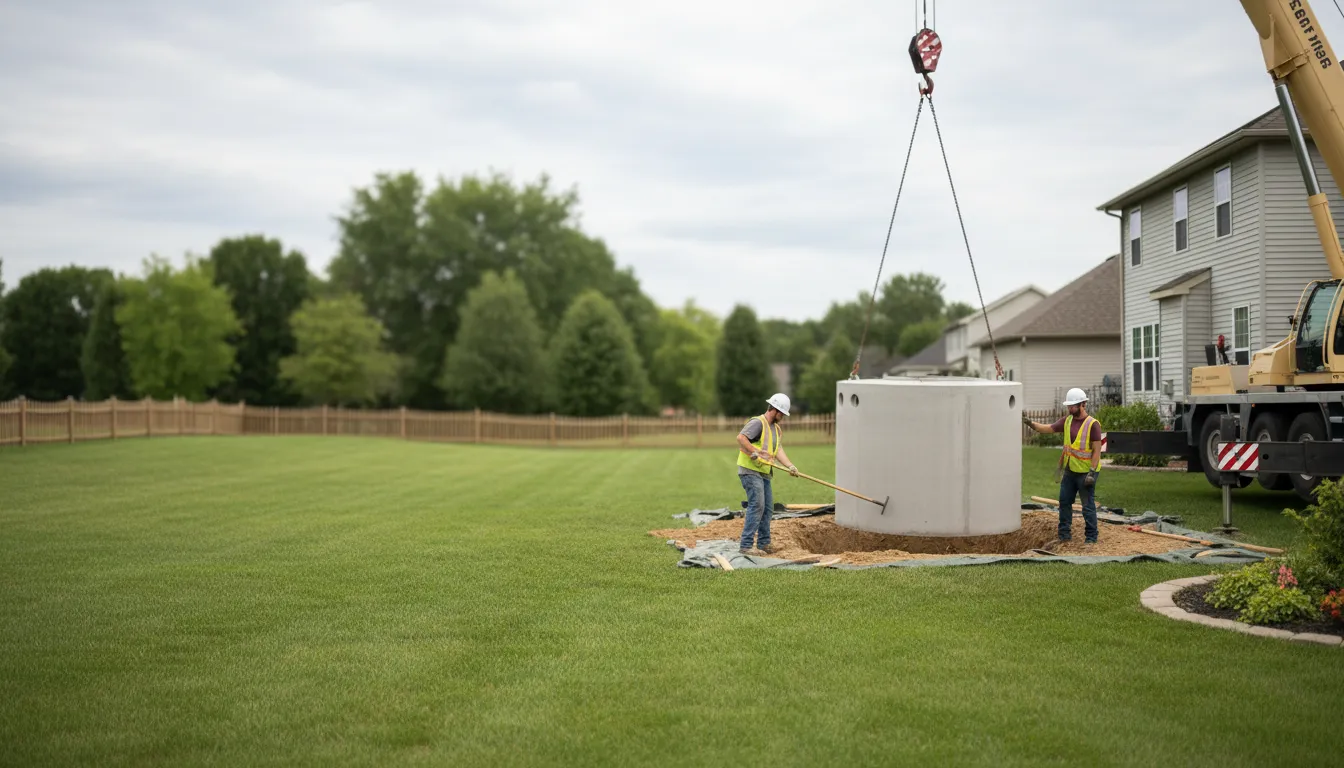
Find the Best Septic Tank Installation & Replacement Contractors for Your Business
No obligation • Fast responses • Nationwide coverage

Why you can trust Septic Spot
Septic Spot is a leading United States resource for understanding and comparing septic services. Our editors review providers using consistent criteria and verify key business details. Listings and scores are independent, and companies cannot pay to influence our content.
Search providers near you
Top Septic Tank Installation & Replacement Contractors in Bonita Springs, Florida Ranked
Installing or replacing a septic system in Bonita Springs is a significant project governed by specific local environmental and health regulations. This process is essential for safely managing household wastewater where municipal sewer lines are unavailable, protecting both your property and the sensitive local ecosystem. Understanding the key steps, from site evaluation to final inspection, can help you navigate the permitting process and find qualified local professionals to handle your onsite sewage treatment and disposal system needs.
Champion Plumbing Sewer & Drain LLC
931 NE 7th St Suite B, Cape Coral, FL 33909
Champion Plumbing Sewer & Drain LLC is a veteran and family-owned plumbing company based in Cape Coral, FL. They provide a wide range of services including septic tank pumping, inspection, repair, and installation, along with hydro jetting, video inspections, grease trap cleaning, backflow testing, lift station maintenance, and stormwater services. Their team uses advanced tools such as high-resolution cameras for plumbing inspections and offers hydro excavation services to minimize disruption during projects. With over 50 years of combined experience, Champion Plumbing Sewer & Drain serves multiple counties in Southwest Florida and offers 24/7 availability for plumbing emergencies.
A1 Gator, A Wind River Company
7990 Mainline Pkwy, Fort Myers, FL 33912
A1 Gator, A Wind River Company provides septic tank pumping, repair, and installation services in Cape Coral, FL. As part of the Wind River Environmental family, which has served communities since 1946, they offer residential, commercial, municipal, and industrial wastewater solutions. Their capabilities include real-time reporting and the use of advanced technology to support comprehensive septic and grease services. The company combines local expertise with a long-standing legacy to serve the Cape Coral area effectively.
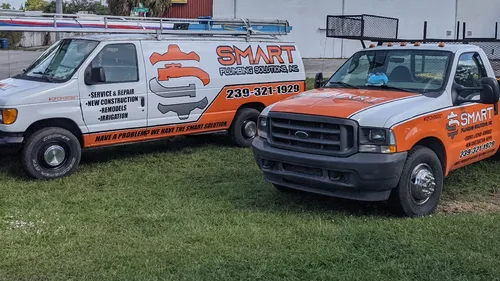
Smart Plumbing Solutions Inc.
Cape Coral, FL
Smart Plumbing Solutions Inc. is a septic tank installation contractor based in Cape Coral, FL. They specialize in ATU and septic system installation and replacements, serving both residential and commercial clients. The company also offers high-end plumbing services for new construction and remodels, including plumbing repipe and redrains. They provide individualized plumbing options with consultations to help customers choose the best solutions for their needs. Their service area includes Cape Coral and nearby cities such as Fort Myers, Lehigh Acres, Bonita Springs, and Naples.
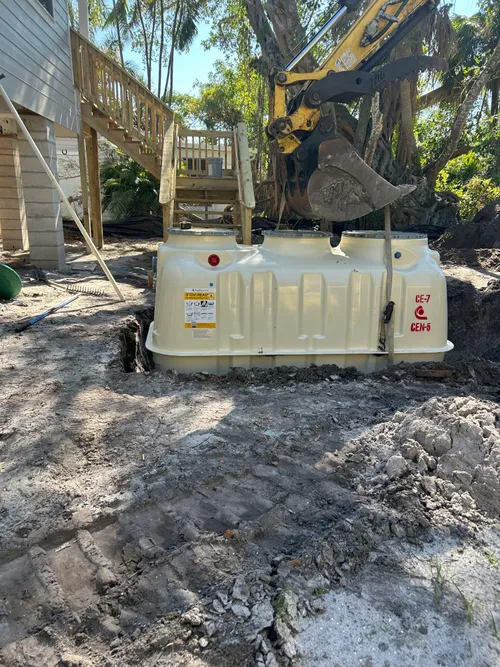
Clean Earth Environmental
Cape Coral, FL
Clean Earth Environmental is a septic system company based in Cape Coral, FL, offering services for both residential and commercial properties. They provide septic tank installation, repair, pumping, and maintenance, including aerobic treatment units and grease trap services. With over 24 years of experience, the company serves multiple counties in Florida and has worked on a variety of septic systems, including those in historic homes. They also offer no-excavation drain field repair to minimize yard disruption.
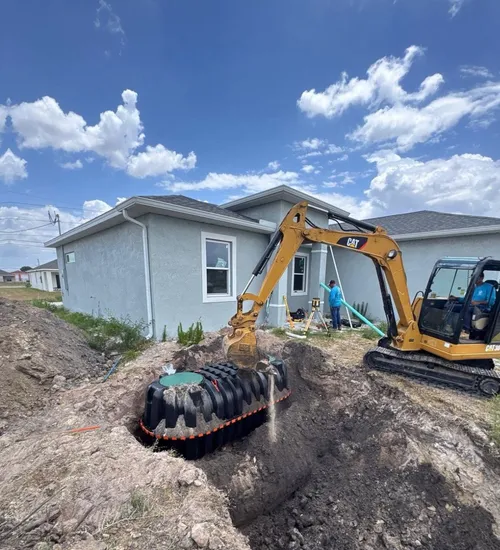
Septic Pro FL LLC
Cape Coral, FL
Septic Pro FL LLC offers a range of septic services in Cape Coral, FL, including septic tank pumping, inspections, repairs, and installations. They handle urgent issues like toilet backups as well as complex needs such as drain field repair and replacement. With years of experience, they serve as a comprehensive septic system provider in Southwest Florida.
Understanding the Local Regulatory Landscape
In Bonita Springs and all of Lee County, the permitting and oversight for all onsite sewage treatment and disposal systems (OSTDS) is managed by the Florida Department of Health in Lee County (DOH-Lee). This agency enforces state and county regulations designed to protect groundwater, which is a critical resource in Florida. Before any digging begins, you must secure a construction permit from this department. The process is designed to ensure that every new or replacement septic system is appropriately sized, correctly located, and built to handle the unique soil and water table conditions prevalent in Southwest Florida.
The Critical First Step: Site Evaluation and Soil Testing
The foundation of any septic system project is a thorough site evaluation, often referred to as a percolation or "perc" test. This is not a mere formality; it's a mandatory assessment conducted by a qualified professional to determine your property's suitability for a septic drainfield.
- What It Assesses: The test evaluates soil texture, depth to the seasonal high water table, and the soil's absorption rate. In low-lying, coastal areas like Bonita Springs, the water table is often very high.
- Why It Matters: The results directly dictate the type of system you can install. The state requires a minimum of 24 inches of clearance between the bottom of the drainfield and the high water table. If your property cannot meet this standard with a conventional in-ground system, an alternative design will be necessary.
- The Outcome: You will receive a site evaluation report that becomes a key part of your permit application. This report determines the system's size (based on your home's bedroom count and square footage) and the engineering approach required.
Common System Types for Bonita Springs Properties
Due to the prevalent soil conditions and high groundwater, standard gravity-fed systems are not always feasible. Here are the types of systems you might encounter:
- Conventional Gravity System: Used when soil conditions and water table depth are optimal. Wastewater flows by gravity from the home to the septic tank and then out to a subsurface drainfield.
- Mounded or Above-Ground Systems: These are very common in Bonita Springs. When the natural soil is too shallow or the water table is too high, an engineered sand mound is constructed above the original ground. The drainfield is built within this raised mound to achieve the required separation from groundwater.
- Aerobic Treatment Units (ATUs): These systems use oxygen to break down waste more thoroughly, often allowing for a smaller drainfield. They may be required in environmentally sensitive areas or on lots with severe space constraints.
- Engineered Systems: For particularly challenging sites, a licensed professional engineer must design a custom system to meet all health and safety codes.
The Step-by-Step Permitting Process
Navigating the permit process is a multi-stage endeavor. Following these steps in order is crucial to avoid delays.
- Hire a Licensed Contractor: Your first move should be to engage a Florida-registered septic tank contractor. They understand the local process and can often manage or advise on the subsequent steps.
- Complete the Site Evaluation: As described above, this is your starting point for design.
- Prepare a Detailed Site Plan: A plan must be submitted showing your property lines, all structures, wells, water bodies, and the precise location of all proposed septic system components. Strict setback distances from wells, property lines, and surface water must be adhered to 1.
- Submit the Application: Your contractor will help you complete the "Application For Construction Permit" (DOH Form 4015) and submit it, along with the site evaluation report and site plan, to DOH-Lee.
- Pay Permit Fees: As of recent data, the application fee is approximately $350, with additional fees (e.g., around $115 for the site evaluation review).
- Await Plan Review and Permit Issuance: The health department reviews your submission for compliance. Once approved, you receive your construction permit.
Installation and Mandatory Inspections
With permit in hand, your licensed contractor can begin installation. It is illegal for an unregistered individual to install a septic system in Florida. The installation must follow the approved plans exactly.
Inspections are not optional; they are mandatory checkpoints that must be passed before work proceeds. A DOH-Lee inspector or an approved private provider will visit the site at critical stages 2:
- Pre-Construction Inspection: May be required to verify site conditions.
- Installation Inspection: This is the most critical inspection. The installer must notify the department when the tank and drainfield are excavated and placed but before they are backfilled and covered. The inspector verifies proper construction, materials, and placement 3.
- Final Approval: Once all inspections are passed, the Department of Health issues a "Construction Approval" notice, which is your official record that the system was installed according to code 4.
Find the perfect septic tank installation & replacement contractors for your needs
Get personalized recommendations and expert advice
Understanding Costs: Investment and Variables
The total cost for a new septic system in Bonita Springs can vary widely based almost entirely on your site-specific conditions.
- Permit and Design Fees: Budget approximately $350 to $500+ for the health department permit application and review fees. If your site requires an engineered design by a professional engineer, this will add significant cost upfront.
- System Installation Costs:
- Key Cost Drivers: The major variables include the need for fill dirt to build a mound, the complexity of the engineering design, the size of the system, and the current market rates for excavation and labor.
Replacing a Failing System
The process for replacing an existing, failing septic system has an additional initial step. You must submit an "Existing System and System Repair Evaluation Form" to the health department 7. An evaluator will assess the failure and determine if a repair is possible or if a full replacement is required. The subsequent steps for a replacement then follow the new system application process, but you may have more flexibility if the replacement is going in the same general location as the old system.
Choosing a Qualified Professional
Your choice of contractor is paramount. Always verify that the professional is a Florida-registered septic tank contractor 8. Look for established local companies with extensive experience installing systems in the Bonita Springs area, particularly with mounded and engineered designs. They should be fully insured, willing to pull all necessary permits, and able to clearly explain the process, costs, and timeline for your specific project.
Frequently asked questions
Sources
Footnotes
-
Florida Well and Septic System Placement Regulations for ... - https://flengineeringllc.com/florida-well-septic-placement-2025/ ↩
-
Your Complete Guide to Septic System Inspections in Florida - https://southernsepticanddesign.com/septic-services-blog/your-complete-guide-to-septic-system-inspections-in-florida-what-contractors-and-property-owners-need-to-know/ ↩
-
Septic Inspections Made Easy: What Every Contractor Needs to ... - https://flengineeringllc.com/septic-inspections-guide-contractors-2025/ ↩
-
Florida Septic Tank Requirements | Onsite Sewage Treatment ... - https://www.ntotank.com/blog/florida-septic-tank-requirements ↩
-
New Septic System Application Requirements - Florida Department of Health in Lee County - https://lee.floridahealth.gov/programs-and-services/environmental-health/onsite-sewage-disposal/permits/ostds-new-permit/ ↩
-
Septic Tank Plans: A Complete Homeowner's Guide - Land Perc - https://landperc.com/septic-tank-plans-guide/ ↩
-
Failing Septic System Repair Application Requirements - https://lee.floridahealth.gov/programs-and-services/environmental-health/onsite-sewage-disposal/permits/ostds-repair-permit/ ↩
-
Septic Tank Contractor Registration | Florida Department of ... - https://floridadep.gov/water/onsite-sewage/content/septic-tank-contractor-registration ↩