Find the Best Septic Tank Installation & Replacement Contractors for Your Business
No obligation • Fast responses • Nationwide coverage

Why you can trust Septic Spot
Septic Spot is a leading United States resource for understanding and comparing septic services. Our editors review providers using consistent criteria and verify key business details. Listings and scores are independent, and companies cannot pay to influence our content.
Search providers near you
Top Septic Tank Installation & Replacement Contractors in Clermont, Florida Ranked
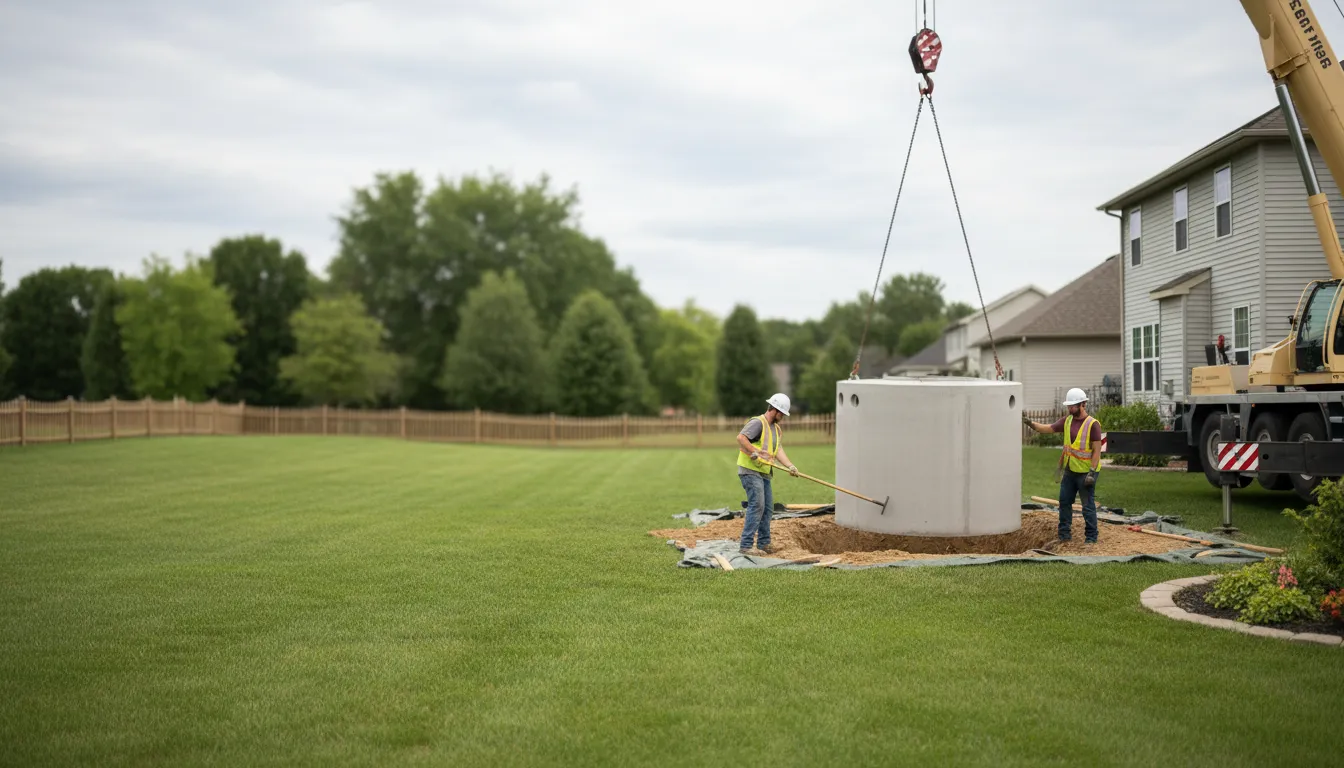
Installing or replacing a septic system is a significant project that ensures the safe and efficient treatment of household wastewater on your property. In Clermont, this process is governed by specific state and local regulations designed to protect Florida's unique water resources. Understanding the requirements for permits, soil testing, and professional installation is crucial for a successful project. This guide will help you navigate the key steps and considerations for septic system work in the area, connecting you with the information needed to find qualified local professionals.
Lapin Services
3031 40th St, Orlando, FL 32839
Lapin Services offers septic tank pumping, inspection, repair, and installation in Tampa, FL. They also provide sewer services including grease trap cleaning, vactor sewer cleaning, lift station inspections, and wastewater treatment plant cleaning. The company is licensed, bonded, and insured, employing trained technicians with specialized equipment. Lapin Services serves a wide area across Central Florida, including many surrounding communities. Their team is committed to thorough septic and plumbing work, treating customers like family.
Orlando Septic Services
Orlando, FL
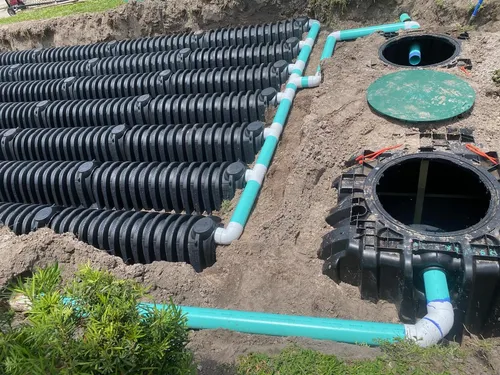
Orlando Septic Services provides septic system installation, repair, and maintenance in Orlando, FL. They handle septic tank pumping, drain field repair, and commercial and residential system installations. Their capabilities include lift station repair, main line jetting, and pump replacements, covering a wide range of septic system needs.
Always There Septic
Orlando, FL
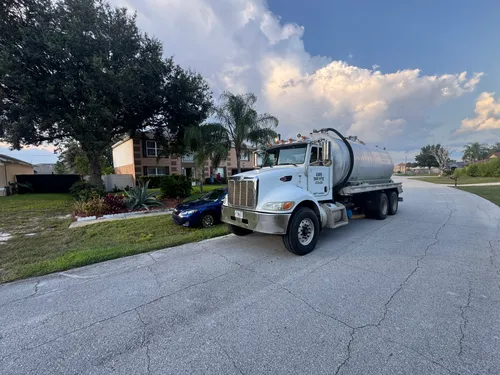
Always There Septic provides a full range of septic system services in Orlando, FL, including septic tank pumping, inspections, repairs, and installation for both residential and commercial properties. They handle drain field repair and replacement, septic pump repair, and commercial grease trap cleaning, ensuring systems meet Florida Code and operate properly. The company offers 24/7 emergency septic services and manages all permitting and inspections for new installations or replacements, aiming for a smooth process from start to finish.

Discount Air LLC
1130 E Donegan Ave # 3, Kissimmee, FL 34744
Discount Air LLC is a contractor based in Orlando, FL, offering septic system maintenance, repair, and installation services. They also provide HVAC and plumbing solutions for residential, commercial, and industrial clients. Their septic services include pumping and system repairs, ensuring proper wastewater treatment in areas without centralized sewer systems. The company handles permits and project coordination to streamline the process for customers.
Safari Septic and Home Services
Orlando, FL
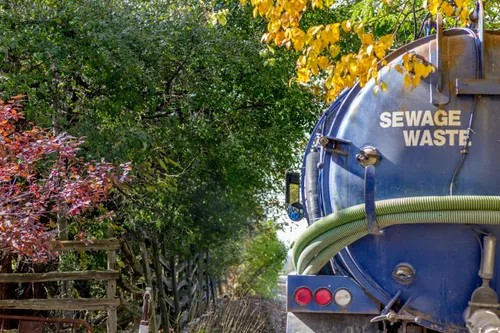
Safari Septic and Home Services provides septic tank cleaning, installation, and repair services in Orlando, FL. The company is licensed and experienced in handling various septic system needs for both residential and business clients. Their technicians serve Orlando and nearby areas including Titusville, Deltona, and Clermont. Safari Septic and Home Services focuses on efficient septic tank treatment and maintenance to ensure proper system function.
Understanding Septic Systems in Florida
In Florida, a septic system is formally known as an Onsite Sewage Treatment and Disposal System (OSTDS). Its primary function is to treat wastewater from your home when a connection to a municipal sewer line is not available or practical. A standard system consists of a septic tank, where solids settle and begin to decompose, and a drainfield (or leach field), where the treated liquid effluent is dispersed into the soil for final purification.
For homeowners in Clermont, it's important to note that the city promotes connection to the municipal sewer system where available. In fact, Clermont's municipal code prohibits the installation of new septic tanks within city limits if sewer service is accessible 1. Therefore, the first step for any new construction project should be to verify sewer availability with the city. Septic tank installation and replacement are typically pursued for rural properties, older homes not yet connected, or in areas where extending a sewer line is not feasible.
The Permit Process: A Step-by-Step Guide
No septic system work can begin without the proper permits. In Florida, permitting authority rests with the Florida Department of Environmental Protection (DEP) or the local county health department, which enforces state regulations like the Clean Waterways Act 2.
1. Initial Site Evaluation and Soil Test
Before you can apply for a permit, a licensed professional must conduct a formal site evaluation. This involves submitting a DH4015 form and performing a soil percolation test (often called a "perc test") 3 4. This test determines the soil's absorption rate by measuring how quickly water drains through a test hole. The results are critical-they dictate the size, type, and design of the drainfield required for your property. Factors like soil type, topography, and the seasonal high water table are all assessed during this evaluation 5.
2. Gathering Application Materials
To apply for a septic system permit, you will typically need to submit:
- A detailed site plan showing the proposed location of the tank and drainfield.
- A floor plan of the home to determine the number of bedrooms (which influences system capacity).
- The results of the site evaluation and soil percolation test.
- The design plans for the proposed OSTDS from a licensed contractor or engineer 6.
3. Permit Approval and Fees
Once submitted, the DEP or health department reviews the application for compliance with all regulations, including critical setback requirements. In Florida, a septic system must generally be at least 75 feet from any surface water body and 5 feet from storm sewers 7. Permit fees in Florida typically range from $150 to $500, though this can vary by county 8.
Key Regulations and Requirements for Clermont
Adhering to Florida's septic tank codes is non-negotiable. Key requirements include:
- Licensed Contractor: All septic system installation and replacement work must be performed by a state-licensed septic contractor.
- Setbacks: Maintain minimum distances from wells, property lines, buildings, and, most importantly, water bodies (75 feet) 9.
- System Design: The system design must be approved for your specific soil conditions and property layout. Alternative system types may be required in areas with high water tables or poor soil percolation.
- Inspections: The installation process involves mandatory inspections. An open inspection must occur before the tank and drainfield are covered to verify proper placement and construction. A final inspection is required upon completion for the system to receive final approval 10.
Find the perfect septic tank installation & replacement contractors for your needs
Get personalized recommendations and expert advice
Cost Considerations for Installation and Replacement
The cost of a new septic system or a full replacement in the Clermont area can vary widely based on system size, soil conditions, and tank material. For a standard residential system, homeowners can expect a typical range of $5,000 to $20,000 11 12.
Several factors influence the final price:
- System Size and Type: A larger home (more bedrooms) requires a larger tank and drainfield. Conventional gravity systems are generally less expensive than advanced treatment systems needed for challenging sites.
- Soil Conditions: Difficult soil or a high water table may require a more complex and costly system design.
- Tank Material: Concrete tanks are common and durable, while plastic or fiberglass tanks may have different cost points.
- Labor and Excavation: The complexity of the site work can significantly impact cost.
- Permitting and Design Fees: Remember to factor in the cost of the permit, site evaluation, and system design plans.
For system inspections, which are crucial during real estate transactions or for routine maintenance, costs in Florida typically average around $550 but can range from $200 to $900 13.
Choosing the Right Professional for the Job
Selecting a qualified contractor is the most important decision you'll make. Here's what to look for:
- Verify State License: Always confirm that the contractor holds a current Florida license for septic tank contracting.
- Local Experience: Choose a professional familiar with Lake County and Clermont's specific soil conditions and permitting officials. Local experience can streamline the process.
- Detailed Estimates: Obtain written, detailed estimates that break down costs for materials, labor, permitting assistance, and site restoration.
- References and Reviews: Ask for references from recent projects and check online reviews to gauge reliability and quality of work.
- Comprehensive Service: The best providers often handle the entire process-from the initial site evaluation and permit paperwork to installation, inspections, and final approval.
Maintenance: Protecting Your Investment
A properly installed septic system is a long-term investment. To ensure it lasts for decades, a consistent maintenance routine is essential:
- Regular Pumping: Have the septic tank pumped every 3-5 years by a licensed pumper to remove accumulated solids.
- Water Conservation: Spread out water use and fix leaks to avoid overloading the drainfield.
- Mind What You Flush: Only human waste and toilet paper should go down the drain. Avoid chemicals, grease, diapers, and wipes (even those labeled "flushable").
- Protect the Drainfield: Never drive or park vehicles over the drainfield, and avoid planting trees with deep roots nearby.
Proper maintenance prevents premature system failure, which is far more costly than routine care and protects the local groundwater from contamination 14.
Frequently asked questions
Sources
Footnotes
-
CHA PTER IV SA NITA RY SEWER ELEMENT - Clermont, FL - https://www.clermontfl.gov/DocumentCenter/View/186/Chapter-IV---Sanitary-Sewer-Element-PDF ↩
-
Onsite Sewage Program | Florida Department of Environmental ... - https://floridadep.gov/water/onsite-sewage ↩
-
Onsite Sewage FAQ - Permitting | Florida Department of ... - https://floridadep.gov/water/onsite-sewage/content/onsite-sewage-faq-permitting ↩
-
Best Practices for Septic Installation in 2025 - Florida Engineering LLC - https://flengineeringllc.com/north-florida-septic-installation-2025/ ↩
-
Septic Tank Plans: A Complete Homeowner's Guide - https://landperc.com/septic-tank-plans-guide/ ↩
-
New Septic System Application Requirements - Florida Department ... - https://lee.floridahealth.gov/programs-and-services/environmental-health/onsite-sewage-disposal/permits/ostds-new-permit/ ↩
-
Florida Septic Tank Requirements | Onsite Sewage Treatment and Disposal Systems - https://www.ntotank.com/blog/florida-septic-tank-requirements ↩
-
Understanding Septic Tank Permits and Regulations - https://westcoastsanitationinc.com/understanding-septic-tank-permits-and-regulations/ ↩
-
Do I Need a Permit for a Septic System in Florida? - Land Perc - https://landperc.com/do-i-need-a-permit-for-a-septic-system-in-florida/ ↩
-
How to install a septic system in Nassau County, Florida - https://rethinkrural.raydientrural.com/blog/how-to-install-a-septic-system-in-nassau-county-florida ↩
-
Septic Tank Installation in Clermont - https://robsseptictanks.com/septic-tank-installation-in-clermont/ ↩
-
How to Get an Accurate Septic System Cost Estimate - Land Perc - https://landperc.com/septic-system-cost-estimate/ ↩
-
How Much Does a Septic Inspection Cost? [2026 Data] - Angie's List - https://www.angi.com/articles/septic-inspection-cost.htm ↩
-
Septic Systems - Florida Department of Health - https://www.floridahealth.gov/community-environmental-public-health/environmental-public-health/water-quality/septic-systems/ ↩