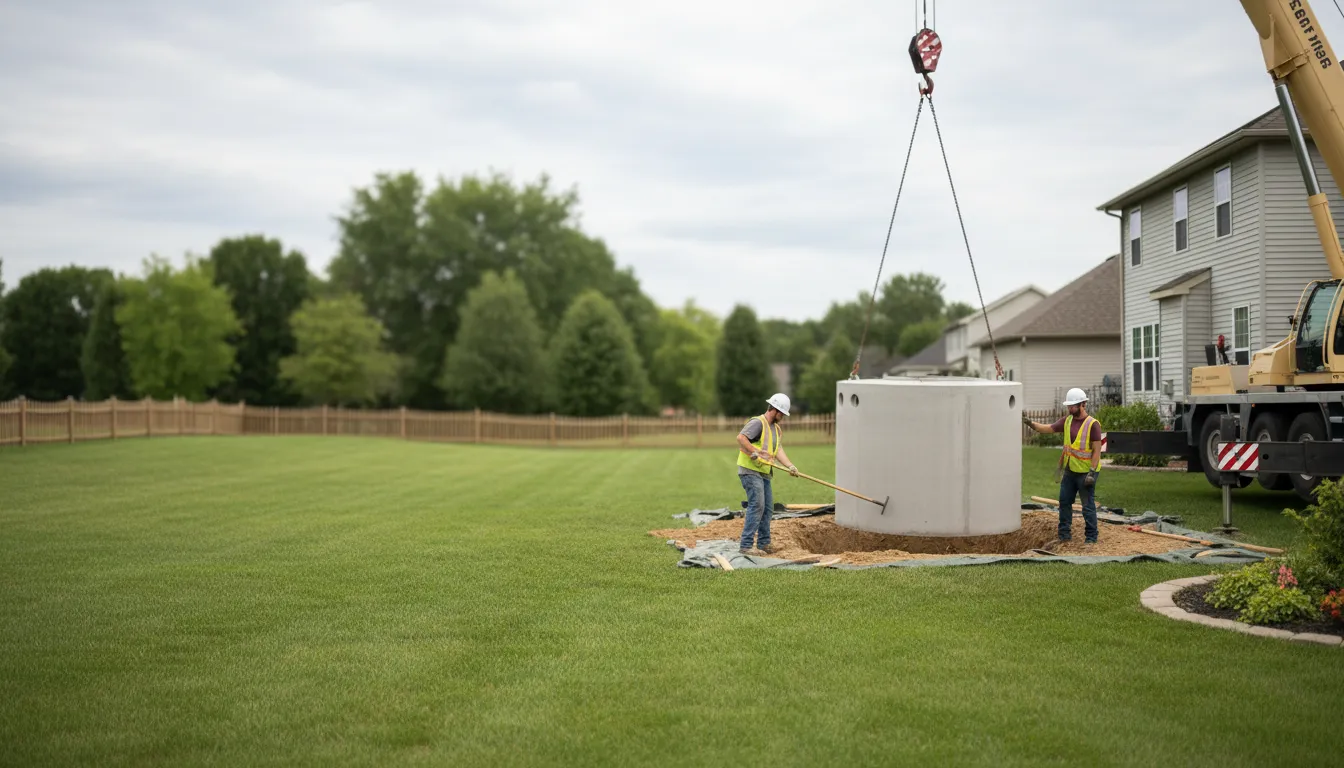
Find the Best Septic Tank Installation & Replacement Contractors for Your Business
No obligation • Fast responses • Nationwide coverage

Why you can trust Septic Spot
Septic Spot is a leading United States resource for understanding and comparing septic services. Our editors review providers using consistent criteria and verify key business details. Listings and scores are independent, and companies cannot pay to influence our content.
Search providers near you
Top Septic Tank Installation & Replacement Contractors in Coconut Creek, Florida Ranked
Installing or replacing a septic system is a significant investment in your property's long-term functionality and environmental health. In Coconut Creek, this process is governed by specific state and county regulations designed to protect Florida's unique water resources. This guide explains the key steps, costs, and local requirements for septic system work, helping you understand what to expect and how to connect with qualified professionals for your project.
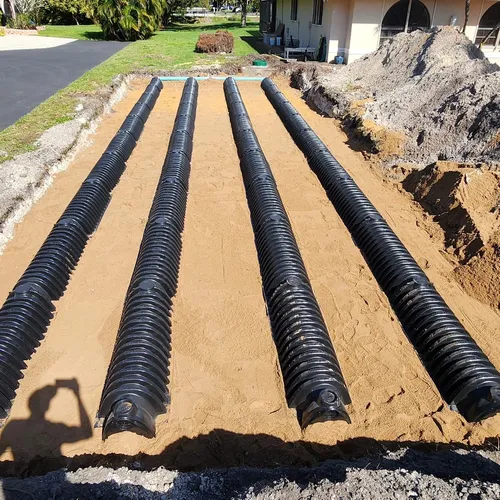
YP Septic Excavations LLC
1474 NE 183rd St, Miami, FL 33179
YP Septic Excavations LLC is a family-owned company based in Miami, FL, specializing in septic system installation, repair, and inspection. They provide a range of services including septic tank installations, drain field replacement, lift station repair, and French drainage systems. The company also offers asphalting and concrete pouring to complete projects with a clean, leveled finish. Founded in 2021 by Yosbel Paez, YP Septic Excavations LLC has completed over 500 projects and focuses on delivering customized, environmentally conscious solutions.
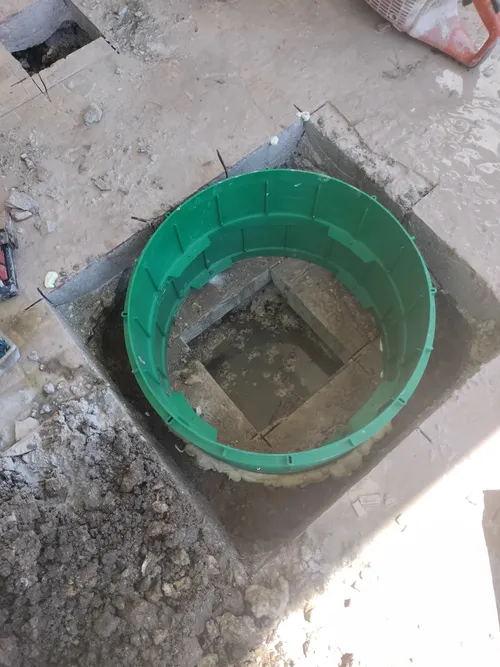
Vip Septic Solutions Corp
7125 NW 186th St APT B302, Hialeah, FL 33015
Vip Septic Solutions Corp provides septic tank cleaning, pumping, installation, and drainfield repair services in Miami, FL. Serving Miami-Dade and Broward Counties, the company uses vacuum trucks to safely remove waste and inspects systems to ensure proper function. With over ten years of experience, they offer commercial grease trap cleaning and 24/7 emergency septic services for urgent needs.
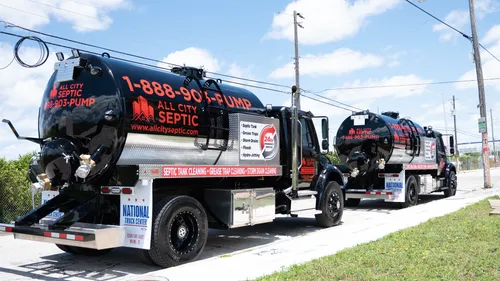
All City Septic
10501 S Camelot Cir, Davie, FL 33328
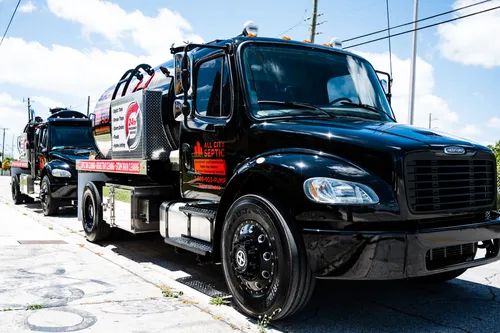
All City Septic is a licensed and insured septic contractor serving Fort Lauderdale, FL, and the surrounding South Florida region. They offer septic tank pumping, installation, and drain field repair or replacement services across Miami-Dade, Broward, Palm Beach, Martin, and St. Lucie counties. The company operates a fleet of septic pump trucks and provides hydro-jetting as part of their service capabilities. As a family-owned business, All City Septic is available 24/7 to meet customer needs.
All City Septic
831 NW 7th Terrace, Fort Lauderdale, FL 33311
All City Septic is a licensed and insured septic contractor based in Fort Lauderdale, FL. The company provides septic tank pumping, installation, and drain field repair services across South Florida, including Miami-Dade, Broward, and Palm Beach counties. They operate a fleet of septic pump trucks and offer hydro-jetting as part of their septic tank maintenance capabilities. All City Septic is a family-owned business that serves multiple counties and offers 24/7 availability for their services.
LINS Septic Corp
7851 W 22nd Ave, Hialeah, FL 33016
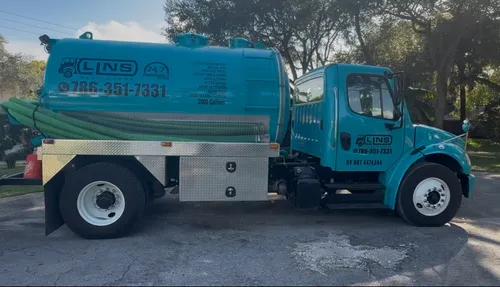
LINS Septic Corp provides comprehensive septic services in Miami, FL, and surrounding counties including Miami-Dade, Broward, Palm Beach, and Monroe. The company offers septic tank pumping, drainfield repair and installation, hydro-jetting, camera inspections, grease trap cleaning, and lift station pump replacement. Their capabilities include high-pressure hydro-jetting to clear grease, roots, and sludge, as well as HD video camera inspections to identify cracks and blockages with minimal digging. LINS Septic Corp is a family-owned business with licensed and insured technicians, offering same-day service and emergency response to keep septic systems functioning properly.
Understanding Local Regulations and Permits
Before any digging begins, securing the proper permits is the first and most critical step. In Florida, septic system permitting is managed by the county health department under the authority of the Florida Department of Health (DOH) and the Florida Administrative Code (Chapter 62-6) 1. You cannot legally install a new septic tank or replace an old one without a valid permit.
The application process typically requires:
- A completed DEP4015 form.
- A detailed site plan of your property.
- A certified soil survey, often called a "perc test" or site evaluation.
These documents help regulators ensure your proposed system will be safe and effective. It's important to note that only state-licensed septic tank contractors or licensed plumbers are legally authorized to perform installations and major repairs.
The Critical Role of Soil Evaluation
A soil evaluation is not just a bureaucratic hurdle; it's the scientific foundation for a successful septic system. This test determines the soil's absorption rate (percolation rate), which directly dictates the size and type of drainfield needed.
In Coconut Creek and across Broward County, a major consideration is the seasonal high water table. Florida law requires a minimum of 24 inches of clearance between the bottom of the drainfield and the high water table. If the evaluation finds the water table is too high for a conventional system, you may need an engineered alternative, such as a mounded system or an advanced treatment system, to ensure proper wastewater treatment.
System Sizing and Cost Considerations
Choosing the right size septic tank is crucial for system longevity and proper operation. For a residential home, a 1,000-gallon tank is generally the minimum, typically suitable for a 2-3 bedroom home 2. Larger homes or those with more bathrooms will require increased capacity.
Costs for a standard residential septic system installation in Florida can vary widely, typically ranging from $1,500 to $15,000 3. The final price depends on several factors:
- Soil Conditions: Difficult soil or a high water table that requires an engineered system will increase costs.
- System Size and Type: Larger tanks and advanced treatment systems are more expensive.
- Site Accessibility: Easy access for heavy machinery keeps costs down.
- Local Permit Fees: These vary by county.
Find the perfect septic tank installation & replacement contractors for your needs
Get personalized recommendations and expert advice
The Installation and Inspection Process
A proper septic system installation follows a structured process with mandatory checkpoints. Understanding these steps can help you ensure the work is done correctly.
- Initial Evaluation and Permitting: As discussed, this involves the soil test and submitting all required documents to the health department for permit approval.
- Excavation and Installation: The licensed contractor will excavate the site, place the tank, and construct the drainfield according to the approved plan.
- Mid-Project Inspection: Before the tank and drainfield are covered, a critical inspection must occur. An inspector (from the DOH or an authorized private provider) will verify the tank size, materials, pipe slopes, and overall installation integrity 4 5 6.
- Final Inspection and Approval: Once the system is covered and the installation is complete, a final inspection is conducted. Approval from the health department is required to officially close the permit 7.
The 2030 Mandate for Advanced Systems
Florida homeowners should be aware of a significant regulatory deadline. State law mandates that by 2030, septic systems in areas designated as "nutrient-impacted" or with high nitrogen loading must be upgraded to advanced wastewater treatment systems 8. These advanced systems, often called Best Available Technology (BAT) systems, are designed to significantly reduce the amount of nitrogen entering Florida's groundwater and springs.
If you are installing a new system today in an area that may fall under this mandate, it is wise to discuss with your contractor whether installing an advanced system now is a prudent choice to avoid a costly mandatory upgrade later 9.
Planning for the Future: The Reserve Drainfield
A key Florida requirement that impacts property planning is the 50% reserve drainfield area 10 11. When a permit is issued for a new conventional system, you must also designate an area on your property equal in size to the initial drainfield. This area must remain undisturbed and available for future use if the primary drainfield ever fails. This rule underscores the importance of considering long-term property use when siting a new septic system.
Choosing a Qualified Contractor
Given the complexity and regulatory nature of septic work, selecting the right professional is paramount. Always verify that a contractor holds a valid Florida septic tank contractor's license or is a state-licensed plumber authorized to do this work 12. Ask for references, proof of insurance, and ensure they are familiar with Broward County and Coconut Creek's specific requirements. A reputable contractor will handle the permit application process and coordinate all necessary inspections.
Disclaimer: Regulations and costs are subject to change. Always verify the most current requirements directly with the Broward County Department of Health or consult with a licensed professional before proceeding with your project.
Frequently asked questions
Sources
Footnotes
-
Onsite Sewage FAQ - Permitting | Florida Department of ... - https://floridadep.gov/water/onsite-sewage/content/onsite-sewage-faq-permitting ↩
-
What Size Septic Tank Do I Need - https://www.ntotank.com/blog/what-size-septic-tank-do-i-need ↩
-
How Expensive Is A Septic Installation In Central Florida - https://www.anzaldoseptic.com/how-expensive-is-a-septic-installation-in-central-florida/ ↩
-
Septic Inspections Made Easy: What Every Contractor Needs ... - https://flengineeringllc.com/septic-inspections-guide-contractors-2025/ ↩
-
Best Practices for Septic Installation in 2025 - Florida Engineering LLC - https://flengineeringllc.com/north-florida-septic-installation-2025/ ↩
-
Local Septic Regulations Florida Homeowners Should Know - https://www.yoursepticmasters.com/local-septic-regulations-florida-homeowners-should-know ↩
-
Septic Systems - Florida Department of Health - https://www.floridahealth.gov/community-environmental-public-health/environmental-public-health/water-quality/septic-systems/ ↩
-
Under Florida law, by 2030, septic tanks have to be upgraded to a ... - https://www.facebook.com/news6/posts/under-florida-law-by-2030-septic-tanks-have-to-be-upgraded-to-a-system-that-rele/1294638666031524/ ↩
-
Florida New Septic System Law: What Homeowners Need to ... - https://rooterone.com/florida-homeowners-new-septic-system-law/ ↩
-
Florida Well and Septic System Placement Regulations for ... - https://flengineeringllc.com/florida-well-septic-placement-2025/ ↩
-
Florida Septic Tank Requirements | Onsite Sewage Treatment and Disposal Systems - https://www.ntotank.com/blog/florida-septic-tank-requirements ↩
-
Septic Contracting Frequently Asked Questions - https://floridadep.gov/water/onsite-sewage/content/septic-contracting-frequently-asked-questions ↩