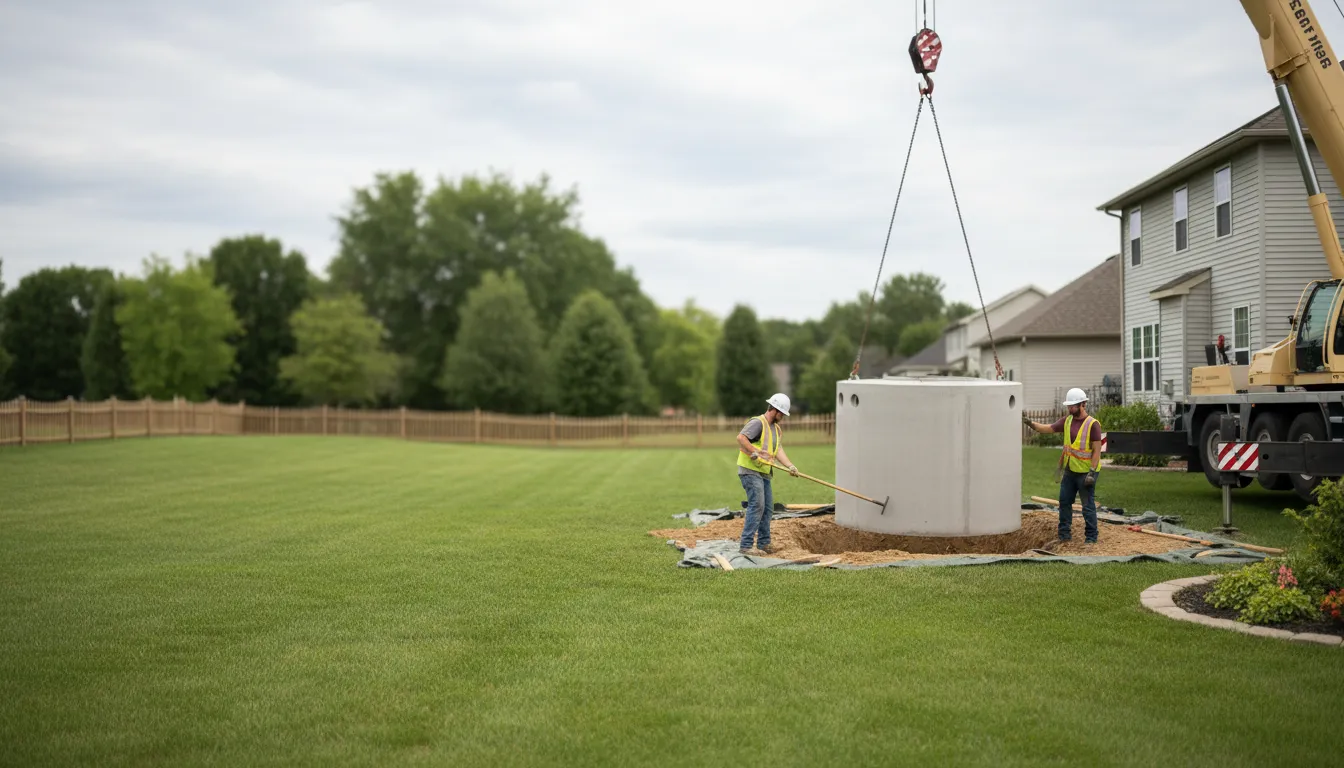
Find the Best Septic Tank Installation & Replacement Contractors for Your Business
No obligation • Fast responses • Nationwide coverage

Why you can trust Septic Spot
Septic Spot is a leading United States resource for understanding and comparing septic services. Our editors review providers using consistent criteria and verify key business details. Listings and scores are independent, and companies cannot pay to influence our content.
Search providers near you
Top Septic Tank Installation & Replacement Contractors in Coral Gables, Florida Ranked
Installing or replacing a septic system is a significant investment in your property's infrastructure and environmental health. In Coral Gables, this process is governed by specific state and county regulations designed to protect our unique South Florida ecosystem, particularly given the area's high water table. This guide will help you understand the key steps, costs, and local requirements for septic system work, empowering you to make informed decisions and connect with qualified local professionals.
Septic Masters
3250 Mary St #307, Miami, FL 33133
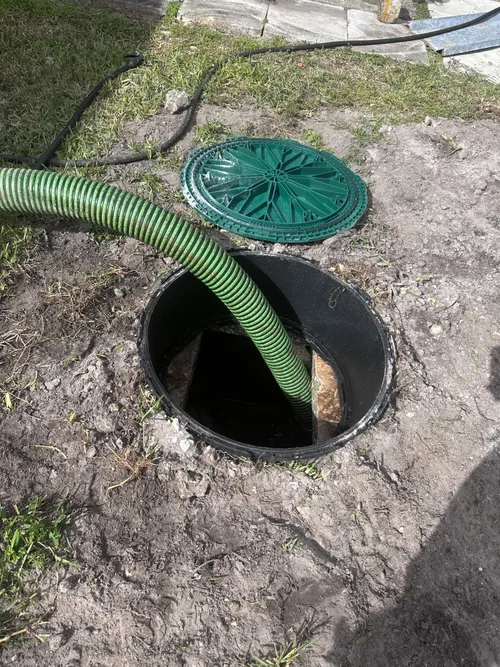
Septic Masters provides septic tank pumping, inspection, repair, and installation services in Miami, FL. They also offer storm drain cleaning to help prevent flooding and water damage. Their team uses advanced equipment to thoroughly inspect and clean septic systems, including removing solid waste and sludge to maintain proper function. Septic Masters serves both traditional and modern septic systems and also specializes in grease trap cleaning to enhance waste management efficiency. Their services are designed to meet the needs of residential and commercial properties in the Miami area.
YP Septic Excavations LLC
1474 NE 183rd St, Miami, FL 33179
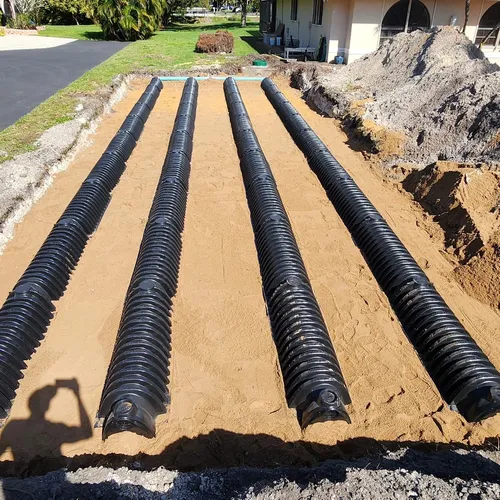
YP Septic Excavations LLC is a family-owned company based in Miami, FL, specializing in septic system installation, repair, and inspection. They provide a range of services including septic tank installations, drain field replacement, lift station repair, and French drainage systems. The company also offers asphalting and concrete pouring to complete projects with a clean, leveled finish. Founded in 2021 by Yosbel Paez, YP Septic Excavations LLC has completed over 500 projects and focuses on delivering customized, environmentally conscious solutions.
SoFLo Septic & Plumbing
Miami, FL
SoFLo Septic & Plumbing provides septic tank pumping, system repairs, and installation services in Miami, FL. They serve Miami-Dade and Broward counties, offering a full range of septic and plumbing solutions including grease trap pumping, storm drain cleaning, and high-pressure hydro jetting for clogged drains. Their capabilities include septic system design, permitting, and installation. The company is licensed, insured, and available 24/7 for emergency services.
All City Septic
9715 SW 16th St, Miami, FL 33165
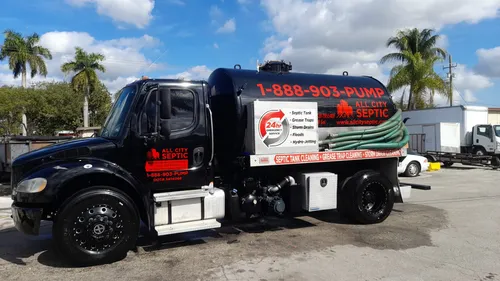
All City Septic is a licensed and insured septic contractor based in Miami, FL. The company provides septic tank pumping, installation, and drain field repair or replacement services across Miami-Dade, Broward, and Palm Beach counties, with additional coverage in Martin and St. Lucie counties. They operate a fleet of septic pump trucks and offer hydro-jetting as part of their service capabilities. All City Septic is a family-owned business committed to long-lasting drain field systems and offers 24/7 availability for septic services.
SEPTIC TANK SERVICES | AAA PRO PLUMBING
Miami, FL
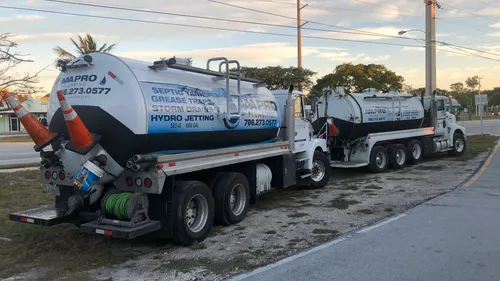
SEPTIC TANK SERVICES | AAA PRO PLUMBING provides septic tank pumping, repair, and installation services in Miami, FL. They serve a wide range of communities throughout the Miami area, including Coral Gables, Aventura, and Miami Gardens. Their services include septic system repair and septic tank cleaning, addressing various septic system needs. The company offers comprehensive septic solutions tailored to residential and commercial properties across the region.
Understanding Local Septic System Regulations
In Coral Gables, all septic system installations and replacements are regulated by the Florida Department of Health (DOH) in Miami-Dade County under state rules (Chapter 62-6, F.A.C.) 1. The primary goal of these regulations is to ensure that onsite sewage treatment and disposal systems do not contaminate groundwater, which is a critical concern in our region. The permitting and inspection process is mandatory, and unpermitted work can lead to substantial fines, legal liability, and issues when selling your property.
A core requirement is that only state-registered septic tank contractors or licensed plumbers are legally allowed to install, repair, or abandon these systems. This ensures the work meets Florida's strict standards for public health and environmental protection.
The Step-by-Step Installation Process
1. Site Evaluation and Soil Testing
Before any design or permit application, a professional must conduct a comprehensive site evaluation. The most critical component is a soil percolation (perc) test, which determines the soil's absorption rate. This test is mandatory and dictates the size and type of system your property can support. In Coral Gables, the high groundwater level often means standard drainfields are not feasible, making this test the first step toward identifying the right engineered solution.
2. System Design and Permit Application
Using the results from the soil evaluation, a system design is created. This design must adhere to strict setback requirements-minimum distances from property lines, wells, water bodies, and structures 2. The completed design and application are then submitted to the DOH-Miami-Dade for a permit. A permit must be secured before any construction begins 3 4.
3. Installation and Inspections
Once the permit is issued, the registered contractor can proceed. The installation process is closely monitored through required inspections:
- Open Inspection: The excavated tank and drainfield are inspected before being covered with soil.
- Final Inspection: Upon completion, a final inspection is conducted. If the system passes, a "Construction Approval" is issued, authorizing its use 5.
Find the perfect septic tank installation & replacement contractors for your needs
Get personalized recommendations and expert advice
Cost Factors for Septic Systems in Coral Gables
The total cost for a new septic system or a full replacement in Coral Gables is highly variable, but homeowners should be prepared for a significant investment. Typical ranges are between $5,000 and $20,000 or more 6.
Several key factors drive the cost:
- Soil Conditions & System Type: Due to the prevalent high water table, many properties require engineered or mounded systems that elevate the drainfield above the natural ground level. These complex systems are more expensive than conventional ones.
- System Size: The size of the tank and drainfield is based on the home's bedroom count and water usage.
- Permit and Testing Fees: Separate from installation, you will pay permit fees (generally $150-$500) and the cost for the mandatory soil percolation test 7 8.
- Contractor Costs: Labor, materials, and the expertise of a state-registered contractor are the largest portions of the budget.
Replacing an Old or Failing System
If you are dealing with a failing septic system-indicated by soggy ground over the drainfield, sewage backups, or unpleasant odors-replacement follows the same rigorous process as a new installation. A crucial additional step is the proper abandonment of the old tank. A separate permit is required to safely pump out and either remove or fill the old tank with an inert material like sand or concrete 9. Skipping this step can create a dangerous collapse hazard and is a violation of code.
Choosing the Right Professional
Selecting a qualified contractor is the most important decision you'll make. Always verify that any professional you consider is a state-registered septic tank contractor. They should be intimately familiar with Miami-Dade County's specific requirements and have experience designing systems for South Florida's challenging soil conditions. A reputable contractor will handle the permit application, coordinate inspections, and ensure the entire project complies with all Florida Department of Health regulations 10 11.
Maintenance and Long-Term Care
After your new system is installed, proper maintenance is essential for longevity and compliance. Florida law requires septic tanks to be inspected every five years, and more frequent pumping (every 3-5 years) is often necessary. Protecting your drainfield by avoiding parking vehicles on it, diverting rainwater runoff away from it, and being mindful of what goes down your drains will help prevent premature failure and protect your investment.
Frequently asked questions
Sources
Footnotes
-
Onsite Sewage Program | Florida Department of Environmental ... - https://floridadep.gov/water/onsite-sewage ↩
-
Florida Well and Septic System Placement Regulations for ... - https://flengineeringllc.com/florida-well-septic-placement-2025/ ↩
-
Permit Application Packet - Coral Gables - https://www.coralgables.com/sites/default/files/2022-06/PERMIT-APPLICATION-PACKAGE-W-BARCODE-EK%20updated.pdf ↩
-
Onsite Sewage FAQ - Permitting | Florida Department of ... - https://floridadep.gov/water/onsite-sewage/content/onsite-sewage-faq-permitting ↩
-
Florida Septic Tank Requirements | Onsite Sewage Treatment ... - https://www.ntotank.com/blog/florida-septic-tank-requirements ↩
-
How to Get an Accurate Septic System Cost Estimate - Land Perc - https://landperc.com/septic-system-cost-estimate/ ↩
-
How Much Does a Septic Soil Test Cost in 2026? - Land Perc - https://landperc.com/septic-soil-test-cost/ ↩
-
Understanding Septic Tank Permits and Regulations - https://westcoastsanitationinc.com/understanding-septic-tank-permits-and-regulations/ ↩
-
Septic Permits in Florida: Do You Need One? (2025 Guide) - https://landperc.com/do-i-need-a-permit-for-a-septic-system-in-florida/ ↩
-
Septic Contracting Frequently Asked Questions - https://floridadep.gov/water/onsite-sewage/content/septic-contracting-frequently-asked-questions ↩
-
Maximizing Land Value with the Right Septic Design: A Guide for Contractors (2025) - https://flengineeringllc.com/maximizing-land-value-septic-design/ ↩