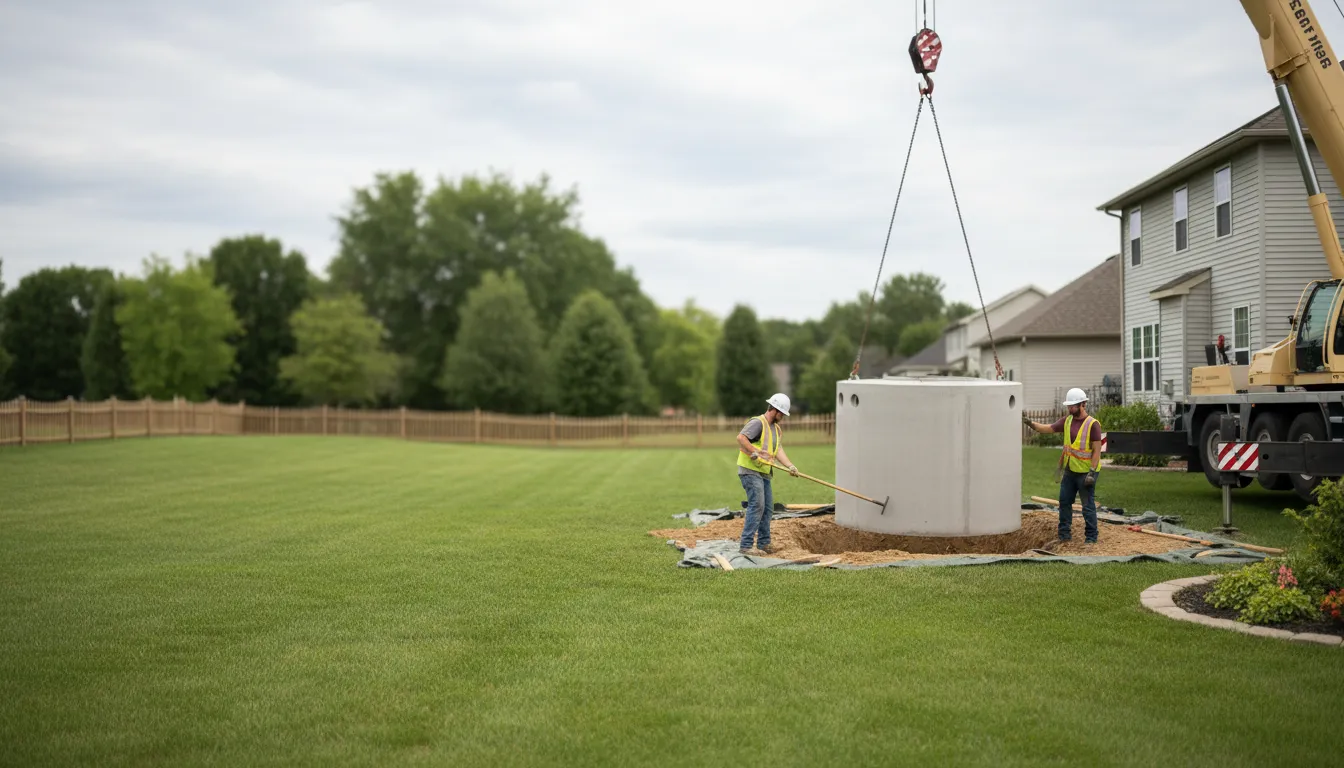
Find the Best Septic Tank Installation & Replacement Contractors for Your Business
No obligation • Fast responses • Nationwide coverage

Why you can trust Septic Spot
Septic Spot is a leading United States resource for understanding and comparing septic services. Our editors review providers using consistent criteria and verify key business details. Listings and scores are independent, and companies cannot pay to influence our content.
Search providers near you
Top Septic Tank Installation & Replacement Contractors in Cutler Bay, Florida Ranked
Installing or replacing a septic system in Cutler Bay is a significant project that requires careful planning and adherence to strict local and state regulations. A properly designed and permitted septic system is crucial for protecting your property, your health, and South Florida's sensitive environment. This guide provides a detailed overview of the process, costs, and key considerations for septic system installation and septic tank replacement in Cutler Bay, helping you navigate the journey from initial site evaluation to final inspection.
Septic Masters
3250 Mary St #307, Miami, FL 33133
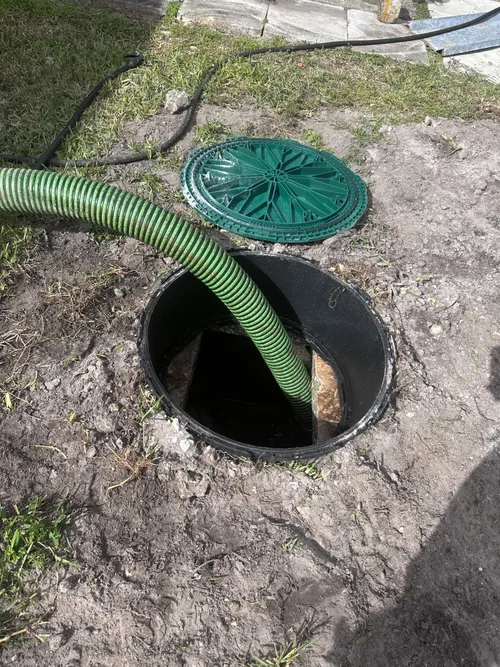
Septic Masters provides septic tank pumping, inspection, repair, and installation services in Miami, FL. They also offer storm drain cleaning to help prevent flooding and water damage. Their team uses advanced equipment to thoroughly inspect and clean septic systems, including removing solid waste and sludge to maintain proper function. Septic Masters serves both traditional and modern septic systems and also specializes in grease trap cleaning to enhance waste management efficiency. Their services are designed to meet the needs of residential and commercial properties in the Miami area.
YP Septic Excavations LLC
1474 NE 183rd St, Miami, FL 33179
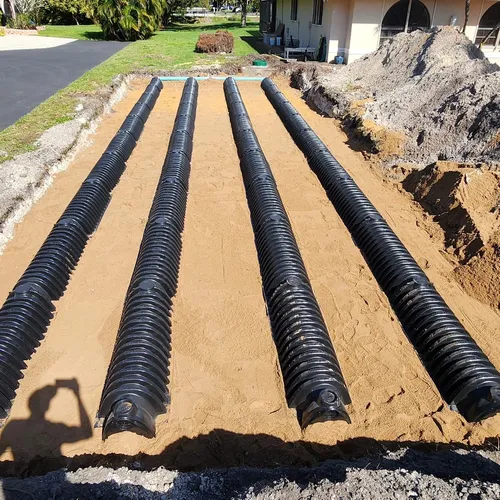
YP Septic Excavations LLC is a family-owned company based in Miami, FL, specializing in septic system installation, repair, and inspection. They provide a range of services including septic tank installations, drain field replacement, lift station repair, and French drainage systems. The company also offers asphalting and concrete pouring to complete projects with a clean, leveled finish. Founded in 2021 by Yosbel Paez, YP Septic Excavations LLC has completed over 500 projects and focuses on delivering customized, environmentally conscious solutions.
SoFLo Septic & Plumbing
Miami, FL
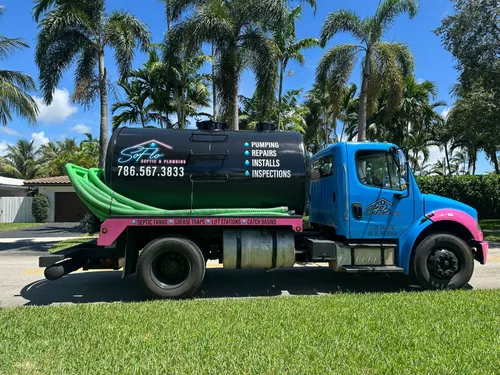
SoFLo Septic & Plumbing provides septic tank pumping, system repairs, and installation services in Miami, FL. They serve Miami-Dade and Broward counties, offering a full range of septic and plumbing solutions including grease trap pumping, storm drain cleaning, and high-pressure hydro jetting for clogged drains. Their capabilities include septic system design, permitting, and installation. The company is licensed, insured, and available 24/7 for emergency services.
All City Septic
9715 SW 16th St, Miami, FL 33165
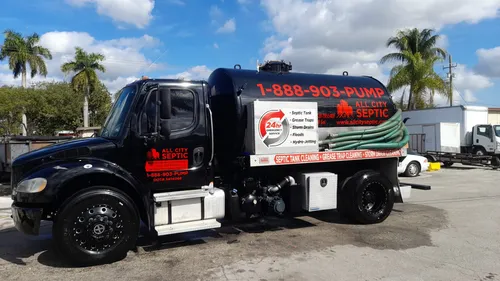
All City Septic is a licensed and insured septic contractor based in Miami, FL. The company provides septic tank pumping, installation, and drain field repair or replacement services across Miami-Dade, Broward, and Palm Beach counties, with additional coverage in Martin and St. Lucie counties. They operate a fleet of septic pump trucks and offer hydro-jetting as part of their service capabilities. All City Septic is a family-owned business committed to long-lasting drain field systems and offers 24/7 availability for septic services.
SEPTIC TANK SERVICES | AAA PRO PLUMBING
Miami, FL
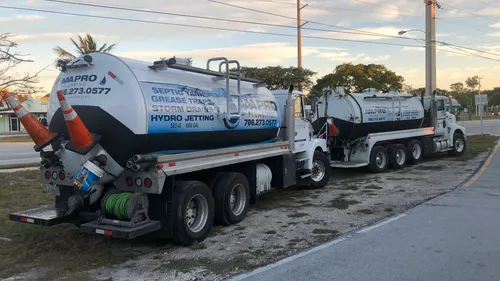
SEPTIC TANK SERVICES | AAA PRO PLUMBING provides septic tank pumping, repair, and installation services in Miami, FL. They serve a wide range of communities throughout the Miami area, including Coral Gables, Aventura, and Miami Gardens. Their services include septic system repair and septic tank cleaning, addressing various septic system needs. The company offers comprehensive septic solutions tailored to residential and commercial properties across the region.
Understanding the Permit Process in Miami-Dade County
Before any digging begins, you must secure the proper permits. In Cutler Bay, all septic system installations and replacements are regulated by the Florida Department of Health (DOH) in Miami-Dade County. The cornerstone of this process is obtaining a Construction Permit for an Onsite Sewage Treatment and Disposal System (OSTDS).
A licensed septic tank contractor or master plumber must submit the application on your behalf. The application package is comprehensive and typically includes:
- A detailed site plan showing property lines, building locations, and the proposed location of the tank and drainfield.
- The results of a mandatory soil evaluation, known as a percolation test.
- The system design specifications from a qualified engineer or designer.
Failure to obtain this permit before starting work can result in significant fines and orders to remove non-compliant installations.
The Critical Role of Site Evaluation and Soil Testing
The success of any septic system hinges on the soil's ability to absorb and treat wastewater. Given Cutler Bay's proximity to the Everglades and coastal areas, high water tables are a common challenge. A professional site evaluation is the first technical step.
This evaluation includes a percolation test (often called a "perc test"), which measures how quickly water drains through the soil at the proposed drainfield site. The results determine:
- Soil Suitability: Whether the soil can adequately filter effluent.
- System Type: The specific design required, such as a conventional drainfield, a mound system, or an advanced treatment unit.
- Drainfield Size: The necessary square footage for effective treatment.
This test is non-negotiable and forms the basis for the engineering design that will be submitted for permit approval.
Navigating Florida's Evolving Septic Regulations
Florida's septic rules have become more stringent to protect water quality, especially in nutrient-sensitive areas. Homeowners in Cutler Bay must be aware of recent changes:
- Nitrogen-Reducing Systems: In areas designated as "BMAPs" (Basin Management Action Plans) or other sensitive zones, new and replacement systems may be required to include advanced technology that significantly reduces nitrogen levels in the treated effluent before it reaches groundwater.
- No "Grandfathering" for Old Systems: When you apply to replace a failing system, you must comply with current codes, not the rules that were in place when the original system was installed. This often means upgrading to a larger tank, a more sophisticated drainfield, or an advanced treatment system.
- Setback Requirements: State law mandates minimum distances (setbacks) between septic system components and wells, property lines, buildings, and surface water. These are strictly enforced during the permitting process 1 2.
Find the perfect septic tank installation & replacement contractors for your needs
Get personalized recommendations and expert advice
The Three-Phase Inspection Checklist
Once a permit is issued and installation begins, the work will be subject to mandatory inspections to ensure compliance with the approved plans. Florida now offers more flexibility through Private Provider Inspections (PPI), which can often be scheduled faster than county inspections.
- Pre-Installation/Site Inspection: An inspector verifies the staked location of the system components matches the approved site plan and that the site is ready for construction.
- Installation/Mid-Project Inspection: This occurs after the septic tank and distribution boxes are set in the ground but before they are backfilled. The inspector checks the tank size, structural integrity, inlet/outlet baffles, and placement 3.
- Final Inspection: After the entire system is installed and the site is restored, a final inspection is conducted. Upon passing, the Department of Health issues a Certificate of Completion, which is a vital document for your property records 4 5.
Cost Breakdown for Septic System Installation
The cost of a new septic system or septic tank replacement in Cutler Bay is highly variable. A simple gravity-fed system for a small home may start around $1,500, while complex systems for larger homes on difficult sites can exceed $15,000 6 7. Key cost factors include:
- System Components: The tank itself is a major cost. A standard 1,000-gallon concrete tank typically costs between $500 and $900 for the unit, but this is just one part of the total price 8.
- System Type & Size: A basic conventional system is the most affordable. Mound systems (required for high water tables) and advanced treatment systems (required for nutrient reduction) involve more materials, engineering, and labor, driving costs higher 9 10.
- Site Conditions: Difficult access, rocky soil, or the need for extensive clearing and grading add to the expense.
- Professional Fees: This includes the soil test, engineering design, permit application fees (which can be several hundred dollars), and inspection costs. Many contractors bundle these into a single proposal 11.
- Labor & Equipment: Excavation, installation, and backfilling require skilled labor and heavy machinery.
Always get detailed, written estimates from multiple licensed contractors that clearly separate material, labor, and permitting costs.
Choosing the Right System for Your Property
Based on the site evaluation, your contractor and engineer will recommend a system type. Common options in South Florida include:
- Conventional Gravity System: The most basic type, used only where soil depth and conditions are ideal-less common in Cutler Bay.
- Mound System: An above-ground drainfield built with imported sand. This is a frequent solution for properties with high water tables or shallow soil.
- Advanced Treatment Systems (ATS): These systems treat wastewater to a much higher standard, often using aerobic processes or media filters. They may be required by newer regulations and are essential for environmentally sensitive locations 12.
- Peat Filter or Sand Filter Systems: Other engineered options that provide enhanced treatment in a contained filter bed.
Your choice will directly impact the project's cost, longevity, and maintenance requirements.
Working with Licensed Professionals
Given the complexity, never attempt a DIY septic installation. Florida law requires that septic system construction, repair, and abandonment be performed by a licensed septic tank contractor 13. When selecting a professional:
- Verify their state license is current and in good standing.
- Ask for proof of insurance and references from recent local projects.
- Ensure they have experience with the specific type of system your property requires (e.g., mound systems).
- Choose someone who communicates clearly about the process, timelines, and costs.
A reputable contractor will handle the permit application, coordinate inspections, and ensure the entire project meets all Florida Department of Health and Miami-Dade County standards.
Frequently asked questions
Sources
Footnotes
-
Florida Well and Septic System Placement Regulations for New ... - https://flengineeringllc.com/florida-well-septic-placement-2025/ ↩
-
Local Septic Regulations Florida Homeowners Should Know - https://www.yoursepticmasters.com/local-septic-regulations-florida-homeowners-should-know ↩
-
Florida Septic Tank Requirements | Onsite Sewage Treatment ... - https://www.ntotank.com/blog/florida-septic-tank-requirements ↩
-
Septic Inspections Made Easy: What Every Contractor Needs ... - https://flengineeringllc.com/septic-inspections-guide-contractors-2025/ ↩
-
Your Complete Guide to Septic System Inspections in Florida - https://southernsepticanddesign.com/septic-services-blog/your-complete-guide-to-septic-system-inspections-in-florida-what-contractors-and-property-owners-need-to-know/ ↩
-
How Expensive Is A Septic Installation In Central Florida - https://www.anzaldoseptic.com/how-expensive-is-a-septic-installation-in-central-florida/ ↩
-
24/7 Septic Inspection Cutler Bay, FL | Same Day Service ... - https://miamisepticpros.com/resources/septic-inspection-fl-cutler-bay/ ↩
-
Residential Septic Tank Pricing | Homeowner's Guide to Costs - https://www.ntotank.com/blog/residential-septic-tank-pricing ↩
-
Best Practices for Septic Installation in 2025 - Florida Engineering LLC - https://flengineeringllc.com/north-florida-septic-installation-2025/ ↩
-
Septic Tank Planning Permission: Replace vs. New - https://dpservicesfl.com/do-i-need-planning-permission-for-a-septic-tank-replacement-or-only-for-new-installations/ ↩
-
New Septic System Application Requirements - Florida Department of Health in Lee County - https://lee.floridahealth.gov/programs-and-services/environmental-health/onsite-sewage-disposal/permits/ostds-new-permit/ ↩
-
Florida New Septic System Law: What Homeowners Need to Know - https://rooterone.com/florida-homeowners-new-septic-system-law/ ↩
-
Septic Contracting Frequently Asked Questions - https://floridadep.gov/water/onsite-sewage/content/septic-contracting-frequently-asked-questions ↩