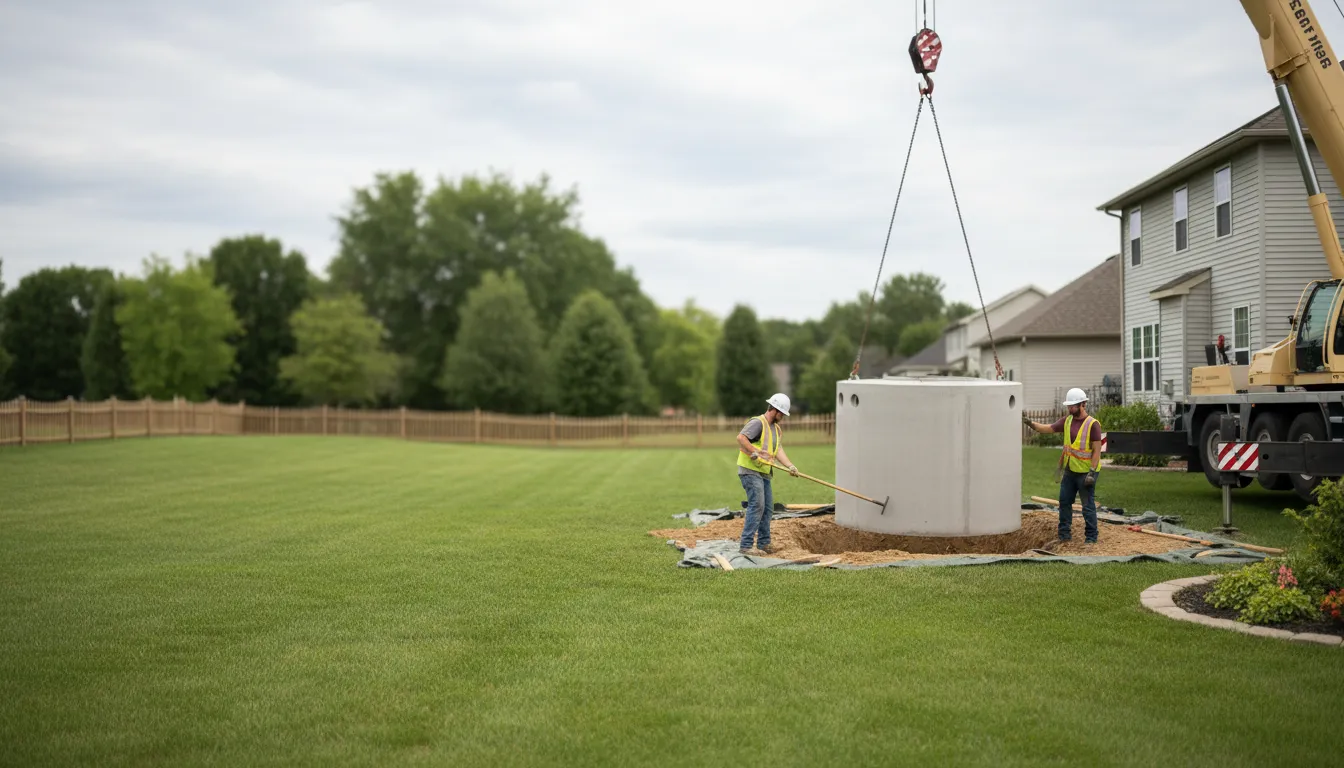
Find the Best Septic Tank Installation & Replacement Contractors for Your Business
No obligation • Fast responses • Nationwide coverage

Why you can trust Septic Spot
Septic Spot is a leading United States resource for understanding and comparing septic services. Our editors review providers using consistent criteria and verify key business details. Listings and scores are independent, and companies cannot pay to influence our content.
Search providers near you
Top Septic Tank Installation & Replacement Contractors in Doral, Florida Ranked
Installing or replacing a septic system is a significant investment in your property's long-term functionality and environmental safety. In Doral, this process is governed by specific local regulations due to the region's unique soil conditions and high water table. This guide explains the key steps, costs, and considerations for septic system work in Doral, helping you understand what to expect and how to connect with qualified local professionals for your project.
Septic Masters
3250 Mary St #307, Miami, FL 33133
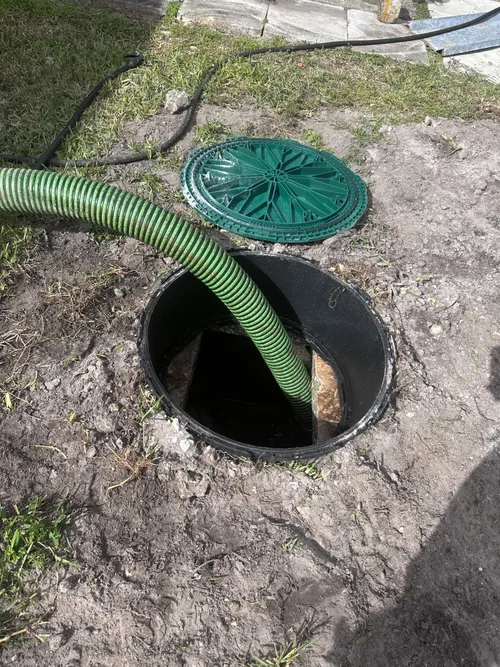
Septic Masters provides septic tank pumping, inspection, repair, and installation services in Miami, FL. They also offer storm drain cleaning to help prevent flooding and water damage. Their team uses advanced equipment to thoroughly inspect and clean septic systems, including removing solid waste and sludge to maintain proper function. Septic Masters serves both traditional and modern septic systems and also specializes in grease trap cleaning to enhance waste management efficiency. Their services are designed to meet the needs of residential and commercial properties in the Miami area.
YP Septic Excavations LLC
1474 NE 183rd St, Miami, FL 33179
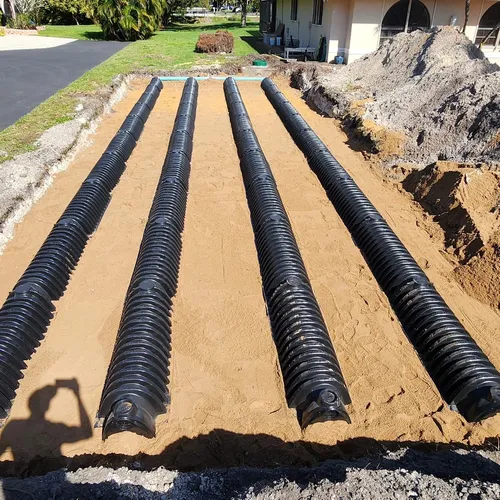
YP Septic Excavations LLC is a family-owned company based in Miami, FL, specializing in septic system installation, repair, and inspection. They provide a range of services including septic tank installations, drain field replacement, lift station repair, and French drainage systems. The company also offers asphalting and concrete pouring to complete projects with a clean, leveled finish. Founded in 2021 by Yosbel Paez, YP Septic Excavations LLC has completed over 500 projects and focuses on delivering customized, environmentally conscious solutions.
SoFLo Septic & Plumbing
Miami, FL
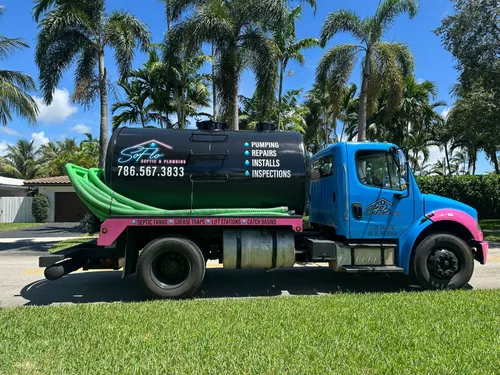
SoFLo Septic & Plumbing provides septic tank pumping, system repairs, and installation services in Miami, FL. They serve Miami-Dade and Broward counties, offering a full range of septic and plumbing solutions including grease trap pumping, storm drain cleaning, and high-pressure hydro jetting for clogged drains. Their capabilities include septic system design, permitting, and installation. The company is licensed, insured, and available 24/7 for emergency services.
All City Septic
9715 SW 16th St, Miami, FL 33165
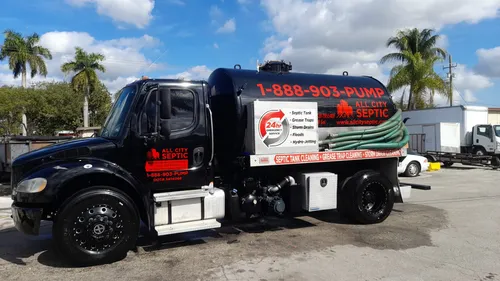
All City Septic is a licensed and insured septic contractor based in Miami, FL. The company provides septic tank pumping, installation, and drain field repair or replacement services across Miami-Dade, Broward, and Palm Beach counties, with additional coverage in Martin and St. Lucie counties. They operate a fleet of septic pump trucks and offer hydro-jetting as part of their service capabilities. All City Septic is a family-owned business committed to long-lasting drain field systems and offers 24/7 availability for septic services.
SEPTIC TANK SERVICES | AAA PRO PLUMBING
Miami, FL
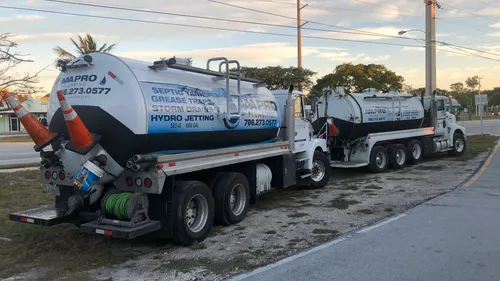
SEPTIC TANK SERVICES | AAA PRO PLUMBING provides septic tank pumping, repair, and installation services in Miami, FL. They serve a wide range of communities throughout the Miami area, including Coral Gables, Aventura, and Miami Gardens. Their services include septic system repair and septic tank cleaning, addressing various septic system needs. The company offers comprehensive septic solutions tailored to residential and commercial properties across the region.
Understanding the Doral Septic System Landscape
Doral, like much of South Florida, presents distinct challenges for onsite wastewater treatment. The area is characterized by a high seasonal water table and soil types that can vary in their ability to absorb and treat effluent. Because of this, the process for a new septic system installation or a full system replacement is highly regulated to protect public health and groundwater quality. The goal is to ensure every system is designed to function properly in these conditions, preventing contamination and system failure.
The primary regulatory bodies involved are the Florida Department of Health (DOH) in Miami-Dade County and the Miami-Dade County Department of Regulatory and Economic Resources (DERM). You cannot simply hire a contractor and begin digging; the project must be permitted and inspected at multiple stages. This structured process, while sometimes lengthy, is designed to ensure the system is built to last and comply with all Florida septic tank requirements.
The Permitting Process: A Step-by-Step Overview
Navigating the permit process is the first and most critical phase of any septic project in Doral. Skipping or misunderstanding this step can lead to costly delays, fines, or an improperly functioning system.
1. Initial Application and Site Evaluation: The process begins with submitting an application (typically form DEP 4015) to the Florida DOH, along with a detailed site plan, property floor plans, and applicable fees 1. A licensed professional must then conduct a mandatory site evaluation. This evaluation includes a percolation (perc) test, which determines the soil's absorption rate, and an assessment of the seasonal high water table elevation. This data is crucial for designing a system that maintains the legally required separation between the drainfield and groundwater 2.
2. Engineering Design and DERM Review: Based on the site evaluation, a system must be designed by a qualified professional. In Miami-Dade County, this design often requires review and approval from DERM in addition to the DOH. This step ensures the proposed septic tank and drainfield meet all local environmental protections, especially concerning the high water table. This review phase can account for a significant portion of the pre-construction timeline and fees.
3. Permit Issuance: Once the site evaluation and system design are approved, the permitting agency will issue the construction permit. The entire permitting process, from application to issuance, can take anywhere from 4 to 12 weeks, depending on the complexity of the site and agency workloads.
Key Inspections During Installation
After securing your permit, construction can begin. The work will be subject to mandatory inspections by the permitting agency to verify compliance with the approved plans and state code.
- Initial/Site Inspection: This may occur before or at the very start of construction to confirm stakeout locations, setbacks from property lines and structures, and that the approved plan is being followed.
- Mid-Project Inspection: Conducted after the septic tank and drainfield trenches are excavated and built, but before they are covered. The inspector will verify the tank size and placement, the construction and grading of the drainfield, and the quality of materials like pipes and gravel.
- Final Inspection: This is the last official check. The inspector confirms the entire system is installed correctly, the site is properly restored, and all components are operational. Passing this inspection grants final approval for the system to be put into use 3.
Working with a licensed contractor who is familiar with these inspection checkpoints is essential for a smooth installation.
Cost Factors for Septic System Work in Doral
The total cost for a new septic system installation or a complete system replacement in Doral can vary widely. For a standard residential system, you can generally expect the total project cost to range from $5,000 to over $20,000, with many standard systems averaging between $6,000 and $10,000 4. It's important to understand what drives this range:
- Permit and Engineering Fees: A substantial portion of the upfront cost is not for physical construction but for the required professional services and permits. Site evaluations, engineering design, and agency review fees (for both DOH and DERM) can collectively range from $1,800 to $5,800 5 6.
- Site Conditions (The Biggest Variable): Doral's high water table is the most significant cost factor. State code requires a minimum 36-inch separation between the bottom of the drainfield and the seasonal high water table. If the natural soil doesn't provide this, the system design must include an engineered, mounded (or elevated) drainfield. Building this raised, sand-filled mound is more labor-intensive and requires more materials, significantly increasing the project cost compared to a conventional in-ground system.
- System Size and Technology: The size of the tank and drainfield, determined by your home's bedroom count and water usage, affects material costs. Additionally, if a standard gravity-fed system isn't suitable, alternative technologies like pressure distribution or aerobic treatment units (ATUs) will add to the expense.
- Contractor Costs: Labor, equipment, and materials (tank, pipes, gravel, sand) make up the core construction costs. Prices can vary between contractors based on experience, licensing, and current demand.
Find the perfect septic tank installation & replacement contractors for your needs
Get personalized recommendations and expert advice
Choosing the Right Contractor for Your Project
Selecting a qualified professional is perhaps the most important decision you'll make. In Florida, anyone performing septic system installation, repair, or pumping must hold the appropriate state license and certification. Always verify a contractor's license status online through the Florida Department of Business and Professional Regulation (DBPR). Look for contractors with specific experience in the Miami-Dade area, as they will be intimately familiar with DERM requirements, local soil challenges, and the inspection process.
A reputable contractor should handle the entire permit application process on your behalf, including coordinating the site evaluation and submitting engineering plans. They should provide a detailed, written estimate that breaks down costs for permits, design, materials, and labor. Be wary of quotes that seem unusually low, as they may not account for all necessary steps or may use substandard materials.
When is System Replacement Necessary?
Understanding when a full septic system replacement is needed can help you plan and budget proactively. Common signs include:
- Persistent Drainfield Failure: Sewage backing up into the home or surfacing in the yard often indicates a clogged or failed drainfield that cannot be repaired.
- Failed Inspection: If you are selling your home and a mandatory septic inspection reveals a failing tank or drainfield, replacement is typically required to close the sale.
- System Age and Condition: Older systems made of materials like steel (which rusts) or concrete (which can deteriorate) may need replacement even before they fail completely.
- Property Changes: Adding bedrooms or significant water-using appliances may require a larger system to handle the increased load.
If you suspect your system is failing, contact a licensed inspector or contractor immediately to assess the situation and discuss your options, which may range from repair to a full septic system replacement.
Maintaining Your New Septic System
Once your new system is installed, proper maintenance is key to ensuring it lasts for decades. This includes having the septic tank pumped regularly (typically every 3-5 years, but follow your contractor's recommendation), conserving water to avoid overloading the drainfield, and avoiding flushing harmful chemicals or non-biodegradable materials. A well-maintained system protects your investment and the local environment.
Navigating a septic tank installation or a major septic system replacement in Doral requires careful planning, a realistic budget, and the right professional team. By understanding the regulatory environment, cost drivers, and process outlined here, you can approach your project with confidence and make informed decisions for your property.
Frequently asked questions
Sources
Footnotes
-
Onsite Sewage FAQ - Permitting | Florida Department of ... - https://floridadep.gov/water/onsite-sewage/content/onsite-sewage-faq-permitting ↩
-
Florida Septic Tank Requirements | Onsite Sewage Treatment and Disposal Systems - https://www.ntotank.com/blog/florida-septic-tank-requirements ↩
-
Septic Inspections Made Easy: What Every Contractor Needs ... - https://flengineeringllc.com/septic-inspections-guide-contractors-2025/ ↩
-
How to Get an Accurate Septic System Cost Estimate - Land Perc - https://landperc.com/septic-system-cost-estimate/ ↩
-
Drain Field Installation in Miami - Professional Leach Fi... - https://miamisepticpros.com/services/drain-field-installation/ ↩
-
Services New Septic System Installation | Free Estimate &... - https://miamisepticpros.com/services/new-septic-system-installation/ ↩