Find the Best Septic Tank Installation & Replacement Contractors for Your Business
No obligation • Fast responses • Nationwide coverage

Why you can trust Septic Spot
Septic Spot is a leading United States resource for understanding and comparing septic services. Our editors review providers using consistent criteria and verify key business details. Listings and scores are independent, and companies cannot pay to influence our content.
Search providers near you
Top Septic Tank Installation & Replacement Contractors in Fort Pierce, Florida Ranked
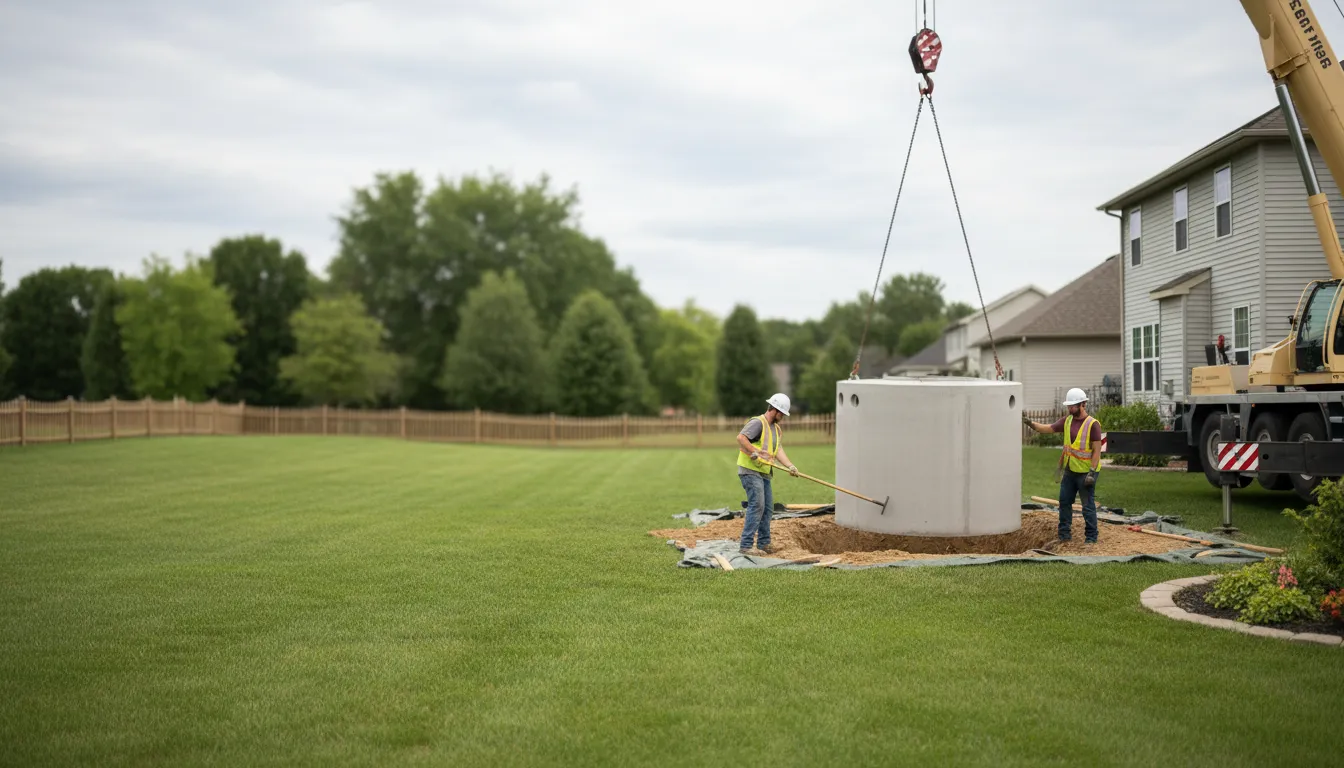
For homeowners in Fort Pierce, a properly functioning septic system is essential for managing household wastewater safely and effectively. Whether you're building a new home, replacing a failing system, or expanding your property, understanding the process for septic tank installation and replacement is crucial. This guide explains the local requirements, costs, and steps involved, helping you connect with qualified professionals who can ensure your project meets all Florida and St. Lucie County regulations.
All Coast Septic Services
3106 Mura Dr, Fort Pierce, FL 34982
All Coast Septic Services is a septic system company based in Port St Lucie, FL, offering a full range of septic services including installation, maintenance, inspection, repair, and drainfield replacement. With over 20 years of experience, their licensed technicians handle issues from septic tank pumping to drainfield repairs. They provide 24/7 emergency services for urgent septic system problems and specialize in maintaining and repairing various septic components to extend system life and prevent backups.
All About Septic Services inc.
991 Edwards Rd, Fort Pierce, FL 34982
All About Septic Services inc. provides comprehensive septic system services in Port St Lucie, FL. Their offerings include septic tank pumping, inspections, repairs, installations, and drain field repairs or replacements. The company emphasizes environmentally responsible practices and uses modern technology to maintain and extend the life of septic systems. They also provide 24/7 emergency septic services to address urgent needs promptly.
All County Septic & Plumbing LLC
Port St Lucie, FL
All County Septic & Plumbing LLC is a family-owned business serving Port St Lucie, FL, with over 40 years of experience in septic system services. They provide a full range of septic solutions including pumping, repairs, and new system installations. Their certified technicians bring expertise to every project, ensuring well-maintained and reliable septic systems for homes and businesses.
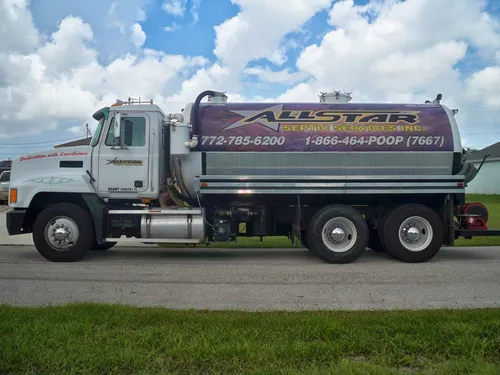
All Star Septic Services, Inc.
Port St Lucie, FL
All Star Septic Services, Inc. is a family-owned and operated company based in Port St Lucie, FL, providing a range of septic system services for both residential and commercial clients. With over 15 years of experience, they offer septic tank pumping, inspections, system installations, repairs, and pump chamber maintenance including control panel and alarm repairs. Their expertise includes line jetting and rejuvenation to maintain system efficiency.
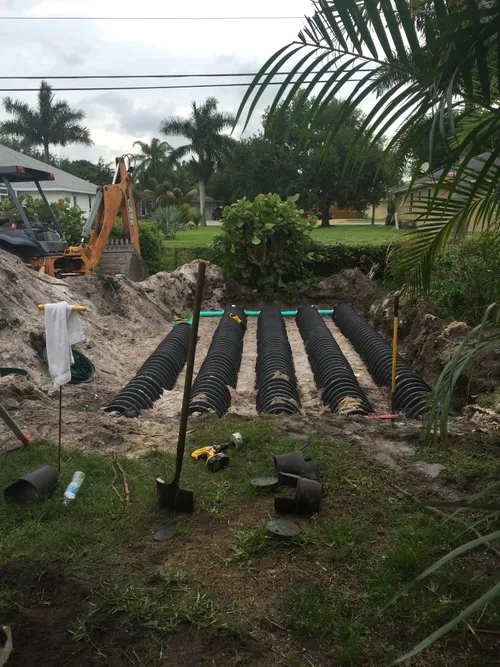
Septic Environmental Services Inc.
4738 Selvitz Rd, Fort Pierce, FL 34981
Septic Environmental Services Inc. is a family-owned septic service provider based in Port St Lucie, FL. Founded in 2014, the company offers septic tank pumping, inspections, repairs, installations, and drain field replacement. They also handle commercial grease trap cleaning for restaurants. With over 20 years of experience, the team serves the Treasure Coast and Palm Beaches area. They provide 24/7 availability and same-day service for septic emergencies.
Understanding the Fort Pierce Septic System Landscape
Fort Pierce, with its proximity to the Indian River Lagoon and the Atlantic Ocean, has specific environmental considerations that influence onsite sewage treatment and disposal systems. The entire process is regulated to protect groundwater and surface water quality. In Florida, the Department of Environmental Protection (FDEP) sets the statewide rules, which are administered locally by the Florida Department of Health (DOH) in St. Lucie County 1. This means any new septic system installation or major replacement project must be permitted through the local health department. The type of system you can install is heavily dependent on your property's soil conditions and the local water table, which can be high in many coastal areas.
The Step-by-Step Process for Installation & Replacement
Navigating a septic system project involves several key stages, from initial evaluation to final inspection. Skipping a step can lead to permit denials, failed inspections, or a system that doesn't function properly.
1. Mandatory Site Evaluation and Soil Testing
Before any design work can begin, a licensed professional must conduct a comprehensive site evaluation. This is not a mere formality; it's a critical assessment that determines the feasibility and design of your entire septic system. The evaluation includes a soil profile and percolation (perc) test, which measures how quickly water drains through the soil 2. The results of this test directly dictate the required size and type of the drainfield 3. The evaluator will also check the seasonal high water table, confirm required setbacks from wells, property lines, and water bodies, and assess the overall topography of your lot.
2. System Design and Permit Application
Once the site evaluation is complete, a system can be designed. Sizing for a septic tank is primarily based on the number of bedrooms in the home, which serves as a proxy for expected daily wastewater flow 4. For the drainfield, the size is calculated using the data from the perc test. In Fort Pierce, standard gravity-fed systems are common, but properties with poor drainage, high water tables, or small lots may require more complex (and more expensive) engineered systems like aerobic treatment units (ATUs) or low-pressure dose systems.
With a design in hand, the next step is the permit application. You must submit a State of Florida Septic System Permit Application (Form DEP4015) along with the site plan and design details to the St. Lucie County Health Department 5. The health department reviews the application for compliance with all state and local codes.
3. Choosing Your Installation Contractor
Florida law requires that septic system installation be performed by a registered septic tank contractor 6. It is imperative to verify a contractor's license is current and in good standing. While property owners may act as their own contractor for an owner-occupied single-family home, this route involves assuming full responsibility for permitting, inspections, and code compliance-a risky undertaking for such a critical infrastructure component 6. Hiring a licensed professional ensures the work meets all standards and often comes with a warranty.
4. Installation and Critical Inspections
The physical installation involves excavating for the tank and drainfield, placing the tank, and constructing the absorption field with distribution pipes and gravel. A crucial milestone in the process is the pre-cover inspection. Before the tank and drainfield trenches are backfilled, a county health department inspector must visit the site to examine the tank placement, pipe connections, drainfield construction, and gravel quality 7. Failing this inspection means uncovering and correcting any issues, leading to delays and additional costs. Passing this inspection is the green light to bury the system.
5. Final Steps and Long-Term Care
After the system is covered and the landscape is restored, you should receive a copy of the "as-built" diagram showing the exact location of all components-keep this for future reference. Your responsibility then shifts to proper maintenance: having the tank pumped regularly (typically every 3-5 years), conserving water, and avoiding flushing harmful chemicals or materials. Proper care extends the life of your system, especially the drainfield.
Find the perfect septic tank installation & replacement contractors for your needs
Get personalized recommendations and expert advice
Key Factors Influencing Your Project
Several variables will shape your specific septic system project in Fort Pierce, from cost to the type of system required.
Cost Considerations for Installation and Replacement
The cost for a new residential septic system installation in the Fort Pierce area commonly ranges from $5,000 to $20,000 8 9. This wide range reflects the many variables at play:
- System Type & Size: A standard gravity system for a 3-bedroom home is at the lower end. Larger homes or those requiring an engineered system due to soil or space constraints will see costs at the higher end or beyond.
- Site Conditions: Easy access, clear land, and ideal soil keep costs down. Rocky soil, lots of trees, difficult access, or the need for extensive grading will increase excavation costs.
- Tank Material: Concrete tanks are standard, but plastic or fiberglass options may be available.
- Permit and Design Fees: These are separate from installation costs and paid to the health department and the design professional.
For system replacement, costs can vary widely. If the existing drainfield has failed but the tank is structurally sound, you may only need a new drainfield, which is a major expense. Sometimes, the entire system must be replaced. It's important to get a detailed assessment to understand the scope.
To Replace or Not to Replace the Tank?
During a drainfield replacement or system upgrade, a common question is whether the existing tank must also be replaced. The answer depends on its condition. If a licensed inspector finds the tank to be watertight, structurally sound, and appropriately sized for the home, it may not need replacement. However, older tanks made of steel are prone to corrosion and likely need replacement, and any tank with cracks or leaks must be swapped out.
Dealing with High Water Tables
Florida's flat topography and coastal environment mean many properties in St. Lucie County have a high water table. This is a significant design factor. Standard septic systems require a certain depth of unsaturated soil below the drainfield to treat wastewater. If the water table is too high, it can saturate the drainfield, causing system failure and contaminating groundwater. In these cases, the health department will require an engineered system designed to function in those conditions, such as an elevated sand mound or an ATU 10.
Common System Types in St. Lucie County
While every system is custom-designed for a property, these are the most frequently permitted types in the area:
- Conventional Gravity System: The most basic and least expensive type, where wastewater flows by gravity from the tank to a series of perforated pipes in a gravel-filled trench.
- Chamber System: A common alternative to gravel, using plastic drainage chambers in the drainfield. They often require less excavation.
- Aerobic Treatment Unit (ATU): An engineered system that uses oxygen to break down waste more efficiently. Often required for sensitive environments, small lots, or poor soils. They have higher installation costs and require more electricity and maintenance.
- Low-Pressure Dose (LPD) System: Uses a pump to distribute wastewater evenly across the drainfield in controlled doses, improving treatment and allowing use on slopes or with certain soil types.
Frequently asked questions
Sources
Footnotes
-
Onsite Sewage Program - https://floridadep.gov/water/onsite-sewage ↩
-
Perc Test for Septic System: A Complete Guide - https://landperc.com/perc-test-for-septic-system/ ↩
-
Septic Tank Drain Field Layout 101: A Complete Guide - Land Perc - https://landperc.com/septic-tank-drain-field-layout/ ↩
-
Florida Septic Tank Size Chart: A Quick Guide - Land Perc - https://landperc.com/septic-tank-size-chart/ ↩
-
Florida Septic Tank Requirements | Onsite Sewage Treatment ... - https://www.ntotank.com/blog/florida-septic-tank-requirements ↩
-
Onsite Sewage FAQ - Permitting | Florida Department of ... - https://floridadep.gov/water/onsite-sewage/content/onsite-sewage-faq-permitting ↩ ↩2
-
Septic Inspections Made Easy: What Every Contractor Needs ... - https://flengineeringllc.com/septic-inspections-guide-contractors-2025/ ↩
-
How to Get an Accurate Septic System Cost Estimate - Land Perc - https://landperc.com/septic-system-cost-estimate/ ↩
-
Expert New Septic Tank Installation - https://www.scorpionsepticservices.com/blog/septic-tank-installation-what-homeowners-need-to-know ↩
-
Fla. Admin. Code Ann. R. 62-6.001 - [Effective 7/9/2025] General - https://www.law.cornell.edu/regulations/florida/Fla-Admin-Code-Ann-R-62-6.001 ↩