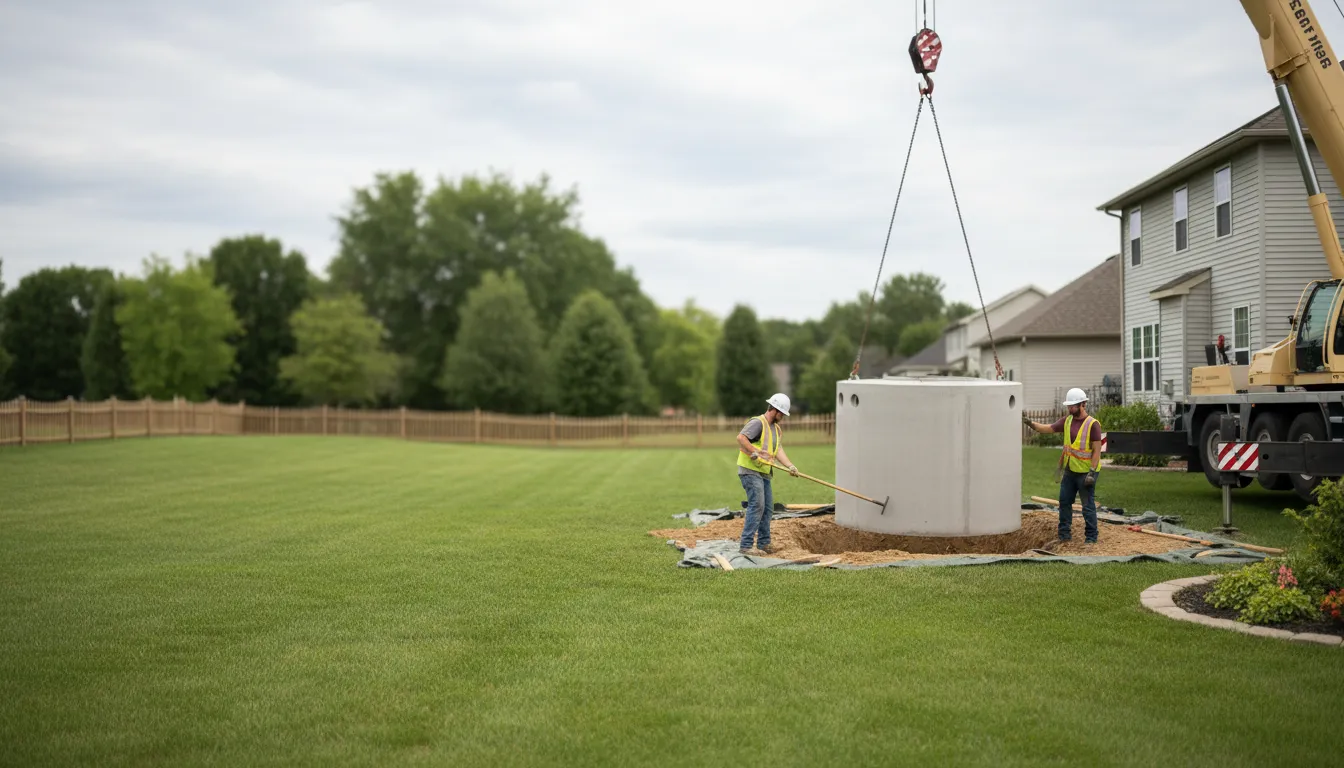
Find the Best Septic Tank Installation & Replacement Contractors for Your Business
No obligation • Fast responses • Nationwide coverage

Why you can trust Septic Spot
Septic Spot is a leading United States resource for understanding and comparing septic services. Our editors review providers using consistent criteria and verify key business details. Listings and scores are independent, and companies cannot pay to influence our content.
Search providers near you
Top Septic Tank Installation & Replacement Contractors in Hialeah, Florida Ranked
Installing or replacing a septic system is a significant home infrastructure project that ensures safe and effective wastewater treatment for properties not connected to municipal sewer lines. In Hialeah, this process is governed by specific local and state regulations due to the area's unique environmental conditions, particularly its high water table. This guide explains the key steps, costs, and regulatory requirements for septic system work in Hialeah, helping you understand what to expect and how to connect with qualified local professionals for your project.
Septic Masters
3250 Mary St #307, Miami, FL 33133
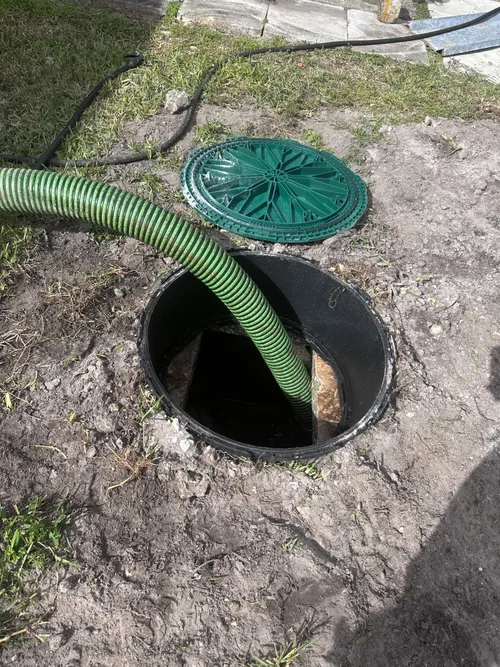
Septic Masters provides septic tank pumping, inspection, repair, and installation services in Miami, FL. They also offer storm drain cleaning to help prevent flooding and water damage. Their team uses advanced equipment to thoroughly inspect and clean septic systems, including removing solid waste and sludge to maintain proper function. Septic Masters serves both traditional and modern septic systems and also specializes in grease trap cleaning to enhance waste management efficiency. Their services are designed to meet the needs of residential and commercial properties in the Miami area.
YP Septic Excavations LLC
1474 NE 183rd St, Miami, FL 33179
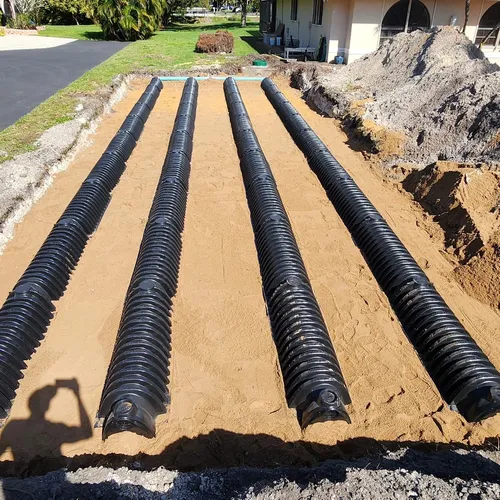
YP Septic Excavations LLC is a family-owned company based in Miami, FL, specializing in septic system installation, repair, and inspection. They provide a range of services including septic tank installations, drain field replacement, lift station repair, and French drainage systems. The company also offers asphalting and concrete pouring to complete projects with a clean, leveled finish. Founded in 2021 by Yosbel Paez, YP Septic Excavations LLC has completed over 500 projects and focuses on delivering customized, environmentally conscious solutions.
SoFLo Septic & Plumbing
Miami, FL
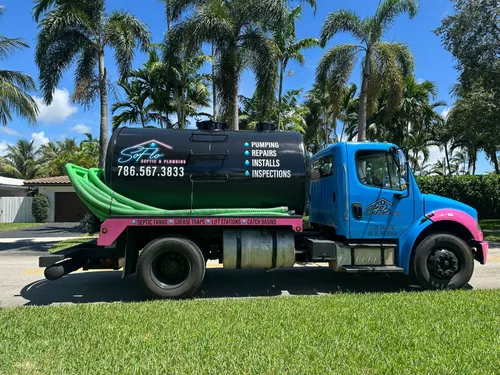
SoFLo Septic & Plumbing provides septic tank pumping, system repairs, and installation services in Miami, FL. They serve Miami-Dade and Broward counties, offering a full range of septic and plumbing solutions including grease trap pumping, storm drain cleaning, and high-pressure hydro jetting for clogged drains. Their capabilities include septic system design, permitting, and installation. The company is licensed, insured, and available 24/7 for emergency services.
All City Septic
9715 SW 16th St, Miami, FL 33165
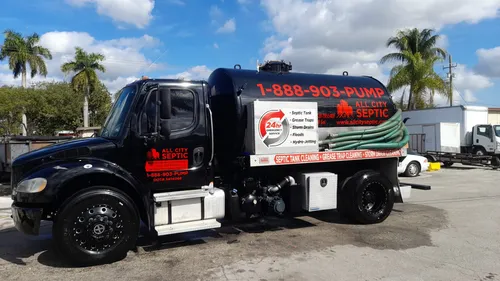
All City Septic is a licensed and insured septic contractor based in Miami, FL. The company provides septic tank pumping, installation, and drain field repair or replacement services across Miami-Dade, Broward, and Palm Beach counties, with additional coverage in Martin and St. Lucie counties. They operate a fleet of septic pump trucks and offer hydro-jetting as part of their service capabilities. All City Septic is a family-owned business committed to long-lasting drain field systems and offers 24/7 availability for septic services.
SEPTIC TANK SERVICES | AAA PRO PLUMBING
Miami, FL
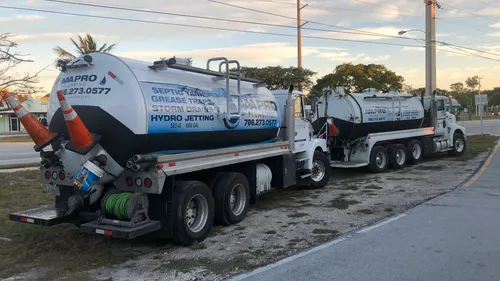
SEPTIC TANK SERVICES | AAA PRO PLUMBING provides septic tank pumping, repair, and installation services in Miami, FL. They serve a wide range of communities throughout the Miami area, including Coral Gables, Aventura, and Miami Gardens. Their services include septic system repair and septic tank cleaning, addressing various septic system needs. The company offers comprehensive septic solutions tailored to residential and commercial properties across the region.
Understanding the Regulatory Landscape in Miami-Dade County
Septic system installation in Hialeah is not a simple DIY project; it's a tightly regulated process designed to protect public health and the local environment, especially the sensitive groundwater. While the Florida Department of Health (DOH) sets statewide standards for onsite sewage treatment and disposal systems, within Miami-Dade County, the Department of Regulatory and Economic Resources (DERM) is often the primary agency handling permitting and enforcement, particularly in incorporated areas like Hialeah 1. This means your project must comply with both state rules and potentially stricter local county requirements.
The legal requirement is clear: only Florida-registered septic tank contractors or master plumbers are authorized to install these systems. Attempting to bypass this by hiring an unlicensed individual can result in failed inspections, fines, and an unusable system. The permit application itself typically requires submission of a detailed site plan (often using state Form DH4015), the results of mandatory soil tests, and engineering designs if the site presents challenges 2 3. Navigating this bureaucracy is a key reason to work with an experienced local installer familiar with DERM's specific processes.
The Critical First Step: Soil Evaluation and Perc Testing
Before any design can be finalized or a shovel hits the ground, a professional soil evaluation is required. The cornerstone of this is a percolation (perc) test, which determines the soil's ability to absorb and filter wastewater-a critical factor in sizing the drainfield 4. A licensed professional will dig test holes, saturate them with water, and meticulously measure the rate at which the water drains. This data directly informs the design and size of the absorption field.
In Hialeah and much of South Florida, the high water table presents a major challenge for conventional septic systems 5. If the seasonal high water table is too close to the surface, a standard drainfield can fail, leading to sewage backup and contamination. In these common scenarios, a specialized system is necessary. Often, the solution is a mounded or elevated system, where a sand mound is constructed above the natural grade to provide adequate separation from the water table 6. Your soil test results will dictate whether a standard or advanced system is needed for your property.
The Permit Process and Required Inspections
Securing the necessary permits is a multi-step process that can significantly impact your project timeline. In Hialeah, you or your contractor will need to submit the completed application package, including the site plan and soil test results, to the appropriate agency (typically Miami-Dade DERM) 7 8. Be prepared for this review to take time; estimates suggest permit approval can take anywhere from 4 to 12 weeks 7. The permit fees and any required engineering plans can add $1,800 to $5,800 to the overall project cost.
Once permitted, the work doesn't proceed unchecked. Mandatory inspections are conducted at critical stages to ensure compliance with the approved plans 9 10. A pre-installation site inspection verifies setbacks from property lines, wells, water bodies, and buildings 9 11. During installation, a mid-construction inspection checks the septic tank placement, watertightness, and structural integrity before it is buried. A final inspection of the completed drainfield is also required before it can be covered 9. To help speed up projects, Florida law allows property owners to hire qualified private providers to conduct these inspections instead of relying solely on the county inspector 12.
Find the perfect septic tank installation & replacement contractors for your needs
Get personalized recommendations and expert advice
Cost Factors for Installation and Replacement
The total cost for a new septic system or a full replacement in Hialeah is highly variable, but homeowners should be prepared for a significant investment. Basic installations for a favorable site might start around $5,000, but it is far more common for costs to range between $10,000 and over $20,000 13 14. Several key factors drive this cost:
- System Type: A conventional gravity-fed system is the most affordable option. However, due to Hialeah's high water table and dense soil, many properties require a more complex system like a mounded sand filter, aerobic treatment unit (ATU), or low-pressure dose system, which can double or triple the cost.
- Tank Size and Material: The size of the tank (based on home occupancy) and whether it is made of concrete, fiberglass, or plastic affects the price.
- Site Conditions: Difficult access, rocky soil, or the need for extensive clearing and grading adds labor and equipment expenses.
- Permitting and Design: As noted, the costs for soil testing, engineering designs, and permit fees are a substantial upfront part of the budget.
A full system replacement involves all these costs plus the additional expense of properly abandoning the old tank and drainfield, making it one of the most substantial home maintenance projects.
Choosing the Right System for Your Hialeah Property
Given the local constraints, understanding your system options is crucial. Beyond the conventional system, here are common alternatives used in the area:
- Mound Systems: These are often the go-to solution for sites with high water tables or shallow soil. A constructed sand mound elevates the drainfield above the natural grade, providing the necessary separation for proper treatment.
- Aerobic Treatment Units (ATUs): These systems use oxygen to break down waste more efficiently than anaerobic septic tanks. They produce a higher quality effluent, which can be beneficial for environmentally sensitive areas or sites with poor soil, but they have higher installation costs and require more frequent maintenance and electricity to run.
- Peat Filter or Sand Filter Systems: These are advanced pretreatment systems that filter effluent through a media (peat or sand) before it reaches the drainfield, used for challenging sites.
Your licensed contractor, in consultation with the soil evaluator and any required engineer, will recommend the system type that is both compliant with regulations and most effective for your specific property conditions.
Long-Term Considerations After Installation
A new septic system is a long-term asset that requires proper care. After installation, ensure you receive the "as-built" diagram from your contractor, which shows the exact location of the tank and drainfield for future reference. Adhering to a regular maintenance schedule, primarily pumping the tank every 3-5 years, is essential to prevent solids from clogging the drainfield and causing a costly failure.
Be mindful of what goes into the system. Avoid flushing chemicals, grease, diapers, or wipes (even those labeled "flushable"), as these can disrupt the biological treatment process. Conserving water and spreading out laundry loads can also prevent hydraulic overload, giving the drainfield time to absorb the effluent properly. Protecting your investment starts the day the system is activated.
Frequently asked questions
Sources
Footnotes
-
Onsite Sewage Program | Florida Department of Environmental ... - https://floridadep.gov/water/onsite-sewage ↩
-
Onsite Sewage FAQ - Permitting | Florida Department of ... - https://floridadep.gov/water/onsite-sewage/content/onsite-sewage-faq-permitting ↩
-
Septic Tank Plans: A Complete Homeowner's Guide - https://landperc.com/septic-tank-plans-guide/ ↩
-
Perc Test for Septic System: A Complete Guide - https://landperc.com/perc-test-for-septic-system/ ↩
-
Septic System Regulations - Acme Environmental Services - https://www.aesseptic.com/blog/2024/september/septic-system-regulations/ ↩
-
How Much Does a Septic Soil Test Cost in 2026? - Land Perc - https://landperc.com/septic-soil-test-cost/ ↩
-
Services New Septic System Installation | Free Estimate &... - https://miamisepticpros.com/services/new-septic-system-installation/ ↩ ↩2
-
Florida Septic Tank Requirements | Onsite Sewage Treatment ... - https://www.ntotank.com/blog/florida-septic-tank-requirements ↩
-
Septic Inspections Made Easy: What Every Contractor Needs ... - https://flengineeringllc.com/septic-inspections-guide-contractors-2025/ ↩ ↩2 ↩3
-
Septic Tank and Drain Field Inspection When Buying a Home in Miami - https://aboveallsepticanddrain.com/septic-tank-inspection-when-buying-home-in-miami/ ↩
-
Florida Well and Septic System Placement Regulations for New ... - https://flengineeringllc.com/florida-well-septic-placement-2025/ ↩
-
Your Complete Guide to Septic System Inspections in Florida - https://southernsepticanddesign.com/septic-services-blog/your-complete-guide-to-septic-system-inspections-in-florida-what-contractors-and-property-owners-need-to-know/ ↩
-
How to Get an Accurate Septic System Cost Estimate - Land Perc - https://landperc.com/septic-system-cost-estimate/ ↩
-
Septic System Cost Guide: Prices, Factors & Savings - https://landperc.com/septic-system-cost-estimate/ ↩