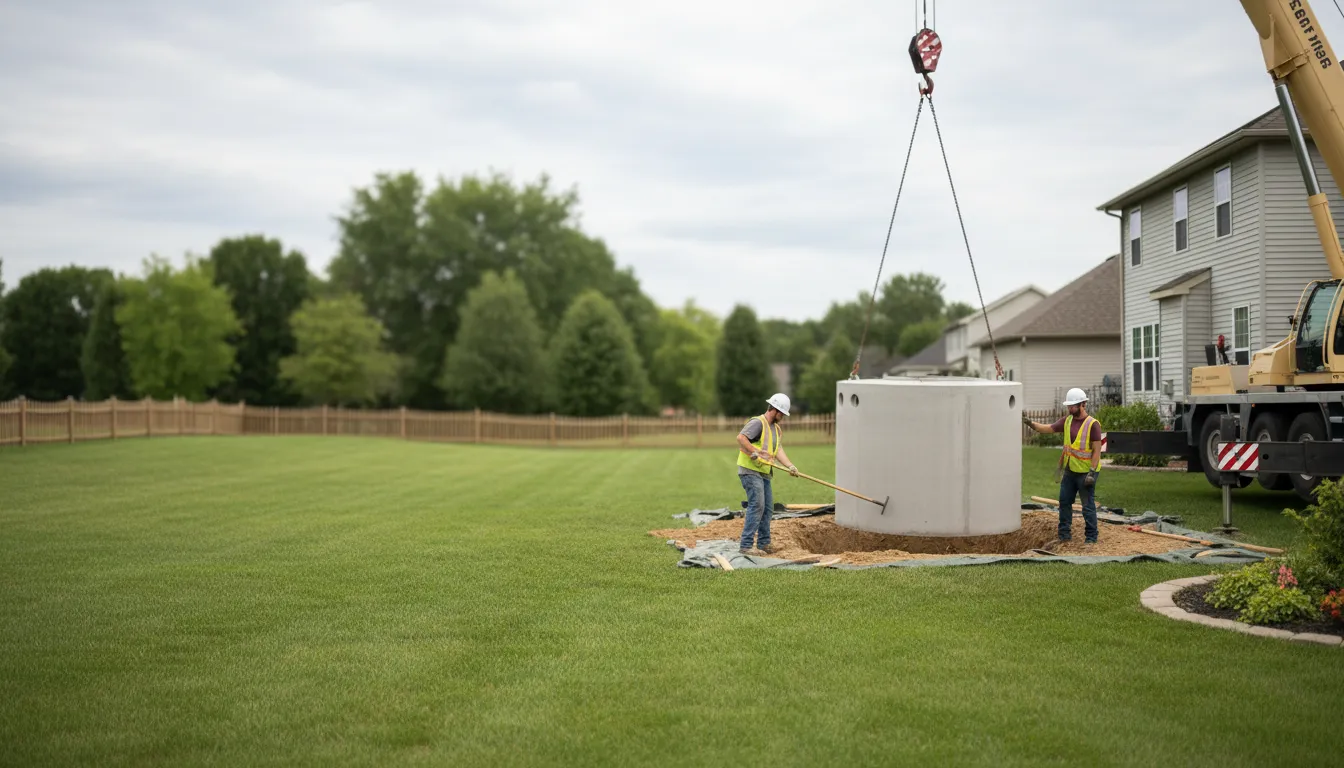
Find the Best Septic Tank Installation & Replacement Contractors for Your Business
No obligation • Fast responses • Nationwide coverage

Why you can trust Septic Spot
Septic Spot is a leading United States resource for understanding and comparing septic services. Our editors review providers using consistent criteria and verify key business details. Listings and scores are independent, and companies cannot pay to influence our content.
Search providers near you
Top Septic Tank Installation & Replacement Contractors in Kissimmee, Florida Ranked
Installing or replacing a septic system is a significant investment in your Kissimmee property's long-term functionality and environmental health. A properly designed and permitted onsite wastewater treatment system is crucial for protecting local groundwater, especially in Florida's sensitive ecosystems. This guide explains the process, regulations, and key considerations for septic system installation and replacement in Osceola County, helping you navigate the steps to find qualified local professionals for your project.
Lapin Services
3031 40th St, Orlando, FL 32839
Lapin Services offers septic tank pumping, inspection, repair, and installation in Tampa, FL. They also provide sewer services including grease trap cleaning, vactor sewer cleaning, lift station inspections, and wastewater treatment plant cleaning. The company is licensed, bonded, and insured, employing trained technicians with specialized equipment. Lapin Services serves a wide area across Central Florida, including many surrounding communities. Their team is committed to thorough septic and plumbing work, treating customers like family.
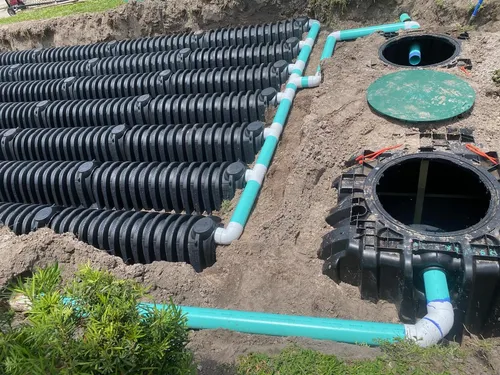
Orlando Septic Services
Orlando, FL
Orlando Septic Services provides septic system installation, repair, and maintenance in Orlando, FL. They handle septic tank pumping, drain field repair, and commercial and residential system installations. Their capabilities include lift station repair, main line jetting, and pump replacements, covering a wide range of septic system needs.
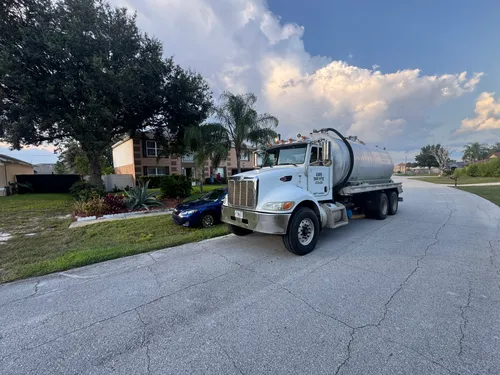
Always There Septic
Orlando, FL
Always There Septic provides a full range of septic system services in Orlando, FL, including septic tank pumping, inspections, repairs, and installation for both residential and commercial properties. They handle drain field repair and replacement, septic pump repair, and commercial grease trap cleaning, ensuring systems meet Florida Code and operate properly. The company offers 24/7 emergency septic services and manages all permitting and inspections for new installations or replacements, aiming for a smooth process from start to finish.
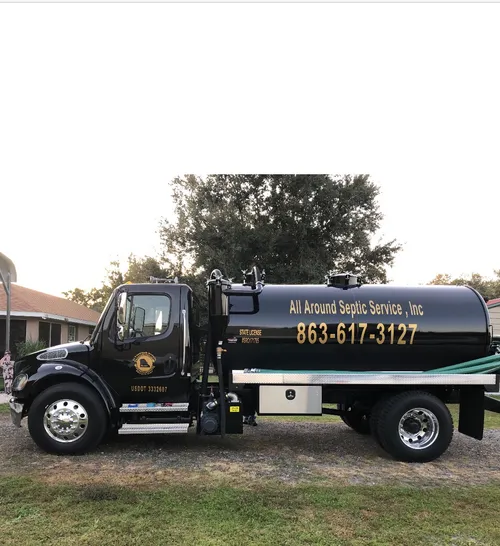
All Around Septic Service inc
Tampa, FL
All Around Septic Service inc is a licensed septic system repair and installation company serving Tampa, FL. The company is registered with Florida's Department of Health and complies with state and federal regulations to ensure environmentally safe and quality septic services. They emphasize the importance of using licensed contractors to avoid issues such as septic leaks and contamination of local water sources. All Around Septic Service inc offers a warranty on their work, reflecting their commitment to proper septic system management.
Clear Flow Environmental
15232 E Colonial Dr, Orlando, FL 32826
Clear Flow Environmental is a septic system service provider based in Orlando, FL. They offer a range of services including septic tank pumping, inspections, installations, and repairs, as well as drain field troubleshooting and replacement. The company also handles grease trap maintenance and outdoor plumbing issues. Clear Flow Environmental provides city sewer tie-in services to connect properties to municipal sewage systems where available. They utilize bioForce Plus bacterial waste degrader to maintain drainlines and grease traps effectively.
Understanding Septic Systems in Central Florida
A septic system, or onsite sewage treatment and disposal system (OSTDS), is a self-contained wastewater treatment solution for properties not connected to a municipal sewer line. In Kissimmee and surrounding areas, these systems are common in both rural and suburban settings. The typical system consists of a watertight septic tank, where solids settle and begin to decompose, and a drain field (or leach field), where the treated liquid effluent is dispersed into the soil for final purification.
Given Florida's high water tables and sandy soils, system design is not one-size-fits-all. The specific conditions on your property will dictate the type of system required, which can range from a conventional gravity-fed system to more advanced engineered solutions like mound systems or aerobic treatment units (ATUs).
The Permitting Process with Florida DEP
All new septic system installations and replacements in Florida require a permit from the Florida Department of Environmental Protection (DEP) 1. This process ensures the system is designed and located to protect public health and water quality.
Key Steps in the Permitting Process:
- Application Submission: You or your licensed contractor must submit an Application for Onsite Sewage Treatment and Disposal System (Form DEP4015) along with a detailed site plan to the DEP.
- Site Evaluation: A mandatory site evaluation is conducted by a licensed professional to assess soil type, depth to the seasonal high water table, and required setbacks from property lines, wells, and surface water bodies.
- System Design: Based on the site evaluation, a system design plan is created. This plan must be approved by the DEP before any construction begins 2.
- Contractor Selection: Installation must be performed by a septic contractor licensed by the Florida Department of Business and Professional Regulation (DBPR).
The Critical Role of Soil Testing (Perc Tests)
A soil percolation test, commonly called a "perc test," is a fundamental requirement. This test measures the soil's absorption rate-how quickly water drains through it 3. The results directly determine the size and type of drain field needed.
In many parts of Kissimmee, high water tables or poorly draining soils are encountered. If a standard perc test fails, it doesn't mean a system can't be installed; it means an alternative system design is necessary. Engineers often specify mound systems (where suitable soil is brought in and built up) or other engineered designs to overcome site limitations.
Types of Septic Systems Used in Kissimmee
- Conventional Gravity System: The most basic type, suitable for properties with deep, permeable soil and a low water table.
- Mound System: An elevated drain field built with imported sand. This is a common solution for sites with high water tables or shallow soil depth to bedrock 4 5.
- Aerobic Treatment Unit (ATU): A mechanical system that injects oxygen into the treatment tank, providing a higher level of treatment. These are often required near protected water bodies or for properties with poor soil conditions.
- Peat Filter System: Another alternative technology that filters effluent through a peat moss medium.
Inspection Stages for Installation
Multiple inspections are required to ensure compliance with the approved design 6:
- Pre-Site Evaluation Inspection: Verifies the accuracy of the site plan and soil evaluation before the design is finalized.
- Pre-Construction Inspection: May be required before the installation begins.
- Final Installation Inspection: This is the most critical inspection. It occurs after the tank and drain field are installed but before they are covered with soil. The inspector verifies proper placement, construction, and setback compliance 7.
Find the perfect septic tank installation & replacement contractors for your needs
Get personalized recommendations and expert advice
Cost Factors for Installation and Replacement
The cost of a new septic system or a full system replacement in Kissimmee can vary widely based on system type, property conditions, and tank size. Typical residential installations range from $5,000 to $15,000 or more 8. This estimate generally includes the tank, drain field, and required inspections.
Breakdown of Potential Costs:
- Permit Fees: Typically range from $150 to $500 9.
- Site Evaluation & Soil Testing: Costs for professional soil analysis and reporting 10.
- System Design & Engineering: Fees for creating the DEP-approved plan.
- Excavation & Installation: Labor and equipment costs, which can increase significantly if heavy machinery is needed for difficult access or if a mound system requiring imported fill is specified 11.
- Tank & Materials: Cost of the septic tank (concrete, plastic, or fiberglass) and drain field piping/gravel.
- Inspections: While often bundled, inspection services can range from $200 to $900 depending on scope 12.
Replacing a failed drain field or an entire system often costs as much as or more than a new installation, due to the additional cost of excavating and disposing of the old system materials.
New Regulations: Nutrient-Reducing Systems
Florida has implemented new regulations to further protect groundwater from nitrogen pollution. Depending on your location and the specifics of your property, new or replacement systems may be required to include nutrient-reducing technology 13. These advanced systems are designed to significantly reduce the amount of nitrogen entering the groundwater. It's essential to discuss this with your contractor and the DEP during the planning phase, as these systems have higher upfront costs but may be mandatory.
Choosing a Licensed Septic Contractor
Selecting the right professional is paramount. Always verify that a contractor holds a current Florida DBPR license for septic tank contracting. Ask for references from recent jobs in the Kissimmee area and request a detailed, written estimate that breaks down all costs-permitting, design, materials, labor, and inspections. A reputable contractor will be familiar with Osceola County and Florida DEP procedures and will handle the permit application and scheduling of inspections on your behalf.
Maintenance Starts at Installation
A well-installed system is the foundation for long-term performance. Ensure your contractor provides you with "as-built" drawings showing the exact location of the tank and drain field. This is vital for future maintenance, inspections, and any landscaping or construction projects. Understand your new system's maintenance requirements, which will include regular pumping of the tank (typically every 3-5 years) and, for advanced systems, specific servicing of mechanical components.
Frequently asked questions
Sources
Footnotes
-
Onsite Sewage FAQ - Permitting | Florida Department of ... - https://floridadep.gov/water/onsite-sewage/content/onsite-sewage-faq-permitting ↩
-
Florida Septic Tank Requirements | Onsite Sewage Treatment and Disposal Systems - https://www.ntotank.com/blog/florida-septic-tank-requirements ↩
-
Septic Tank Plans: A Complete Homeowner's Guide - Land Perc - https://landperc.com/septic-tank-plans-guide/ ↩
-
Best Practices for Septic Installation in 2025 - Florida Engineering LLC - https://flengineeringllc.com/north-florida-septic-installation-2025/ ↩
-
How to INSTALL your Own SEPTIC SYSTEM (w Tips From a Pro) - https://www.youtube.com/watch?v=oAsd7ScjGcs ↩
-
Septic System Installation in Central Florida - https://lapinservices.com/septic-pumping-orlando/septic-system-installation-central-florida ↩
-
Septic Inspections Made Easy: What Every Contractor Needs to Know Before Breaking Ground (2025) - Florida Engineering LLC - https://flengineeringllc.com/septic-inspections-guide-contractors-2025/ ↩
-
Stay Compliant with Septic Tank Requirements in Florida - https://mathisandsonsseptic.com/mathis-sons-septic-blog-orlando-fl/florida-septic-tank-regulations-and-incentives-what-homeowners-need-to-know/ ↩
-
Understanding Septic Tank Permits and Regulations - https://westcoastsanitationinc.com/understanding-septic-tank-permits-and-regulations/ ↩
-
How Much Does a Septic Soil Test Cost in 2026? - Land Perc - https://landperc.com/septic-soil-test-cost/ ↩
-
How Much Does It Cost to Replace a Septic Tank and Drain Field? - https://www.bobvila.com/articles/cost-to-replace-septic-tank-and-drainfield/ ↩
-
How Much Does a Septic Inspection Cost? [2026 Data] - Angie's List - https://www.angi.com/articles/septic-inspection-cost.htm ↩
-
Florida New Septic System Law: What Homeowners Need to Know - https://rooterone.com/florida-homeowners-new-septic-system-law/ ↩