Find the Best Septic Tank Installation & Replacement Contractors for Your Business
No obligation • Fast responses • Nationwide coverage

Why you can trust Septic Spot
Septic Spot is a leading United States resource for understanding and comparing septic services. Our editors review providers using consistent criteria and verify key business details. Listings and scores are independent, and companies cannot pay to influence our content.
Search providers near you
Top Septic Tank Installation & Replacement Contractors in Pinellas Park, Florida Ranked
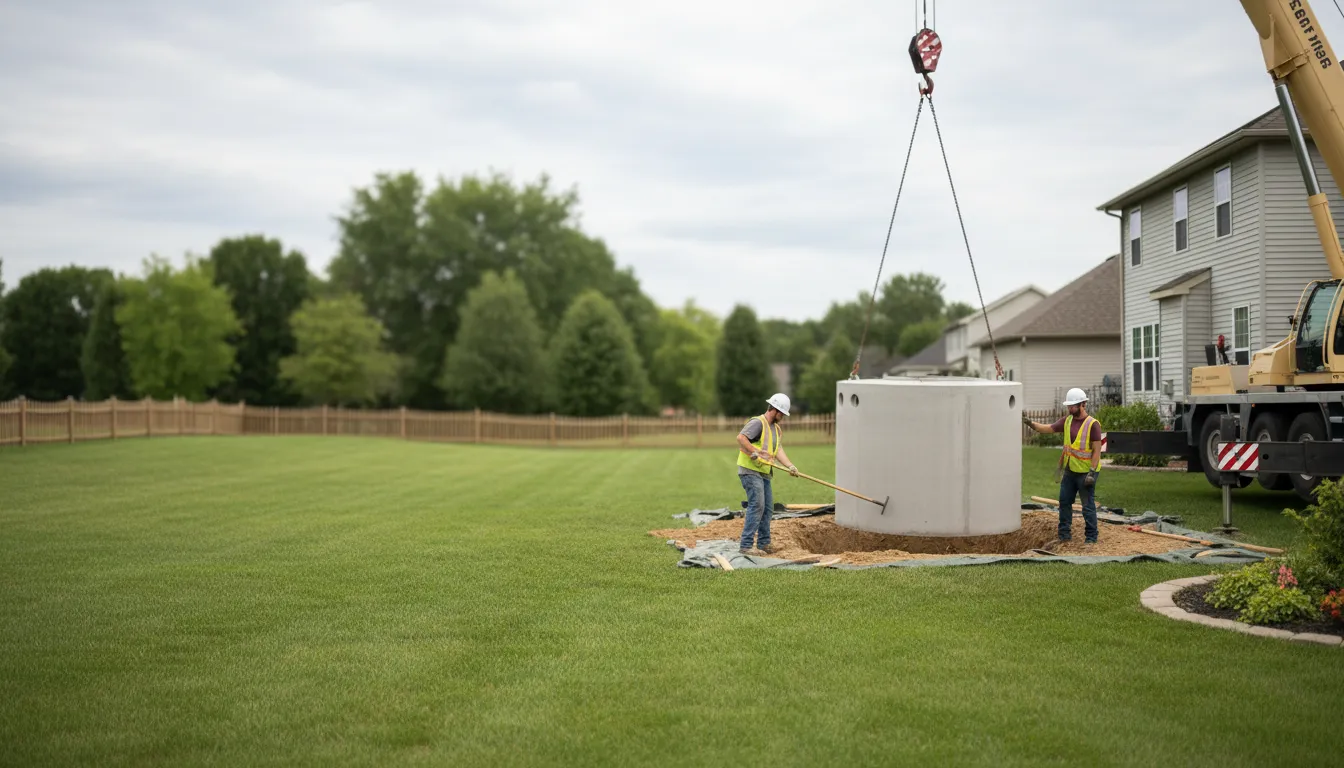
Installing or replacing a septic system is a significant investment in your property's long-term functionality and environmental health. In Pinellas Park, this process is governed by specific regulations due to the region's unique coastal conditions, including a high water table. This guide explains the key steps, from permitting to final inspection, and provides insights into the costs and considerations for finding a qualified local professional to handle your onsite wastewater system project.
Quality Septic Inc.
100 Ashley Dr S suite 619, Tampa, FL 33602
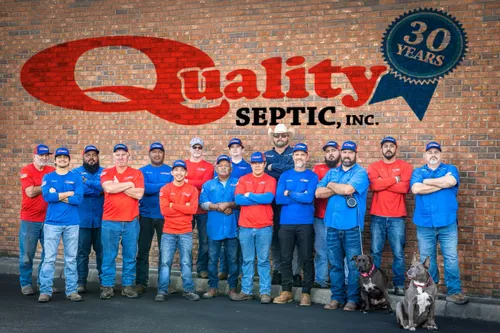
Quality Septic Inc. provides a full range of septic services in Tampa, FL, including septic tank pumping, inspections, repairs, and installations. Serving Tampa and surrounding communities such as Brandon, Riverview, and Clearwater, they handle residential and commercial septic systems with expertise. Their capabilities include drain field repair and replacement, lift station installation and repair, and custom-engineered septic system installations based on thorough property assessments. Established in 1994, Quality Septic has over 25 years of experience in the industry.
Quality Septic Inc.
1811 M Rd, Brandon, FL 33511
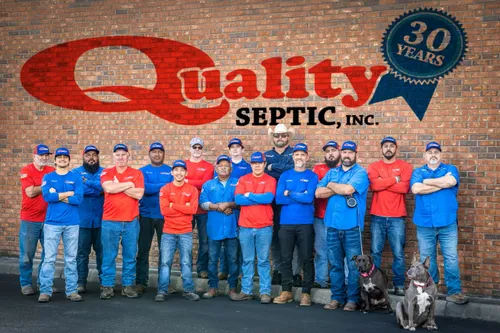
Quality Septic Inc. is a family-owned septic service provider based in Tampa, FL, serving Brandon and the surrounding Tampa Bay area. Since 1994, they have offered a full range of septic services including tank pumping, system inspections, repairs, and new installations. Their expertise covers drain field repair and installation, lift station pump services, and custom-engineered septic systems tailored to property needs. Quality Septic emphasizes thorough property assessments and adherence to Florida state building codes in their installations. They serve multiple communities including Valrico, Seffner, Riverview, and more, ensuring comprehensive septic solutions across the region.
Tampa Septic
Tampa, FL
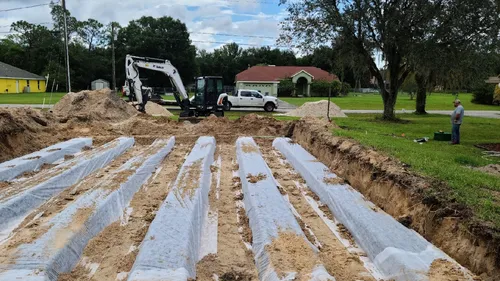
Tampa Septic is a septic service provider based in Tampa, FL, offering a comprehensive range of septic system solutions. Their services include septic tank pumping, inspections, repairs, installations, drain field maintenance and replacement, septic pump repair, and lift station services. They also provide nitrogen-reducing septic systems for environmentally conscious customers and conduct real estate septic inspections. With over 30 years of experience, Tampa Septic serves both residential and commercial clients in Tampa and the surrounding Tampa Bay area, including Hillsborough, Pasco, Hernando, Citrus, and Pinellas counties. The company is a member of the Florida Onsite Wastewater Association and holds an A+ rating from the BBB.
Septic Blue of Tampa
249 S 78th St Suite A, Tampa, FL 33619
Septic Blue of Tampa is a septic service provider located in Tampa, FL. They offer a range of services including septic tank pumping, inspection, repair, installation, and drain field repair or replacement. Their team uses advanced equipment and personalized approaches to maintain and restore septic systems while emphasizing environmental sustainability. The company also educates clients on proper septic care to help prevent future issues. Septic Blue of Tampa is locally owned and committed to transparent pricing and professional integrity.
Quality Septic Inc
112 Myrtle Ridge Rd Suite B, Lutz, FL 33549
Quality Septic Inc is a family-owned septic service provider based in Tampa, FL, serving Lutz and the greater Tampa Bay area. Since 1994, they have offered a full range of septic services including tank pumping, system inspections, repairs, and installations. Their expertise covers septic tank and drain field repair, lift station installation and maintenance, and custom-engineered septic system solutions tailored to property needs. Quality Septic also emphasizes thorough property assessments such as soil analysis and land grading to ensure proper system installation and function. The company serves a broad area including Lutz, Auburndale, Bartow, Brandon, Lakeland, and other nearby communities. They are accredited by the BBB since 2004 and maintain an A+ rating. Quality Septic provides both routine maintenance and emergency septic services, supporting residential and commercial clients with experienced technicians and a commitment to respectful, fair service.
Understanding the Regulatory Landscape in Pinellas County
All work related to septic system installation, replacement, repair, or abandonment in Pinellas Park requires a permit from the Florida Department of Health (DOH) in Pinellas County, specifically for Onsite Sewage Treatment and Disposal Systems (OSTDS). This regulatory framework is designed to protect public health and groundwater, which is especially critical in Florida's sensitive coastal ecosystems. The permitting process ensures that every new or replacement system is properly designed for the specific site conditions of your property.
While homeowners can pull permits for work on their own property, the complexity of the engineering and installation means that nearly all projects are handled by licensed contractors 1. These professionals must be licensed under Florida law and are familiar with the county's specific requirements, making them an essential partner in navigating the bureaucratic and technical steps involved.
The Step-by-Step Process for a New or Replacement System
1. Initial Site Evaluation and Percolation Test
The journey begins with a comprehensive site evaluation conducted by a licensed professional. The cornerstone of this evaluation is the soil percolation test, or "perc test" 2. This test determines the soil's absorption rate-how quickly it can absorb treated wastewater. In Pinellas County, the evaluation goes further, assessing the depth of the seasonal high-water table and the soil profile. Given the area's low elevation and proximity to the Gulf, protecting against groundwater contamination is paramount, and the system design will heavily depend on these findings.
2. Engineering and Permit Application
Once the site evaluation is complete, an engineered site plan must be created. This plan details the proposed system's design, location, and specifications, showing property boundaries, building locations, and well locations 3. You or your contractor will submit this plan, along with the permit application, to the Pinellas County health department for review. Approval results in the issuance of a construction permit, authorizing the work to begin.
3. The Installation Phase
With permit in hand, excavation and installation can start. This involves placing the septic tank and constructing the drainfield according to the approved engineered plans. The materials used, the placement of piping, and the tank's structural integrity are all critical at this stage. It's important to note that a mid-project inspection is required before the drainfield or tank is covered with soil. An inspector will verify that the installation matches the plans and meets all code requirements.
4. Final Inspection and System Closure
After installation is complete but before backfilling, a final inspection by the DOH is mandatory 4. The inspector will verify the entire system against the approved plans. Only after passing this final inspection can the system be covered and put into service. This multi-inspection process is designed to catch any issues before they are buried, preventing costly future repairs and environmental hazards.
Find the perfect septic tank installation & replacement contractors for your needs
Get personalized recommendations and expert advice
Key Considerations for Pinellas Park Homeowners
System Types and Cost Implications
The type of system you need directly impacts the project's cost. For a conventional septic system replacement on suitable soil, costs in the region typically range from $5,000 to $10,000 or more. However, many properties in Pinellas Park require an alternative or engineered system due to poor soil percolation or a high water table.
A common solution in these conditions is a raised mound system, where the drainfield is built above the natural grade. These systems are more complex and expensive, with costs often exceeding $15,000 5 6. Your site evaluation will determine the necessary system type, which is the primary driver of your overall budget.
The Importance of Professional Expertise
Choosing the right contractor is about more than just price. A qualified professional will:
- Accurately conduct or interpret the site evaluation and perc test.
- Prepare and submit a compliant engineered site plan.
- Understand the specific inspection checkpoints for Pinellas County.
- Install systems that are resilient to local conditions, such as high groundwater.
Their expertise is invaluable in avoiding delays, failed inspections, and system failures down the line.
Environmental and Long-Term Stewardship
A properly installed septic system is an environmentally responsible wastewater treatment solution. In a coastal community like Pinellas Park, ensuring your system does not contaminate the groundwater is a shared community responsibility. Regular maintenance, including periodic pumping and inspections, will extend the life of your new system and protect your investment and the local environment.
Navigating Common Challenges
High Water Tables: This is the most frequent challenge in the area. Engineered systems like mounds are specifically designed to overcome this by elevating the drainfield above the saturated zone, ensuring proper treatment and dispersal.
Property Setbacks: Regulations mandate minimum distances (setbacks) from the septic system to wells, property lines, buildings, and surface water. Your site plan must demonstrate compliance with these setbacks, which can be a constraint on smaller or irregularly shaped lots 7.
Older System Replacements: If you are replacing a failing system, the new installation must meet current codes, which are often more stringent than when the original system was installed. This may require a different location or a more advanced system type than the one being replaced.
Frequently asked questions
Sources
Footnotes
-
Septic Tank Planning Permission: Replace vs. New - https://dpservicesfl.com/do-i-need-planning-permission-for-a-septic-tank-replacement-or-only-for-new-installations/ ↩
-
Florida Septic Tank Requirements | Onsite Sewage Treatment ... - https://www.ntotank.com/blog/florida-septic-tank-requirements ↩
-
Septic Systems - Florida Department of Health - https://www.floridahealth.gov/community-environmental-public-health/environmental-public-health/water-quality/septic-systems/ ↩
-
Do I Need a Permit for a Septic System in Florida? - Land Perc - https://landperc.com/do-i-need-a-permit-for-a-septic-system-in-florida/ ↩
-
Florida New Septic System Law: What Homeowners Need to Know - https://rooterone.com/florida-homeowners-new-septic-system-law/ ↩
-
Navigating North Florida's Unique Soils: Best Practices for Septic Installation in 2025 - https://flengineeringllc.com/north-florida-septic-installation-2025/ ↩
-
Septic Inspections Made Easy: What Every Contractor Needs ... - https://flengineeringllc.com/septic-inspections-guide-contractors-2025/ ↩