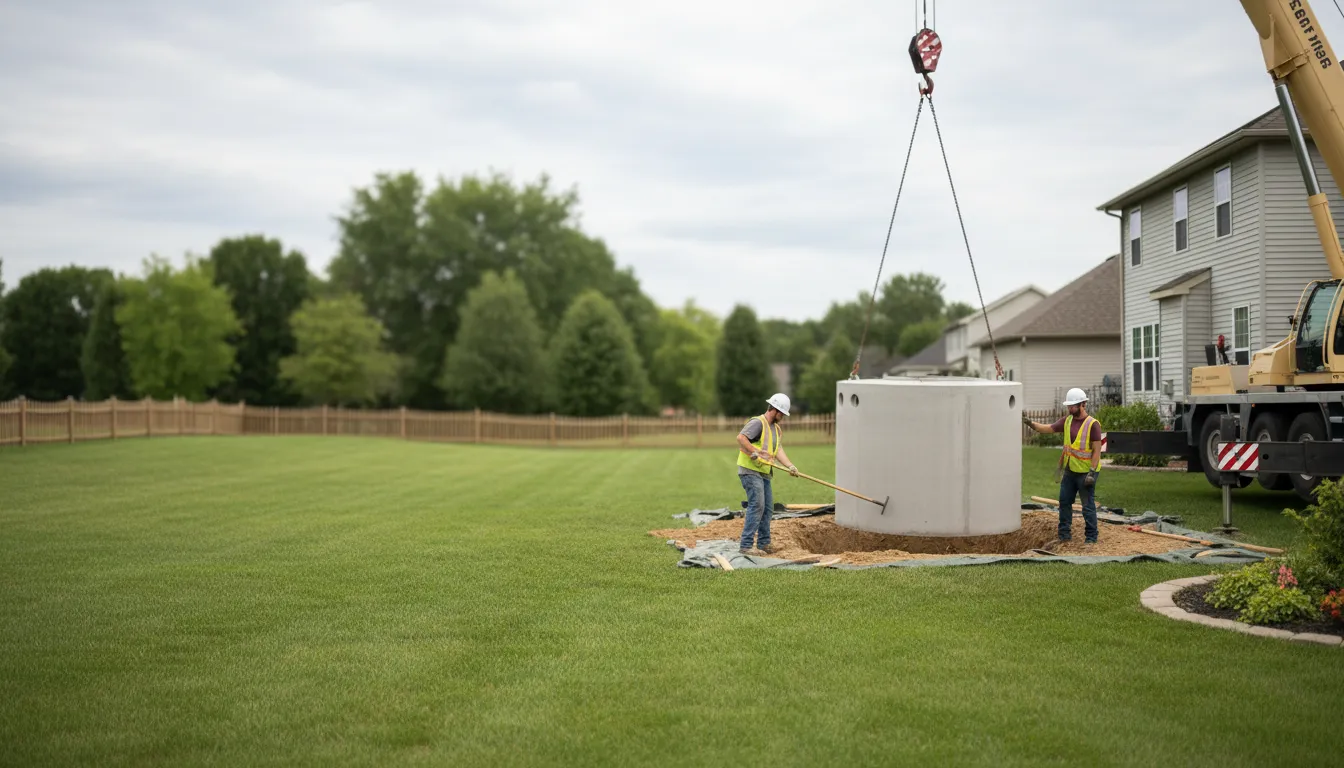
Find the Best Septic Tank Installation & Replacement Contractors for Your Business
No obligation • Fast responses • Nationwide coverage

Why you can trust Septic Spot
Septic Spot is a leading United States resource for understanding and comparing septic services. Our editors review providers using consistent criteria and verify key business details. Listings and scores are independent, and companies cannot pay to influence our content.
Search providers near you
Top Septic Tank Installation & Replacement Contractors in Plantation, Florida Ranked
Installing or replacing a septic system is a significant home improvement project that ensures the safe and effective treatment of household wastewater. In Plantation, this process is governed by specific state and local regulations to protect public health and the environment. This guide provides a clear overview of the steps, requirements, and considerations for septic system installation and replacement in Plantation, helping you understand the process and connect with qualified local professionals.
Septic Masters
3250 Mary St #307, Miami, FL 33133
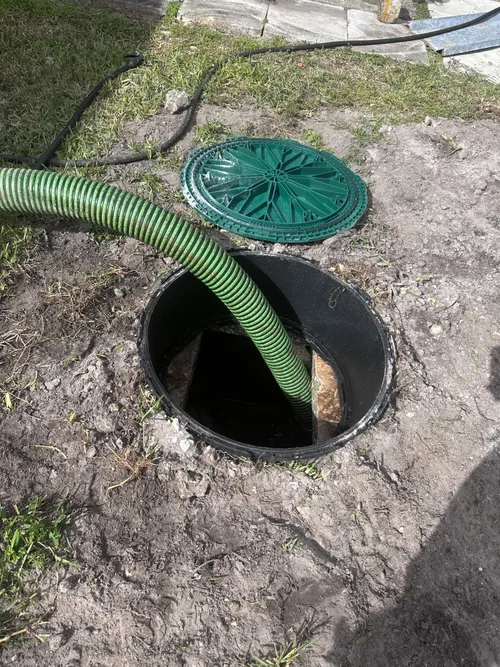
Septic Masters provides septic tank pumping, inspection, repair, and installation services in Miami, FL. They also offer storm drain cleaning to help prevent flooding and water damage. Their team uses advanced equipment to thoroughly inspect and clean septic systems, including removing solid waste and sludge to maintain proper function. Septic Masters serves both traditional and modern septic systems and also specializes in grease trap cleaning to enhance waste management efficiency. Their services are designed to meet the needs of residential and commercial properties in the Miami area.
YP Septic Excavations LLC
1474 NE 183rd St, Miami, FL 33179
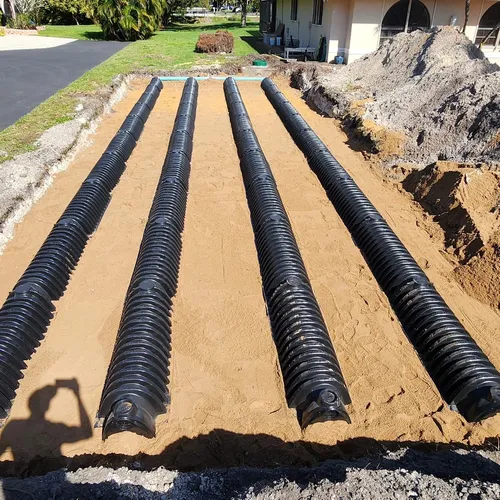
YP Septic Excavations LLC is a family-owned company based in Miami, FL, specializing in septic system installation, repair, and inspection. They provide a range of services including septic tank installations, drain field replacement, lift station repair, and French drainage systems. The company also offers asphalting and concrete pouring to complete projects with a clean, leveled finish. Founded in 2021 by Yosbel Paez, YP Septic Excavations LLC has completed over 500 projects and focuses on delivering customized, environmentally conscious solutions.
SoFLo Septic & Plumbing
Miami, FL
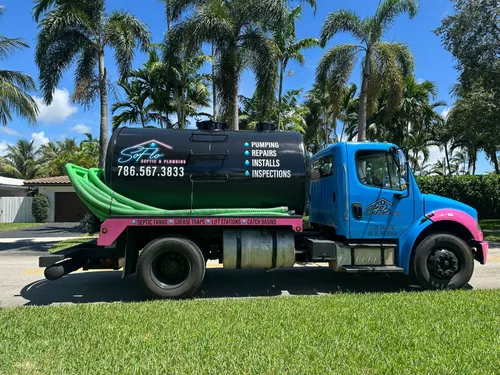
SoFLo Septic & Plumbing provides septic tank pumping, system repairs, and installation services in Miami, FL. They serve Miami-Dade and Broward counties, offering a full range of septic and plumbing solutions including grease trap pumping, storm drain cleaning, and high-pressure hydro jetting for clogged drains. Their capabilities include septic system design, permitting, and installation. The company is licensed, insured, and available 24/7 for emergency services.
All City Septic
9715 SW 16th St, Miami, FL 33165
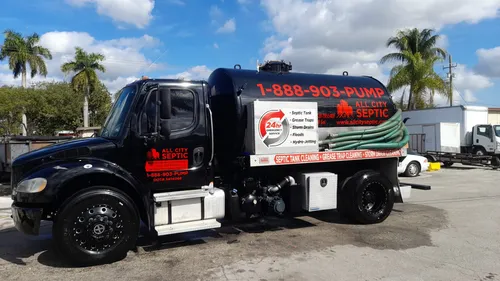
All City Septic is a licensed and insured septic contractor based in Miami, FL. The company provides septic tank pumping, installation, and drain field repair or replacement services across Miami-Dade, Broward, and Palm Beach counties, with additional coverage in Martin and St. Lucie counties. They operate a fleet of septic pump trucks and offer hydro-jetting as part of their service capabilities. All City Septic is a family-owned business committed to long-lasting drain field systems and offers 24/7 availability for septic services.
SEPTIC TANK SERVICES | AAA PRO PLUMBING
Miami, FL
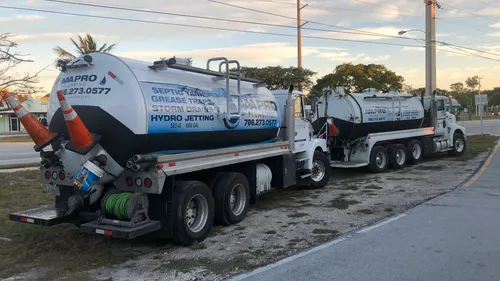
SEPTIC TANK SERVICES | AAA PRO PLUMBING provides septic tank pumping, repair, and installation services in Miami, FL. They serve a wide range of communities throughout the Miami area, including Coral Gables, Aventura, and Miami Gardens. Their services include septic system repair and septic tank cleaning, addressing various septic system needs. The company offers comprehensive septic solutions tailored to residential and commercial properties across the region.
Understanding the Regulatory Landscape
In Florida, septic systems are formally known as Onsite Sewage Treatment and Disposal Systems (OSTDS). All new installations and replacements in Plantation require approval from the Florida Department of Health (DOH) or the Department of Environmental Protection (DEP). Additionally, you must obtain a local building permit from the City of Plantation Building Department. For properties within the Plantation Acres area, coordination with the Plantation Acres Improvement District (PAID) may also be necessary due to unique site conditions.
The work itself must be performed by a state-registered septic contractor or a licensed plumber authorized to perform septic contracting. Hiring a licensed professional is not just a recommendation; it's a legal requirement to ensure the system is designed and built to code.
The Critical First Step: Site Evaluation and Soil Testing
Before any permit is issued or design work begins, a professional site evaluation is mandatory. This evaluation determines the suitability of your property for a septic system and dictates the system's design. The cornerstone of this evaluation is a soil percolation test, commonly called a "perc test."
A perc test involves digging test holes in the proposed drainfield area to measure how quickly water drains through the soil. This rate of absorption is critical for sizing the drainfield. In areas like Plantation with a high water table, the test also identifies the seasonal high groundwater level, which influences the system type and installation depth 1. The results of this test are submitted as part of your permit application to the Broward County Health Department.
Navigating Permits and Setback Requirements
Securing the proper permits is a multi-agency process. Your contractor will typically handle this, but understanding the steps is valuable.
- State/County Permit: The primary permit comes from the Broward County Health Department, which reviews the system design, soil test results, and ensures compliance with Florida's Rule 62-6, which governs OSTDS 2 3.
- City Permit: Concurrently, a building permit must be obtained from the City of Plantation. This requires the contractor to be registered with the city and involves a review of the construction plans 4.
- Setback Regulations: Florida law enforces strict minimum distances, or setbacks, between septic system components and other features. These include property lines, buildings, water wells, and surface water bodies like canals or lakes 5. Your design must adhere to these setbacks, which are verified during inspections.
The Installation Process: From Excavation to Inspection
Once permits are secured, the physical installation begins. A standard gravity-fed system installation typically follows these stages:
- Excavation: The tank and drainfield areas are excavated. In Plantation's sandy soil with a high water table, shoring may be required for safety.
- Tank Placement: The septic tank (often concrete or high-density polyethylene) is set in place, leveled, and connected to the home's main waste line.
- Drainfield Construction: Trenches are dug in the drainfield area and filled with gravel. Perforated distribution pipes are laid on top of the gravel to evenly disperse the effluent from the tank.
- System Integration: The tank outlet is connected to the distribution box, which splits flow to the drainfield lines.
Throughout construction, inspections are critical. You can expect at least three key inspections 6 7:
- Pre-Installation Inspection: Verifies the staked site layout and approved plans.
- Mid-Project Inspection (Open Tank/Field): Occurs after the tank and drainfield trenches are dug but before they are backfilled. The inspector checks for proper sizing, leveling, pipe placement, and materials.
- Final Inspection: After the system is fully installed and covered, a final inspection ensures everything is functional and may include a leakage test on the tank.
Find the perfect septic tank installation & replacement contractors for your needs
Get personalized recommendations and expert advice
Cost Considerations for Plantation Homeowners
The cost for a new septic system or a full replacement in Plantation can vary widely. For a standard residential system, homeowners can generally expect a range from $5,000 to $20,000 or more 8. Several key factors influence the final price:
- System Type: A conventional gravity system is the most economical. However, if your site has poor soil percolation or a very high water table, you may require an advanced, engineered system like a mound system or aerobic treatment unit (ATU), which can significantly increase costs.
- Drainfield Size: The size is directly determined by the soil's perc rate and the home's daily wastewater flow (based on bedroom count). Poorer drainage requires a larger drainfield 9.
- Site Conditions: Difficult access, extensive tree root removal, or the need for specialized excavation in wet conditions can add to labor costs. Properties in Plantation Acres often face these challenges 10.
- Tank Material and Size: Concrete tanks are common, but plastic tanks may be an option. Larger tanks for bigger homes cost more.
Special Considerations for Plantation Acres
The Plantation Acres neighborhood presents unique challenges for septic systems. The area is known for its very high water table and specific soil conditions. As a result, standard conventional systems are often not feasible. Homeowners in this area should be prepared for the likelihood of needing an engineered system alternative, such as a mound system or pressure-dosed drainfield. Early coordination with both a knowledgeable contractor and the Plantation Acres Improvement District (PAID) is essential for a smooth project 11.
Choosing a System for Replacement vs. New Construction
If you're replacing a failing system, the process is similar to a new installation but with added steps. The old tank must be properly pumped out and either removed or collapsed and buried in place. The health department will require a site evaluation for the new drainfield location, which may not be in the same spot as the old one, especially if the original failure was due to soil saturation. For new home construction, the septic system design and permitting are integrated into the overall building permit process.
Maintaining Your New Septic Investment
After a successful installation, protecting your investment through proper maintenance is crucial. This includes regular pumping of the tank every 3-5 years (depending on usage), conserving water to avoid overloading the system, and avoiding flushing harmful chemicals or non-biodegradable materials. A well-maintained system can last for decades.
Frequently asked questions
Sources
Footnotes
-
Septic System Approval: Percolation Test & Expert Guidance - https://smartsepticpros.com/blog/how-to-do-a-percolation-test/ ↩
-
Septic Contracting Frequently Asked Questions | Florida Department of Environmental Protection - https://floridadep.gov/water/onsite-sewage/content/septic-contracting-frequently-asked-questions ↩
-
New Septic System Application Requirements - Florida Department of Health in Lee County - https://lee.floridahealth.gov/programs-and-services/environmental-health/onsite-sewage-disposal/permits/ostds-new-permit/ ↩
-
Permit Information & Submittal | City of Plantation, Florida - https://www.plantation.org/i-want-to/apply-for/building-permit ↩
-
Florida Well and Septic System Placement Regulations for ... - https://flengineeringllc.com/florida-well-septic-placement-2025/ ↩
-
Septic Inspections Made Easy: What Every Contractor Needs to ... - https://flengineeringllc.com/septic-inspections-guide-contractors-2025/ ↩
-
Complete Septic System Installation: Process, Permits, And ... - https://www.theseptictankman.com/blog/complete-septic-system-installation-process-permits-and-pitfalls ↩
-
Septic System Cost Estimate: A Complete Breakdown - Land Perc - https://landperc.com/septic-system-cost-estimate/ ↩
-
Perc Test for Septic System: A Complete Guide - https://landperc.com/perc-test-for-septic-system/ ↩
-
Florida Septic System Design Requirements: A Guide - https://landperc.com/septic-system-design-requirements-florida/ ↩
-
Forms/Permit Requirements | City of Plantation, Florida - https://www.plantation.org/government/departments/building-safety/permit-services/forms-permit-requirements ↩