Find the Best Septic Tank Installation & Replacement Contractors for Your Business
No obligation • Fast responses • Nationwide coverage

Why you can trust Septic Spot
Septic Spot is a leading United States resource for understanding and comparing septic services. Our editors review providers using consistent criteria and verify key business details. Listings and scores are independent, and companies cannot pay to influence our content.
Search providers near you
Top Septic Tank Installation & Replacement Contractors in Sanford, Florida Ranked
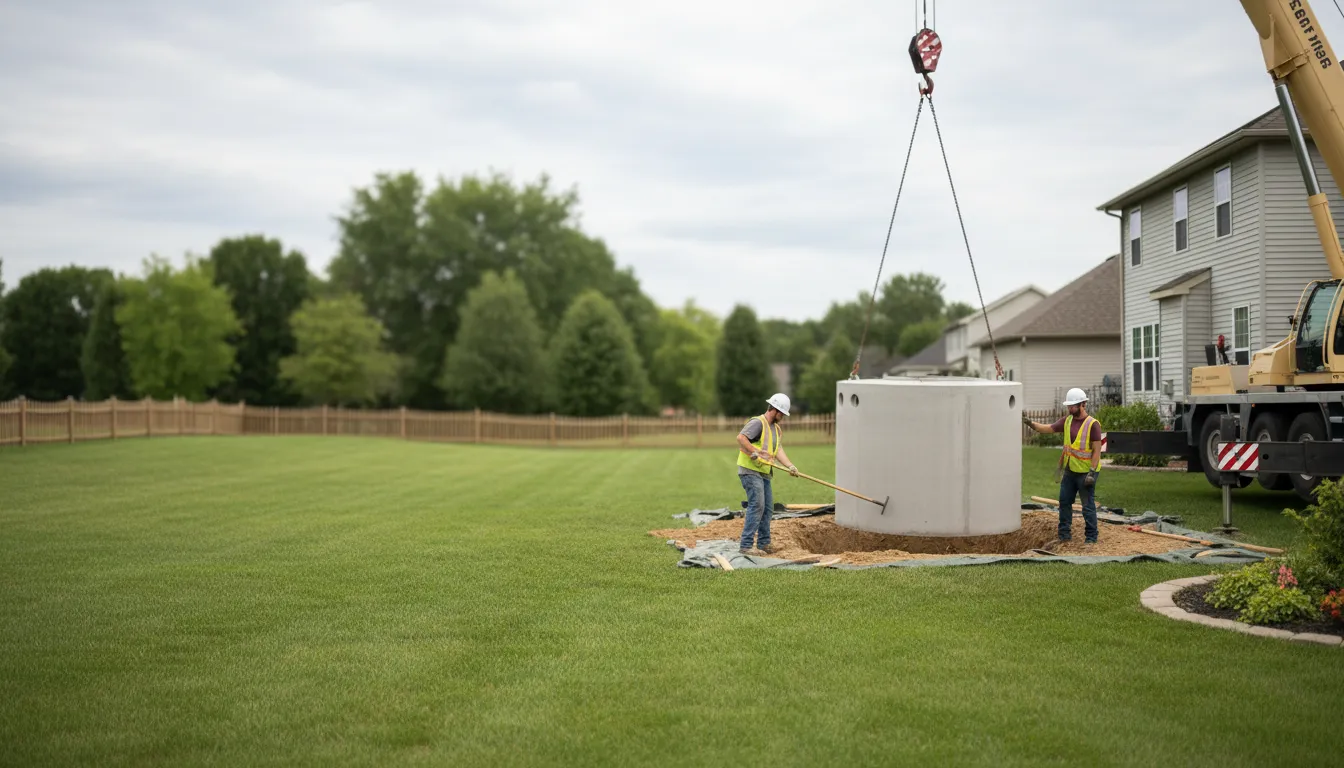
Installing or replacing a septic system is a significant investment in your property's long-term functionality and environmental health. In Sanford, this process is governed by specific state and county regulations designed to protect Florida's unique groundwater and soil conditions. This guide will help you understand the key steps, costs, and local requirements for septic system work, empowering you to make informed decisions when selecting a qualified local professional for your project.
Lapin Services
3031 40th St, Orlando, FL 32839
Lapin Services offers septic tank pumping, inspection, repair, and installation in Tampa, FL. They also provide sewer services including grease trap cleaning, vactor sewer cleaning, lift station inspections, and wastewater treatment plant cleaning. The company is licensed, bonded, and insured, employing trained technicians with specialized equipment. Lapin Services serves a wide area across Central Florida, including many surrounding communities. Their team is committed to thorough septic and plumbing work, treating customers like family.
Always There Septic
Orlando, FL
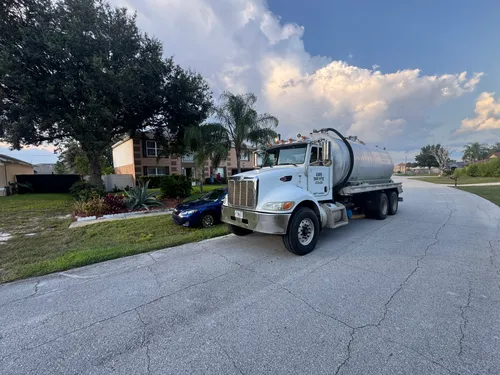
Always There Septic provides a full range of septic system services in Orlando, FL, including septic tank pumping, inspections, repairs, and installation for both residential and commercial properties. They handle drain field repair and replacement, septic pump repair, and commercial grease trap cleaning, ensuring systems meet Florida Code and operate properly. The company offers 24/7 emergency septic services and manages all permitting and inspections for new installations or replacements, aiming for a smooth process from start to finish.
Clear Flow Environmental
15232 E Colonial Dr, Orlando, FL 32826
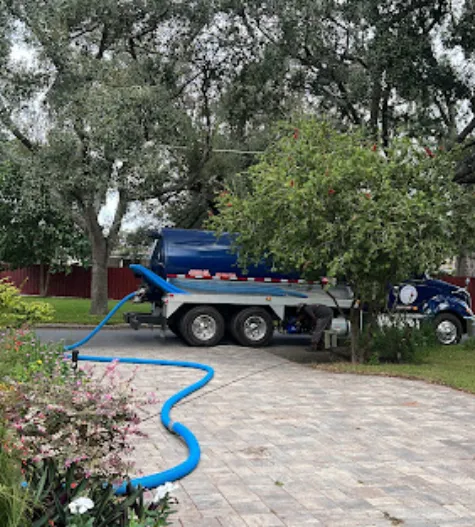
Clear Flow Environmental is a septic system service provider based in Orlando, FL. They offer a range of services including septic tank pumping, inspections, installations, and repairs, as well as drain field troubleshooting and replacement. The company also handles grease trap maintenance and outdoor plumbing issues. Clear Flow Environmental provides city sewer tie-in services to connect properties to municipal sewage systems where available. They utilize bioForce Plus bacterial waste degrader to maintain drainlines and grease traps effectively.
Clark Septic
451 Aulin Ave, Oviedo, FL 32765
Clark Septic provides a range of septic services in Orlando, FL, including septic tank pumping, inspections, repairs, maintenance, and drain field repair or replacement. Serving Orlando and Central Florida, the company has been installing, maintaining, and repairing septic systems since 2002. Clark Septic offers emergency service for septic issues that arise outside regular business hours. Their expertise includes full diagnostic testing and comprehensive septic system care to help protect water quality and system function.
Safari Septic and Home Services
Orlando, FL
Safari Septic and Home Services provides septic tank cleaning, installation, and repair services in Orlando, FL. The company is licensed and experienced in handling various septic system needs for both residential and business clients. Their technicians serve Orlando and nearby areas including Titusville, Deltona, and Clermont. Safari Septic and Home Services focuses on efficient septic tank treatment and maintenance to ensure proper system function.
Understanding Sanford's Septic System Landscape
Sanford, situated in Seminole County, features a mix of soil types and a generally high water table, which are critical factors in septic system design. All new installations and replacements must comply with the Florida Administrative Code (F.A.C.) Chapter 62-6, which sets the standards for onsite sewage treatment and disposal systems (OSTDS). The local permitting authority is the Florida Department of Health (DOH) in Seminole County. Whether you're building a new home, replacing a failing system, or upgrading an old septic tank, navigating the permit process with the DOH is your first and most crucial step1.
The Permit Process: Your First Step
You cannot begin any excavation or installation work without the proper permits. The process ensures your system is designed correctly for your specific property, safeguarding public health and the environment.
- Application Requirements: To apply for a permit, you'll typically need to submit a detailed site plan to the DOH. This plan must show property lines, existing and proposed structures, and the precise location of the proposed septic tank and drainfield, including all required setbacks from wells, property lines, and water bodies 2.
- Timeline: The review process can take anywhere from 10 business days to several weeks, depending on the complexity of your project and the county's workload.
- Key Component - Site Evaluation: A licensed professional must conduct a thorough site evaluation. This includes a soil analysis and a percolation (perc) test to determine the soil's absorption rate and the seasonal high water table level3. The results directly dictate the size, type, and design of the drainfield your property can support.
System Design: Choosing the Right Septic Solution
Not all septic systems are created equal. The design is tailored to your property's characteristics revealed during the site evaluation.
- Conventional Gravity Systems: These are the most common and cost-effective option for properties with suitable soil and adequate depth to the water table. Wastewater flows by gravity from the home to the tank and then out to a subsurface drainfield4.
- Engineered or Alternative Systems: For sites with high groundwater, poor soil percolation, or space constraints, an engineered system is often necessary. This can include aerobic treatment units (ATUs), which treat effluent more thoroughly before dispersal, or mound systems that elevate the drainfield above ground level. These systems are more complex and require more maintenance.
Installation & Inspection Stages
Once your permit is approved and your system design is finalized, a licensed septic contractor can begin the physical installation. The work is performed in stages, each requiring a DOH inspection before proceeding to the next.
- Initial/Site Inspection: This occurs before any digging, confirming the staked location matches the approved plan and that the site conditions are as expected.
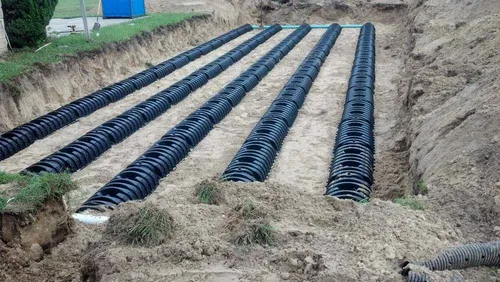
- System/Installation Inspection (Mid-Project): This critical inspection happens after the septic tank is set and the drainfield trenches or bed are excavated but before they are backfilled. The inspector verifies the tank size, placement, pipe slopes, and the integrity of the drainfield installation5 6.
- Final Inspection: After the system is fully installed and covered, a final inspection ensures everything is complete, the ground is properly graded to divert surface water, and the system is ready for use.
Find the perfect septic tank installation & replacement contractors for your needs
Get personalized recommendations and expert advice
Cost Breakdown for Septic System Projects
The total cost for a septic system installation or replacement in Sanford varies widely based on system type, soil conditions, and property specifics. Here is a general cost estimate based on available data7 8:
- Permit Fees: Typically range from $150 to $500, paid to the Florida Department of Health in Seminole County.
- Standard Gravity System Installation: For a conventional system on a favorable site, total costs generally fall between $5,000 and $15,000.
- Engineered/Aerobic System Installation: For properties requiring advanced treatment due to high water tables or poor soil, costs can range from $20,000 to $35,000 or more.
- Additional Factors: Costs can also be affected by the need for demolition and removal of an old system, landscaping restoration, pump installation, or the complexity of site access.
Local Rules and Homeowner Responsibilities
Florida law allows homeowners to install a septic system on their own single-family residence9. However, this does not exempt you from permits, inspections, or adhering to all technical standards of F.A.C. 62-6. Given the complexity and high stakes of proper installation-where mistakes can lead to system failure, environmental contamination, and costly repairs-most homeowners hire a licensed septic contractor.
A licensed contractor will handle the permit application, ensure the design meets code, perform the installation to pass inspections, and often provide a warranty on their work. They are also knowledgeable about local Seminole County interpretations of the state rules.
Maintaining Your New System
After your new septic tank or full system is installed, proper maintenance is key to its longevity. This includes regular pumping (typically every 3-5 years), conserving water, avoiding flushing harmful chemicals or non-biodegradables, and protecting the drainfield area from heavy vehicles or deep-rooted plants. A well-maintained system can last for decades.
Frequently asked questions
Sources
Footnotes
-
Understanding Septic Tank Permits and Regulations - https://westcoastsanitationinc.com/understanding-septic-tank-permits-and-regulations/ ↩
-
Florida Well and Septic System Placement Regulations for ... - https://flengineeringllc.com/florida-well-septic-placement-2025/ ↩
-
New Septic System Application Requirements - Florida Department ... - https://lee.floridahealth.gov/programs-and-services/environmental-health/onsite-sewage-disposal/permits/ostds-new-permit/ ↩
-
Florida Septic Tank Requirements | Onsite Sewage Treatment ... - https://www.ntotank.com/blog/florida-septic-tank-requirements ↩
-
Septic Inspections Made Easy: What Every Contractor Needs to ... - https://flengineeringllc.com/septic-inspections-guide-contractors-2025/ ↩
-
Complete Septic System Installation: Process, Permits, And ... - https://www.theseptictankman.com/blog/complete-septic-system-installation-process-permits-and-pitfalls ↩
-
Septic System Cost Estimate: A Complete Breakdown - Land Perc - https://landperc.com/septic-system-cost-estimate/ ↩
-
How Much Does A Sanford Septic System Cost? - https://www.aesseptic.com/blog/2021/june/how-much-does-a-sanford-septic-system-cost-/ ↩
-
Septic Contracting Frequently Asked Questions | Florida Department of Environmental Protection - https://floridadep.gov/water/onsite-sewage/content/septic-contracting-frequently-asked-questions ↩