Find the Best Septic Tank Installation & Replacement Contractors for Your Business
No obligation • Fast responses • Nationwide coverage

Why you can trust Septic Spot
Septic Spot is a leading United States resource for understanding and comparing septic services. Our editors review providers using consistent criteria and verify key business details. Listings and scores are independent, and companies cannot pay to influence our content.
Search providers near you
Top Septic Tank Installation & Replacement Contractors in Sarasota, Florida Ranked
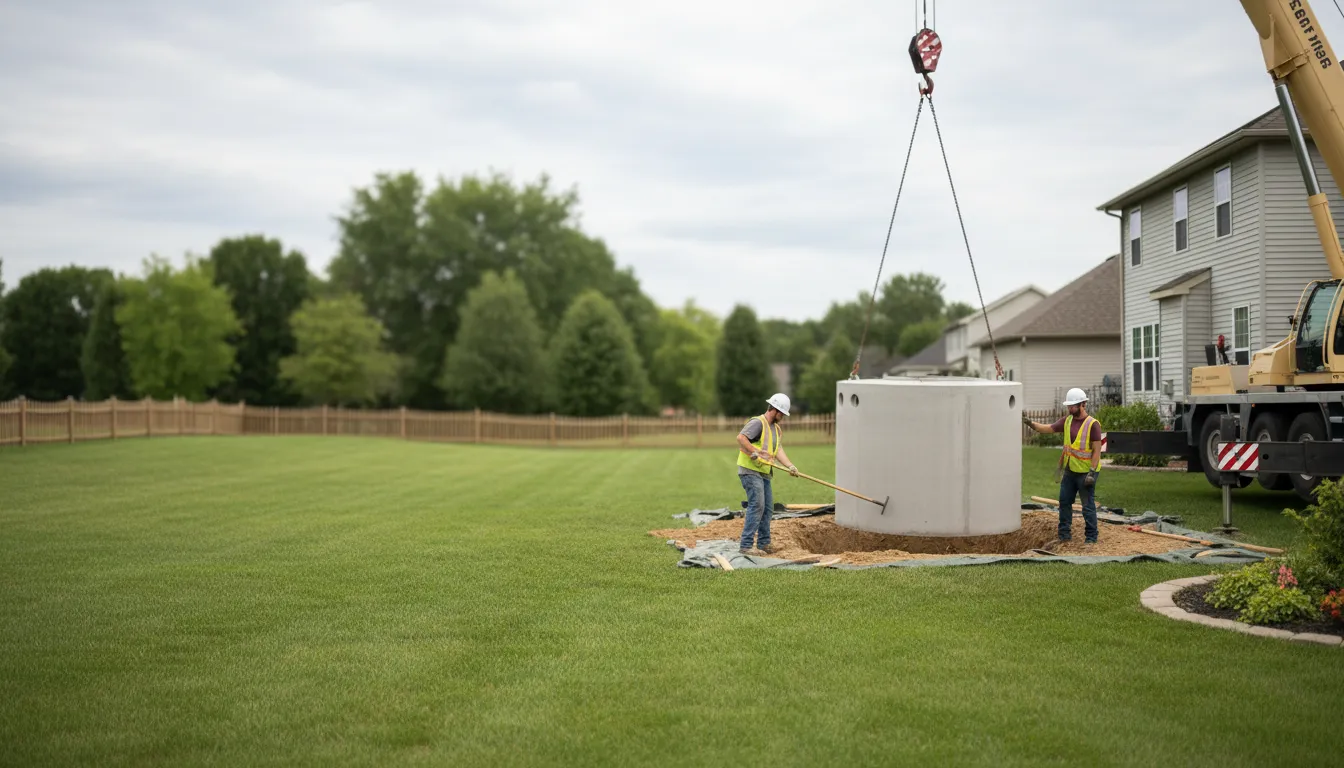
Installing or replacing a septic system is a significant investment in your property's long-term functionality and environmental health. In Sarasota, this process is governed by specific state and county regulations designed to protect our unique coastal ecosystem, including sensitive waterways and high water tables. This guide explains the key steps, costs, and regulatory requirements for septic system work in Sarasota, helping you navigate the process of finding qualified local professionals to ensure your project is compliant and built to last.

Understanding Sarasota's Septic System Regulations
All work involving a new septic system installation or the replacement of an existing one in Sarasota requires a permit from the Florida Department of Health (DOH) in Sarasota County. This agency oversees Onsite Sewage Treatment and Disposal Systems (OSTDS) and enforces the Florida Administrative Code, Chapter 62-6. The rules are strict for good reason: they ensure systems function properly without contaminating groundwater, which is especially critical in areas with a high seasonal water table.
A licensed septic tank contractor or a state-licensed plumber must perform the installation or major repair1. Homeowners cannot pull permits for this work themselves; it must be handled by a qualified professional who will manage the application, which includes a site plan and floor plan of the dwelling2.
The Critical First Step: Site Evaluation and Soil Testing
Before any installation can be planned, a certified site evaluator must conduct a thorough site evaluation. This is not a mere formality-it determines if your property can even support a conventional septic system.
- Soil Percolation Test: Often called a "perc test," this measures the rate at which water drains through the soil. The results dictate the size and type of drain field required.
- Soil Profile Analysis: The evaluator will dig deep observation holes to examine the soil layers (soil profile) and determine the seasonal high-water table elevation. Poor soil conditions or a high water table may necessitate a more advanced (and costly) system design3 4.
- Setback Requirements: Florida law mandates minimum horizontal distances from the septic system components to wells, property lines, buildings, and surface waters like ponds or canals. These setbacks are non-negotiable and must be verified during the site evaluation.
The Permitting Process for Sarasota County
Navigating the permit process is a core part of any septic project. Your chosen contractor will typically manage this, but understanding the steps is valuable.
- Application Submission: The contractor submits the permit application, site evaluation report, and detailed plans to the Florida DOH in Sarasota County.
- BMAP Considerations: Sarasota County contains areas within a Basin Management Action Plan (BMAP). In these nitrogen-sensitive zones, new or replacement systems must meet enhanced nutrient-reduction standards, which often means installing a denitrifying or other advanced treatment system instead of a traditional gravity-fed system 5.
- Permit Approval: Once the plans are reviewed and found compliant, the health department issues the construction permit.
Installation, Inspections, and Final Approval
The physical installation is a multi-stage process with mandatory checkpoints.
- Pre-construction Inspection: An inspector may visit to verify the staked location of the system components before digging begins.
- Mid-construction Inspection: This critical inspection occurs after the septic tank and drain field trenches are installed but before they are backfilled. The inspector checks the tank size, placement, structural integrity, and the drain field construction 6.
- Final Inspection: After the system is fully installed and the distribution pipes are leveled, a final inspection is conducted. The system must pass this inspection before it is covered with soil. In some cases, a private provider authorized by the DOH can perform this inspection.
Find the perfect septic tank installation & replacement contractors for your needs
Get personalized recommendations and expert advice
Cost Factors for Septic Systems in Sarasota
The cost for a complete standard residential septic system installation in Florida typically ranges from $5,000 to over $20,000, with Sarasota often falling on the higher end of this spectrum due to local conditions7 8. Several key factors influence the final price:
- Soil and Site Conditions: Poor percolation rates or a high water table require larger drain fields or advanced system designs, increasing costs significantly9.
- System Type and Size: A basic gravity-fed system for a three-bedroom home is the most affordable option. Homes in BMAP areas, however, will require costlier advanced treatment systems (ATS) designed to remove nitrogen.
- Repair vs. Full Replacement: Sometimes, a failing system can be repaired. If a system is too old, undersized, or has a compromised drain field, a full replacement will be necessary, which is a major project comparable to a new installation.
- Permitting and Design Fees: The costs for site evaluation, engineering, and permit fees are all part of the total project cost10.
Choosing Between Repair and Full System Replacement
A licensed inspector can determine if a malfunctioning system can be repaired or must be replaced. Common issues like a clogged outlet baffle or a damaged pipe may be repairable. However, if the drain field has failed (often indicated by surfacing sewage or persistent damp areas), or if the system is an old, non-compliant design, the Florida DOH will likely require a complete system replacement that meets current codes 11. Investing in a proper replacement protects your property value and prevents environmental contamination.
Maintaining Your New Sarasota Septic System
Once your new system is installed, proper maintenance is essential for longevity. This includes regular pumping every 3-5 years, conserving water to avoid overloading the drain field, and avoiding flushing harmful chemicals or non-biodegradable materials. The Florida DOH provides guidelines for responsible system care to prevent premature failure12.
Frequently asked questions
Sources
Footnotes
-
Septic Installation Archives - https://advancedsepticservicesfl.com/category/septic-installation/ ↩
-
Onsite Sewage FAQ - Permitting | Florida Department of ... - https://floridadep.gov/water/onsite-sewage/content/onsite-sewage-faq-permitting ↩
-
Florida Well and Septic System Placement Regulations for ... - https://flengineeringllc.com/florida-well-septic-placement-2025/ ↩
-
Septic Inspections Made Easy: What Every Contractor Needs to ... - https://flengineeringllc.com/septic-inspections-guide-contractors-2025/ ↩
-
Onsite Sewage Disposal - Florida Department of Health in ... - https://sarasota.floridahealth.gov/programs-and-services/environmental-public-health/onsite-sewage-disposal/ ↩
-
Florida Septic Tank Requirements | Onsite Sewage Treatment ... - https://www.ntotank.com/blog/florida-septic-tank-requirements ↩
-
Septic Permits in Florida: Do You Need One? (2025 Guide) - https://landperc.com/do-i-need-a-permit-for-a-septic-system-in-florida/ ↩
-
Septic System Cost Estimate: A Complete Breakdown - Land Perc - https://landperc.com/septic-system-cost-estimate/ ↩
-
Perc Testing and Home Elevation in Southwest Florida - https://sposenhomes.com/perc-testing-and-home-elevation/ ↩
-
The Builder's Guide to Septic Permit Services - Land Perc - https://landperc.com/septic-permit-services-builders/ ↩
-
Florida New Septic System Law: What Homeowners Need to Know - https://rooterone.com/florida-homeowners-new-septic-system-law/ ↩
-
Septic Systems - Florida Department of Health - https://www.floridahealth.gov/community-environmental-public-health/environmental-public-health/water-quality/septic-systems/ ↩