Find the Best Septic Tank Installation & Replacement Contractors for Your Business
No obligation • Fast responses • Nationwide coverage

Why you can trust Septic Spot
Septic Spot is a leading United States resource for understanding and comparing septic services. Our editors review providers using consistent criteria and verify key business details. Listings and scores are independent, and companies cannot pay to influence our content.
Search providers near you
Top Septic Tank Installation & Replacement Contractors in Wellington, Florida Ranked
Installing or replacing a septic system is a significant home improvement project that ensures the safe and efficient treatment of household wastewater. In Wellington, this process is governed by specific state and county regulations designed to protect local water resources and public health. Understanding the steps, requirements, and local providers for septic system work can help you navigate this essential project with confidence, ensuring your property remains compliant and functional for years to come.
Southern Septic
West Palm Beach, FL
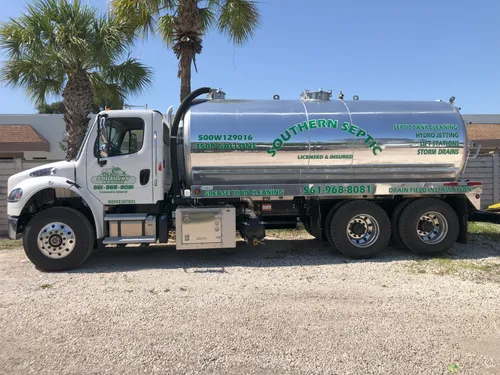
Southern Septic is a family-owned septic service provider based in West Palm Beach, FL, serving Palm Beach, Martin, and Broward Counties. Established in 2009, the company offers a wide range of services including septic tank pumping, inspections, system repairs, drain field maintenance, and septic system installations. They are certified in performance-based systems and provide specialized services such as storm preparation, grease trap maintenance, lift station services, and aerobic treatment unit (ATU) care. Southern Septic is known for handling septic permitting and design, ensuring compliance with local regulations. Their master contractor brings over 20 years of industry experience, and the company offers 24/7 emergency services along with same-day appointments to address urgent septic needs.
Jupiter Septic and Drain Inc
400 N Loxahatchee Dr, Jupiter, FL 33458
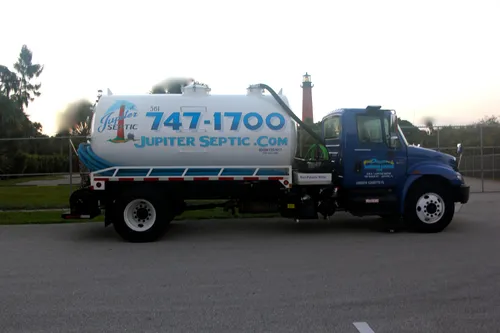
Jupiter Septic and Drain Inc is a septic tank and drain field service provider based in West Palm Beach, FL. They offer septic pumping, system inspections, drain field repairs, grease trap services, and new septic system installations. Serving Palm Beach and Martin counties, the company has been locally owned and operated since 1985. They provide emergency septic services in Jupiter, Juno, Hobe Sound, Loxahatchee, and North Palm Beach.
Raider Rooter
1900 Glades Rd Suite 700-003, Boca Raton, FL 33431
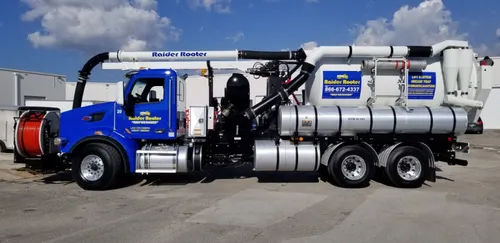
Raider Rooter is a family-owned plumbing and septic service company based in Fort Lauderdale, FL, serving Palm Beach, Dade, and Broward Counties. Established in 1978, they offer a range of services including septic tank pumping, inspections, installation, drain cleaning, camera line inspections, and high-pressure water jetting. They are certified to install and maintain Hoot Aerobic Systems and provide natural bacterial solutions to support septic system longevity and environmental protection. Raider Rooter operates 24/7, providing emergency plumbing and drain services for both residential and commercial properties.
Hogbackhoe & Excavation
16357 105th Dr N, Jupiter, FL 33478
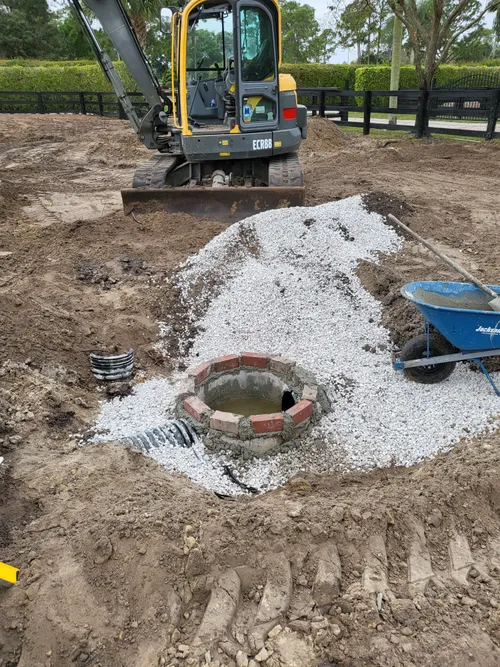
Hogbackhoe & Excavation is a family-operated company serving West Palm Beach, FL, and the surrounding South Florida area. They specialize in septic tank pumping, septic system repair, septic tank installation, and drain field repair or replacement. With over 20 years of experience, Hogbackhoe & Excavation offers excavation, plumbing, backhoe, and dirt removal services alongside their septic system work.
Dan's Backhoe Services
191 Venus St, Jupiter, FL 33458
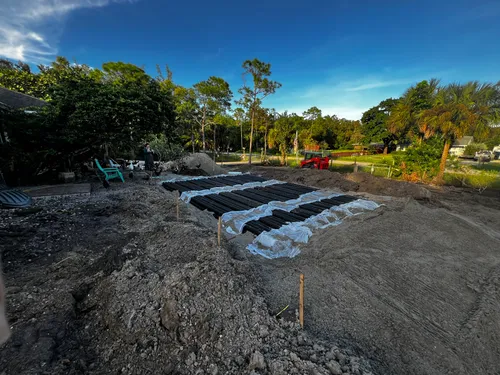
Dan's Backhoe Services is a family-owned business based near West Palm Beach, FL, specializing in septic tank installation, drain field repair, and replacement. They also install advanced aerobic treatment units to reduce drain field space, serving the Palm Beach area and beyond. With over 30 years of experience in the industry and more than 15 years as a family operation, Dan's Backhoe Services handles projects from design through completion and continues to provide maintenance after installation.
Understanding Septic System Basics in Wellington
A septic system, or onsite sewage treatment and disposal system (OSTDS), is a self-contained wastewater treatment solution for properties not connected to a municipal sewer line. In Wellington, where many homes rely on these systems, proper installation and maintenance are critical. The system typically consists of a septic tank, which separates solids from liquids, and a drainfield (or leach field), where the treated effluent is dispersed into the soil for final purification. When an old system fails or a new home is built, the process of septic tank installation or full system replacement begins with understanding local mandates.
The Regulatory Landscape: Permits and Authorities
All new installations, repairs, and replacements of septic systems in Wellington require permits from the Florida Department of Health (DOH) in Palm Beach County. These permits ensure compliance with Chapter 62-6 of the Florida Administrative Code (F.A.C.), which sets the standards for onsite sewage systems.
Key regulatory steps include:
- Permit Application: You or your contractor must submit Form DEP4015, along with a detailed site plan and building floor plans, to the local DOH office.
- Contractor Requirement: State law mandates that the physical installation be performed by a registered septic tank contractor or a state-certified plumber1. Hiring a licensed professional is non-negotiable.
- Setback Distances: Strict rules govern how far a septic system must be from wells, property lines, surface water bodies, and buildings to prevent contamination2 3. These setbacks are a primary focus of the site evaluation.
The Step-by-Step Installation & Replacement Process
1. Initial Site Evaluation and Soil Testing
Before any digging begins, a certified professional must conduct a thorough site evaluation. This is arguably the most important step, as it determines the feasibility and design of your system. The evaluation includes a soil percolation (perc) test to measure the soil's absorption rate and an assessment of the seasonal high-water table level. In areas of Wellington with high water tables or poor soil drainage, a standard conventional system may not be suitable, and an engineered or mounded system might be required.
2. System Design and Permit Acquisition
Based on the site evaluation results, a system design is created. This design specifies the tank size (typically based on the home's bedroom count), the type of system, and the size and layout of the drainfield. Your licensed contractor will then compile this design with the required application forms and submit the package to the DOH for permit approval4.
3. The Installation Phase
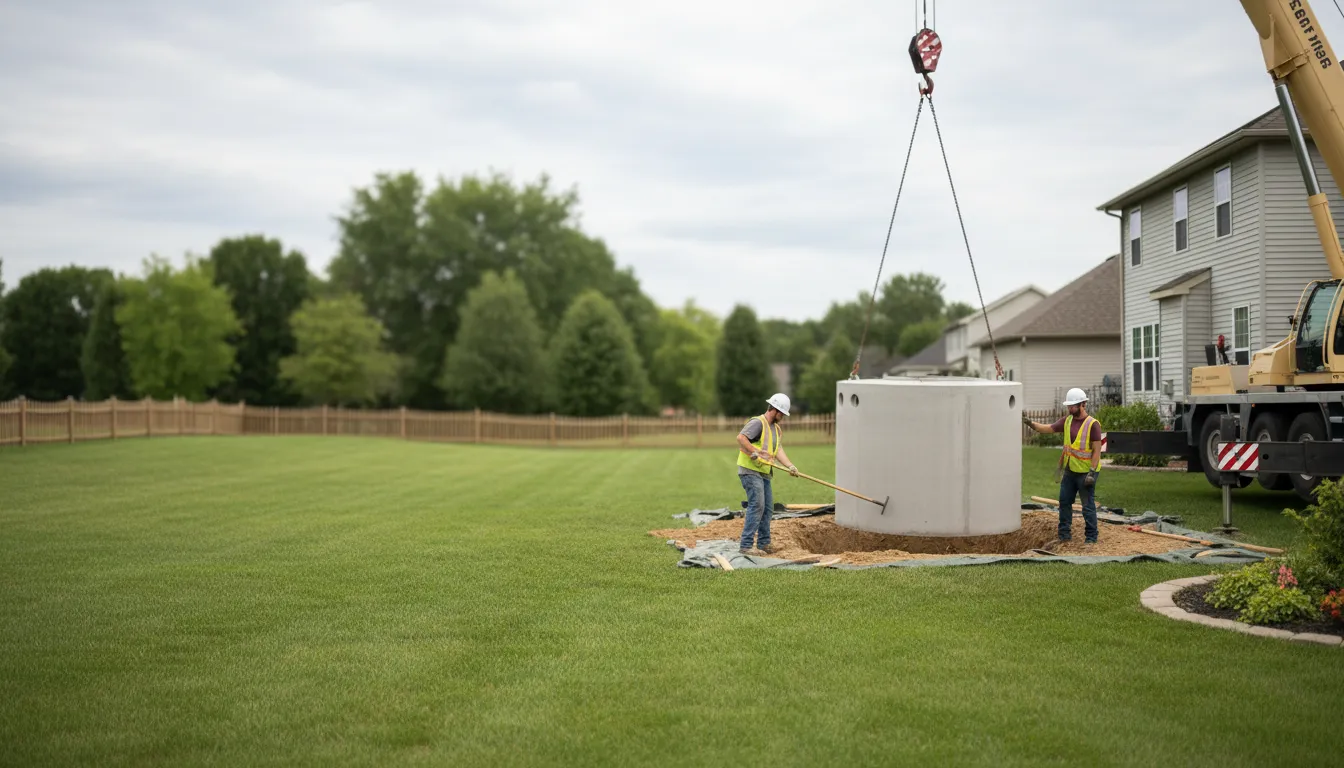
Once the permit is issued, installation can proceed. The process involves excavating for the tank and drainfield, placing the tank (often concrete or polyethylene), constructing the distribution network of pipes in the drainfield, and backfilling with appropriate materials like gravel.
Crucial inspections occur during this phase to ensure compliance before the system is covered5 6:
- Initial/Site Inspection: Verifies the staked layout, soil conditions, and setback distances.
- System Inspection (Mid-Project): Checks the tank placement, watertight integrity, drainfield construction, pipe placement, and gravel bed before backfilling.
- Final Inspection: Confirms final grading and that the installed system matches the approved design.
Note that in addition to the mandatory health department inspections, homeowners may also choose to hire private, licensed engineers or inspectors for an additional layer of oversight7.
4. Final Approval and Maintenance Planning
After passing the final inspection, the system receives approval for use. The contractor should provide you with "as-built" drawings showing the exact location of all components-vital for future maintenance or landscaping. Establishing a regular pumping and inspection schedule is the final key step to protecting your investment.
Find the perfect septic tank installation & replacement contractors for your needs
Get personalized recommendations and expert advice
Cost Considerations for Septic Work in Wellington
The cost for a standard residential septic system installation or full replacement in Wellington can vary widely based on site-specific conditions. Typical total costs range from $5,000 to over $20,0008 9. Several factors influence the final price:
- System Type: A conventional gravity-fed system is generally the most affordable. Engineered systems (like aerobic treatment units or mound systems), which are often needed for challenging sites, are more complex and expensive10 11.
- Tank Material: Concrete tanks are common and durable, while polyethylene tanks may be lighter and resistant to corrosion. Material choice affects cost.
- Site Conditions: Difficult access, rocky soil, or the need for extensive clearing and grading can increase labor and equipment costs.
- Permit Fees: Plan for additional permit fees, which can range from approximately $150 to $500 or more12.
- Drainfield Size: The size of the drainfield is determined by the soil's percolation rate and the home's wastewater output; larger fields cost more.
It's essential to get detailed, written estimates from multiple licensed contractors that break down all these components.
Choosing a Licensed Septic Contractor
Selecting the right professional is critical for a compliant and long-lasting installation. Look for a contractor who is:
- Registered with the State: Verify their license is current and in good standing with the Florida Department of Business & Professional Regulation (DBPR) or the DOH.
- Local Experience: Familiarity with Wellington's specific soil conditions and the Palm Beach County DOH inspectors can streamline the process.
- Transparent and Detailed: They should provide a clear contract, explain the design, and walk you through the permit and inspection timeline.
- Insured and Bonded: This protects you in case of accidents or failure to complete the job.
A reputable contractor will handle the permit application, coordinate inspections, and ensure every phase meets Florida's stringent codes.
Why Proper Installation Matters
A correctly installed septic system is an asset that protects your property value, your family's health, and Wellington's environment-particularly its groundwater, which is a source of drinking water. A failing system due to poor installation can lead to sewage backups, foul odors, contaminated yards, and pollution of nearby lakes and canals. It can also result in costly repairs, fines from the health department, and a failed property sale inspection. Investing in a proper, permitted installation from the start is the most cost-effective and responsible path forward.
Frequently asked questions
Sources
Footnotes
-
Septic Contracting Frequently Asked Questions | Florida Department of Environmental Protection - https://floridadep.gov/water/onsite-sewage/content/septic-contracting-frequently-asked-questions ↩
-
Florida Septic Tank Requirements | Onsite Sewage Treatment and Disposal Systems - https://www.ntotank.com/blog/florida-septic-tank-requirements ↩
-
Florida Well and Septic System Placement Regulations for ... - https://flengineeringllc.com/florida-well-septic-placement-2025/ ↩
-
Onsite Sewage FAQ - Permitting | Florida Department of ... - https://floridadep.gov/water/onsite-sewage/content/onsite-sewage-faq-permitting ↩
-
Septic Inspections Made Easy: What Every Contractor Needs ... - https://flengineeringllc.com/septic-inspections-guide-contractors-2025/ ↩
-
Florida New Septic System Law: What Homeowners Need to Know - https://rooterone.com/florida-homeowners-new-septic-system-law/ ↩
-
Septic Systems - Florida Department of Health - https://www.floridahealth.gov/community-environmental-public-health/environmental-public-health/water-quality/septic-systems/ ↩
-
How to Get an Accurate Septic System Cost Estimate - Land Perc - https://landperc.com/septic-system-cost-estimate/ ↩
-
How Much Does Septic Tank Installation Cost? - https://brooksseptic.com/how-much-does-septic-tank-installation-cost/ ↩
-
Septic System Regulations - Acme Environmental Services - https://www.aesseptic.com/blog/2024/september/septic-system-regulations/ ↩
-
Engineered Septic System Design: A Complete Guide - https://landperc.com/engineered-septic-system-design/ ↩
-
Understanding Septic Tank Permits and Regulations - https://westcoastsanitationinc.com/understanding-septic-tank-permits-and-regulations/ ↩