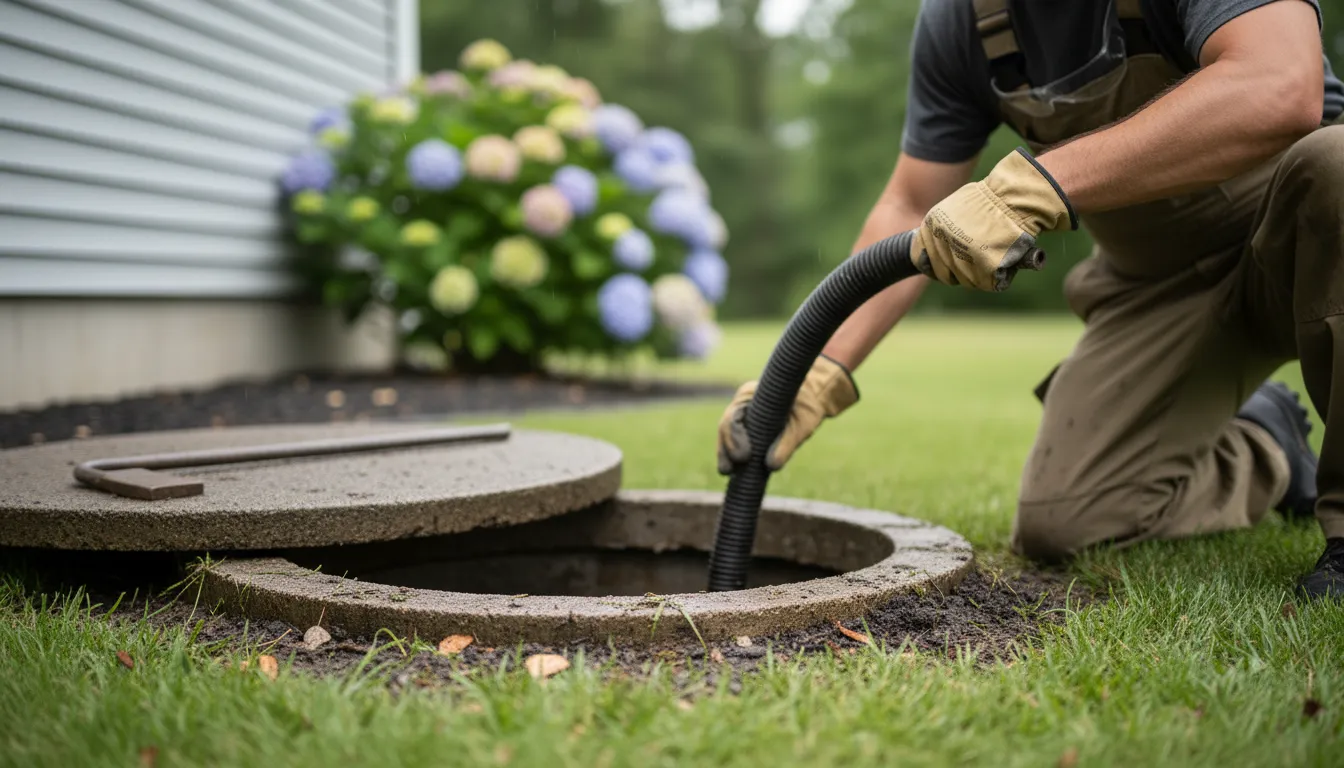
Find the Best Septic Tank Pumping Contractors for Your Business
No obligation • Fast responses • Nationwide coverage

Why you can trust Septic Spot
Septic Spot is a leading United States resource for understanding and comparing septic services. Our editors review providers using consistent criteria and verify key business details. Listings and scores are independent, and companies cannot pay to influence our content.
Search providers near you
Best Septic Tank Pumping Contractors in North Carolina Ranked
Septic tank pumping is a critical maintenance task for over 1.5 million North Carolina households that rely on onsite wastewater systems. This essential service removes accumulated solids from your tank to prevent system failure, protect your property value, and safeguard public health and local water quality. Understanding the recommended schedule, costs, and regulations for North Carolina helps you plan effectively and find qualified local professionals to perform this vital work.
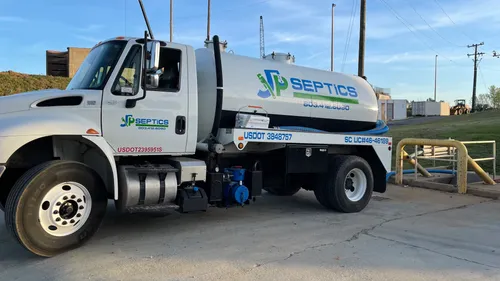
JP Septics
Charlotte, NC
JP Septics is a Native-American owned septic service provider based in Charlotte, NC. They offer comprehensive septic system services including pumping, inspection, repair, installation, and drain field repair or replacement. The company emphasizes proper maintenance to prevent costly failures and uses quality materials to ensure long-lasting septic systems. JP Septics is available 24/7 for emergency septic repairs and has received over 600 five-star reviews for their work.
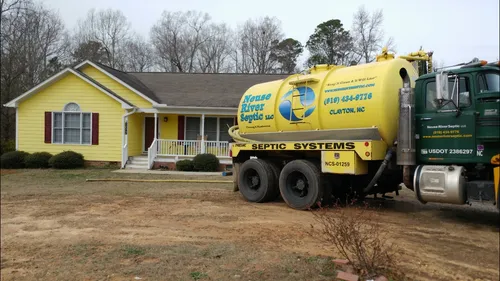
Neuse River Septic Tank Pumping
Clayton, NC 27520
Neuse River Septic Tank Pumping is a family-owned company based near Raleigh, NC, specializing in residential and commercial septic tank pumping and maintenance. They serve Clayton and surrounding areas within 15 miles, including Southern Wake and Johnston County. The company offers septic tank cleaning, sludge recycling at NC-approved sites, and effluent filter cleaning at no extra charge. With over 20 years of experience, they emphasize proper septic system care to prevent costly repairs and provide emergency service when needed.

Advantage Home Inspection
4020 Wake Forest Rd, Raleigh, NC 27609
Advantage Home Inspection is based in Raleigh, NC, offering a range of inspection services including septic tank inspection and pumping. They provide detailed septic inspections that include line scoping when accessible, along with other home and commercial inspection services such as foundation, framing, termite, radon, and sewer scope inspections. Their service area covers a 45-mile radius from their main office, and they cater to both residential and commercial properties.
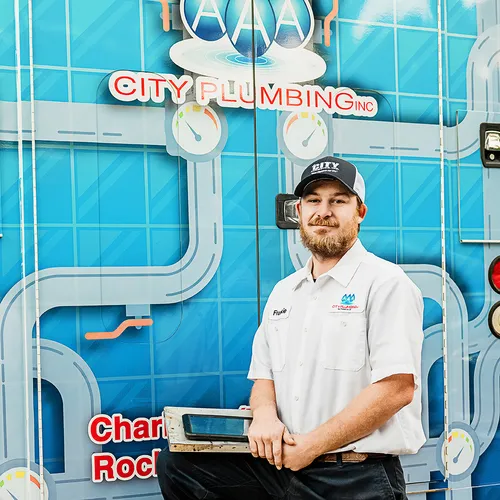
AAA City Plumbing
178 Grayson Rd, Rock Hill, SC 29732
AAA City Plumbing is a full-service plumbing company serving Charlotte, NC, and Rock Hill, SC. They provide a wide range of plumbing services including septic tank pumping, water heater repair, drain cleaning, and emergency plumbing for both residential and commercial customers. With over 30 years of experience since 1994, AAA City Plumbing has built a reputation for skilled workmanship and reliable service. Their licensed and insured plumbers are equipped to handle jobs of all sizes and offer after-hours emergency services.
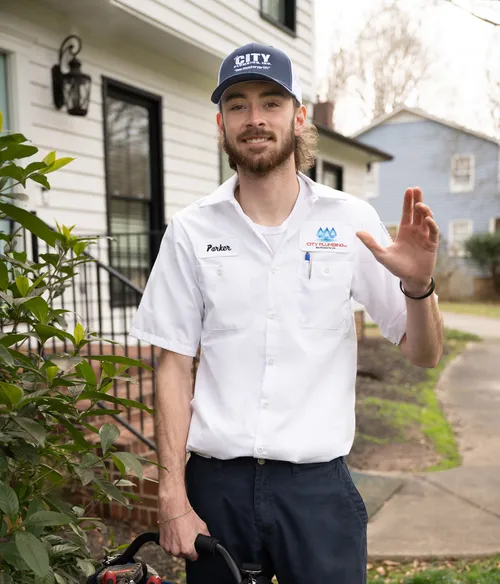
AAA City Plumbing
227 W 4th St #312, Charlotte, NC 28202
AAA City Plumbing is a full-service plumbing company based in Charlotte, NC, serving both residential and commercial customers. They provide a wide range of plumbing services including septic tank pumping, water heater repair, drain cleaning, and emergency plumbing services. With over 30 years of experience since 1994, AAA City Plumbing has built a reputation for skilled workmanship and reliable service in Charlotte and nearby Rock Hill. Their licensed, bonded, and insured plumbers are equipped to handle projects of various sizes and offer emergency assistance when needed.
Why Regular Pumping is Essential in NC
Your septic system is a mini wastewater treatment plant on your property. When wastewater enters the tank, solids settle to the bottom as sludge, and lighter materials like grease float to the top as scum. The clarified liquid in the middle flows out to the drain field. Over time, the sludge and scum layers build up. If they aren't removed by septic tank cleaning, they can flow into and clog the drain field, leading to a catastrophic and expensive failure 1.
Regular septic system pumping prevents this. It's the single most important thing you can do to extend the life of your entire system. A failed drain field often requires a complete replacement, which can cost tens of thousands of dollars, whereas routine pumping is a relatively modest investment2 3.
Recommended Pumping Frequency for NC Homes
A common guideline is to pump your septic tank every 3 to 5 years. However, this is a general rule. The exact frequency for your home depends on two key factors:
- Household Size: More people create more wastewater and solids.
- Tank Capacity: A larger tank holds more volume and may not need service as often.
For example, a 1,000-gallon tank serving a 2-person household may only require pumping every 5 to 6 years. That same 1,000-gallon tank serving a family of 6 or more might need septic tank emptying every 1 to 2 years 4. Other factors include the total amount of wastewater generated (e.g., garbage disposal use, laundry habits) and the volume of solids in the wastewater.
The Consequences of Waiting Too Long
Postponing service is a risky gamble. Warning signs of a tank that needs immediate attention or a system nearing failure include:
- Slow-draining sinks, tubs, or toilets.
- Gurgling sounds in your plumbing.
- Unpleasant sewage odors around your yard or home.
- Unusually lush, green grass or soggy, wet spots over the drain field.
- Sewage backing up into household drains.
If you notice any of these signs, contact a professional immediately. Do not wait for a complete failure.
Find the perfect septic tank pumping contractors for your needs
Get personalized recommendations and expert advice
Understanding Septic Pumping Costs in North Carolina
The price for septic tank maintenance like pumping varies across the state. On average, homeowners can expect to pay between $300 and $600 for a standard residential pumping service. Several factors influence the final cost:
- Tank Size and Accessibility: Larger tanks (e.g., 1,500 gallons) cost more to pump than standard 1,000-gallon tanks. Tanks that are buried deep, under decks, or have limited access for the pump truck may incur additional charges.
- Geographic Location: Labor and operational costs differ. In major metro areas like Charlotte or the Triangle, prices can reach up to $900, partly due to longer distances to permitted disposal facilities5.
- Condition of the Tank: If the tank lid or baffles need to be dug out or if the tank is excessively full, it may add to the labor time and cost.
Always get a detailed, written estimate before work begins. A reputable provider will typically inspect tank components (like baffles) during the service and advise you of any other potential issues.
Septic System Inspections: A Key Part of Maintenance
While pumping removes solids, an inspection assesses the overall health of your system. Many experts recommend a professional inspection every 1 to 3 years for conventional systems. In some North Carolina counties, inspections are not just recommended-they are legally required.
Wake County, for instance, has a mandatory inspection program for certain types of systems. The frequency is based on system complexity:
- Engineered Systems with Pumps or Pressure Dosing: Require an inspection by a licensed professional every year.
- Conventional Gravity Systems: Do not require mandatory county inspections but still need regular homeowner maintenance6.
An inspection typically costs between $200 and $400 and can identify small problems (like a damaged outlet baffle) before they lead to major repairs7.
Homeowner Responsibilities and Best Practices
As a septic system owner in North Carolina, you are responsible for its proper operation and maintenance8. Beyond scheduling regular pumping, you can protect your system by managing what goes into it and protecting the drain field.
What to Avoid Putting Down Your Drains:
- Fats, Oils, and Grease: These solidify and clog pipes and the tank.
- Harsh Chemicals: Excessive bleach, drain cleaners, and pesticides can kill the beneficial bacteria in your tank that break down waste.
- Non-Biodegradables: Items like dental floss, feminine hygiene products, diapers, and wipes (even "flushable" ones) do not break down and will quickly fill your tank.
- Food Waste: Using a garbage disposal frequently adds significant solid volume to your tank, increasing the need for more frequent pumping.
Drain Field Care:
- Never drive or park vehicles, or place heavy structures like sheds or pools, on your drain field.
- Divect roof drains, sump pumps, and other surface water away from the drain field area.
- Plant only grass over and near your drain field. Tree and shrub roots can seek out moisture and clog or damage drain lines.
Regulations and DIY Considerations
North Carolina state law allows a homeowner to install their own septic system under specific conditions: it must be a gravity-fed, pipe-and-gravel system for their primary residence, and the homeowner cannot install more than two such systems within a five-year period9. However, septic tank pumping and major repairs should always be performed by a licensed professional.
Licensed septic service providers have the training, equipment, and insurance to safely handle and dispose of septage at approved facilities. They also understand local county regulations, which can vary. Staying compliant with local rules helps you avoid potential fines and ensures your system functions properly for years to come10.
Frequently asked questions
Sources
Footnotes
-
Frequent Questions on Septic Systems | US EPA - https://www.epa.gov/septic/frequent-questions-septic-systems ↩
-
Homeowner's Guide to Septic Systems | Septic Blue Of Charlotte - https://www.septicbluecharlotte.com/homeowners-guide-to-septic-systems.html ↩
-
Septic System Owner's Guide - Forsyth County, North Carolina - https://forsyth.cc/publichealth/assets/documents/septic_guide.pdf ↩
-
How Often Should a Family of 4 Pump Their Septic Tank? - https://www.septicbluecharlotte.com/how-often-do-i-pump-my-septic-tank-with-a-family-of-4.html ↩
-
2025 Septic Pumping & Septic System Facts for North Carolina - https://www.clearwatersepticandpumping.com/septic-tips/2025-septic-pumping-facts-charlotte-nc ↩
-
Septic System Inspections | Wake County Government - https://www.wake.gov/departments-government/onsite-water-protection/septic-systems/septic-system-inspections ↩
-
Greensboro Septic System Compliance: Avoid Fines - https://septic911.com/greensboro-septic-system-compliance/ ↩
-
NC Homeowners: Caring for Your Septic System | Division of Public Health - https://www.dph.ncdhhs.gov/programs/environmental-health/site-water-protection-branch/site-wastewater-program/nc-homeowners-caring-your-septic-system ↩
-
FAQ's | North Carolina Onsite Wastewater Contractor Inspector ... - https://ncowcicb.info/faqs/ ↩
-
Stay Compliant: Avoid Fines with Septic System Regulations - https://smartsepticpros.com/blog/septic-system-regulations/ ↩