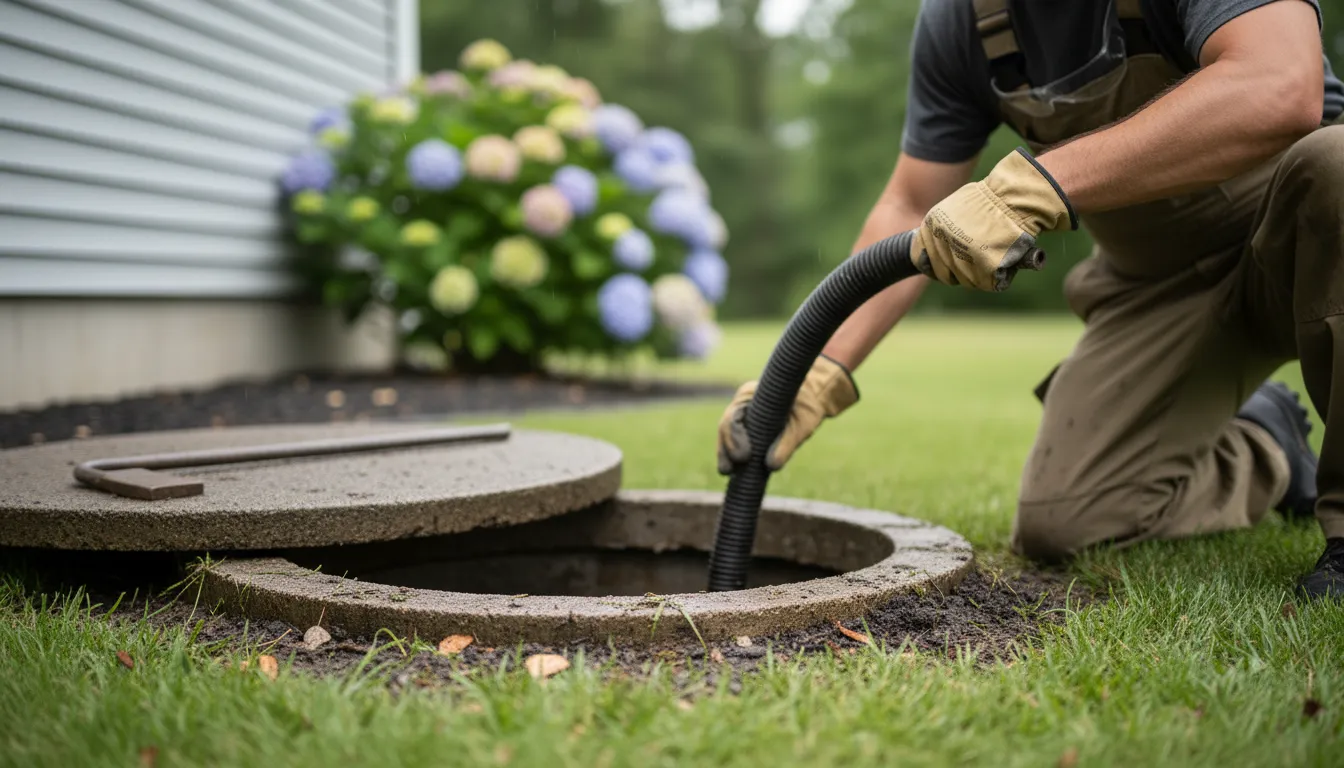
Find the Best Septic Tank Pumping Contractors for Your Business
No obligation • Fast responses • Nationwide coverage

Why you can trust Septic Spot
Septic Spot is a leading United States resource for understanding and comparing septic services. Our editors review providers using consistent criteria and verify key business details. Listings and scores are independent, and companies cannot pay to influence our content.
Search providers near you
Top Septic Tank Pumping Contractors in Charlotte, North Carolina Ranked
Maintaining your septic system is a crucial responsibility for homeowners not connected to municipal sewer lines. Regular septic tank pumping removes accumulated solids to prevent system backups, costly repairs, and environmental contamination. This guide provides essential information on septic maintenance schedules, local costs, and best practices to help you find qualified professionals for this vital service in the Charlotte area.
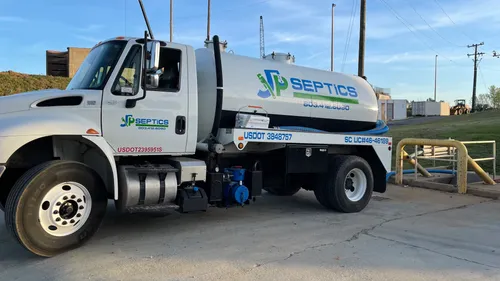
JP Septics
Charlotte, NC
JP Septics is a Native-American owned septic service provider based in Charlotte, NC. They offer comprehensive septic system services including pumping, inspection, repair, installation, and drain field repair or replacement. The company emphasizes proper maintenance to prevent costly failures and uses quality materials to ensure long-lasting septic systems. JP Septics is available 24/7 for emergency septic repairs and has received over 600 five-star reviews for their work.
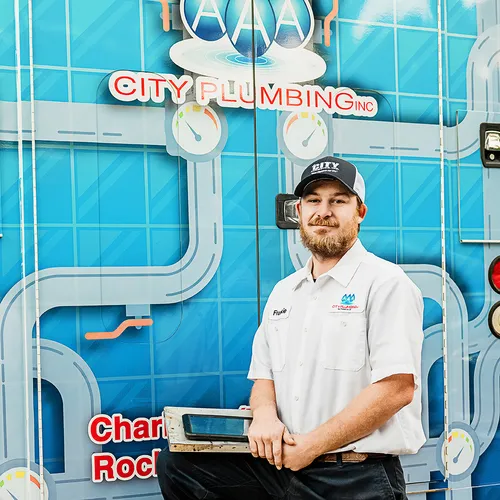
AAA City Plumbing
178 Grayson Rd, Rock Hill, SC 29732
AAA City Plumbing is a full-service plumbing company serving Charlotte, NC, and Rock Hill, SC. They provide a wide range of plumbing services including septic tank pumping, water heater repair, drain cleaning, and emergency plumbing for both residential and commercial customers. With over 30 years of experience since 1994, AAA City Plumbing has built a reputation for skilled workmanship and reliable service. Their licensed and insured plumbers are equipped to handle jobs of all sizes and offer after-hours emergency services.
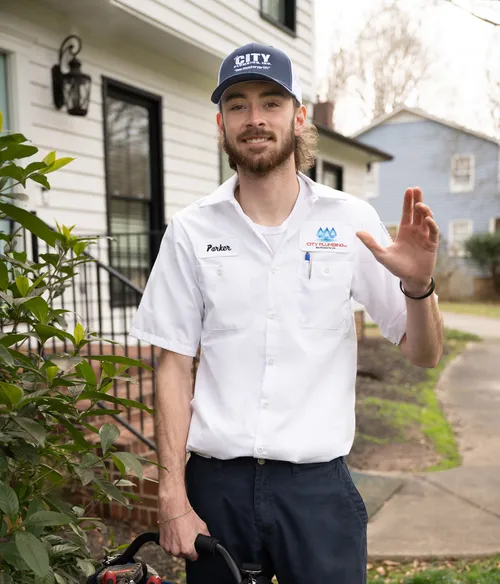
AAA City Plumbing
227 W 4th St #312, Charlotte, NC 28202
AAA City Plumbing is a full-service plumbing company based in Charlotte, NC, serving both residential and commercial customers. They provide a wide range of plumbing services including septic tank pumping, water heater repair, drain cleaning, and emergency plumbing services. With over 30 years of experience since 1994, AAA City Plumbing has built a reputation for skilled workmanship and reliable service in Charlotte and nearby Rock Hill. Their licensed, bonded, and insured plumbers are equipped to handle projects of various sizes and offer emergency assistance when needed.
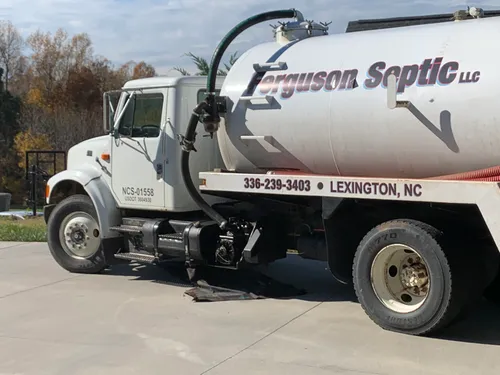
Ferguson Septic Tank Pumping Services
227 Point Harbor Rd, Lexington, NC 27292
Ferguson Septic Tank Pumping Services is a family-owned business based near Charlotte, NC, specializing in septic tank pumping, cleaning, locating, and evaluation. They provide licensed and insured septic services including regular maintenance and professional assessments to ensure proper tank function. The company is operated by a father and son team with certified expertise in septic system management. Ferguson Septic emphasizes the importance of pumping every five years and offers guidance on septic tank care to extend system longevity.

Stanley, A Wind River Company
131 Mariposa Rd, Stanley, NC 28164
Stanley, A Wind River Company is a septic tank pumping company based in Charlotte, NC. They offer septic pumping, grease trap cleaning, lift station maintenance, and commercial plumbing services. As part of the Wind River Environmental network, they have access to advanced technology and extensive resources to support their environmental plumbing services. Their capabilities include maintaining and optimizing septic and wastewater systems to prevent environmental contamination and ensure compliance with regulations.
Understanding Your Septic System and Maintenance Needs
A septic system is an on-site wastewater treatment structure, typically consisting of a tank and a drain field. When wastewater from your home enters the tank, solids settle to the bottom as sludge, and fats float to the top as scum. The clarified liquid in the middle, called effluent, flows out to the drain field. Over time, the sludge and scum layers build up. If not removed through regular septic tank cleaning, they can overflow into the drain field, causing clogs, sewage backups into your home, and groundwater pollution.
This is why proactive septic system maintenance is non-negotiable. It protects your property value, your family's health, and the local environment. A well-maintained system can last for decades, while neglect can lead to failure requiring a complete and very expensive replacement.
How Often Should You Pump Your Septic Tank in Charlotte?
The most common question homeowners have is about the pumping schedule. While a general rule for the Charlotte area is every 3 to 5 years, the ideal frequency for your home depends on several key factors:
- Household Size: This is the primary driver. More people create more wastewater and solids.
- Small Household (1-2 people): A 1,000-gallon tank may need pumping every 5-8 years, while a 1,500-gallon tank can often go 6-7 years.
- Average Household (3-4 people): Expect to pump a 1,000-gallon tank every 3-4 years and a 1,500-gallon tank every 4-5 years.
- Large Household (5+ people): Pumping may be required every 1 to 3 years, depending on tank size. High-usage homes with 7 or more people may need service as often as every 1-2 years.
- Tank Size: Larger tanks hold more solids and therefore require less frequent pumping.
- Garbage Disposal Use: Using a garbage disposal significantly increases the amount of solids entering the tank. If you use one regularly, you should plan for more frequent septic tank servicing 1.
- Overall Water Usage: The volume of water flowing through the system affects how quickly solids are carried out of the tank. Fixing leaky faucets and toilets and using water-efficient appliances can extend the time between pump-outs.
The only way to know for sure is through a professional inspection, which can measure the sludge and scum levels in your tank.
The Importance of Regular Septic Inspections
Pumping is just one part of a complete maintenance plan. The North Carolina Department of Health and Human Services (NCDHHS) and local experts strongly recommend regular inspections, ideally every 1 to 3 years 2. A thorough inspection does more than check sludge levels; it evaluates the entire system's health.
During an inspection, a certified professional will:
- Measure sludge and scum layers to determine if pumping is needed.
- Check the tank's inlet and outlet baffles for integrity (broken baffles allow solids to escape).
- Inspect and clean the effluent filter, if your system has one.
- Examine the drain field for signs of surfacing effluent or soggy ground.
- Test mechanical components like lift pumps or alarms for proper function.
- Look for cracks or leaks in the tank itself.
These inspections can identify small problems-like a damaged baffle or a full filter-before they lead to a full system failure, saving you thousands of dollars.
Find the perfect septic tank pumping contractors for your needs
Get personalized recommendations and expert advice
What Does Septic Tank Pumping Cost in Charlotte?
Budgeting for this essential home maintenance is straightforward. For routine septic tank pumping in the Charlotte area, most homeowners can expect to pay between $300 and $600 3 4. The final cost depends on specific variables:
- Tank Size: This is the most significant cost factor.
- 1,000-Gallon Tank: Typically costs between $250 and $570.
- Tank Accessibility: If the tank lids are buried deep, located under a deck, or far from where the service truck can park, the job will take more labor and time, increasing the price.
- Condition: Tanks that haven't been pumped in a very long time may have extremely compacted sludge, requiring more effort to break up and remove.
- Additional Services: Many companies offer bundled pricing. You might pay a bit more if the service includes a full inspection, filter cleaning, or minor repairs, but this is often more cost-effective than scheduling these services separately.
Always get detailed quotes from a few local providers. A reputable company will be transparent about what is included in the base pumping fee and what might incur additional charges.
Best Practices for Septic System Care
Pumping and inspections are professional services, but day-to-day care is in your hands. Following these guidelines will keep your system functioning smoothly between service visits:
- Mind What You Flush: Your septic system is designed for human waste and toilet paper only. Never flush diapers, baby wipes (even "flushable" ones), paper towels, feminine hygiene products, cotton swabs, cat litter, or cigarette butts.
- Watch What Goes Down the Drain: Avoid pouring cooking oils, grease, or fat down the sink. Do not dispose of coffee grounds, eggshells, or chemical drain cleaners. Use mild, septic-safe cleaning products 7.
- Conserve Water: Sudden large volumes of water can overwhelm the system. Space out laundry loads, fix leaks promptly, and consider installing high-efficiency toilets and showerheads.
- Protect Your Drain Field: Never park cars, build structures, or store heavy materials on your drain field. Keep roof drains, sump pumps, and other surface water away from the area. Plant only grass over the drain field; tree and shrub roots can cause severe damage.
Recognizing Signs You Need Service Sooner
Don't wait for a disaster. Contact a professional if you notice any of these warning signs:
- Slow drains or gurgling pipes throughout the house.
- Sewage odors near the septic tank or drain field.
- Unusually lush, green grass or soggy, wet spots over the drain field.
- Sewage backing up into household drains or toilets.
Addressing these issues quickly can often prevent a minor problem from becoming a major repair.
Frequently asked questions
Sources
Footnotes
-
Septic Tank Pumping Frequency: Crucial Maintenance Guide - https://septic911.com/septic-tank-pumping-frequency/ ↩
-
Why Maintain Your Septic System | US EPA - https://www.epa.gov/septic/why-maintain-your-septic-system ↩
-
NC Homeowners: Caring for Your Septic System - https://www.dph.ncdhhs.gov/programs/environmental-health/site-water-protection-branch/site-wastewater-program/nc-homeowners-caring-your-septic-system ↩
-
Budgeting for Septic Tank Maintenance: Tips for Homeowners - https://www.septicbluecharlotte.com/budgeting-for-septic-tank-maintenance-what-you-should-know-html ↩
-
Water Protection Program | Brunswick County, NC - https://www.brunswickcountync.gov/288/Water-Protection-Program ↩
-
How Much Does It Cost to Pump a Septic Tank in Raleigh, NC? | Angi - https://www.angi.com/articles/how-much-does-septic-tank-pumping-cost/nc/raleigh ↩
-
Septic Tanks - Preventative Routine Maintenance | South Carolina Department of Environmental Services - https://des.sc.gov/permits-regulations/septic-tanks/homeowner-resources/septic-tanks-preventative-routine-maintenance ↩