Find the Best Septic Tank Pumping Contractors for Your Business
No obligation • Fast responses • Nationwide coverage

Why you can trust Septic Spot
Septic Spot is a leading United States resource for understanding and comparing septic services. Our editors review providers using consistent criteria and verify key business details. Listings and scores are independent, and companies cannot pay to influence our content.
Search providers near you
Top Septic Tank Pumping Contractors in High Point, North Carolina Ranked
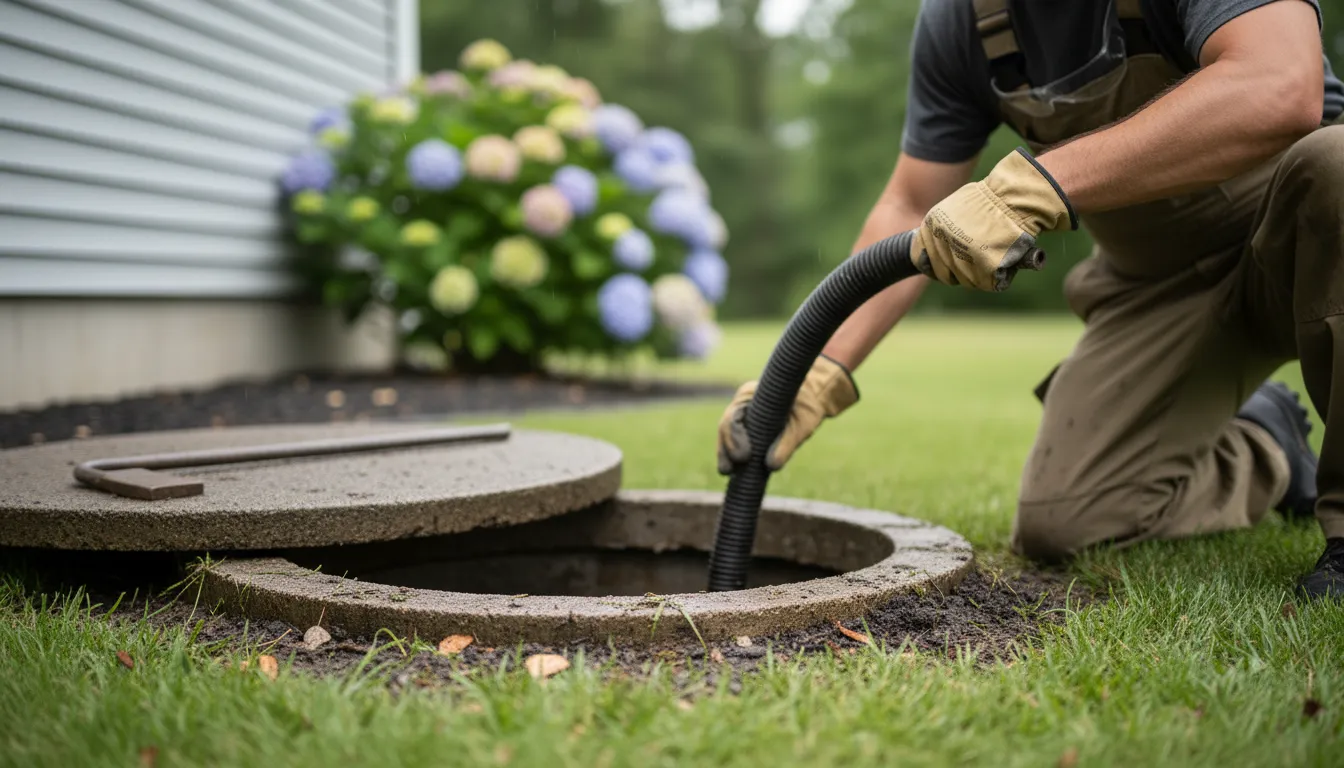
Maintaining your septic system is a crucial responsibility for any homeowner not connected to a municipal sewer line. Regular septic tank pumping is the most important preventative maintenance you can perform to protect your property, your health, and the local environment. This guide explains the specifics of septic system maintenance in High Point, including local regulations, recommended schedules, and what to expect from the process, helping you connect with qualified local professionals for this essential service.
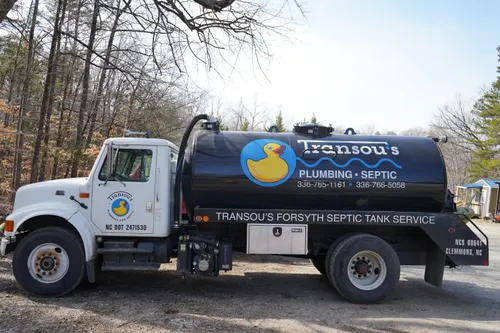
Transou's Plumbing & Septic | Emergency Plumber Winston-Salem, NC | Tankless Water Heater Repair | Septic Tank | Sewer Repair
101 E Devonshire St, Winston-Salem, NC 27127
Transou's Plumbing & Septic is a well-established plumbing and septic service provider located in Winston-Salem, NC. Serving the North Carolina Triad area, the company offers a range of services including septic tank pumping, septic system repair, emergency plumbing, leak detection, and tankless water heater repair. With over 70 years of experience, Transou's has grown into one of the largest plumbing and septic businesses in the region, known for its comprehensive expertise and family-oriented approach. The company also provides emergency plumbing services to address urgent issues promptly.
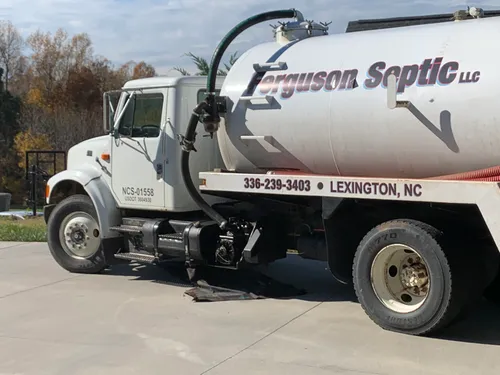
Ferguson Septic Tank Pumping Services
227 Point Harbor Rd, Lexington, NC 27292
Ferguson Septic Tank Pumping Services is a family-owned business based near Charlotte, NC, specializing in septic tank pumping, cleaning, locating, and evaluation. They provide licensed and insured septic services including regular maintenance and professional assessments to ensure proper tank function. The company is operated by a father and son team with certified expertise in septic system management. Ferguson Septic emphasizes the importance of pumping every five years and offers guidance on septic tank care to extend system longevity.
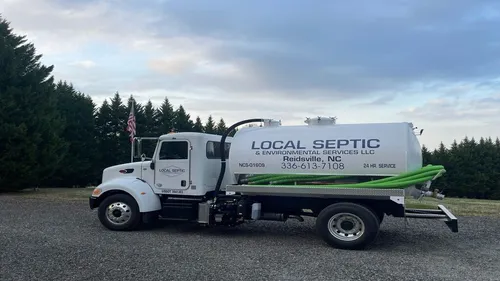
Local Septic & Environmental Services LLC
Winston Salem, NC
Local Septic & Environmental Services LLC is a family-owned septic company serving Winston Salem, NC, and surrounding counties. They provide a full range of septic services including tank pumping, inspections, repairs, new system installations, and drain field replacements. The company uses advanced inspection tools and modern excavation equipment to diagnose and address septic issues accurately. With decades of experience, Local Septic offers emergency services to handle urgent septic problems beyond regular business hours.
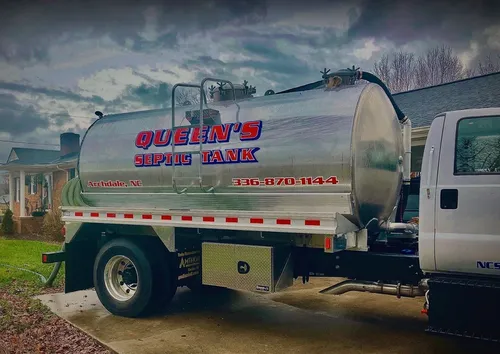
Queen's Septic Tank Service
Greensboro, NC
Queen's Septic Tank Service is a family-owned business serving Greensboro, NC, and surrounding counties including Guilford, Randolph, Davidson, and Forsyth. Since 1986, they have provided residential and commercial septic services such as septic tank installation, pumping, inspections, repairs, grease trap pumping, and backhoe and light grading services. As a certified Level IV Wastewater System Installer, they offer skilled and knowledgeable septic system solutions. The company also provides after-hours emergency service for urgent septic issues outside normal business hours.
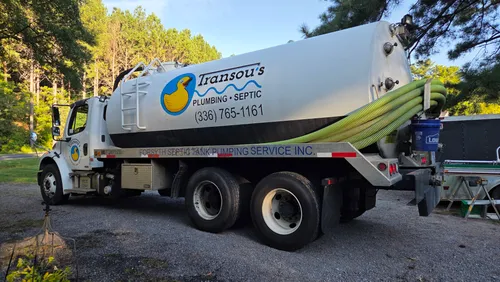
Transou's Septic Tank Service & Rent-A-Jon
1407 Chestnut Dr B, High Point, NC 27262
Transou's Septic Tank Service & Rent-A-Jon provides septic system services in Greensboro, NC, and the surrounding Triad area. The company offers septic tank pumping, inspection, repair, and installation, along with Port-a-Jon rentals for events and construction sites. Established in 1952, Transou's has over 70 years of experience handling septic emergencies, routine maintenance, and new system installations. They emphasize compliance with regulations and thorough workmanship to maintain system efficiency and prevent costly issues.
Understanding Your Septic System in Guilford County
A septic system is an on-site wastewater treatment structure, commonly used in rural and suburban areas like many parts of High Point. It consists of a septic tank and a drainfield (or leach field). Solids settle in the tank, where bacteria begin to break them down, while the liquid effluent flows out to the drainfield for further filtration into the soil. For this process to work safely, the accumulated sludge and scum in the tank must be removed periodically through pumping. In Guilford County, these systems are regulated by the Department of Health and Human Services, Division of Public Health - Environmental Health Unit. Proper maintenance isn't just a good idea; it's a key part of protecting local groundwater quality in our community.
How Often Should You Pump Your Septic Tank?
The most common question homeowners have is about the pumping schedule. While the national average is every 3 to 5 years, local conditions and household habits dictate your specific needs. Guilford County provides clear guidance to help you determine the right frequency for your home's wastewater system 1.
Standard Recommendations and Local Mandates
For a typical household with a standard-sized tank (1,000-1,500 gallons), the baseline recommendation is to schedule septic cleaning every 3 to 5 years. As a minimum standard, Guilford County recommends a mandatory five-year pump-out interval to ensure system integrity and environmental protection.
Factors That Change Your Pumping Schedule
Your household's specific characteristics can significantly shorten or extend the time between pumpings.
- Tank Size and Household Size: A large family using a smaller tank (under 1,000 gallons) will fill it with solids much faster, potentially requiring service every 2 to 3 years. Conversely, a 1,250-gallon or larger tank serving only one or two people may only need pumping every 5 to 6 years 2.
- Water Usage and Habits: Heavy water use from frequent laundry, long showers, or multiple bathrooms increases the tank's hydraulic load. The use of a garbage disposal is strongly discouraged as it dramatically increases the solid waste entering the tank, often necessitating pumping every 2 years or so.
- System Components: Modern systems in High Point often include an effluent filter, which prevents solids from leaving the tank and clogging the drainfield. This filter must be cleaned regularly, typically during the tank pumping service.
The Importance of Regular Septic Tank Inspection
Pumping is not the only maintenance task. Professional inspections are vital for catching small problems before they become expensive failures. It's recommended that your septic tank be inspected every 1 to 3 years to monitor sludge and scum levels 3.
What a Professional Inspection Involves
A thorough septic system inspection by a licensed provider should include:
- Checking the sludge and scum levels to determine if pumping is needed.
- Inspecting the inlet and outlet baffles or tees for blockages or damage.
- Examining the tank's structural integrity for cracks or leaks.
- Cleaning and inspecting the effluent filter (if present).
- Assessing the water level relative to the outlet to check for drainfield issues4.
Inspections for Real Estate Transactions
If you are buying or selling a home in High Point with a septic system, a specialized inspection is a critical step. While not universally mandated by North Carolina state law, most lenders and cautious buyers require a professional "load and dye" or "hydraulic load" test5 6. This test, which can cost between $200 and $500, verifies that the entire system-tank and drainfield-is functioning properly by simulating a day's worth of wastewater flow5 6.
Find the perfect septic tank pumping contractors for your needs
Get personalized recommendations and expert advice
What to Expect: The Pumping Process and Costs
Understanding what happens during a pumping service and the associated costs helps you plan effectively.
The Pumping Service Procedure
When a professional arrives, they will:
- Locate and Access the Tank: This is why having clearly marked risers to the tank lids is so important. If your lids are buried, you may need to pay extra for excavation.
- Pump Out the Contents: Using a large tank truck, they will vacuum all solids and liquids from your tank.
- Inspect the System: A good provider will perform a basic visual inspection of the tank's interior and components.
- Clean the Filter: They will remove, clean, and reinstall the effluent filter.
- Dispose of Waste: The septage is transported to an approved treatment facility.
Septic Pumping Costs in the High Point Area
Costs for septic tank pumping in North Carolina vary based on tank size, accessibility, and regional labor rates. Based on recent data for the region 7:
- Pumping a 1,000-gallon tank typically ranges from $250 to $570.
- Pumping a 1,500-gallon tank generally costs between $350 and $650. For comparison, in the broader Charlotte area, costs can run from $400 to $900 due to higher disposal fees and labor costs8. Always get itemized estimates from local High Point providers.
Proactive Care for Your Septic System
Routine pumping is the cornerstone of care, but daily habits determine your system's long-term health.
Best Practices for Homeowners
- Conserve Water: Fix leaks, install efficient fixtures, and spread out laundry loads to avoid overwhelming the system.
- Mind What You Flush: Only human waste and toilet paper should go down the drain. The system is not a trash can.
- Use Septic-Safe Products: Choose toilet paper that breaks down easily and avoid harsh chemical cleaners that can kill the beneficial bacteria in your tank.
What to Avoid
To prevent clogs, backups, and drainfield failure, NEVER flush or pour these items down your drains9 10:
- Grease, fats, and cooking oils
- Non-flushable wipes (even those labeled "flushable")
- Feminine hygiene products, condoms, or dental floss
- Chemicals, paints, solvents, or pesticides
- Coffee grounds, eggshells, or nut shells
- Medications
Ensuring Easy Access for Maintenance
Make sure your septic tank lid and riser are accessible. Installing permanent, secure risers to grade level is one of the best investments you can make, saving time and money on every future service call.
Navigating Local Regulations and Finding Help
For specific questions about your system, permits, or to report a suspected failure, contact the Guilford County Division of Public Health, Environmental Health Unit at 336-641-783311. They are the local authority for on-site wastewater systems and can provide guidance tailored to your property.
When you need service, look for licensed, insured, and locally experienced septic pumping companies. Check reviews, ask for references, and ensure they are familiar with Guilford County's specific requirements. A reliable provider will be transparent about their process, pricing, and disposal practices12.
Frequently asked questions
Sources
Footnotes
-
NC Homeowners: Caring for Your Septic System - https://www.dph.ncdhhs.gov/programs/environmental-health/site-water-protection-branch/site-wastewater-program/nc-homeowners-caring-your-septic-system ↩
-
How Often to Pump Your Septic Tank? Splash Plumbing's Guide - https://www.splashplumbing.com/how-often-should-septic-tank-be-pumped-for-optimal-maintenance-and-longevity/ ↩
-
Why Maintain Your Septic System | US EPA - https://www.epa.gov/septic/why-maintain-your-septic-system ↩
-
gcgd223--10/92 - 2702 cotton. dr. - Guilford County GIS - https://gisdv.guilfordcountync.gov/WaterQuality_Docs/163434.pdf ↩
-
Point of Sale Inspection Requirements - https://mseptic.com/septic-inspection-requirements-north-carolina ↩ ↩2
-
NC SEPTIC LAW - Elite Home Inspections - https://www.elitehomeinspectionsnc.com/nc-septic-law ↩ ↩2
-
How Much Does It Cost to Pump a Septic Tank in Raleigh, NC? | Angi - https://www.angi.com/articles/how-much-does-septic-tank-pumping-cost/nc/raleigh ↩
-
2025 Septic Pumping & Septic System Facts for North Carolina - https://www.clearwatersepticandpumping.com/septic-tips/2025-septic-pumping-facts-charlotte-nc ↩
-
Your Septic System Explained - https://cms5.revize.com/revize/guilfordct/Document_Center/Department/Health%20Department/Septic-System-Brochure-for-Web-Site.pdf ↩
-
Understanding and Protecting Your Septic System - https://ehs.dph.ncdhhs.gov/oswp/docs/Understanding-protecting-septic-systems-FACTSHEET.pdf ↩
-
On-site Wastewater | Guilford County - https://www.guilfordcountync.gov/government/departments-and-agencies/department-health-and-human-services/division-public-health/environmental-health/site-wastewater ↩
-
Reliable Septic Tank Pumping | High Point, NC - https://www.nickdriggerspumpingservice.com/septic-tank-pumping-in-high-point-nc ↩