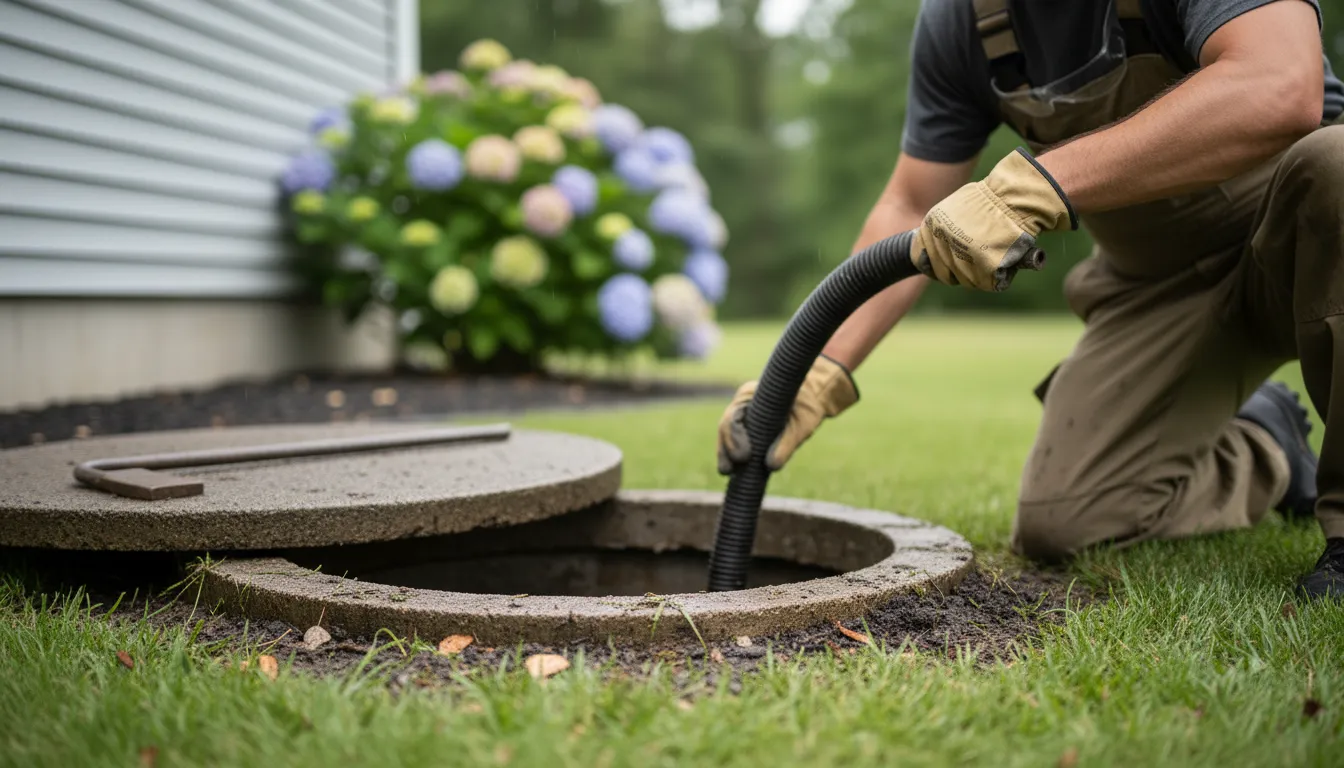
Find the Best Septic Tank Pumping Contractors for Your Business
No obligation • Fast responses • Nationwide coverage

Why you can trust Septic Spot
Septic Spot is a leading United States resource for understanding and comparing septic services. Our editors review providers using consistent criteria and verify key business details. Listings and scores are independent, and companies cannot pay to influence our content.
Search providers near you
Top Septic Tank Pumping Contractors in Winston Salem, North Carolina Ranked
Maintaining a healthy septic system is a critical responsibility for homeowners in Winston-Salem and Forsyth County. Regular septic tank pumping is the cornerstone of this maintenance, preventing system failures, protecting groundwater from contamination, and avoiding costly emergency repairs. This guide provides essential information on schedules, costs, and best practices to help you find and evaluate local professionals for your septic service needs.
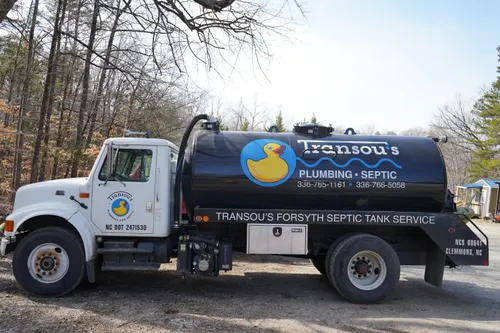
Transou's Plumbing & Septic | Emergency Plumber Winston-Salem, NC | Tankless Water Heater Repair | Septic Tank | Sewer Repair
101 E Devonshire St, Winston-Salem, NC 27127
Transou's Plumbing & Septic is a well-established plumbing and septic service provider located in Winston-Salem, NC. Serving the North Carolina Triad area, the company offers a range of services including septic tank pumping, septic system repair, emergency plumbing, leak detection, and tankless water heater repair. With over 70 years of experience, Transou's has grown into one of the largest plumbing and septic businesses in the region, known for its comprehensive expertise and family-oriented approach. The company also provides emergency plumbing services to address urgent issues promptly.
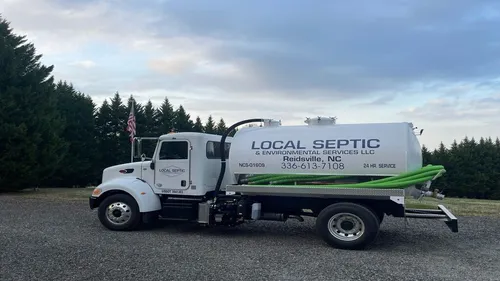
Local Septic & Environmental Services LLC
Winston Salem, NC
Local Septic & Environmental Services LLC is a family-owned septic company serving Winston Salem, NC, and surrounding counties. They provide a full range of septic services including tank pumping, inspections, repairs, new system installations, and drain field replacements. The company uses advanced inspection tools and modern excavation equipment to diagnose and address septic issues accurately. With decades of experience, Local Septic offers emergency services to handle urgent septic problems beyond regular business hours.
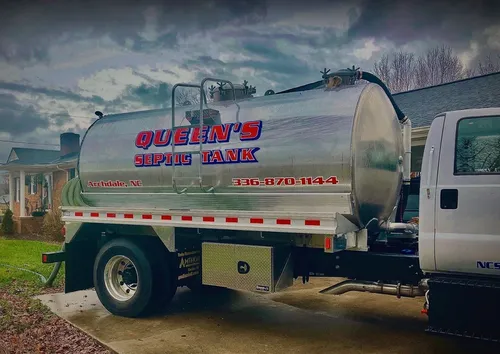
Queen's Septic Tank Service
Greensboro, NC
Queen's Septic Tank Service is a family-owned business serving Greensboro, NC, and surrounding counties including Guilford, Randolph, Davidson, and Forsyth. Since 1986, they have provided residential and commercial septic services such as septic tank installation, pumping, inspections, repairs, grease trap pumping, and backhoe and light grading services. As a certified Level IV Wastewater System Installer, they offer skilled and knowledgeable septic system solutions. The company also provides after-hours emergency service for urgent septic issues outside normal business hours.
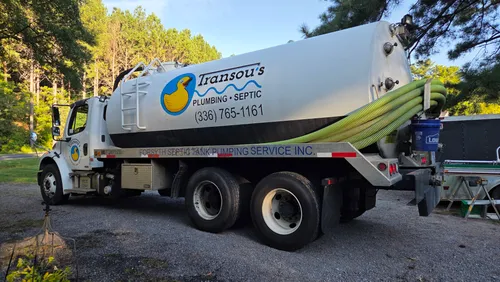
Transou's Septic Tank Service & Rent-A-Jon
1407 Chestnut Dr B, High Point, NC 27262
Transou's Septic Tank Service & Rent-A-Jon provides septic system services in Greensboro, NC, and the surrounding Triad area. The company offers septic tank pumping, inspection, repair, and installation, along with Port-a-Jon rentals for events and construction sites. Established in 1952, Transou's has over 70 years of experience handling septic emergencies, routine maintenance, and new system installations. They emphasize compliance with regulations and thorough workmanship to maintain system efficiency and prevent costly issues.
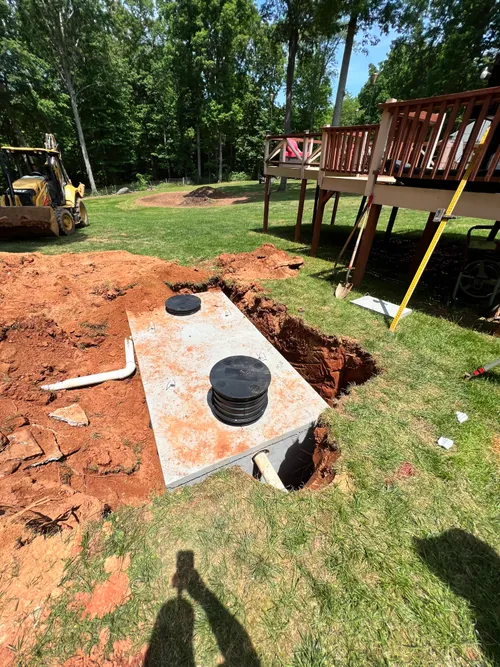
Broyhill Environmental
Winston Salem, NC
Broyhill Environmental is a septic service provider located in Winston Salem, NC. They offer a range of services including septic tank pumping, inspections especially at the point of sale, repairs, installations, and routine maintenance for existing and advanced septic systems. The company is certified in septic pumping, inspection, installation, and subsurface operations, ensuring comprehensive care for septic systems.
Why Regular Septic Maintenance is Essential in Forsyth County
Many homes in the Winston-Salem area rely on on-site wastewater systems rather than municipal sewer lines. A septic system is a self-contained, underground treatment plant, and the tank is its primary holding vessel. Over time, solid waste (sludge) accumulates at the bottom, and lighter materials (scum) form a layer on top. If these layers are not removed through periodic pumping, they can overflow into the drain field, causing clogs, sewage backups into your home, and contamination of the local environment. Proper upkeep is not just about convenience; it's a matter of public health and environmental stewardship in our community.
Recommended Pumping Frequency for Winston-Salem Homes
The universal question for septic system owners is: "How often should I pump my tank?" For most residential systems in Forsyth County, the standard recommendation is to schedule septic tank pumping every 3 to 5 years 1 2. This interval is a guideline from the North Carolina Division of Public Health and is widely endorsed by local health departments and service providers.
However, several factors can necessitate more frequent service, shortening that cycle to every 2 to 3 years:
- Household Size: A home with 5 or more residents generates more wastewater and solid waste.
- Tank Size: A smaller tank (e.g., 1,000 gallons) will fill faster than a larger one (e.g., 1,500 gallons).
- Garbage Disposal Use: Using a garbage disposal significantly increases the amount of solids entering the tank.
- High Water Usage: Frequent laundry loads, long showers, and hosting gatherings can strain the system.
- Age of the System: Older systems may be less efficient.
Ignoring these factors and the recommended schedule is the most common cause of system failure. Waiting for obvious signs of trouble is waiting too long 3.
Warning Signs Your Tank Needs Immediate Service
While you should pump on a schedule, not just when problems appear, be alert for these indicators that your tank is overfull and requires urgent attention:
- Slow Drains: Sinks, showers, and toilets that drain slowly, especially throughout the entire house.
- Unpleasant Odors: Foul smells emanating from drains or from the yard near the tank or drain field.
- Gurgling Sounds: Bubbling or gurgling noises coming from your plumbing.
- Sewage Backup: Wastewater backing up into household drains.
- Lush or Wet Spots: Unusually green, lush grass or soggy, wet areas in your yard above the drain field, especially if they smell.
If you notice any of these signs, contact a local septic pumping professional immediately to assess the situation 4 5.
What to Expect During a Professional Pumping Service
A thorough septic service involves more than just removing the contents of the tank. When you hire a qualified pumper in Winston-Salem, they should:
- Locate and Access the Tank: They will find and uncover the tank's access lids.
- Inspect the System: A visual check of the tank's inlet and outlet baffles and the overall structure for cracks or damage.
- Pump All Compartments: For modern two-compartment tanks, it is crucial that the contractor pumps out both chambers to remove all accumulated sludge and scum 6.
- Clean the Effluent Filter: If your system has one, the filter should be removed and cleaned. (Homeowners are often advised to clean this filter every 6-12 months between pumpings 7).
- Final Check: After pumping, the technician should ensure the system is flowing properly before securely replacing the lids.
A reputable provider will also provide you with a record of the service, including the volume pumped and any observations about your system's condition.
Find the perfect septic tank pumping contractors for your needs
Get personalized recommendations and expert advice
The Critical Role of Routine Septic Inspections
The U.S. Environmental Protection Agency (EPA) recommends having your entire septic system inspected by a professional every 1 to 3 years, which is more frequent than the pumping cycle 8. An inspection is a diagnostic check-up that can identify small issues before they become catastrophic failures.
A comprehensive septic inspection in Winston-Salem should include:
- Measuring the sludge and scum layers to determine if pumping is needed.
- Checking the tank's structural integrity for cracks or leaks.
- Inspecting the drain field for signs of surfacing sewage or saturation.
- Examining all mechanical components, including pumps, alarms, and distribution boxes.
- Assessing the condition of baffles and tees.
Pre-Sale Inspections are particularly important. While not always mandated by Forsyth County for every real estate transaction, a professional "point of sale" inspection is highly recommended for both buyers and sellers. It provides a clear assessment of the system's condition, protecting your investment and preventing unexpected repair costs after moving in.
Understanding Septic Service Costs in the Winston-Salem Area
Costs for septic services can vary based on tank size, accessibility, and the scope of work. The following are general price ranges based on local data:
- Standard Septic Pumping: For a routine pumping of a single residential tank, you can expect an average cost of approximately $450. The total often ranges from $250 to over $600, depending primarily on tank capacity (1,000 vs. 1,500 gallons) and how easy it is for trucks to access the site 9 10.
- Professional Inspection: A certified, detailed inspection typically costs an additional $300 to $600 if performed separately. It is common to bundle an inspection with a pumping service 11 12.
- Filter Cleaning: Cleaning the tank's effluent filter as part of a service visit may add $100 to $200 to the bill 13.
It's important to note that costs for major repairs, drain field rehabilitation, or new system installation are significantly higher and require permits from the Forsyth County Environmental Health Department 14 15. Always get detailed, written estimates from licensed and insured local providers.
Best Practices for Septic System Owners
Protecting your system is an ongoing effort. Follow these guidelines to extend its lifespan and ensure proper function:
- Keep Detailed Records: Maintain a log of all maintenance, including pumping dates, inspection reports, contractor information, and a diagram of your system's location. This is invaluable for troubleshooting and during property sales 16.
- Practice Water Conservation: Spread out laundry loads, fix leaky faucets, and install water-efficient fixtures to avoid overwhelming the drain field.
- Mind What You Flush: Only human waste and toilet paper should go down the drain. Never flush wipes (even "flushable" ones), feminine hygiene products, dental floss, grease, or chemicals.
- Protect the Drain Field: Never park vehicles or build structures (sheds, patios) over the tank or drain field. Avoid planting trees nearby, as roots can infiltrate and damage pipes 17.
- Use Permits for Work: Routine pumping does not require a permit, but any repair, alteration, or new construction on your septic system does require approval from the Forsyth County Environmental Health Department.
Frequently asked questions
Sources
Footnotes
-
Regular Septic Tank Pumping Schedules: Protect Your Home - https://septic911.com/regular-septic-tank-pumping-schedules-protect-your-home/ ↩
-
NC Homeowners: Caring for Your Septic System - https://www.dph.ncdhhs.gov/programs/environmental-health/site-water-protection-branch/site-wastewater-program/nc-homeowners-caring-your-septic-system ↩
-
How Often to Pump a Septic Tank 2026 - Clear River Environmental - https://clearriverenvironmental.com/how-often-to-pump-a-septic-tank/ ↩
-
FAQs on Septic Pumping, Inspections & Rentals in Winston-Salem, NC - https://www.newlifesepticandjons.com/faq ↩
-
Septic System Owner's Guide - NC State Extension Publications - https://content.ces.ncsu.edu/septic-system-owners-guide ↩
-
2025 Septic Pumping & Septic System Facts for North Carolina - https://www.clearwatersepticandpumping.com/septic-tips/2025-septic-pumping-facts-charlotte-nc ↩
-
Septic Tank Inspection | Pumping | Winston-Salem, NC - https://www.plumbwithfamily.com/septic/inspection/ ↩
-
Why Maintain Your Septic System | US EPA - https://www.epa.gov/septic/why-maintain-your-septic-system ↩
-
How Much Does It Cost to Pump a Septic Tank in Raleigh, NC? | Angi - https://www.angi.com/articles/how-much-does-septic-tank-pumping-cost/nc/raleigh ↩
-
3 Ways to Save Money on Your Next Septic Pumping | John Kline - https://www.johnklineseptic.com/3-ways-to-save-money-on-your-next-septic-pumping ↩
-
How Often Should I Pump My Septic Tank? - https://mseptic.com/how-often-should-i-pump ↩
-
Pre-Purchase Septic Inspections: Protect Your Investment - https://septic911.com/prepurchase-septic-inspections/ ↩
-
Large Capacity Commercial Septic Systems: Winston-Salem Guide - https://septic911.com/large-capacity-commercial-septic-systems-winston-salem-guide/ ↩
-
Environmental Health - Forsyth County, North Carolina - https://www.co.forsyth.nc.us/publichealth/environmentalhealth/septic_faqs.aspx ↩
-
Septic Cleaning Services | Hendersonville, NC - https://www.carolinasepticsolutions.com/ ↩
-
Septic System Owner's Guide - Forsyth County, North Carolina - https://forsyth.cc/publichealth/assets/documents/septic_guide.pdf ↩
-
Understanding and Protecting Your Septic System - https://ehs.dph.ncdhhs.gov/oswp/docs/Understanding-protecting-septic-systems-FACTSHEET.pdf ↩