Find the Best Septic Tank Pumping Contractors for Your Business
No obligation • Fast responses • Nationwide coverage

Why you can trust Septic Spot
Septic Spot is a leading United States resource for understanding and comparing septic services. Our editors review providers using consistent criteria and verify key business details. Listings and scores are independent, and companies cannot pay to influence our content.
Search providers near you
Top Septic Tank Pumping Contractors in Greensboro, North Carolina Ranked
Maintaining your septic system is a crucial responsibility for any homeowner not connected to a municipal sewer line. Regular septic tank pumping is the most important preventative maintenance you can perform to avoid messy, costly, and environmentally hazardous system failures. This guide explains the specifics of septic service in Greensboro, including recommended pumping schedules, local costs, and how to find qualified professionals to keep your system functioning smoothly for years to come.
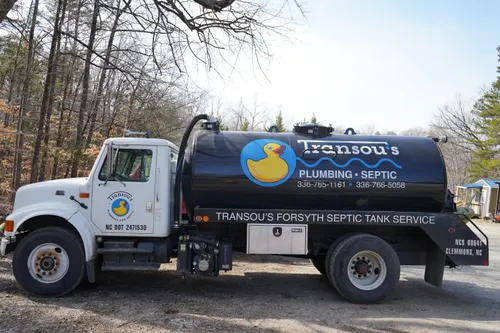
Transou's Plumbing & Septic | Emergency Plumber Winston-Salem, NC | Tankless Water Heater Repair | Septic Tank | Sewer Repair
101 E Devonshire St, Winston-Salem, NC 27127
Transou's Plumbing & Septic is a well-established plumbing and septic service provider located in Winston-Salem, NC. Serving the North Carolina Triad area, the company offers a range of services including septic tank pumping, septic system repair, emergency plumbing, leak detection, and tankless water heater repair. With over 70 years of experience, Transou's has grown into one of the largest plumbing and septic businesses in the region, known for its comprehensive expertise and family-oriented approach. The company also provides emergency plumbing services to address urgent issues promptly.
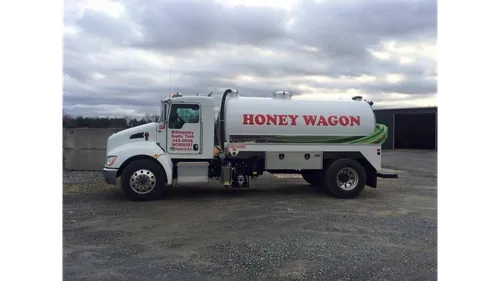
Billingsley & Brooks Septic Tank Co
149 Penn Rd, Reidsville, NC 27320
Billingsley & Brooks Septic Tank Co is a family-owned and veteran-operated business serving Greensboro, NC, with over three generations of experience in septic system services. They provide a full range of septic solutions including pumping, inspection, maintenance, locating, repair, and installation for both residential and commercial properties. Their team uses advanced tools and quality materials to ensure septic systems operate efficiently and reliably. The company emphasizes a customer-focused approach and offers specialized services such as septic tank locating and comprehensive inspections to help prevent major issues.
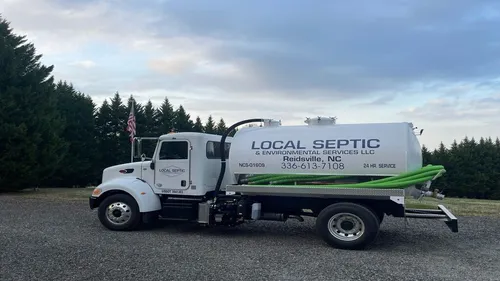
Local Septic & Environmental Services LLC
Winston Salem, NC
Local Septic & Environmental Services LLC is a family-owned septic company serving Winston Salem, NC, and surrounding counties. They provide a full range of septic services including tank pumping, inspections, repairs, new system installations, and drain field replacements. The company uses advanced inspection tools and modern excavation equipment to diagnose and address septic issues accurately. With decades of experience, Local Septic offers emergency services to handle urgent septic problems beyond regular business hours.
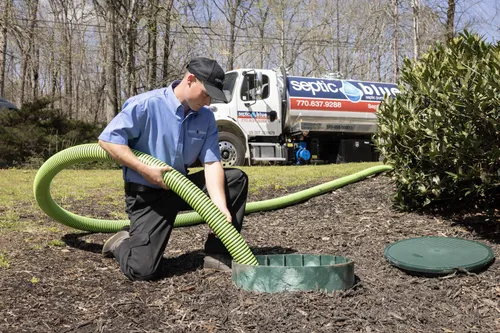
Septic Blue of Burlington
1803 N Jim Minor Rd, Haw River, NC 27258
Septic Blue of Burlington provides septic tank pumping, inspection, repair, and installation services in Greensboro, NC. They offer emergency septic pumping and routine maintenance to help prevent system failures and protect property and local ecosystems. Their services include thorough septic cleaning that removes sludge and buildup to maintain system efficiency. Septic Blue emphasizes eco-friendly practices and personalized maintenance schedules based on household size and water usage.
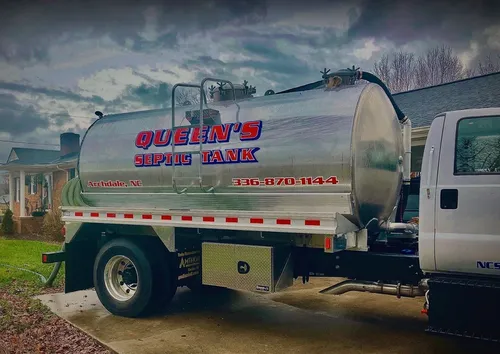
Queen's Septic Tank Service
Greensboro, NC
Queen's Septic Tank Service is a family-owned business serving Greensboro, NC, and surrounding counties including Guilford, Randolph, Davidson, and Forsyth. Since 1986, they have provided residential and commercial septic services such as septic tank installation, pumping, inspections, repairs, grease trap pumping, and backhoe and light grading services. As a certified Level IV Wastewater System Installer, they offer skilled and knowledgeable septic system solutions. The company also provides after-hours emergency service for urgent septic issues outside normal business hours.
Understanding Your Septic System
A septic system is an on-site wastewater treatment structure, typically consisting of a tank and a drainfield (or leach field). All the water from your home-from toilets, showers, sinks, and washing machines-flows into the underground septic tank. Here, solids settle to the bottom as sludge, fats and oils float to the top as scum, and the relatively clear liquid in the middle (effluent) exits the tank into the drainfield for further soil-based treatment.
The purpose of septic tank cleaning or pumping is to remove the accumulated sludge and scum before they overflow into the drainfield. If these layers become too thick, they can clog the outlet pipe or be carried into the drainfield, causing it to fail. A failed drainfield often requires a complete and expensive system replacement.
How Often Should You Pump Your Septic Tank in Greensboro?
The most common question homeowners have is about the frequency of septic system maintenance. While a general rule states most systems need pumping every 3 to 5 years, the exact schedule for your Greensboro home depends on several key factors.
Key Factors Determining Pumping Frequency
- Household Size: More people generate more wastewater and solid waste.
- Tank Size: Larger tanks hold more volume and may not need service as often.
- Overall Wastewater Volume: The amount of water used daily directly impacts how quickly the tank fills.
- Solid Waste Input: Using a garbage disposal significantly increases the amount of solids entering the tank, necessitating more frequent pumping.
Recommended Pumping Schedule Based on Tank & Household Size
The following guidelines, supported by state and local resources, can help you estimate a schedule 1 2 3:
- 1-2 people / 750-1,000 gallon tank: Pump every 4-6 years.
- 3-4 people / 1,000-1,500 gallon tank: Pump every 3-5 years. This is a very common household and tank size combination in the area.
- 5-6 people / 1,250-1,500 gallon tank: Pump every 2-3 years.
- 7+ people / 1,500-2,000+ gallon tank: Pump every 1-2 years.
Find the perfect septic tank pumping contractors for your needs
Get personalized recommendations and expert advice
The Importance of Regular Septic Inspections
In addition to pumping, regular inspections are vital. North Carolina recommends having your system inspected every 1 to 2 years 4 5. A professional inspection typically involves locating and opening the tank access lids to measure the sludge and scum layers. This is the most accurate way to determine if pumping is needed, rather than relying solely on a calendar.
The inspector will also check other critical components, such as the effluent filter (if your tank has one), which should be cleaned during the pumping service. For homes with more complex alternative on-site wastewater systems (like aerobic treatment units or sand filters), inspection requirements are stricter. Type III systems may need inspection every 5 years, while advanced Type IV-VI systems often require professional oversight every 1 to 3 years 6.
What to Expect: The Septic Pumping Process
When you hire a professional for septic tank servicing, here's what a standard visit entails:
- Locating & Accessing the Tank: The technician will locate the tank using probes or your system's records. Having installed risers (vertical pipes that bring the access lids to just below ground level) can make this process faster and cheaper.
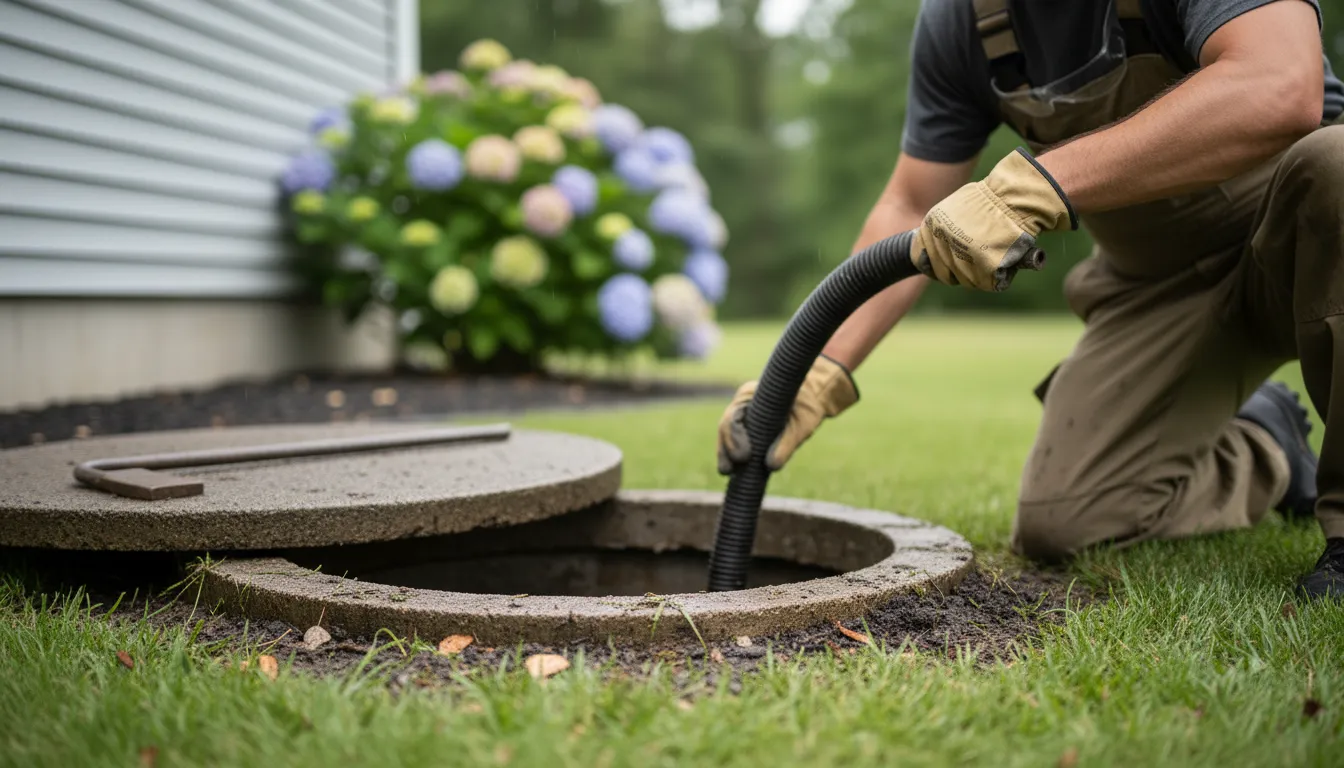
- Pumping: A large truck with a vacuum hose will pump out all the contents of the tank-sludge, scum, and liquid. A reputable service will pump from both the main and outlet compartments if it's a two-compartment tank.
- Inspection: While the tank is empty, the technician can inspect the tank's interior for cracks, the baffles for damage, and the outlet filter for clogging.
- Disposal: The waste is transported to a licensed treatment facility for processing.
Cost of Septic Pumping in Greensboro
The average cost for septic tank emptying in Greensboro ranges from $337 to $441 per service. However, the final price can vary based on:
- Tank Size: Pumping a standard 1,000-gallon tank is on the lower end of the range, while servicing a tank over 2,000 gallons can cost $700 or more.
- Accessibility: Tanks without risers that require digging, or tanks located far from where the pump truck can park (requiring long hose extensions), will increase the cost.
- Condition: Tanks that have been neglected for many years may have compacted sludge, requiring more time and effort to pump thoroughly.
While prices can range from $180 to $722 locally, it's important to view this service as a critical investment in protecting your property value and avoiding repair bills that can easily reach tens of thousands of dollars 7.
Maintaining Your System Between Pumpings
Proper day-to-day care extends the life of your system and stretches the time between necessary pumpings.
- Conserve Water: Fix leaks, install efficient fixtures, and spread out laundry loads to avoid overwhelming the tank.
- Mind What You Flush: Only human waste and toilet paper should go down the toilet. Avoid flushing wipes (even "flushable" ones), feminine hygiene products, dental floss, cooking grease, and chemicals.
- Protect the Drainfield: Never park or drive over the drainfield. Keep roof drains, sump pumps, and other surface water away from the area. Plant only grass over the drainfield; tree and shrub roots can cause severe damage.
Finding Your System Information and Local Resources
As a Greensboro homeowner, your local regulatory authority is the Guilford County Department of Health and Human Services, Division of Public Health - Environmental Health Section. They oversee on-site wastewater permits and regulations.
It is highly recommended that you locate your original septic system permit and soil evaluation report. These documents, usually filed with the county health department, contain essential information like your tank's exact size, location, and design, which is invaluable for maintenance and repairs 8 9.
Frequently asked questions
Sources
Footnotes
-
Greensboro Septic System Compliance: Avoid Fines - https://septic911.com/greensboro-septic-system-compliance/ ↩
-
NC Homeowners: Caring for Your Septic System - https://www.dph.ncdhhs.gov/programs/environmental-health/site-water-protection-branch/site-wastewater-program/nc-homeowners-caring-your-septic-system ↩
-
How Often to Pump Septic Tank: 2026 Maintenance Guide - https://dandhsepticservices.com/how-often-to-pump-septic-tank/ ↩
-
Septic Tanks - Preventative Routine Maintenance - https://des.sc.gov/permits-regulations/septic-tanks/homeowner-resources/septic-tanks-preventative-routine-maintenance ↩
-
Septic System Owner's Guide - NC State Extension Publications - https://content.ces.ncsu.edu/septic-system-owners-guide ↩
-
How Often Should You Pump Your Septic Tank | Pumping Frequency - https://seaboundseptic.com/septic-services/how-often-should-you-pump-your-septic-tank/ ↩
-
Septic Pumping in Greensboro, NC - Costs 03 / 2026 - Homeyou - https://www.homeyou.com/nc/septic-pumping-greensboro-costs ↩
-
On-site Wastewater | Guilford County - https://www.guilfordcountync.gov/government/departments-and-agencies/department-health-and-human-services/division-public-health/environmental-health/site-wastewater ↩
-
Your Septic System Explained - https://cms5.revize.com/revize/guilfordct/Document_Center/Department/Health%20Department/Septic-System-Brochure-for-Web-Site.pdf ↩