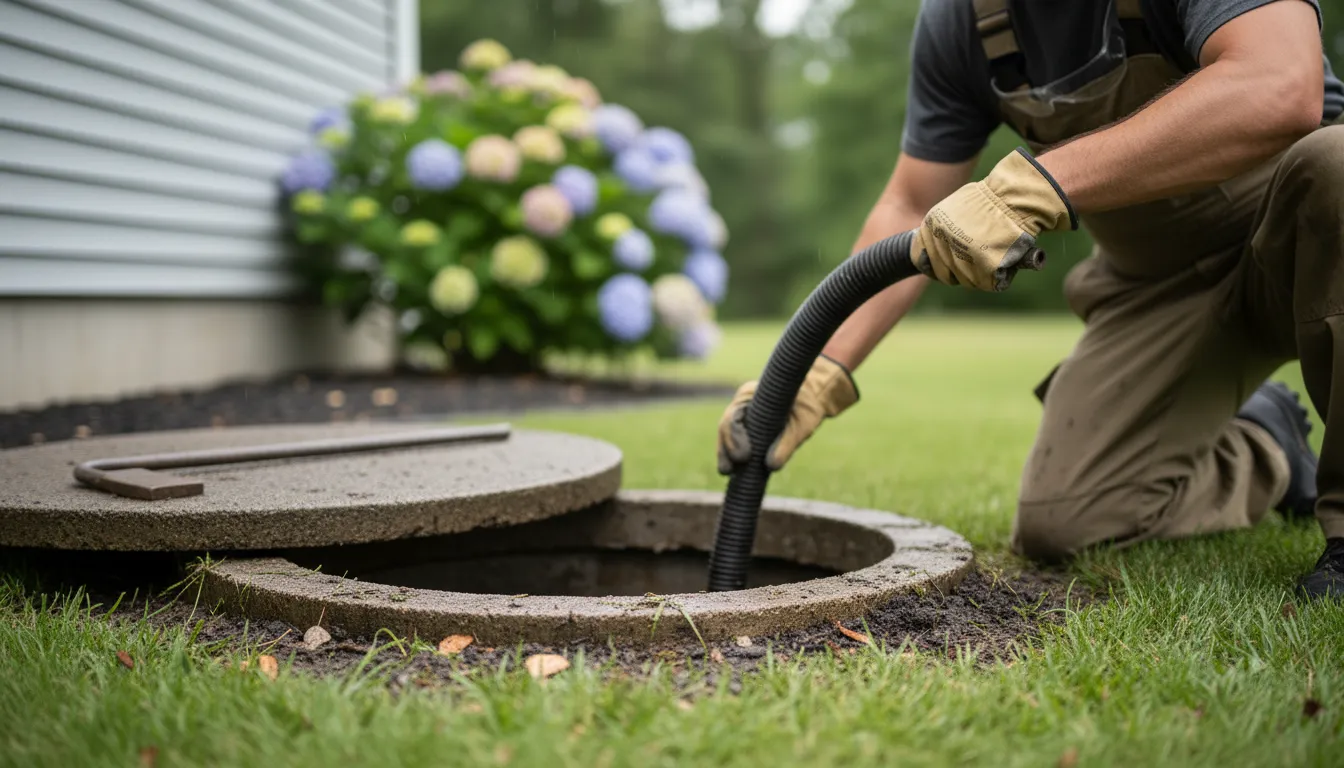
Find the Best Septic Tank Pumping Contractors for Your Business
No obligation • Fast responses • Nationwide coverage

Why you can trust Septic Spot
Septic Spot is a leading United States resource for understanding and comparing septic services. Our editors review providers using consistent criteria and verify key business details. Listings and scores are independent, and companies cannot pay to influence our content.
Search providers near you
Top Septic Tank Pumping Contractors in Fayetteville, North Carolina Ranked
Maintaining your septic system is a critical responsibility for any homeowner not connected to a municipal sewer line. Regular septic tank pumping is the cornerstone of this maintenance, preventing costly and unpleasant system failures. This guide provides essential information on septic system service in Fayetteville, including recommended schedules, local costs, and best practices to help you find qualified local professionals for your maintenance needs.
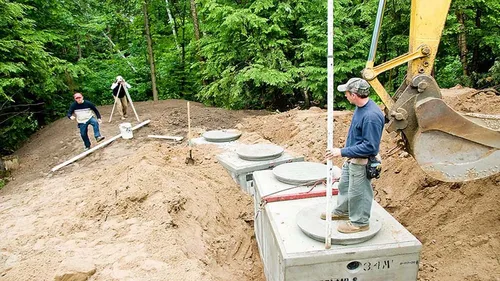
Belton Septic Tank Service
898 Camden Rd, Raeford, NC 28376
Belton Septic Tank Service is a septic tank specialist serving Fayetteville, NC, and surrounding communities including Raeford, Hope Mills, Lumberton, and more. They provide a range of services such as septic tank pumping, inspections, repairs, and new installations. With over 50 years of experience since 1964, they handle both residential and commercial septic systems. Their expertise includes emergency septic services and thorough system maintenance to ensure proper wastewater treatment and disposal.
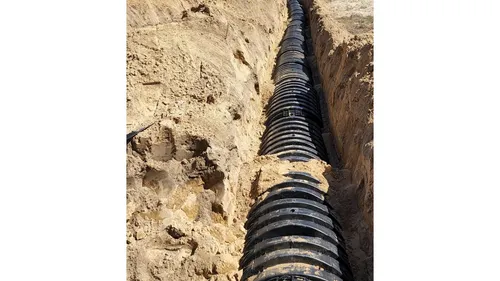
J & L Septic Tank Services LLC
3142 Chason Rd, Parkton, NC 28371
J & L Septic Tank Services LLC is a family-owned and operated company based near Fayetteville, NC, specializing in residential and commercial septic tank installation, pumping, and maintenance. With over 30 years of experience, they serve Fayetteville and surrounding counties, providing licensed and state-certified septic system services. Their team is trained to handle routine septic care as well as emergency septic situations, offering prompt assistance when needed.
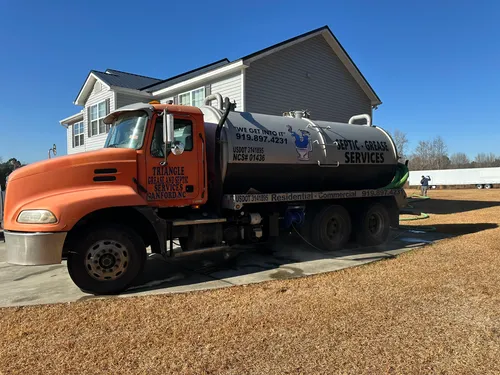
The Septic And Grease Company LLC
3570 Hillmon Grove Rd, Cameron, NC 28326
The Septic And Grease Company LLC provides septic tank pumping, septic system inspections, grease trap cleaning, and septic system repairs in Fayetteville, NC. With over 20 years of experience, the company uses state-of-the-art equipment to maintain and repair septic and grease systems for homes and businesses. Their services focus on improving system functionality and environmental sustainability.
Al's Septic Tank Cleaning
2460 Sand Hill Rd, Fayetteville, NC 28306
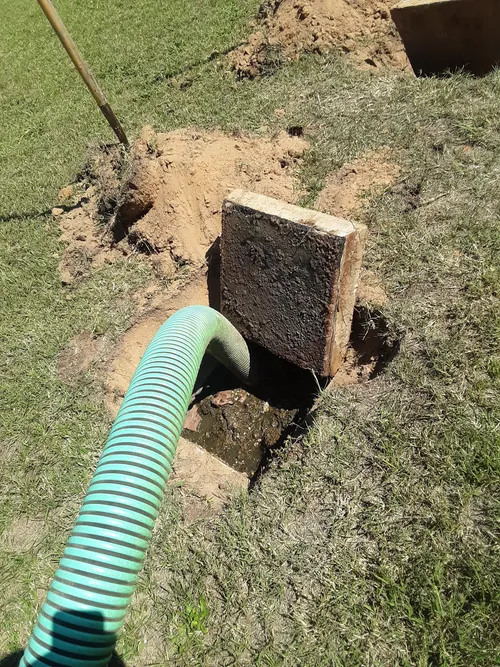
Al's Septic Tank Cleaning is a septic tank pumping and installation company based in Fayetteville, NC. With over 30 years of industry experience, they provide regular maintenance and professional septic tank replacements for homes and businesses. The company offers 24-hour availability for both routine service and emergency septic system issues, ensuring prompt attention whenever problems arise.
D C Carter Septic Tank Services
Fayetteville, NC
D C Carter Septic Tank Services provides septic tank pumping, inspection, and repair services in Fayetteville, NC. The company is known for addressing septic system issues promptly and educating customers on system maintenance. They offer thorough septic tank cleaning and repairs, including handling emergency clogs and system troubleshooting. With over 33 years of experience, D C Carter Septic Tank Services has built a reputation for knowledgeable and efficient service, including after-hours availability for urgent needs.
Why Septic System Maintenance is Non-Negotiable
A septic system is a self-contained wastewater treatment plant on your property. When functioning correctly, it safely processes household water from toilets, showers, sinks, and appliances. The tank itself separates solids from liquids; solids settle as sludge at the bottom, while fats and oils float as scum on top. The clarified liquid then flows out to the drainfield for further filtration into the soil. If the tank is not pumped regularly, excess sludge and scum can overflow into the drainfield, clogging the soil and causing sewage to back up into your home or pool on your lawn. This creates a serious health hazard and can lead to repair bills in the thousands of dollars. Proactive maintenance, starting with timely pumping, is your best defense.
Recommended Pumping Frequency for Fayetteville Homes
The most common guideline is to have your septic tank pumped every 3 to 5 years. This is the standard recommendation from both the U.S. Environmental Protection Agency and the North Carolina Division of Public Health for most households. However, this is not a one-size-fits-all schedule. The right interval for your home depends on several key factors:
- Household Size and Water Usage: More people generally means more wastewater. A large household (5+ people) may need to schedule septic cleaning every 1 to 3 years1 2. Conversely, a small household of 1-2 people might extend the interval to 5-8 years, provided the tank is adequately sized 1.
- Septic Tank Size: The capacity of your tank is a major factor. A larger tank holds more volume and will require less frequent pumping than a smaller tank serving the same number of people.
- Overall Water Consumption: High-efficiency fixtures can reduce water flow, while habits like long showers, frequent laundry loads, or using a garbage disposal increase the solids and water entering the system, necessitating more frequent service.
The only way to know for sure is through regular inspections, which can measure the levels of sludge and scum in your tank.
The Critical Role of Regular Inspections
Scheduling a professional inspection every 1 to 3 years is just as important as the pumping itself3. An inspection involves opening the tank's access ports to measure the accumulation of sludge and scum. This assessment takes the guesswork out of maintenance and can catch minor issues before they become major failures. Inspections often check:
- Sludge and scum layer depths.
- The integrity of the tank (for cracks or leaks).
- The condition of baffles and tees.
- The function of any pumps or alarms in the system.
In Fayetteville, many companies offer inspection services alongside pumping. If an inspection is performed separately from a routine pump-out, fees typically range from $200 to $350 or more4.
Find the perfect septic tank pumping contractors for your needs
Get personalized recommendations and expert advice
Understanding Septic Service Costs in Fayetteville
The cost for septic tank pumping in Fayetteville is relatively consistent with regional averages. Based on local data, homeowners can expect:
- Average Cost: Approximately $380
- Typical Range: $280 to $520
- Full Range: Services can cost as low as $190 for a simple, accessible pump-out to as high as $890 for complex situations5.
The final price depends on several variables:
- Tank Size and Accessibility: Larger tanks (e.g., 1,500 gallons) cost more to pump than standard 1,000-gallon tanks. Tanks that are buried deep, under landscaping, or difficult for trucks to reach may incur additional charges.
- Condition of the Tank: If the tank lids are buried and need to be located, or if the tank requires extra time to break up hardened sludge, the labor cost will increase.
- Additional Services: Many homeowners bundle pumping with a full system inspection, which adds to the total cost but provides greater value and peace of mind.
Always request a detailed, written estimate before work begins.
Local Regulations and Locating Your System
In Cumberland County, which includes Fayetteville, the local Environmental Health Department is responsible for regulating septic systems. They maintain records of system permits, which often include "as-built" diagrams showing the tank and drainfield location. If you don't know where your system components are, contacting this department is an excellent first step. When you hire a professional, they will often help locate and "poke" for the tank lids. It's crucial that service includes pumping both compartments of a two-compartment tank and any associated pump tanks to ensure a thorough job6 7.
Essential Maintenance Tips Beyond Pumping
Pumping is the most vital task, but other habits protect your investment:
- Conserve Water: Fix leaky faucets and toilets, and spread out laundry loads to avoid overwhelming the system.
- Mind What You Flush: Only human waste and toilet paper should go down the drain. Avoid flushing wipes (even "flushable" ones), feminine hygiene products, dental floss, cooking grease, and chemicals.
- Use Garbage Disposals Sparingly: Disposals significantly increase the amount of solids entering your tank. If you use one frequently, you will need to pump more often8 9.
- Protect Your Drainfield: Never park or drive vehicles over the drainfield. Keep roof drains, sump pumps, and other surface water away from the area. Plant only grass over the drainfield; tree and shrub roots can cause severe damage.
Signs Your Septic Tank Needs Immediate Attention
Don't wait for a full-blown disaster. Contact a septic professional if you notice:
- Slow drains or gurgling pipes throughout the house.
- Sewage odors around the yard or home.
- Unusually lush, green grass over the drainfield.
- Standing water or soggy soil in the drainfield area.
- Sewage backing up into household drains.
Frequently asked questions
Sources
Footnotes
-
2025 Septic Pumping & Septic System Facts for North Carolina - https://www.clearwatersepticandpumping.com/septic-tips/2025-septic-pumping-facts-charlotte-nc ↩ ↩2
-
How Often to Pump a Septic Tank 2026 - Clear River Environmental - https://clearriverenvironmental.com/how-often-to-pump-a-septic-tank/ ↩
-
Why Maintain Your Septic System | US EPA - https://www.epa.gov/septic/why-maintain-your-septic-system ↩
-
How Often Should I Pump My Septic Tank? - https://mseptic.com/how-often-should-i-pump ↩
-
Septic Pumping in Fayetteville, NC - Costs 03 / 2026 - Homeyou - https://www.homeyou.com/nc/septic-pumping-fayetteville-costs ↩
-
How Often to Pump Septic Tank: 2026 Maintenance Guide - https://dandhsepticservices.com/how-often-to-pump-septic-tank/ ↩
-
Septic System Owner's Guide - NC State Extension Publications - https://content.ces.ncsu.edu/septic-system-owners-guide ↩
-
NC Homeowners: Caring for Your Septic System - https://www.dph.ncdhhs.gov/programs/environmental-health/site-water-protection-branch/site-wastewater-program/nc-homeowners-caring-your-septic-system ↩
-
How Often to Pump Septic Tank NC: Schedule Guide - https://septicandwell.com/articles/how-often-pump-septic-tank-nc ↩