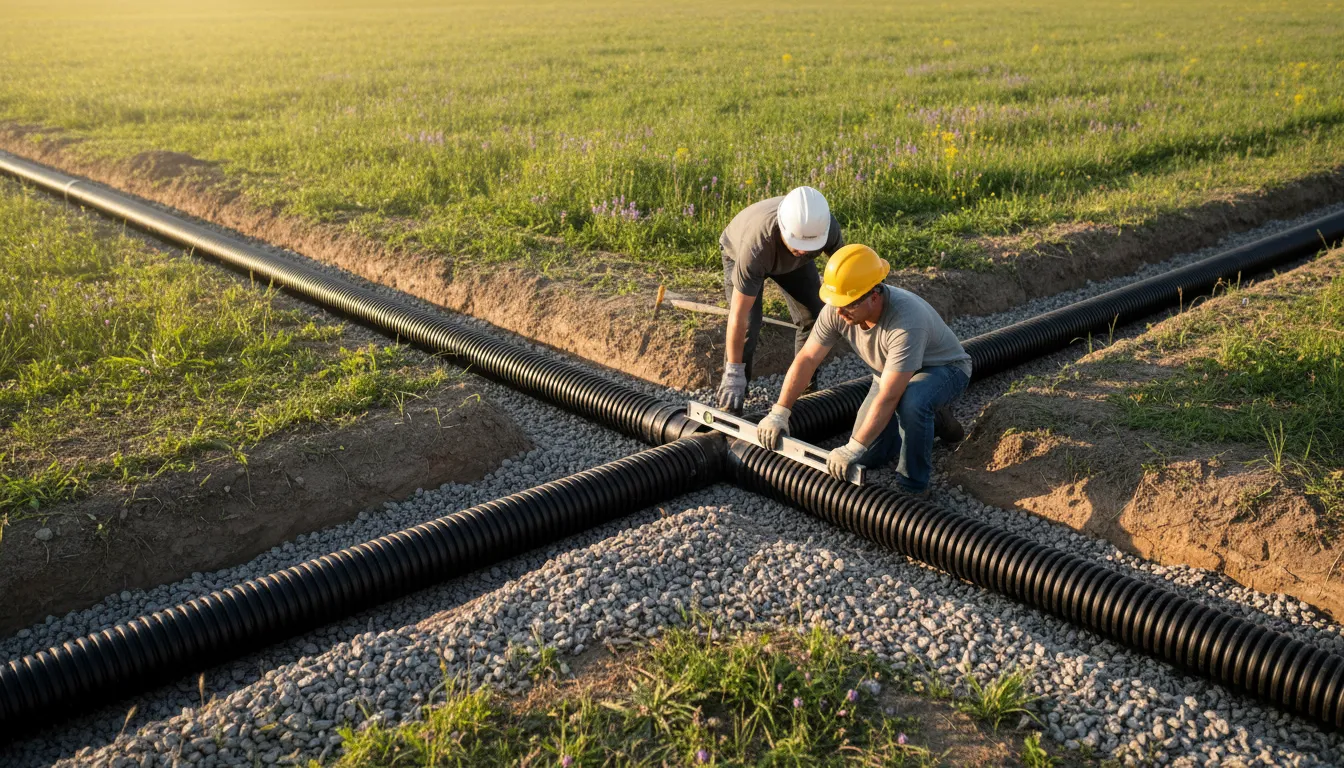
Find the Best Drain Field Repair Companies for Your Business
No obligation • Fast responses • Nationwide coverage

Why you can trust Septic Spot
Septic Spot is a leading United States resource for understanding and comparing septic services. Our editors review providers using consistent criteria and verify key business details. Listings and scores are independent, and companies cannot pay to influence our content.
Search providers near you
Top Drain Field Repair Companies in Apopka, Florida Ranked
A failing septic drain field, also known as a leach field or absorption field, is a serious issue for any Apopka homeowner. This critical component of your onsite sewage treatment system is responsible for safely filtering and dispersing treated wastewater into the soil. When it malfunctions, it can lead to soggy yards, unpleasant odors, and environmental contamination. Understanding the local regulations, costs, and process for drain field restoration is essential for protecting your property and complying with Florida law. This guide provides the information you need to identify problems, navigate the permitting process, and connect with qualified local professionals for your repair or replacement project.
Orlando Septic Services
Orlando, FL
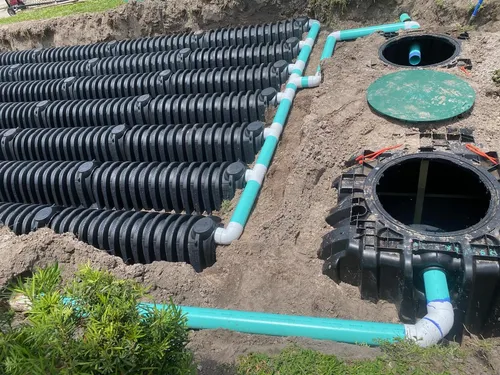
Orlando Septic Services provides septic system installation, repair, and maintenance in Orlando, FL. They handle septic tank pumping, drain field repair, and commercial and residential system installations. Their capabilities include lift station repair, main line jetting, and pump replacements, covering a wide range of septic system needs.
Always There Septic
Orlando, FL
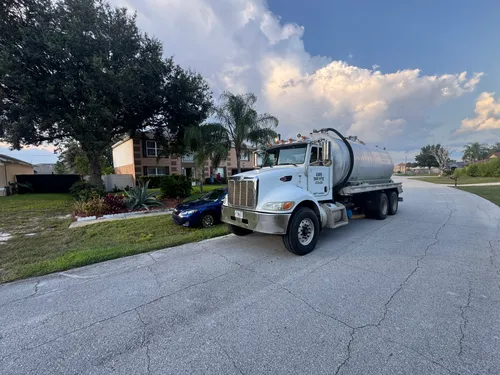
Always There Septic provides a full range of septic system services in Orlando, FL, including septic tank pumping, inspections, repairs, and installation for both residential and commercial properties. They handle drain field repair and replacement, septic pump repair, and commercial grease trap cleaning, ensuring systems meet Florida Code and operate properly. The company offers 24/7 emergency septic services and manages all permitting and inspections for new installations or replacements, aiming for a smooth process from start to finish.
Clear Flow Environmental
15232 E Colonial Dr, Orlando, FL 32826
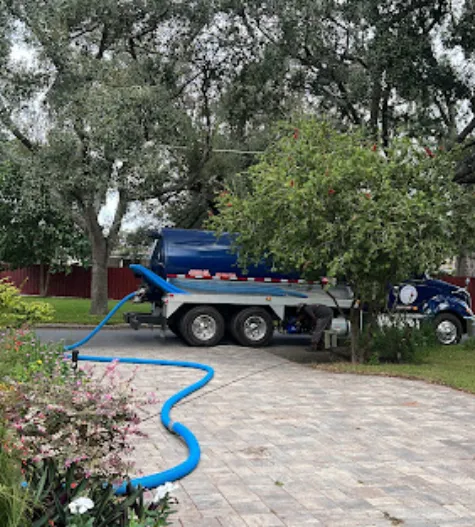
Clear Flow Environmental is a septic system service provider based in Orlando, FL. They offer a range of services including septic tank pumping, inspections, installations, and repairs, as well as drain field troubleshooting and replacement. The company also handles grease trap maintenance and outdoor plumbing issues. Clear Flow Environmental provides city sewer tie-in services to connect properties to municipal sewage systems where available. They utilize bioForce Plus bacterial waste degrader to maintain drainlines and grease traps effectively.
Drainage Solutions Inc
1908 N Forsyth Rd, Orlando, FL 32807
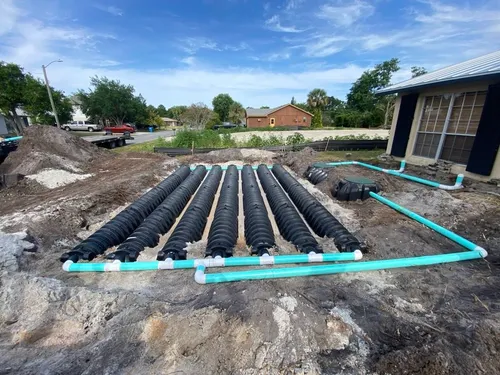
Drainage Solutions Inc is a drain field repair and replacement contractor based in Orlando, FL. They provide services related to drain field evaluation, repair, and replacement, working efficiently with existing permits and coordinating with county inspectors to complete projects promptly. The company is noted for its inclusive approach and responsiveness in scheduling and project execution.
Above All Environmental Inc
Orlando, FL
Above All Environmental Inc is a septic tank pumping and repair company serving the Orlando, FL area. They provide septic system maintenance, grease trap pumping, drain field repair, and pump replacement services. With over 15 years of professional experience, their licensed and insured team handles a variety of septic and drainage needs. The company offers complete septic tank pump-out services and emergency septic tank repairs.
Understanding Your Septic Drain Field in Apopka
The drain field is the final stage of your septic system. After solids settle in the septic tank, the liquid effluent flows into a network of perforated pipes buried in trenches filled with gravel. This effluent slowly percolates through the soil, where natural processes remove harmful bacteria, viruses, and nutrients. A properly functioning drain field is invisible and odorless. However, several factors common in Central Florida can lead to premature failure. These include soil compaction, root intrusion, hydraulic overloading from excessive water use, and the natural aging of the system, which typically lasts 20-30 years.
In Apopka, the local environment plays a significant role. The area's high seasonal water table and specific soil types are heavily regulated. Florida law requires a minimum of 24 inches of unsaturated soil between the bottom of the drain field and the seasonal high water table 1. If your property has "severely limited" soils or a high water table, a standard gravel trench system may not be suitable, and an alternative system (like a mound or aerobic treatment unit) may be required, which impacts both design and cost.
Signs Your Apopka Drain Field Needs Attention
Recognizing early warning signs can help you address issues before they become a full-blown emergency and a more expensive repair. Key indicators of a failing leach field include:
- Soggy Ground or Surfacing Effluent: The most common sign is persistently wet, mushy, or spongy soil over the drain field area, especially when it hasn't rained.
- Unusual Plant Growth: Patches of grass that are noticeably greener, lusher, or growing faster than the rest of your lawn can indicate a nutrient-rich wastewater leak.
- Sewage Odors: Foul smells emanating from the yard near the drain field or even backing up into the home are a clear red flag.
- Slow Drains and Gurgling: Plumbing fixtures that drain slowly or make gurgling sounds can signal a blockage or saturation in the absorption field.
- Backups: The most severe sign is sewage backing up into household drains, indicating a complete failure.
If you notice any of these symptoms, it's crucial to stop using excessive water and contact a licensed septic professional for an inspection immediately 2.
Florida and Apopka Regulations You Must Know
All drain field repair and replacement work in Apopka is strictly governed by state regulations under the Florida Department of Health (DOH). Ignoring these rules can result in fines, permit revocation, and an unusable system.
- Permit Requirement: A construction permit from the Florida DOH is mandatory for any repair, replacement, or modification to a septic system, including the drain field. You cannot legally begin any excavation or construction without this permit.
- Code Compliance: All work must adhere to Florida Administrative Code 64E-6, which details standards for onsite sewage treatment and disposal systems 3.
- Licensed Professionals: Only state-licensed septic contractors, master plumbers, or professional engineers can perform the repair or installation work. They are responsible for submitting the permit application and site plan on your behalf.
- Reserve Area: A critical Florida requirement is the 50% reserve area. This is a portion of your property, equal to at least half the size of the initial drain field, that must be set aside and kept undisturbed for future expansion or repairs. This area must have suitable soil and meet all setback requirements 4 5.
- Setbacks: Repairs and new fields must be located specific distances from property lines, wells, water bodies, and structures. For example, repairs must be at least 2 feet from non-potable water lines.
The Step-by-Step Process for Repair or Replacement
Navigating a drain field project involves a series of defined steps to ensure compliance and proper function.
- Professional Site Evaluation: A licensed contractor or engineer will assess your property. This involves a soil evaluation (often a percolation test) and determining the seasonal high water table level. This evaluation dictates the design and type of system your property can support.
- System Design & Permit Application: Based on the evaluation, a site plan is created. Your contractor will submit this plan, along with the permit application and fees, to the Florida DOH for review and approval 6.
- Construction: Once the permit is issued, the contractor can begin work. This involves excavating the old failed field (if necessary) and constructing the new trenches, distribution box, and piping according to the approved plan.
- Construction Inspection: Before the new drain field is covered with soil, a representative from the DOH or a designated authorized agent must inspect the installation to verify it matches the permitted design and meets all code requirements 7.
- Final Approval: Passing the construction inspection leads to final approval of the permit. You will then receive a record of the completed work, which is important for your property records.
Find the perfect drain field repair companies for your needs
Get personalized recommendations and expert advice
Cost Breakdown for Drain Field Work in Apopka
Costs can vary widely based on the extent of the damage, soil conditions, system type, and property accessibility. The figures below are estimates to help you budget.
- Minor Repairs: Fixing a clogged line, repairing a damaged distribution box, or other localized fixes typically range from $1,000 to $3,000.
- Partial Drain Field Replacement: Replacing a section or some of the lateral lines may cost between $3,000 and $7,000.
- Full Drain Field Replacement: A complete replacement of the entire absorption field is the most significant expense, generally starting around $8,000 and often ranging from $10,000 to $15,000 or more 8.
- Additional Required Costs:
- Permitting Fees: These can range from approximately $450 to $2,000, depending on the county and complexity of the project 9 10.
- Engineering & Site Evaluation: Soil tests, design work, and site plans by an engineer are separate costs that can add hundreds to thousands of dollars.
- Alternative Systems: If your property requires a mound, aerobic treatment unit (ATU), or other advanced system due to poor soil, costs can increase substantially.
Maintaining Your New or Repaired Drain Field
Protecting your investment is key. Proper maintenance can extend the life of your new leach field for decades.
- Regular Septic Tank Pumping: This is the single most important maintenance task. Pumping the tank every 3-5 years (as recommended) prevents solids from escaping and clogging the drain field pipes 11 12.
- Water Conservation: Spread out laundry loads, fix leaky faucets and toilets promptly, and use water-efficient fixtures. Sudden large volumes of water can flood and saturate the field.
- Protect the Area: Never drive or park vehicles, build structures, or plant trees and deep-rooted shrubs over the drain field or its reserve area. Keep roof drains and surface runoff directed away from it.
- Mind What You Flush: Only human waste and toilet paper should go down the drain. Avoid flushing chemicals, grease, wipes, feminine products, or medications, as they can harm the system's biology and clog components.
Frequently asked questions
Sources
Footnotes
-
Septic Inspections Made Easy: What Every Contractor Needs to ... - https://flengineeringllc.com/septic-inspections-guide-contractors-2025/ ↩
-
Drain Field Failing? Spring Checkup Guide for Apopka, FL - https://www.centrelservices.com/blog/2026/signs-your-drain-field-is-failing-a-spring-checkup-guide-for-apopka-homeowners.html ↩
-
Fla. Admin. Code Ann. R. 62-6.015 - Permitting and Construction of ... - https://www.law.cornell.edu/regulations/florida/Fla-Admin-Code-Ann-R-62-6-015 ↩
-
Florida Well and Septic System Placement Regulations for ... - https://flengineeringllc.com/florida-well-septic-placement-2025/ ↩
-
Septic Permits in Florida: Do You Need One? (2025 Guide) - Land Perc - https://landperc.com/do-i-need-a-permit-for-a-septic-system-in-florida/ ↩
-
Florida New Septic System Law: What Homeowners Need to Know - https://rooterone.com/florida-homeowners-new-septic-system-law/ ↩
-
Florida Septic Tank Requirements | Onsite Sewage Treatment and ... - https://www.ntotank.com/blog/florida-septic-tank-requirements ↩
-
Fixing Septic Drain Fields: What Florida Homeowners Should Know - https://mathisandsonsseptic.com/mathis-sons-septic-blog-orlando-fl/septic-drain-fields-what-florida-homeowners-should-know/ ↩
-
How Much Does it Cost to Upgrade a Septic System in Florida? - https://mathisandsonsseptic.com/mathis-sons-septic-blog-orlando-fl/a-florida-homeowners-guide-to-septic-system-maintenance-costs/ ↩
-
Cost to Replace Septic Tank and Drain Field [2026 Data] | Angi - https://www.angi.com/articles/how-much-new-drain-fields-foot.htm ↩
-
Drain Field Install in Apopka, FL | Affordable Septic & Plumbing - https://affordablesepticandplumbingflorida.com/signs-your-drain-field-needs-replacement ↩
-
Drain Field Rejuvenation: 3 Easy Fixes (2025) - https://www.vdwws.com/blog/drain-field-rejuvenation ↩