Find the Best Drain Field Repair Companies for Your Business
No obligation • Fast responses • Nationwide coverage

Why you can trust Septic Spot
Septic Spot is a leading United States resource for understanding and comparing septic services. Our editors review providers using consistent criteria and verify key business details. Listings and scores are independent, and companies cannot pay to influence our content.
Search providers near you
Top Drain Field Repair Companies in Clermont, Florida Ranked
A failing drain field is a serious issue for any home with a septic system, leading to soggy yards, foul odors, and potential environmental contamination. In Clermont, addressing problems with your leach field or absorption area is a regulated process that requires professional expertise and adherence to strict state and local guidelines. This guide explains the critical steps, costs, and regulations for drain field work in Clermont, helping you understand what to expect and how to find qualified local specialists to restore your system's function.
Orlando Septic Services
Orlando, FL
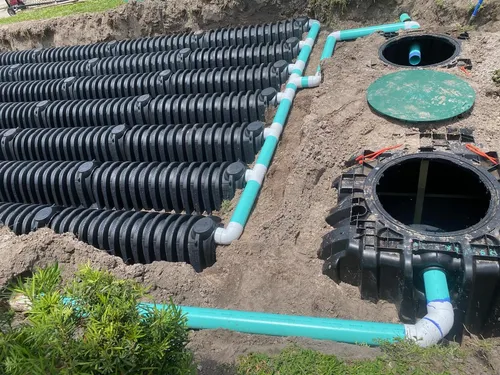
Orlando Septic Services provides septic system installation, repair, and maintenance in Orlando, FL. They handle septic tank pumping, drain field repair, and commercial and residential system installations. Their capabilities include lift station repair, main line jetting, and pump replacements, covering a wide range of septic system needs.
Always There Septic
Orlando, FL
Always There Septic provides a full range of septic system services in Orlando, FL, including septic tank pumping, inspections, repairs, and installation for both residential and commercial properties. They handle drain field repair and replacement, septic pump repair, and commercial grease trap cleaning, ensuring systems meet Florida Code and operate properly. The company offers 24/7 emergency septic services and manages all permitting and inspections for new installations or replacements, aiming for a smooth process from start to finish.
Drainage Solutions Inc
1908 N Forsyth Rd, Orlando, FL 32807
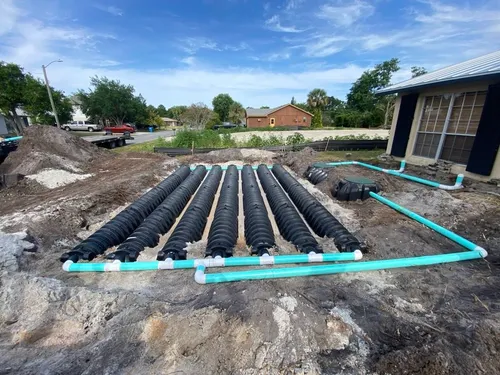
Drainage Solutions Inc is a drain field repair and replacement contractor based in Orlando, FL. They provide services related to drain field evaluation, repair, and replacement, working efficiently with existing permits and coordinating with county inspectors to complete projects promptly. The company is noted for its inclusive approach and responsiveness in scheduling and project execution.
Above All Environmental Inc
Orlando, FL
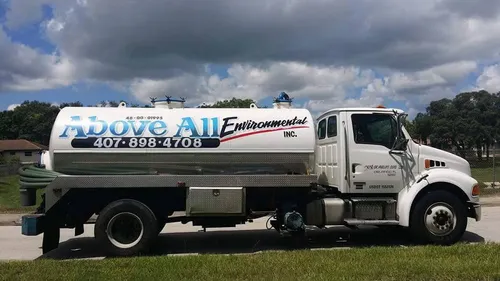
Above All Environmental Inc is a septic tank pumping and repair company serving the Orlando, FL area. They provide septic system maintenance, grease trap pumping, drain field repair, and pump replacement services. With over 15 years of professional experience, their licensed and insured team handles a variety of septic and drainage needs. The company offers complete septic tank pump-out services and emergency septic tank repairs.
Septic Squad
Orlando, FL
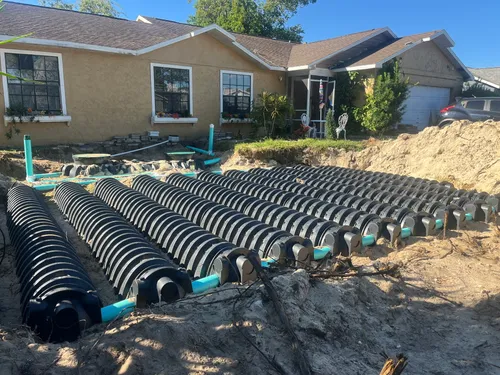
Septic Squad is a septic system repair and installation company serving homeowners in Orlando, FL. They specialize in residential septic system installation, drain field repairs, septic pump replacement, and clogged line clearing. The team understands local soil conditions and high water tables, providing solutions tailored to the area's unique septic system challenges. Septic Squad focuses on proper sizing, code-compliant installations, and reliable repairs to support long-term system performance. They offer after-hours emergency services to address urgent septic issues promptly.
Understanding Your Drain Field in Central Florida
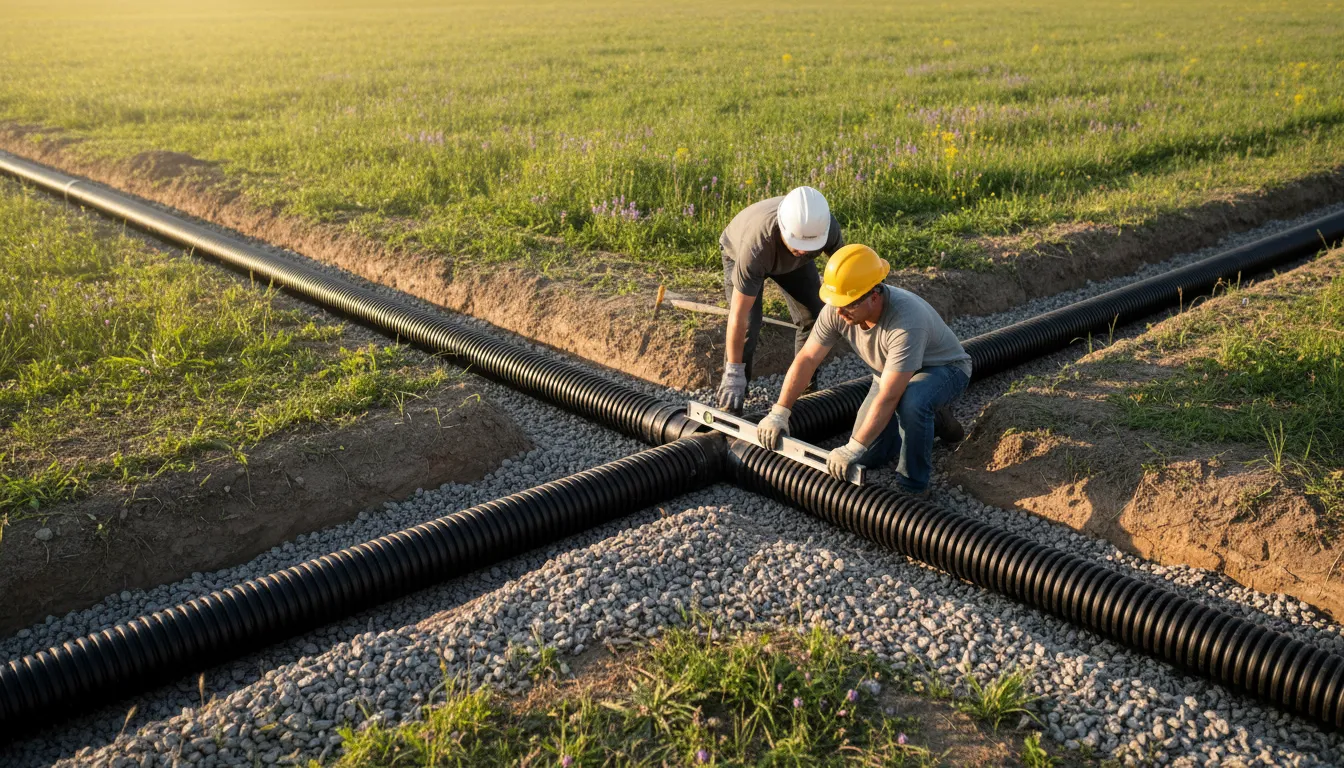
The drain field, also known as a leach field or soil absorption system, is the final and most crucial stage of your onsite sewage treatment. After solids settle in the septic tank, liquid effluent flows into a network of perforated pipes buried in trenches filled with gravel. This effluent slowly percolates through the soil, where natural processes provide final treatment before it rejoins the groundwater. In Clermont and across Lake County, the health of this component is paramount for protecting both your property and the region's sensitive aquifer system.
Common signs of a failing absorption area include:
- Persistently soggy or spongy ground over the field, even in dry weather.
- Sewage odors near the tank or drain field.
- Slow-draining household fixtures or toilets that back up.
- Unusually lush, green grass growing over the field.
- Standing water or surfacing sewage.
Why Drain Fields Fail in Clermont
The unique environmental conditions in Central Florida present specific challenges for septic systems. High failure rates are often linked to two primary factors regulated by the Florida Department of Environmental Protection (DEP).
High Water Tables: Clermont's proximity to the Floridan Aquifer and numerous lakes means the seasonal high water table is often very close to the surface. For a system to function legally, there must be a minimum 24-inch vertical separation between the bottom of the drain field trenches and the water table. When this separation is compromised-due to heavy rainfall, aging systems, or improper original installation-the field cannot absorb and treat effluent, leading to immediate failure.
Unsuitable Soil Conditions: Soil must have adequate percolation, or "perc," rates to absorb liquid. Many areas in Clermont have clay-heavy soils that drain poorly. If a site has poor absorption potential or the mandatory separation from the water table cannot be met with a conventional system, a more complex and expensive mound system may be required. This involves constructing an elevated, engineered bed of sand above the natural ground level to create the necessary treatment depth.
The Regulatory Landscape: Permits and Setbacks
All drain field repair or replacement in Florida is regulated. It is illegal to perform this work without the proper license and permits. The Florida DEP is the primary regulatory body, and its rules are strictly enforced to protect public health and water quality 1.
Mandatory Permitting: Before any shovel hits the ground, a licensed septic contractor or engineer must submit a system design and site plan to the DEP for a permit. This process ensures the proposed solution meets all technical and environmental standards.
Critical Property Setbacks: State law mandates minimum distances, or setbacks, between drain fields and other features. In Clermont, these include 2:
- 75 feet from any well, lake, stream, or wetland.
- 10 feet from any storm drain or property line.
- 15 feet from any building foundation.
Furthermore, the City of Clermont requires that a 50% reserved, undisturbed area be maintained on your property for potential future system expansion or replacement 3. Perhaps most importantly, if your property is within 200 feet of an available city sewer line, the city may mandate connection to the central sewer system instead of allowing a septic system repair, as outlined in the city's Sanitary Sewer Element 3.
The Professional Process: From Inspection to Completion
Navigating a drain field project requires a systematic approach led by a licensed professional.
1. Initial System Evaluation and Site Assessment: A contractor will first locate your existing system components, often using probing rods to find the gravel-filled trenches. They will then assess the cause of failure, evaluate soil conditions, and perform a percolation test to determine the soil's absorption rate. This assessment also verifies all required setbacks can be met on your property 4.
2. Design and Permit Acquisition: Based on the site assessment, the contractor will design an appropriate system-whether a conventional trench field, a chamber system, or a raised mound. The design plans, including a detailed site plot, are submitted to the DEP for permit approval 5.
3. Installation and Mandatory Inspections: Once permitted, construction begins. State law requires that a DEP-authorized inspector visit the site at key stages-typically after the trenches are dug but before the pipes and gravel are placed, and again before the system is covered-to verify that the installation matches the permitted design and meets all code requirements 6 7.
Find the perfect drain field repair companies for your needs
Get personalized recommendations and expert advice
Cost Considerations for Drain Field Work
The cost to address drain field issues in Clermont varies widely based on the scope of work, soil conditions, and system type required. The figures below are general estimates; always obtain detailed quotes from licensed contractors.
- System Inspection & Diagnosis: A professional evaluation to determine the cause of failure typically costs a few hundred dollars.
- Minor Repairs ($1,000 - $3,000): This range may cover repairing a damaged distribution box, jetting to clear clogged lateral lines, or addressing minor settlement issues.
- Partial Drain Field Replacement ($3,000 - $7,000): Costs for replacing a portion of the leach field or adding new lines to an existing system fall into this bracket.
- Full Drain Field Replacement ($8,000 - $15,000+): A complete replacement of a conventional absorption system is a significant investment. If your property requires an engineered mound system due to high water or poor soil, costs can exceed $15,000, as they involve importing sand, specialized equipment, and more complex construction 8 9.
Maintaining a Healthy System Post-Repair
After investing in a repair or new leach field, proper maintenance is key to its longevity.
- Practice Water Conservation: Spread out laundry loads, fix leaks promptly, and consider installing water-efficient fixtures to avoid hydraulically overloading the field.
- Mind What You Flush: Only human waste and toilet paper should go down the drain. Avoid chemicals, grease, wipes, and feminine hygiene products.
- Protect the Area: Never drive or park vehicles over the drain field, and avoid planting trees or deep-rooted shrubs nearby.
- Pump the Tank Regularly: Have your septic tank pumped every 3-5 years by a licensed pumper to prevent solids from escaping into and clogging the new drain field.
Frequently asked questions
Sources
Footnotes
-
Septic Contracting Frequently Asked Questions - https://floridadep.gov/water/onsite-sewage/content/septic-contracting-frequently-asked-questions ↩
-
Septic Drain Fields | Installation & Repair By Advanced Septic Services - https://advancedsepticservicesfl.com/drain-fields/ ↩
-
CHA PTER IV SA NITA RY SEWER ELEMENT - Clermont, FL - https://www.clermontfl.gov/DocumentCenter/View/186/Chapter-IV---Sanitary-Sewer-Element-PDF ↩ ↩2
-
Septic Drain Field Issues Every Homeowner Should Watch For - https://septicservicescfl.com/septic-drain-field-issues-every-homeowner-should-watch-for/ ↩
-
Florida Septic Tank Requirements | Onsite Sewage Treatment ... - https://www.ntotank.com/blog/florida-septic-tank-requirements ↩
-
Septic Inspections Made Easy: What Every Contractor Needs ... - https://flengineeringllc.com/septic-inspections-guide-contractors-2025/ ↩
-
Drain Field Inspection, Clermont, FL - Sauer Septics - https://sauerseptic.com/drain-field-services-clermont/drain-field-inspection/ ↩
-
Florida Well and Septic System Placement Regulations for New ... - https://flengineeringllc.com/florida-well-septic-placement-2025/ ↩
-
Fixing Septic Drain Fields: What Florida Homeowners Should Know - https://mathisandsonsseptic.com/mathis-sons-septic-blog-orlando-fl/septic-drain-fields-what-florida-homeowners-should-know/ ↩