Find the Best Drain Field Repair Companies for Your Business
No obligation • Fast responses • Nationwide coverage

Why you can trust Septic Spot
Septic Spot is a leading United States resource for understanding and comparing septic services. Our editors review providers using consistent criteria and verify key business details. Listings and scores are independent, and companies cannot pay to influence our content.
Search providers near you
Top Drain Field Repair Companies in Coconut Creek, Florida Ranked
A failing drain field is a serious issue that can lead to sewage backups, foul odors, and environmental contamination. In Coconut Creek, where high groundwater and specific soil conditions are common, addressing drain field problems correctly is crucial for your home's health and compliance with strict state regulations. This guide explains everything you need to know about leach field repair and replacement locally, helping you understand the process, costs, and how to find qualified professionals for the job.

Champion Septic Tank - Grease Trap, Drain Field, Lift Station, Storm Drain
405 E 41st St Unit 1D, Hialeah, FL 33013
Champion Septic Tank - Grease Trap, Drain Field, Lift Station, Storm Drain provides septic system services in Miami, FL. They offer septic tank pumping, inspection, cleaning, and drain field repair, using advanced technology and professional tools. Their licensed team handles locating tanks, hydro jet cleaning, and riser installation to maintain system performance. Serving Miami-Dade and Broward counties, the company emphasizes thorough maintenance to prevent backups and extend system life. Champion Septic Tank is family-owned and offers 24/7 emergency septic services.

Champion Septic Tank - Grease Trap, Drain Field, Storm Drain, Lift Station
4000 Hollywood Blvd suite 555-s, Hollywood, FL 33021
Champion Septic Tank - Grease Trap, Drain Field, Storm Drain, Lift Station provides septic system services in Miami, FL. The company offers septic tank pumping, inspection, cleaning, and drain field repair using advanced technology and professional tools. Their licensed team handles locating, accessing, and maintaining septic systems to ensure proper flow and function. Champion Septic Tank serves Miami-Dade and Broward counties, including North Miami, Hollywood, and surrounding areas. They provide hydro jet cleaning and riser installation as part of their capabilities. The company emphasizes thorough maintenance to extend system life and prevent backups. Champion Septic Tank offers 24/7 emergency septic services for urgent needs.

Champion Septic Tank - Grease Trap, Lift Station, Storm Drain
5151 Collins Ave, Miami, FL 33140
Champion Septic Tank - Grease Trap, Lift Station, Storm Drain provides septic system services in Miami, FL. They offer septic tank pumping, inspection, cleaning, and drain field repair, using advanced technology and professional tools. The company serves Miami-Dade and Broward counties, including North Miami, Hollywood, and Miami Shores. Champion Septic Tank is equipped for hydro jetting and full septic system maintenance to ensure proper flow and function. They provide 24/7 emergency septic services to address urgent issues promptly.
YP Septic Excavations LLC
1474 NE 183rd St, Miami, FL 33179
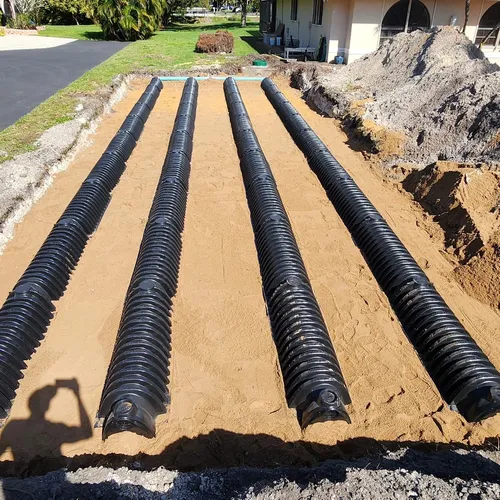
YP Septic Excavations LLC is a family-owned company based in Miami, FL, specializing in septic system installation, repair, and inspection. They provide a range of services including septic tank installations, drain field replacement, lift station repair, and French drainage systems. The company also offers asphalting and concrete pouring to complete projects with a clean, leveled finish. Founded in 2021 by Yosbel Paez, YP Septic Excavations LLC has completed over 500 projects and focuses on delivering customized, environmentally conscious solutions.
Caraballo Express – Septic, Grease Trap & Drainfield Services
240 W 28th St, Hialeah, FL 33010
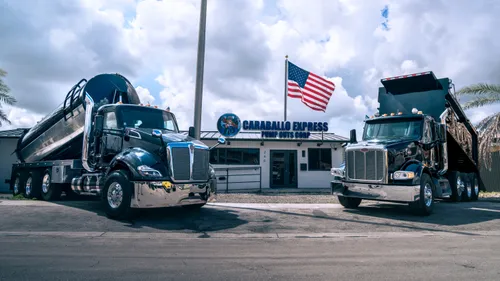
Caraballo Express - Septic, Grease Trap & Drainfield Services is a family-owned septic and environmental services company based in Miami, FL. They serve residential, commercial, and industrial clients throughout Miami-Dade and Broward County. Their services include septic tank pumping and cleaning, drainfield installation and repair, grease trap cleaning, storm drain cleaning, hydro jetting, and camera inspections. With over 10 years of experience, Caraballo Express offers 24/7 emergency septic services and full septic system support tailored to South Florida's unique conditions.
Understanding Your Septic System's Drain Field
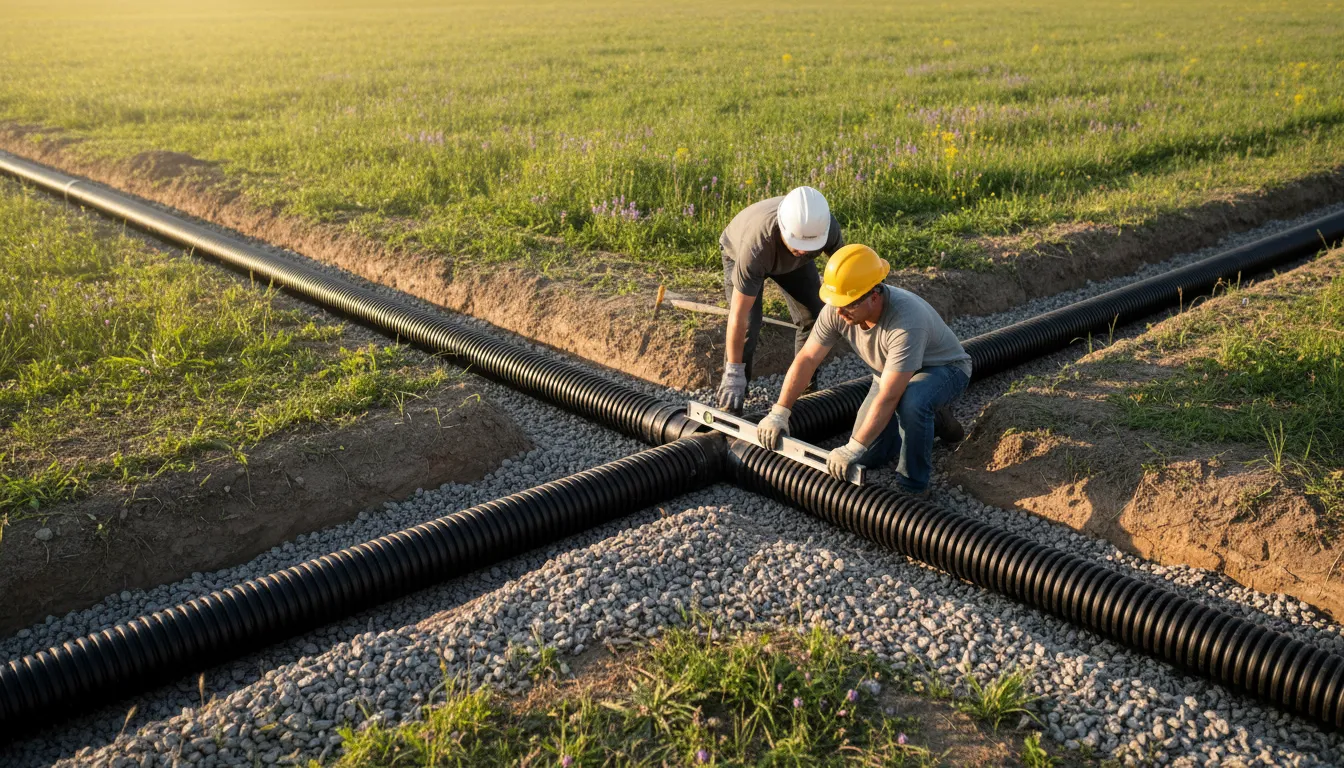
The drain field, also known as a leach field or absorption field, is the final and most critical stage of your onsite sewage treatment system. After solids settle in the septic tank, liquid effluent flows into a network of perforated pipes buried in trenches filled with gravel. This effluent slowly percolates through the soil, where natural processes filter and treat it before it rejoins the groundwater. When this area fails, your entire septic system is compromised.
In Coconut Creek and across South Florida, drain fields face unique challenges. The region's high seasonal water table and sandy soils require special considerations during both installation and repair to ensure proper function and environmental protection.
Signs You Need Drain Field Repair or Replacement
Recognizing early warning signs can save you from more extensive and costly damage. Be alert for these common indicators of leach field failure:
- Soggy Ground or Surfacing Effluent: Puddles of wastewater or persistently soggy, spongy soil over the drain field area, especially when it hasn't rained.
- Sewage Odors: Unpleasant smells of sewage in your yard or even inside your home.
- Slow Drains and Backups: Gurgling pipes, toilets that flush slowly, or sewage backing up into household drains.
- Unusually Green Grass: Patches of grass over the drain field that are much lusher and greener than the rest of the lawn, indicating a nutrient surge from effluent.
- Failed Inspection: A routine septic inspection that identifies saturated soil, biomat over-formation, or structural damage in the distribution box or pipes.
If you notice any of these issues, it's time to contact a licensed septic professional for a diagnostic assessment 1.
Coconut Creek Regulations and Permit Requirements
All work on a septic system's absorption field in Coconut Creek is regulated by the Florida Department of Health (DOH) under Chapter 64E-6. A permit from the Broward County Health Department is mandatory for any drain field repair, replacement, or modification 2. Attempting work without a permit can result in fines and an illegal, non-compliant system.
Key local regulations that impact your project include:
- Groundwater Separation: State law requires a minimum of 24 inches of clearance between the bottom of the drain field trenches and the seasonal high water table. Given South Florida's hydrology, this often necessitates building upward with a mounded system or using engineered fill.
- Reserve Area: You must have a designated reserve area on your property equal to at least 50% of the size of the initial drain field. This space is legally protected for a future full replacement when the original field eventually fails 3.
- Soil Evaluation: A professional site evaluation, including percolation tests, is required to determine soil suitability and design the correct system type.
- Setbacks: The system must be installed at specified distances from property lines, wells, buildings, and surface water.
- Final Inspection: The Broward County DOH must perform a final inspection and approve the installation before the repaired or new field can be covered with soil 4.
Find the perfect drain field repair companies for your needs
Get personalized recommendations and expert advice
The Repair and Replacement Process
1. Professional Assessment
A licensed contractor will conduct a thorough evaluation to determine the cause and extent of failure. This may involve a visual inspection, probing the soil, and using a camera to check pipes. They will advise if a simple repair, a partial replacement, or a full new leach field is necessary 5.
2. Design and Permitting
For any significant work, the contractor will prepare a site plan and system design that complies with all county and state regulations. They will then submit the application and secure the required permit from the Broward County Health Department on your behalf.
3. Installation or Repair
The work begins once the permit is in hand. This can involve:
- Repair: Fixing or replacing a damaged distribution box, clearing a clogged pipe, or addressing minor issues.
- Partial Replacement: Replacing a section of failed trenches while leaving functional portions intact.
- Full Replacement: Installing a completely new drain field in the designated reserve area. Due to soil and water table conditions, this often involves bringing in suitable fill material to create a mound or installing an Advanced Treatment System (ATS) like an Aerobic Treatment Unit (ATU) 6.
4. Final Approval
After installation, the county inspector visits the site to verify the work matches the permitted design and meets all health codes. Only after receiving this final approval can the system be covered and put into service 7 8.
Cost of Drain Field Work in Coconut Creek
Costs vary widely based on the solution required, system size, and site-specific challenges like high water or difficult access. The following estimates are based on regional data 9 10 11:
- Minor Repairs: Addressing issues like a clogged line or a broken distribution box typically ranges from $1,000 to $3,000.
- Partial Drain Field Replacement: Replacing a portion of the absorption field can cost between $3,000 and $7,000.
- Full Conventional Replacement: Installing a brand-new standard leach field generally starts at $8,000 to $15,000 or more.
- Advanced System Installation: Upgrading to an Aerobic Treatment Unit (ATU) or other engineered system to overcome poor soil conditions can range from $7,000 to over $20,000.
Always get detailed, written estimates from multiple licensed contractors. The lowest bid is not always the best, especially for complex projects governed by strict health codes.
Choosing a Qualified Contractor in Coconut Creek
This is not a DIY project. Selecting the right professional is critical. Look for a contractor who is:
- Licensed and Insured: They must hold a valid Florida septic contractor's license and carry adequate insurance.
- Local Experience: Choose a pro familiar with Broward County's specific permit process, inspectors, and common soil challenges (like the need for mounded systems) 12.
- Transparent with Permits: They should handle the entire permitting process and clearly explain the required steps.
- Well-Reviewed: Check online reviews and ask for local references to gauge their reputation for quality and reliability.
Frequently asked questions
Sources
Footnotes
-
Septic Drain Field Issues Every Homeowner Should Watch For - https://septicservicescfl.com/septic-drain-field-issues-every-homeowner-should-watch-for/ ↩
-
Local Septic Regulations Florida Homeowners Should Know - https://www.yoursepticmasters.com/local-septic-regulations-florida-homeowners-should-know ↩
-
Florida Well and Septic System Placement Regulations for ... - https://flengineeringllc.com/florida-well-septic-placement-2025/ ↩
-
The Builder's Guide to Septic Permit Services - https://landperc.com/septic-permit-services-builders/ ↩
-
Florida Septic Tank Requirements | Onsite Sewage Treatment ... - https://www.ntotank.com/blog/florida-septic-tank-requirements ↩
-
Drain Field Installation, Repair & Replacement | Champion ... - https://www.championseptictank.com/drain-field-installation ↩
-
Septic Permits in Florida: Do You Need One? (2025 Guide) - Land Perc - https://landperc.com/do-i-need-a-permit-for-a-septic-system-in-florida/ ↩
-
Septic Inspections Made Easy: What Every Contractor Needs to ... - https://flengineeringllc.com/septic-inspections-guide-contractors-2025/ ↩
-
Fixing Septic Drain Fields: What Florida Homeowners Should Know - https://mathisandsonsseptic.com/mathis-sons-septic-blog-orlando-fl/septic-drain-fields-what-florida-homeowners-should-know/ ↩
-
How Much Does it Cost to Upgrade a Septic System in Florida? - https://mathisandsonsseptic.com/mathis-sons-septic-blog-orlando-fl/a-florida-homeowners-guide-to-septic-system-maintenance-costs/ ↩
-
Cost to Replace Septic Tank and Drain Field [2026 Data] | Angi - https://www.angi.com/articles/how-much-new-drain-fields-foot.htm ↩
-
Florida New Septic System Law: What Homeowners Need to Know - https://rooterone.com/florida-homeowners-new-septic-system-law/ ↩