Find the Best Drain Field Repair Companies for Your Business
No obligation • Fast responses • Nationwide coverage

Why you can trust Septic Spot
Septic Spot is a leading United States resource for understanding and comparing septic services. Our editors review providers using consistent criteria and verify key business details. Listings and scores are independent, and companies cannot pay to influence our content.
Search providers near you
Top Drain Field Repair Companies in Coral Gables, Florida Ranked
A failing drain field, also known as a leach field or absorption field, is a serious issue for any Coral Gables home with a septic system. This critical component is responsible for safely filtering and dispersing treated wastewater into the soil. When it malfunctions, it can lead to soggy yards, foul odors, and even environmental contamination. This guide provides essential information on the repair and replacement process, local regulations, and costs to help you connect with qualified professionals who can assess your system and recommend the right solution for your property.

Champion Septic Tank - Grease Trap, Drain Field, Lift Station, Storm Drain
405 E 41st St Unit 1D, Hialeah, FL 33013
Champion Septic Tank - Grease Trap, Drain Field, Lift Station, Storm Drain provides septic system services in Miami, FL. They offer septic tank pumping, inspection, cleaning, and drain field repair, using advanced technology and professional tools. Their licensed team handles locating tanks, hydro jet cleaning, and riser installation to maintain system performance. Serving Miami-Dade and Broward counties, the company emphasizes thorough maintenance to prevent backups and extend system life. Champion Septic Tank is family-owned and offers 24/7 emergency septic services.
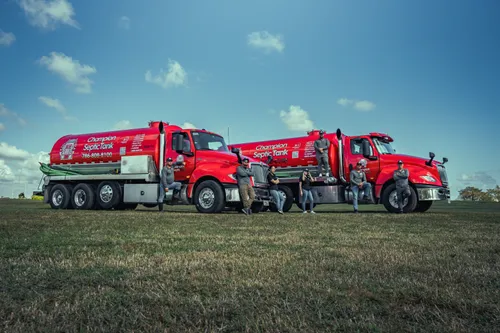
Champion Septic Tank - Grease Trap, Drain Field, Storm Drain, Lift Station
4000 Hollywood Blvd suite 555-s, Hollywood, FL 33021
Champion Septic Tank - Grease Trap, Drain Field, Storm Drain, Lift Station provides septic system services in Miami, FL. The company offers septic tank pumping, inspection, cleaning, and drain field repair using advanced technology and professional tools. Their licensed team handles locating, accessing, and maintaining septic systems to ensure proper flow and function. Champion Septic Tank serves Miami-Dade and Broward counties, including North Miami, Hollywood, and surrounding areas. They provide hydro jet cleaning and riser installation as part of their capabilities. The company emphasizes thorough maintenance to extend system life and prevent backups. Champion Septic Tank offers 24/7 emergency septic services for urgent needs.
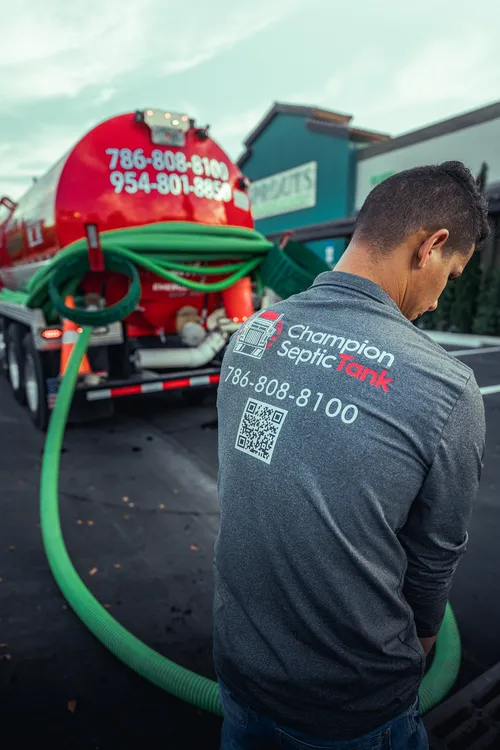
Champion Septic Tank - Grease Trap, Storm Drain, Lift Station
1001 Brickell Bay Dr Unit 2800, Miami, FL 33131
Champion Septic Tank - Grease Trap, Storm Drain, Lift Station provides comprehensive septic system services in Miami, FL. They offer septic tank pumping, inspection, cleaning, and drain field repair, using advanced technology and professional-grade tools. Their licensed team handles everything from locating buried tanks to thorough pump-outs and pressure washing to maintain system health. Champion Septic Tank serves Miami-Dade and Broward counties, including North Miami, Hollywood, and surrounding areas. They specialize in hydro jet cleaning and riser installation to ensure efficient septic system performance. The company also offers 24/7 emergency septic services to address urgent issues promptly.

Champion Septic Tank - Grease Trap, Lift Station, Storm Drain
5151 Collins Ave, Miami, FL 33140
Champion Septic Tank - Grease Trap, Lift Station, Storm Drain provides septic system services in Miami, FL. They offer septic tank pumping, inspection, cleaning, and drain field repair, using advanced technology and professional tools. The company serves Miami-Dade and Broward counties, including North Miami, Hollywood, and Miami Shores. Champion Septic Tank is equipped for hydro jetting and full septic system maintenance to ensure proper flow and function. They provide 24/7 emergency septic services to address urgent issues promptly.
YP Septic Excavations LLC
1474 NE 183rd St, Miami, FL 33179
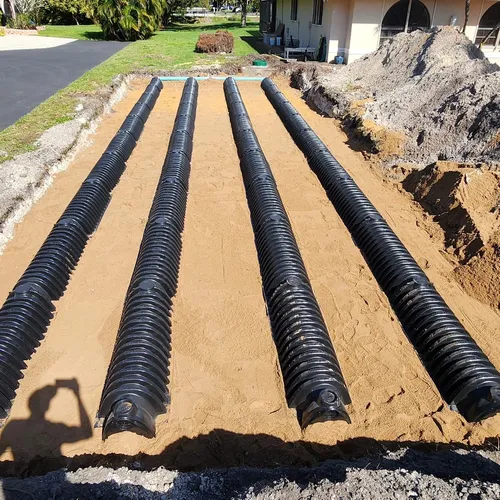
YP Septic Excavations LLC is a family-owned company based in Miami, FL, specializing in septic system installation, repair, and inspection. They provide a range of services including septic tank installations, drain field replacement, lift station repair, and French drainage systems. The company also offers asphalting and concrete pouring to complete projects with a clean, leveled finish. Founded in 2021 by Yosbel Paez, YP Septic Excavations LLC has completed over 500 projects and focuses on delivering customized, environmentally conscious solutions.
Understanding Your Drain Field in South Florida
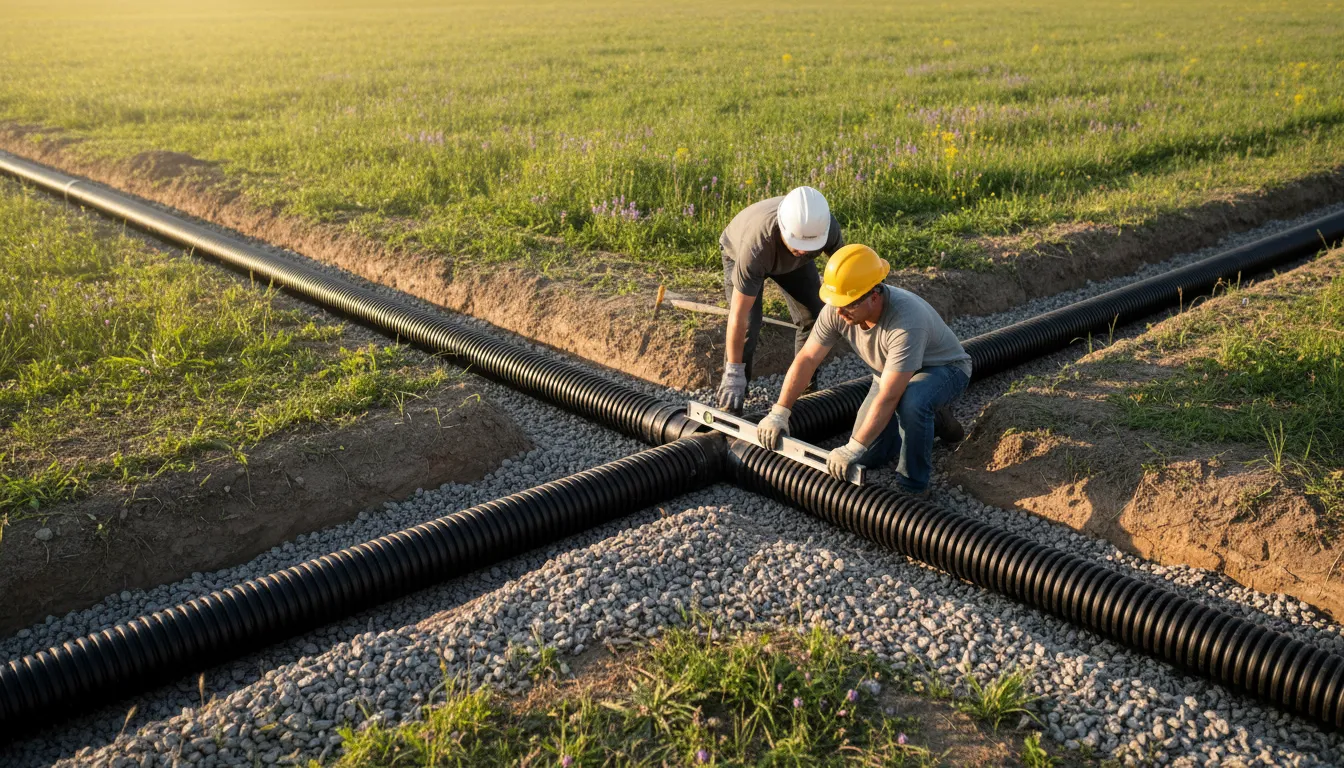
The drain field is the final stage of your onsite sewage treatment and disposal system. After solids settle in the septic tank, the liquid effluent flows into a network of perforated pipes buried in trenches filled with gravel. This effluent then slowly percolates through the soil, where natural processes provide final treatment. In Coral Gables and across South Florida, several unique environmental factors heavily influence drain field design and performance.
The most significant challenge is the region's high water table. The seasonal high groundwater level can be very close to the surface, especially during the rainy season. A properly functioning drain field must be installed at an elevation that maintains a required separation distance from this groundwater to ensure adequate treatment and prevent system failure. Furthermore, local soil conditions often involve limestone bedrock or coral rock close to the surface, which can have a slow percolation rate. This necessitates specialized engineering, such as a mounded system or the use of advanced treatment technologies, to compensate for poor soil absorption.
Signs You Need Drain Field Repair or Replacement
Recognizing early warning signs can prevent a complete system failure and more costly repairs. Common indicators include:
- Soggy Ground or Standing Water: Persistent wet spots, lush green grass, or pooling water over the drain field area, especially when it hasn't rained.
- Slow Drains and Sewage Backups: Gurgling pipes, slow-draining sinks and toilets, or sewage backing up into household drains.
- Foul Odors: Unpleasant sewage smells emanating from the yard or near the drain field.
- Nitrate Contamination: Test results from a well water sample indicating contamination, which can be a sign of a failing drain field.
If you notice any of these issues, the first step is to contact a licensed septic professional for a thorough inspection 1. They can perform tests, such as a dye test or soil evaluation, to determine if the problem is a clogged pipe, crushed line, or a more serious failure of the entire absorption area.
Coral Gables and Miami-Dade County Regulations
Any work on a septic system drain field in Coral Gables requires compliance with strict state and local health department regulations. You cannot simply hire a contractor to dig up and replace a field; the process is governed by permits and codes designed to protect public health and groundwater.
- Permitting is Mandatory: All drain field repairs, alterations, and full replacements require a permit from the Florida Department of Health (DOH) in Miami-Dade County or the local county health department 2. This ensures the work meets all technical standards.
- Florida Administrative Code 64E-6: This is the primary state rule governing onsite sewage treatment and disposal systems. It dictates critical design parameters, including the mandatory separation distance between the bottom of the drain field trenches and the seasonal high-water table 3 4.
- Site Plan and Setbacks: As part of the permit application, a detailed site plan must be submitted. This plan must show compliance with minimum setback distances from property lines, wells, buildings, swimming pools, and surface water bodies 5.
- Required Inspections: The permitting process includes mandatory inspections at key stages-typically after the site is prepared and again after the drain field is installed but before it is covered-to verify compliance with the approved plans.
Find the perfect drain field repair companies for your needs
Get personalized recommendations and expert advice
The Professional Repair and Replacement Process
Engaging a licensed septic contractor is non-negotiable for this complex work. A reputable professional will manage the entire process, which generally follows these steps:
- Comprehensive Site Assessment: The contractor will evaluate your property's conditions, including a soil analysis to determine the percolation rate and an assessment of the groundwater level. This information is crucial for designing a system that will work and pass inspection 6.
- System Design and Permit Acquisition: Based on the assessment, the contractor will design a repair or new drain field system that complies with all regulations. They will then prepare and submit the engineering site plan and application for the necessary construction permit on your behalf 7.
- Execution of Work: Once the permit is issued, the contractor will excavate the area. For a repair, this may involve replacing a section of clogged pipe or adding new infiltration chambers. For a full replacement, the entire old field is abandoned (often filled with gravel or soil), and a new field is constructed in a different, suitable location on your property.
- Final Inspection and Approval: After installation, a county health inspector will visit to verify the work matches the permitted plans. Only after receiving final approval can the new drain field be covered with soil and the landscape restored 8.
Cost Considerations for Drain Field Work
The cost for drain field work in Coral Gables varies widely based on the scope of the problem, soil conditions, and system size. It's important to get multiple detailed estimates from licensed contractors.
- Drain Field Repairs: Targeted repairs, such as fixing a clog or replacing a small section, typically range from $2,000 to $10,000. This is often a viable option if the failure is localized and the rest of the soil absorption area is still functional.
- Complete Drain Field Replacement: When the entire absorption area has failed, a full replacement is necessary. In Coral Gables, this is a major excavation and construction project, with costs commonly ranging from $10,000 to $25,000 or more 9 10 11. The high end of this range accounts for challenging sites that require mounded systems, advanced treatment components, or significant landscaping restoration.
- Factors Influencing Cost: Key cost drivers include the size of the drain field needed for your home, the soil type and required engineering (e.g., dealing with rock or high water), the accessibility of your yard for heavy equipment, and local permit fees 12.
Maintaining Your New or Repaired Drain Field
Protecting your investment is key. Proper maintenance extends the life of your drain field significantly. Key practices include:
- Conserve Water: Spread out laundry and dishwasher use to avoid hydraulically overloading the system.
- Mind What You Flush: Only human waste and toilet paper should go down the drain. Avoid chemicals, grease, wipes, and feminine hygiene products.
- Divert Water: Ensure roof gutters, sump pumps, and surface runoff are directed away from the drain field area.
- Protect the Area: Never drive or park vehicles over the drain field, and avoid planting trees or deep-rooted shrubs nearby.
- Pump the Tank Regularly: Have your septic tank pumped every 3-5 years by a professional to prevent solids from escaping into and clogging the drain field.
Frequently asked questions
Sources
Footnotes
-
24/7 Septic Inspection Coral Gables, FL | Same Day Servic... - https://miamisepticpros.com/resources/septic-inspection-fl-coral-gables/ ↩
-
Florida New Septic System Law: What Homeowners Need to Know - https://rooterone.com/florida-homeowners-new-septic-system-law/ ↩
-
Fla. Admin. Code Ann. R. 62-6.015 - Permitting and Construction of ... - https://www.law.cornell.edu/regulations/florida/Fla-Admin-Code-Ann-R-62-6-015 ↩
-
Local Septic Regulations Florida Homeowners Should Know - https://www.yoursepticmasters.com/local-septic-regulations-florida-homeowners-should-know ↩
-
Septic Permits in Florida: Do You Need One? (2025 Guide) - Land Perc - https://landperc.com/do-i-need-a-permit-for-a-septic-system-in-florida/ ↩
-
Septic Inspections Made Easy: What Every Contractor Needs ... - https://flengineeringllc.com/septic-inspections-guide-contractors-2025/ ↩
-
Florida Septic Tank Requirements | Onsite Sewage Treatment ... - https://www.ntotank.com/blog/florida-septic-tank-requirements ↩
-
Drain Field Installation, Repair & Replacement | Champion ... - https://www.championseptictank.com/drain-field-installation ↩
-
How Much Does it Cost to Upgrade a Septic System in Florida? - https://mathisandsonsseptic.com/mathis-sons-septic-blog-orlando-fl/a-florida-homeowners-guide-to-septic-system-maintenance-costs/ ↩
-
Cost to Replace Septic Tank and Drain Field [2026 Data] | Angi - https://www.angi.com/articles/how-much-new-drain-fields-foot.htm ↩
-
Drainfield Replacement Cost: What to Expect | Pricing Guide - https://miamisepticpros.com/costs/drainfield-replacement/ ↩
-
Answering Top Questions About Drain Field Replacement - https://tampabayseptic.com/blog/answering-top-questions-about-drain-field-replacement/ ↩