Find the Best Drain Field Repair Companies for Your Business
No obligation • Fast responses • Nationwide coverage

Why you can trust Septic Spot
Septic Spot is a leading United States resource for understanding and comparing septic services. Our editors review providers using consistent criteria and verify key business details. Listings and scores are independent, and companies cannot pay to influence our content.
Search providers near you
Top Drain Field Repair Companies in Deerfield Beach, Florida Ranked
A failing drain field, also known as a leach field or absorption field, is a serious issue for any home with a septic system. When this critical component stops absorbing and filtering wastewater, it can lead to soggy yards, foul odors, and environmental contamination. In Deerfield Beach, where sandy soils and a high water table present unique challenges, understanding the local regulations and processes for drain field work is essential. This guide explains the key steps, rules, and considerations for repairing or replacing your septic system's drain field, helping you navigate the project from initial diagnosis to final inspection.
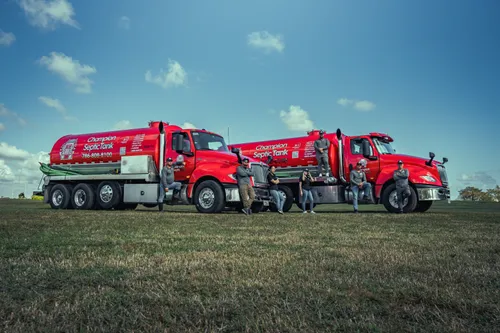
Champion Septic Tank - Grease Trap, Drain Field, Storm Drain, Lift Station
4000 Hollywood Blvd suite 555-s, Hollywood, FL 33021
Champion Septic Tank - Grease Trap, Drain Field, Storm Drain, Lift Station provides septic system services in Miami, FL. The company offers septic tank pumping, inspection, cleaning, and drain field repair using advanced technology and professional tools. Their licensed team handles locating, accessing, and maintaining septic systems to ensure proper flow and function. Champion Septic Tank serves Miami-Dade and Broward counties, including North Miami, Hollywood, and surrounding areas. They provide hydro jet cleaning and riser installation as part of their capabilities. The company emphasizes thorough maintenance to extend system life and prevent backups. Champion Septic Tank offers 24/7 emergency septic services for urgent needs.
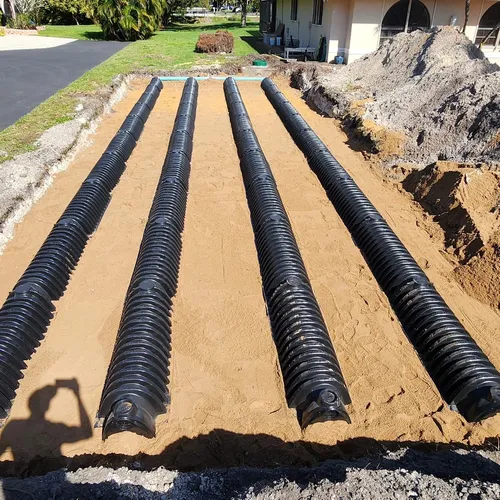
YP Septic Excavations LLC
1474 NE 183rd St, Miami, FL 33179
YP Septic Excavations LLC is a family-owned company based in Miami, FL, specializing in septic system installation, repair, and inspection. They provide a range of services including septic tank installations, drain field replacement, lift station repair, and French drainage systems. The company also offers asphalting and concrete pouring to complete projects with a clean, leveled finish. Founded in 2021 by Yosbel Paez, YP Septic Excavations LLC has completed over 500 projects and focuses on delivering customized, environmentally conscious solutions.
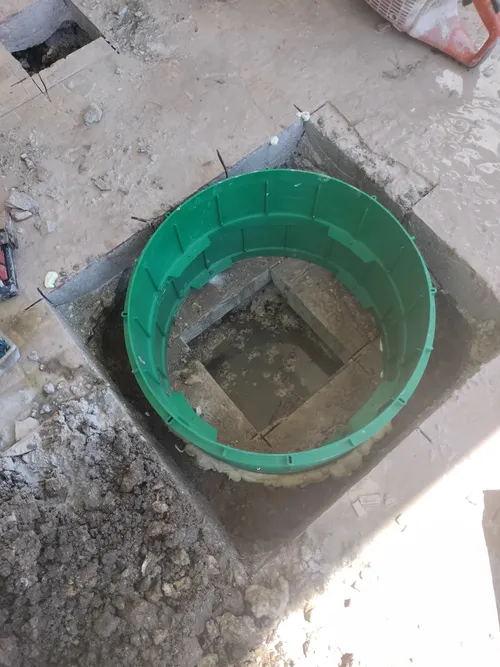
Vip Septic Solutions Corp
7125 NW 186th St APT B302, Hialeah, FL 33015
Vip Septic Solutions Corp provides septic tank cleaning, pumping, installation, and drainfield repair services in Miami, FL. Serving Miami-Dade and Broward Counties, the company uses vacuum trucks to safely remove waste and inspects systems to ensure proper function. With over ten years of experience, they offer commercial grease trap cleaning and 24/7 emergency septic services for urgent needs.
All City Septic
10501 S Camelot Cir, Davie, FL 33328
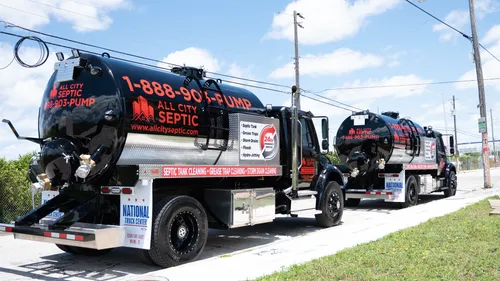
All City Septic is a licensed and insured septic contractor serving Fort Lauderdale, FL, and the surrounding South Florida region. They offer septic tank pumping, installation, and drain field repair or replacement services across Miami-Dade, Broward, Palm Beach, Martin, and St. Lucie counties. The company operates a fleet of septic pump trucks and provides hydro-jetting as part of their service capabilities. As a family-owned business, All City Septic is available 24/7 to meet customer needs.
All City Septic
831 NW 7th Terrace, Fort Lauderdale, FL 33311
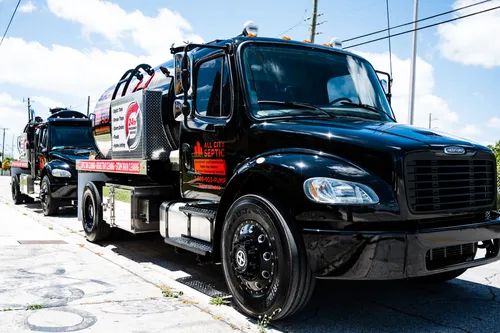
All City Septic is a licensed and insured septic contractor based in Fort Lauderdale, FL. The company provides septic tank pumping, installation, and drain field repair services across South Florida, including Miami-Dade, Broward, and Palm Beach counties. They operate a fleet of septic pump trucks and offer hydro-jetting as part of their septic tank maintenance capabilities. All City Septic is a family-owned business that serves multiple counties and offers 24/7 availability for their services.
Understanding Drain Field Failure in South Florida
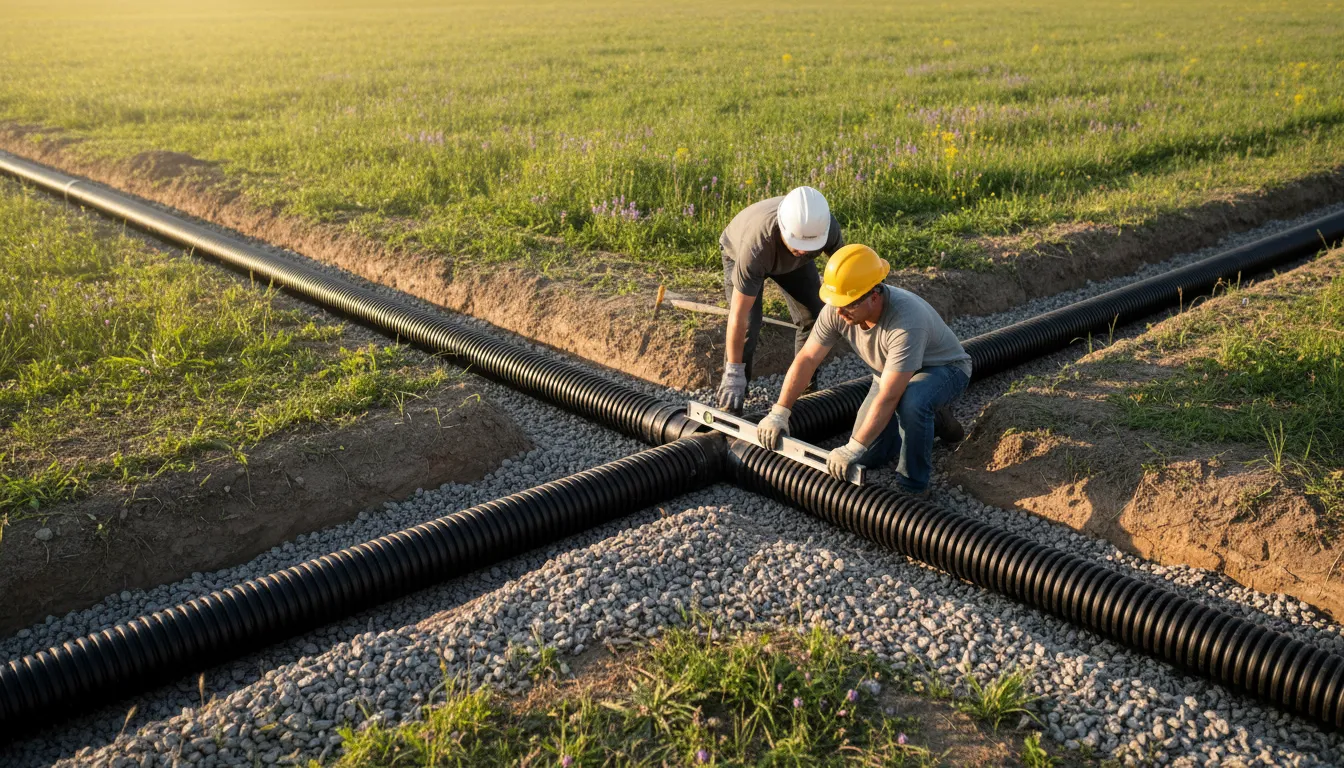
The drain field is the final stage of your onsite sewage treatment and disposal system (OSTDS). After solids settle in the septic tank, liquid effluent flows into a network of perforated pipes buried in trenches filled with gravel. This effluent slowly percolates through the soil, where natural processes provide final treatment. In Deerfield Beach and throughout Broward County, several factors common to our coastal environment can accelerate drain field failure.
Sandy soils, while allowing for quick drainage, can sometimes lead to premature clogging as fine particles migrate and block the soil pores. More critically, Florida's high seasonal water table is a major concern. State law requires a minimum of 24 inches of vertical separation between the bottom of the drain field and the seasonal high water table. In low-lying areas, this often necessitates the construction of a mounded or elevated drain field system. Recognizing early signs of failure-such as persistently wet soil over the field, sewage odors, or slow-draining household fixtures-can help you address problems before they become an emergency.
Florida and Broward County Regulations: Permits Are Mandatory
All repairs, modifications, or replacements of septic systems in Deerfield Beach are regulated by the Florida Department of Health (DOH) in Broward County 1. You must obtain a valid permit before starting any work, including moving a tank or expanding or replacing a drain field 2 3.
Who Can Do the Work? For owner-occupied single-family homes, the work can be performed by the homeowner themselves, a state-licensed plumber, or a registered septic tank contractor 4. However, given the technical and regulatory complexity, hiring a licensed professional is strongly recommended.
The Permit Process: Applicants must submit Form DEP4015 to the local county health department along with a detailed site plan, a building floor plan, and the required application fee 5. The site plan is crucial and must be based on a professional site evaluation.
Critical Setback Requirements: Florida enforces strict minimum distances to prevent contamination 6 7:
- 75 feet from private potable wells and tidally influenced surface water bodies.
- 100-200 feet from public potable wells, depending on sewage flow.
- 15 feet from the design high-water line of retention areas or swales.
- 5 feet from any storm sewer pipe.
Enhanced Treatment Systems: In certain environmentally sensitive areas, new or fully replaced systems may be required to include nitrogen-reducing technology (known as an ENR-OSTDS) to meet updated Florida Department of Environmental Protection (DEP) standards 8.
The Professional Site Evaluation and Design Phase
The design and size of a replacement drain field are not arbitrary; they are scientifically determined by two primary factors: soil composition and estimated daily wastewater flow 9.
- Soil Evaluation (Percolation Test): A licensed professional will conduct soil testing to determine the absorption rate, or "perc rate," of your soil. This test dictates the necessary size of the drain field. Sandy soils have a fast perc rate but may require design adjustments for proper treatment, while clay-heavy soils absorb slowly and require a larger field area 10.
- Determining Wastewater Flow: The design is based on the number of bedrooms in a home, which provides an estimate of daily wastewater flow.
- Identifying the Water Table: The evaluator must also identify the seasonal high water table level to ensure the required 24-inch separation can be achieved 11.
- Reserve Area: Florida regulations require that a 50% reserve area-equal to half the size of the initial drain field-be maintained on your property for future expansion or replacement 12. This area must be included in the site plan.
Based on this evaluation, a scaled construction plan is created. The slope of the absorption surface must be level or have a very gentle downward slope not exceeding one inch per 10 feet.
Find the perfect drain field repair companies for your needs
Get personalized recommendations and expert advice
The Drain Field Replacement Process: Step-by-Step
Once a permit is issued, the physical replacement process begins under professional and regulatory oversight 13.
- Excavation: The contractor will excavate the area for the new drain field trenches according to the approved plan.
- Installation: Standard gravity systems require a bed of specific mineral aggregate (often called septic rock or drainfield gravel), followed by the placement of 4-inch diameter perforated distribution pipes. The type and size of the gravel are important for proper function and longevity 14.
- In-Progress Inspection: Before the trenches are backfilled, many jurisdictions require a "rough-in" inspection by the health department. This inspection verifies critical components like tank size, pipe slope, and material quality 15 16.
- Final Construction Approval: After the system is covered and the landscape is restored, the DOH conducts a final inspection. If the installation complies with all permit conditions and state codes, they will issue a formal Construction Approval notice, closing out the permit 17.
Understanding the Costs Involved
The cost for drain field repair or replacement in Deerfield Beach varies significantly and is influenced by several key factors 18 19:
- Site Evaluation & Design: Fees for soil testing, percolation tests, and engineering design plans.
- Permitting: Application fees paid to the Broward County Health Department.
- System Complexity: A standard gravity-fed field is less expensive than a mounded system, pressure-dosed system, or one requiring advanced nitrogen reduction (ENR) technology.
- Access & Landscaping: Difficulty of access for heavy machinery and the extent of landscaping that needs to be removed and later restored.
- Contractor Labor and Materials: Costs for excavation, septic rock, piping, and labor.
Given these variables, it is vital to get detailed, written estimates from multiple licensed and registered septic contractors. The estimate should break down design, permitting, material, and labor costs.
Maintaining Your New Drain Field
Protecting your investment is key. Proper maintenance extends the life of your new absorption field dramatically. Key practices include:
- Conserve Water: Spread out laundry loads and fix leaky fixtures to avoid hydraulically overloading the system.
- Divert Water: Ensure roof gutters, yard drainage, and sump pumps do not discharge water over the drain field area.
- Mind What You Flush: Only human waste and toilet paper should go into the system. Avoid chemicals, grease, wipes, and other non-biodegradables.
- Keep It Clear: Do not drive or park vehicles on the drain field, and avoid planting trees or deep-rooted shrubs nearby.
- Pump the Tank Regularly: Having the septic tank pumped every 3-5 years prevents solids from escaping into and clogging the new drain field.
Frequently asked questions
Sources
Footnotes
-
You and Your Septic Tank - Broward County - https://www.broward.org/EnvironmentAndGrowth/ProgramResources/Publications/Documents/YouYourSepticTank.pdf ↩
-
Septic Permits in Florida: Do You Need One? (2025 Guide) - Land Perc - https://landperc.com/do-i-need-a-permit-for-a-septic-system-in-florida/ ↩
-
Local Septic Regulations Florida Homeowners Should Know - https://www.yoursepticmasters.com/local-septic-regulations-florida-homeowners-should-know ↩
-
Septic Contracting Frequently Asked Questions | Florida Department ... - https://floridadep.gov/water/onsite-sewage/content/septic-contracting-frequently-asked-questions ↩
-
Onsite Sewage FAQ - Permitting | Florida Department of ... - https://floridadep.gov/water/onsite-sewage/content/onsite-sewage-faq-permitting ↩
-
Florida Well and Septic System Placement Regulations for ... - https://flengineeringllc.com/florida-well-septic-placement-2025/ ↩
-
Florida Statute §381.0065 - Online Sunshine - https://www.leg.state.fl.us/Statutes/index.cfm?App_mode=Display_Statute&URL=0300-0399/0381/Sections/0381.0065.html ↩
-
Frequently Asked Questions (FAQs) House Bill (HB) 1379 ... - https://floridadep.gov/sites/default/files/Public%20ENR%20FAQ.pdf ↩
-
Septic Drainfield Design 101: A Complete Guide - Land Perc - https://landperc.com/septic-drainfield-design-guide/ ↩
-
Septic Drainfield Design 101: A Complete Guide - Land Perc - https://landperc.com/septic-drainfield-design-guide/ ↩
-
Best Practices for Septic Installation in 2025 - Florida Engineering LLC - https://flengineeringllc.com/north-florida-septic-installation-2025/ ↩
-
Fla. Admin. Code Ann. R. 62-6.014 - Construction Standards for ... - https://www.law.cornell.edu/regulations/florida/Fla-Admin-Code-Ann-R-62-6-014 ↩
-
Onsite Sewage FAQ - Permitting | Florida Department of ... - https://floridadep.gov/water/onsite-sewage/content/onsite-sewage-faq-permitting ↩
-
Best Septic Rock for Drain Fields: Complete Guide to Sizes, Types ... - https://hellogravel.com/best-septic-rock-for-drain-fields-complete-guide-to-sizes-types-costs/ ↩
-
Florida Septic Tank Requirements | Onsite Sewage Treatment and ... - https://www.ntotank.com/blog/florida-septic-tank-requirements ↩
-
Florida Septic Tank Requirements | Onsite Sewage Treatment ... - https://www.ntotank.com/blog/florida-septic-tank-requirements ↩
-
Septic Inspections Made Easy: What Every Contractor Needs ... - https://flengineeringllc.com/septic-inspections-guide-contractors-2025/ ↩
-
Fixing Septic Drain Fields: What Florida Homeowners Should ... - https://mathisandsonsseptic.com/mathis-sons-septic-blog-orlando-fl/septic-drain-fields-what-florida-homeowners-should-know/ ↩
-
Answering Top Questions About Drain Field Replacement - https://tampabayseptic.com/blog/answering-top-questions-about-drain-field-replacement/ ↩