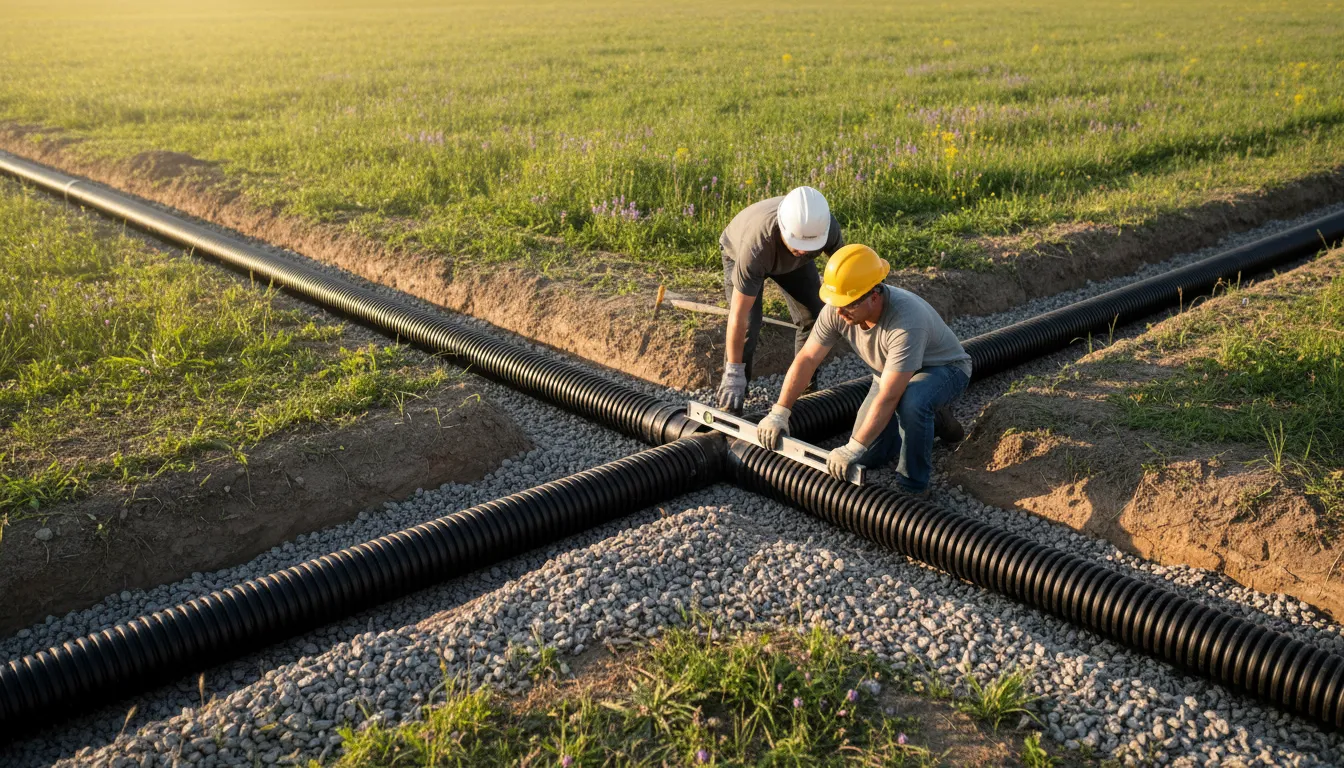
Find the Best Drain Field Repair Companies for Your Business
No obligation • Fast responses • Nationwide coverage

Why you can trust Septic Spot
Septic Spot is a leading United States resource for understanding and comparing septic services. Our editors review providers using consistent criteria and verify key business details. Listings and scores are independent, and companies cannot pay to influence our content.
Search providers near you
Top Drain Field Repair Companies in Delray Beach, Florida Ranked
A failing drain field, also known as a leach field or absorption field, is a serious issue for any home with a septic system. This critical component is responsible for safely dispersing and filtering treated wastewater into the soil. When it fails, it can lead to sewage backups, environmental contamination, and significant property damage. For Delray Beach homeowners, navigating drain field issues requires specific knowledge of local regulations, environmental conditions, and repair processes. This guide provides essential information to help you understand your options, the local requirements, and how to connect with qualified professionals for your septic system repair or replacement project.
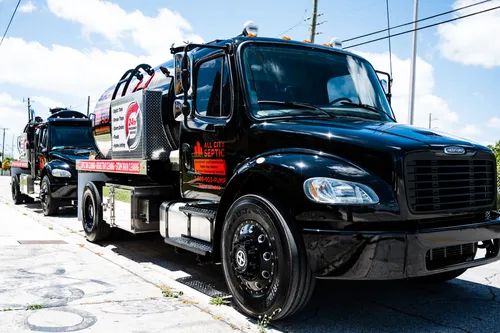
All City Septic
831 NW 7th Terrace, Fort Lauderdale, FL 33311
All City Septic is a licensed and insured septic contractor based in Fort Lauderdale, FL. The company provides septic tank pumping, installation, and drain field repair services across South Florida, including Miami-Dade, Broward, and Palm Beach counties. They operate a fleet of septic pump trucks and offer hydro-jetting as part of their septic tank maintenance capabilities. All City Septic is a family-owned business that serves multiple counties and offers 24/7 availability for their services.
Danny's Septic Service
West Palm Beach, FL
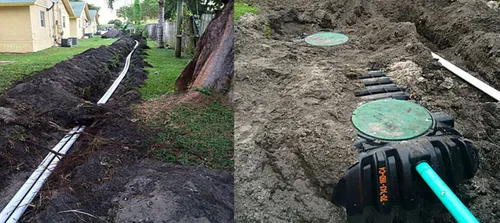
Danny's Septic Service is a septic tank pumping and repair company serving West Palm Beach, FL. They provide residential and commercial septic services including pump-outs, grease trap service, drainfield installation and replacement, lift station repair, and chemical treatments. With over 20 years in the Palm Beach County septic industry and a team combining more than 40 years of experience, they offer knowledgeable support to maintain septic system functionality.
Johnson Environmental Services
4600 Powerline Rd, Fort Lauderdale, FL 33309
Johnson Environmental Services is a full-service company based near Fort Lauderdale, FL, offering a range of septic system solutions. They serve Miami-Dade, Broward, and Palm Beach counties, providing installation, pumping, jetting, cleaning, repair, inspection, and modification of septic tanks, drainfields, grease traps, lift stations, sewer lines, and storm drainage systems. The company also specializes in video pipe inspection and rehabilitation of plumbing, sanitary sewer, and storm drainage pipes.
Alligator Septic
Fort Lauderdale, FL
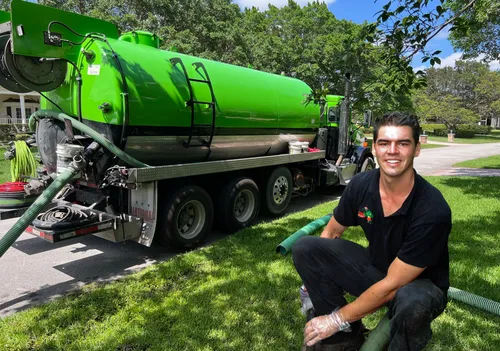
Alligator Septic is a family-owned septic service company based in Fort Lauderdale, FL, operating since 1989. They provide septic tank pumping, cleaning, inspection, and repair services throughout Broward, Miami-Dade, and Palm Beach counties. The company specializes in maintaining both old and modern septic systems, offering advanced capabilities such as camera diagnostics for drainfield repairs, root removal, and pump electronics troubleshooting. Their experienced team handles locating tanks, pressure washing, and securing lids to ensure proper septic system function. With over 35 years in the industry, Alligator Septic also offers fast emergency service with a fleet of pumping trucks ready to respond.
Southern Septic
West Palm Beach, FL
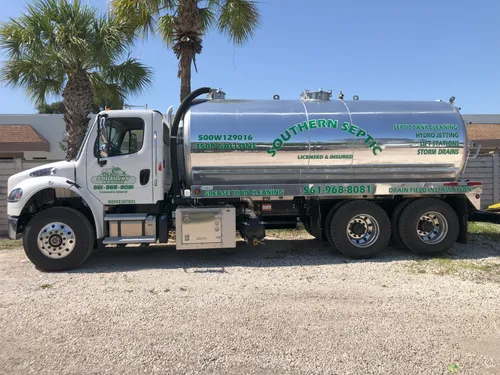
Southern Septic is a family-owned septic service provider based in West Palm Beach, FL, serving Palm Beach, Martin, and Broward Counties. Established in 2009, the company offers a wide range of services including septic tank pumping, inspections, system repairs, drain field maintenance, and septic system installations. They are certified in performance-based systems and provide specialized services such as storm preparation, grease trap maintenance, lift station services, and aerobic treatment unit (ATU) care. Southern Septic is known for handling septic permitting and design, ensuring compliance with local regulations. Their master contractor brings over 20 years of industry experience, and the company offers 24/7 emergency services along with same-day appointments to address urgent septic needs.
Understanding Your Septic Drain Field
The drain field is the final stage of your onsite sewage treatment system. After solids settle in the septic tank, the liquid effluent flows into a network of perforated pipes buried in trenches filled with gravel. This effluent slowly percolates through the soil, where natural processes remove harmful bacteria, viruses, and nutrients before the water rejoins the groundwater. A properly functioning drain field is invisible and odorless. When problems arise, they are often due to soil clogging, hydraulic overloading, or physical damage to the pipes.
Why Delray Beach Presents Unique Challenges
South Florida's environment directly impacts septic system design and repair. Two primary factors make drain field work in Delray Beach particularly specialized:
High Water Table: The seasonal high water table in Palm Beach County is often very close to the surface. State regulations require a minimum 24-inch separation between the bottom of the drain field trenches and the highest level the groundwater reaches. In many Delray Beach properties, the natural soil level is too low to meet this requirement. This frequently necessitates the construction of a mounded system, where suitable soil is imported to build an elevated, engineered mound that contains the drain field, ensuring proper separation from the water table.
Sandy Soil Composition: While sandy soil drains quickly, this high permeability can be a double-edged sword. It can allow effluent to pass through too rapidly without adequate filtration, potentially contaminating groundwater 1. Regulations and engineering designs must account for this to ensure proper wastewater treatment. The required size and design of your drain field are determined by soil characteristics identified during a mandatory site evaluation.
The Regulatory Landscape: Permits and Compliance
Any significant work on your septic system's drain field in Florida is governed by strict state and local rules. Understanding this process is crucial before any work begins.
Permit Requirement: A repair or alteration permit from the Florida Department of Health (DOH) is mandatory for any drain field repair, replacement, or modification 2. It is illegal for a contractor to perform this work without an approved permit. The permit application must be submitted by a licensed septic contractor.
Governing Regulations: All work must comply with Florida Administrative Code Chapter 64E-6, which outlines the standards for onsite sewage treatment and disposal systems. These rules cover everything from design and materials to setbacks and installation procedures.
Environmental Setbacks: Your drain field must be located specific distances from other features:
- 75 feet from a private water well.
- 100 feet from a public water supply well.
- 50 feet from any surface water body, such as a canal, lake, or wetland.
Additionally, properties near sensitive water bodies in Palm Beach County may fall under enhanced nutrient-reducing regulations 3.
Signs You May Need Drain Field Repair
Recognizing early warning signs can prevent a complete system failure and more costly repairs:
- Sewage odors in the yard, especially near the drain field area.
- Persistently soggy or spongy ground over the leach field, even in dry weather.
- Unusually lush, green grass over the drain field.
- Slow-draining sinks, toilets, and tubs throughout the home.
- Sewage backing up into household drains 4.
If you notice any of these signs, it's important to contact a licensed professional for an inspection immediately.
The Step-by-Step Repair and Replacement Process
Successfully completing a drain field project involves a series of defined steps:
- Professional Site Evaluation & Soil Testing: A licensed engineer or certified professional must conduct a site assessment. This includes a percolation (perc) test to determine the soil's absorption rate and an evaluation of the water table depth. This data dictates the design and size of the replacement system 5 6.
- System Design & Permit Application: Your septic contractor will use the site evaluation to design a compliant system. They then prepare and submit the detailed site plans, engineering reports, and application to the Florida DOH for permit approval 7 8.
- Excavation & Installation: Once the permit is issued, excavation begins. For a full replacement, the old, failing drain field components are removed. New trenches are dug, gravel is laid, and new perforated distribution pipes are installed according to the approved plan. For mounded systems, this includes building the engineered berm.
- Critical Inspections: A DOH inspector (or an approved private provider) must perform a mid-construction inspection before the new drain field is covered. They verify the layout, depth, materials, and slope. A final inspection is typically required after the system is covered and the landscape is restored 9.
- Restoration: After passing inspection, the trenches are covered with soil and the yard is graded and re-sodded to prevent erosion and restore your landscape.
Find the perfect drain field repair companies for your needs
Get personalized recommendations and expert advice
Understanding the Costs Involved
The cost for drain field work in Delray Beach varies widely based on the extent of the problem, soil conditions, and the required system type. The following ranges are estimates; always obtain detailed quotes from licensed contractors.
- Minor Repairs: Fixing a clogged pipe, replacing a damaged distribution box, or cleaning a line typically ranges from $1,000 to $3,000 10.
- Partial Drain Field Repair: Replacing a section of the absorption field or addressing localized failure often costs between $3,000 and $7,000.
- Full Drain Field Replacement: A complete leach field replacement is a major project. For a conventional system, expect costs to start at $8,000 to $15,000 or more 11 12. For a mounded system or other advanced treatment design required for difficult sites, costs can significantly exceed this range.
- Additional Fees: Remember to budget for separate costs like the site evaluation and soil testing (perc test), engineering design fees, and the DOH permit application fees, which are often not included in the contractor's installation quote 13.
Maintenance: The Best Defense Against Failure
The most effective and affordable strategy is to prevent drain field failure through proper care:
- Pump Your Septic Tank Regularly: Have the septic tank pumped by a professional every 3 to 5 years. This prevents solids from escaping the tank and clogging the drain field pipes and soil 14 15.
- Conserve Water: Spread out laundry loads and fix leaky faucets to avoid hydraulically overloading the system.
- Mind What You Flush: Only human waste and toilet paper should go down the drain. Avoid chemicals, grease, diapers, and wipes (even "flushable" ones).
- Protect the Area: Never drive or park vehicles over the drain field, and avoid planting trees with deep roots nearby.
Frequently asked questions
Sources
Footnotes
-
Septic Drainfield Design 101: A Complete Guide - Land Perc - https://landperc.com/septic-drainfield-design-guide/ ↩
-
Septic Permits in Florida: Do You Need One? (2025 Guide) - Land Perc - https://landperc.com/do-i-need-a-permit-for-a-septic-system-in-florida/ ↩
-
Florida New Septic System Law: What Homeowners Need to Know - https://rooterone.com/florida-homeowners-new-septic-system-law/ ↩
-
Septic Drain Field Issues Every Homeowner Should Watch For - https://septicservicescfl.com/septic-drain-field-issues-every-homeowner-should-watch-for/ ↩
-
Septic Systems - Florida Department of Health - https://www.floridahealth.gov/community-environmental-public-health/environmental-public-health/water-quality/septic-systems/ ↩
-
Perc Testing and Home Elevation in Southwest Florida: What You Need to Know - https://sposenhomes.com/perc-testing-and-home-elevation/ ↩
-
Florida Septic Tank Requirements | Onsite Sewage Treatment ... - https://www.ntotank.com/blog/florida-septic-tank-requirements ↩
-
Leach Field 101: The Ultimate Guide to Understanding and Managing Your Septic System - https://www.nexgenseptics.com/leach-field-101-the-ultimate-guide-to-understanding-and-managing-your-septic-system/ ↩
-
Septic Inspections Made Easy: What Every Contractor Needs ... - https://flengineeringllc.com/septic-inspections-guide-contractors-2025/ ↩
-
Understanding the Costs of Septic Tank Installation and Repair - https://mathisandsonsseptic.com/mathis-sons-septic-blog-orlando-fl/understanding-the-costs-of-septic-tank-installation-and-repair/ ↩
-
Cost to Replace Septic Tank and Drain Field [2026 Data] | Angi - https://www.angi.com/articles/how-much-new-drain-fields-foot.htm ↩
-
Fixing Septic Drain Fields: What Florida Homeowners Should Know - https://mathisandsonsseptic.com/mathis-sons-septic-blog-orlando-fl/septic-drain-fields-what-florida-homeowners-should-know/ ↩
-
Septic System Cost Estimate: A Complete Breakdown - https://landperc.com/septic-system-cost-estimate/ ↩
-
The Ultimate Guide to Replacing a Septic Drain Field - https://www.rciseptic.com/the-ultimate-guide-to-replacing-a-septic-drain-field ↩
-
What are the costs and maintenance requirements for new septic ... - https://www.facebook.com/groups/TinyHouseFL/posts/2594963570663282/ ↩