Find the Best Drain Field Repair Companies for Your Business
No obligation • Fast responses • Nationwide coverage

Why you can trust Septic Spot
Septic Spot is a leading United States resource for understanding and comparing septic services. Our editors review providers using consistent criteria and verify key business details. Listings and scores are independent, and companies cannot pay to influence our content.
Search providers near you
Top Drain Field Repair Companies in Greenacres, Florida Ranked
A failing drain field is a serious issue for any homeowner with a septic system. This critical component, also known as a leach field or absorption field, is responsible for safely filtering and dispersing treated wastewater into the soil. When it malfunctions, it can lead to soggy yards, foul odors, and even environmental contamination. For residents in Greenacres, navigating the repair or replacement process involves specific local regulations and environmental considerations. This guide explains the key steps, costs, and regulatory requirements to help you understand your options and connect with qualified local professionals.
Total Septic Services
300 Center St, Jupiter, FL 33458
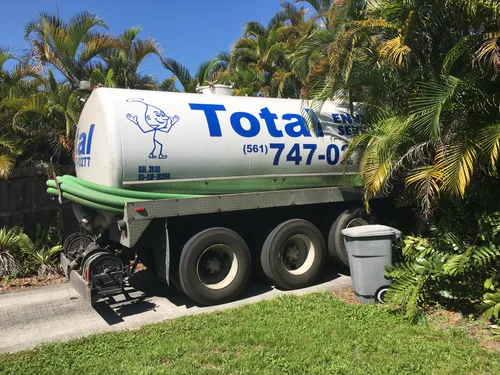
Total Septic Services is a septic tank and plumbing contractor based in Jupiter, Florida, serving West Palm Beach and the surrounding areas. They offer septic tank pumping, grease trap cleaning, drain field repair and rejuvenation, and high velocity line jetting. The company is part of a third-generation business with a central office in Orlando, providing a broad range of services including camera inspections and storm drain cleaning. Total Septic Services is available 24 hours a day to handle septic, sewer, or drain emergencies promptly.
Danny's Septic Service
West Palm Beach, FL
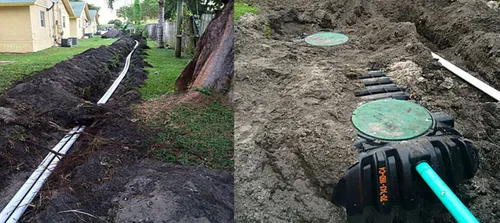
Danny's Septic Service is a septic tank pumping and repair company serving West Palm Beach, FL. They provide residential and commercial septic services including pump-outs, grease trap service, drainfield installation and replacement, lift station repair, and chemical treatments. With over 20 years in the Palm Beach County septic industry and a team combining more than 40 years of experience, they offer knowledgeable support to maintain septic system functionality.
Southern Septic
West Palm Beach, FL
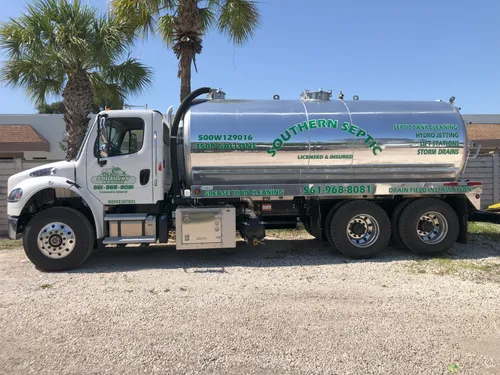
Southern Septic is a family-owned septic service provider based in West Palm Beach, FL, serving Palm Beach, Martin, and Broward Counties. Established in 2009, the company offers a wide range of services including septic tank pumping, inspections, system repairs, drain field maintenance, and septic system installations. They are certified in performance-based systems and provide specialized services such as storm preparation, grease trap maintenance, lift station services, and aerobic treatment unit (ATU) care. Southern Septic is known for handling septic permitting and design, ensuring compliance with local regulations. Their master contractor brings over 20 years of industry experience, and the company offers 24/7 emergency services along with same-day appointments to address urgent septic needs.
Jupiter Septic and Drain Inc
400 N Loxahatchee Dr, Jupiter, FL 33458
Jupiter Septic and Drain Inc is a septic tank and drain field service provider based in West Palm Beach, FL. They offer septic pumping, system inspections, drain field repairs, grease trap services, and new septic system installations. Serving Palm Beach and Martin counties, the company has been locally owned and operated since 1985. They provide emergency septic services in Jupiter, Juno, Hobe Sound, Loxahatchee, and North Palm Beach.
Hogbackhoe & Excavation
16357 105th Dr N, Jupiter, FL 33478
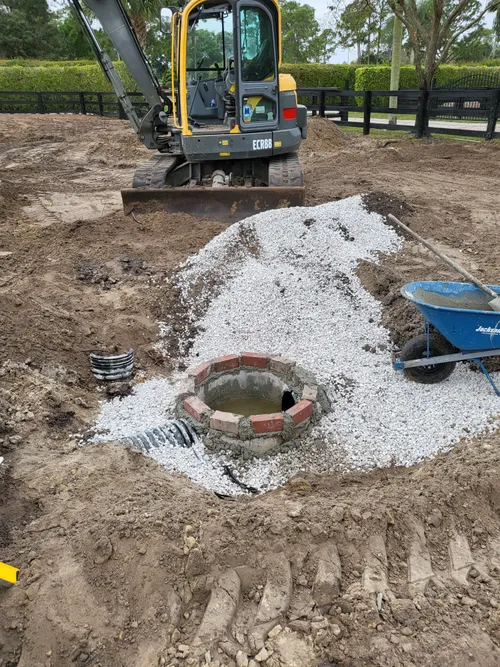
Hogbackhoe & Excavation is a family-operated company serving West Palm Beach, FL, and the surrounding South Florida area. They specialize in septic tank pumping, septic system repair, septic tank installation, and drain field repair or replacement. With over 20 years of experience, Hogbackhoe & Excavation offers excavation, plumbing, backhoe, and dirt removal services alongside their septic system work.
Understanding Your Drain Field in Greenacres
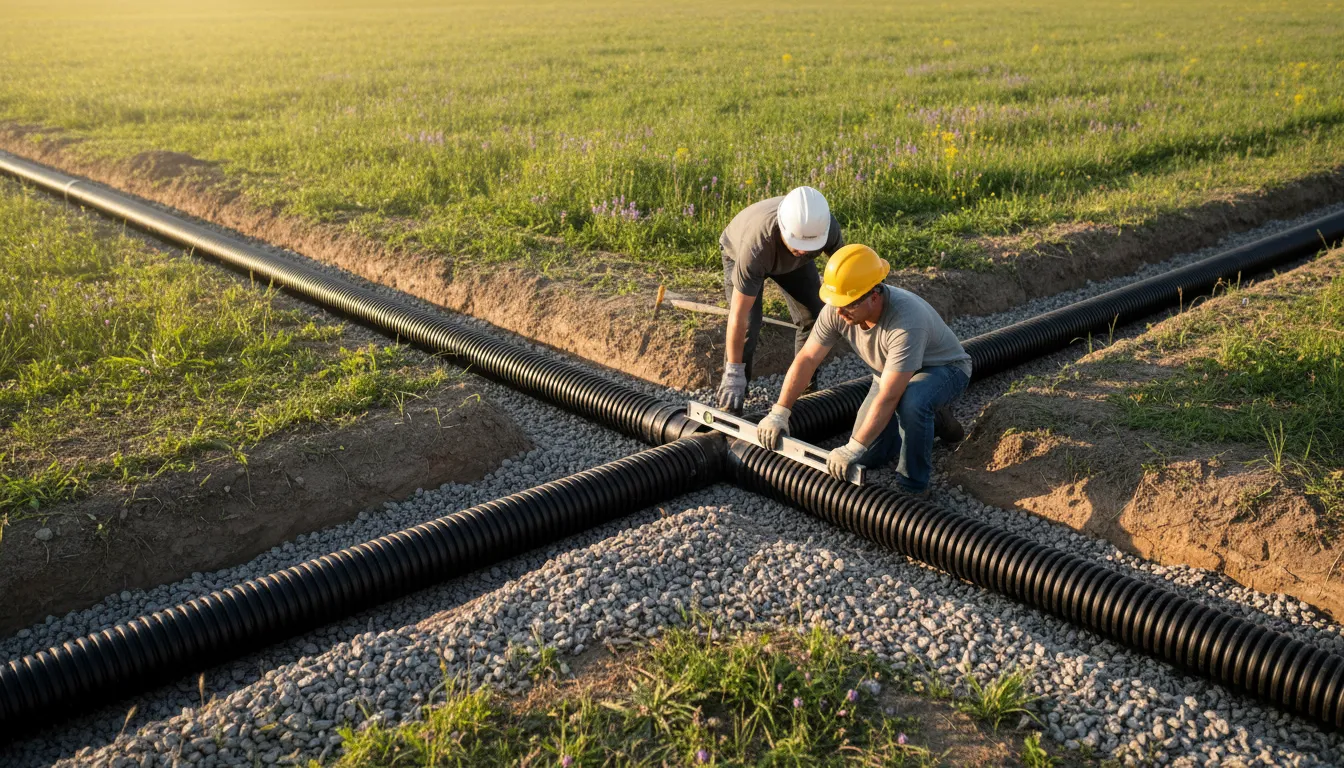
The septic drain field is the final stage of your onsite wastewater treatment system. After solids settle in the tank, liquid effluent flows into a network of perforated pipes buried in trenches filled with gravel. This effluent slowly percolates through the soil, where natural processes remove harmful bacteria and nutrients before the water rejoins the groundwater.
In Greenacres, many homes in established neighborhoods like Sherwood Forest, Pine Country, and Sunland Estates rely on these individual septic systems 1. The local environment, characterized by Florida's high water table and sandy soils, plays a significant role in system performance and longevity. Recognizing early signs of failure-such as standing water over the field, sewage odors, or unusually lush grass-is crucial for addressing problems before they become an emergency.
Florida and Palm Beach County Regulations You Must Know
Any work on a septic system in Greenacres is strictly regulated. The Florida Department of Health (DOH) sets the statewide standards, which are enforced at the county level in Palm Beach County 2. You cannot begin any repair or replacement project without understanding these rules.
- Permits Are Mandatory: A permit from the Florida DOH in Palm Beach County is required for any repair, replacement, or modification to your septic system, including the drain field 3. Working without a permit can result in fines and orders to remove unapproved work.
- The 50% Reserve Area Rule: Florida law requires that a 50% reserve area of the original system size be maintained on your property 4. This is space set aside for a future replacement drain field. If this area has been built upon with pools, sheds, or additions, your replacement options become complex and costly.
- Critical Setback Distances: Your system must be located specific distances from property lines, wells, water bodies, and structures. These setbacks are designed to protect public health and water quality 5.
- Code Compliance: All work must comply with the Florida Administrative Code Chapter 64E-6, which governs onsite sewage treatment and disposal systems.
The Step-by-Step Process for Repair or Replacement
Navigating a drain field project involves a series of formal steps. Following this process ensures the work is legal, environmentally sound, and will pass final inspection.
1. Professional Evaluation and Site Assessment
The first step is to hire a licensed septic contractor or a professional engineer to diagnose the problem. They will perform a site evaluation, which typically includes a soil profile analysis (a deep soil pit) and may include a percolation test to determine the soil's ability to absorb water. This assessment determines if a repair is feasible or if a full replacement is necessary. It also identifies the seasonal high water table, a critical factor in Florida.
2. System Design and Permit Application
If replacement is needed, a new system must be designed. Given Greenacres' environmental conditions, a standard gravity-fed system may not be suitable. If the evaluation shows less than 24 inches of clearance to the high water table, an engineered or "mounded" system will be required 6. These systems use imported sand to create an elevated drain field above the natural water table. Your professional will prepare an engineered site plan and submit it, along with the permit application, to the health department for approval.
3. Installation and Inspections
Once the permit is issued, installation can begin. The process is subject to multiple inspections:
- Pre-installation/Construction Inspection: An inspector may verify the site layout and soil conditions before major work starts.
- Installation Inspection: The trenches, pipes, gravel, and other components are inspected before they are covered with soil.
- Final Inspection: After installation is complete, a final inspection by the county or a licensed professional is required to certify the system complies with the approved plans and codes 7. Only after passing this inspection is your system legally operational.
Find the perfect drain field repair companies for your needs
Get personalized recommendations and expert advice
Cost Factors for Drain Field Work in Greenacres
The cost of addressing drain field issues varies widely based on the scope of work and site-specific challenges. Here's a general breakdown:
- Minor Repairs: Fixing a clogged distribution line or a damaged distribution box may cost between $1,000 and $3,000 8.
- Partial Drain Field Replacement: Replacing a section or a few lines can range from $3,000 to $7,000.
- Full Drain Field Replacement: This is a major project. For a conventional system, expect costs between $7,000 and $15,000 or more 9. If the project also requires a new septic tank, add $3,000 to $10,000 9.
- Engineered System Replacement: If your site requires a mounded or other advanced treatment system due to high groundwater or poor soil, costs can start at $15,000 and increase significantly based on complexity 10 11.
Key factors that influence cost include:
- Soil Conditions and Water Table: High groundwater requiring a mounded system is the single biggest cost driver.
- System Size: Based on your home's bedroom count and water usage.
- Site Accessibility: Difficult access for heavy machinery can increase labor time and cost.
- Permit and Design Fees: Engineering plans and county permit fees add to the total.
- Required Upgrades: The health department may require you to bring the entire system (including the tank) up to current code during a replacement project.
Maintaining Your New or Repaired System
Protecting your investment is key. After repair or replacement, proper maintenance is non-negotiable:
- Pump the Tank Regularly: Have the septic tank pumped every 3-5 years by a licensed pumper to prevent solids from escaping into the new drain field.
- Conserve Water: Use water-efficient fixtures and spread out laundry loads to avoid hydraulically overloading the system.
- Mind What You Flush: Only human waste and toilet paper should go down the drain. Avoid chemicals, grease, wipes, and medications.
- Protect the Area: Never drive or park over the drain field, and keep trees with deep roots far away from the absorption area.
Frequently asked questions
Sources
Footnotes
-
Sanitary Sewer - Greenacres Florida - https://greenacresfl.gov/sites/default/files/fileattachments/planning_amp_engineering/page/2291/chapter_2a_infrastructure_element_sewer_1-23-17.pdf ↩
-
Septic Systems - Florida Department of Health - https://www.floridahealth.gov/community-environmental-public-health/environmental-public-health/water-quality/septic-systems/ ↩
-
Septic Permits in Florida: Do You Need One? (2025 Guide) - Land Perc - https://landperc.com/do-i-need-a-permit-for-a-septic-system-in-florida/ ↩
-
Sanitary Sewer - Greenacres Florida - https://greenacresfl.gov/sites/default/files/fileattachments/planning_amp_engineering/page/2291/chapter_2a_infrastructure_element_sewer_1-23-17.pdf ↩
-
Local Septic Regulations Florida Homeowners Should Know - https://www.yoursepticmasters.com/local-septic-regulations-florida-homeowners-should-know ↩
-
Florida Septic Tank Requirements | Onsite Sewage Treatment ... - https://www.ntotank.com/blog/florida-septic-tank-requirements ↩
-
Florida New Septic System Law: What Homeowners Need to Know - https://rooterone.com/florida-homeowners-new-septic-system-law/ ↩
-
Fixing Septic Drain Fields: What Florida Homeowners Should Know - https://mathisandsonsseptic.com/mathis-sons-septic-blog-orlando-fl/septic-drain-fields-what-florida-homeowners-should-know/ ↩
-
Cost to Replace Septic Tank and Drain Field [2026 Data] | Angi - https://www.angi.com/articles/how-much-new-drain-fields-foot.htm ↩ ↩2
-
Florida Well and Septic System Placement Regulations for ... - https://flengineeringllc.com/florida-well-septic-placement-2025/ ↩
-
How Much Does it Cost to Upgrade a Septic System in Florida? - https://mathisandsonsseptic.com/mathis-sons-septic-blog-orlando-fl/a-florida-homeowners-guide-to-septic-system-maintenance-costs/ ↩