Find the Best Drain Field Repair Companies for Your Business
No obligation • Fast responses • Nationwide coverage

Why you can trust Septic Spot
Septic Spot is a leading United States resource for understanding and comparing septic services. Our editors review providers using consistent criteria and verify key business details. Listings and scores are independent, and companies cannot pay to influence our content.
Search providers near you
Top Drain Field Repair Companies in Kissimmee, Florida Ranked
A failing drain field is a serious issue for any home with a septic system, leading to soggy yards, foul odors, and potential environmental contamination. Drain field repair and replacement involves diagnosing and fixing the underground network of pipes and soil that treats and disperses wastewater from your septic tank. In Kissimmee's unique environment, this process is tightly regulated to protect public health and local water resources. This guide helps you understand the local requirements, costs, and steps involved, so you can make informed decisions when seeking qualified professionals for your septic absorption field or leach field work.
Orlando Septic Services
Orlando, FL
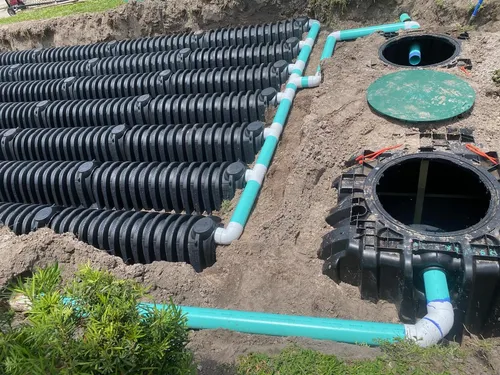
Orlando Septic Services provides septic system installation, repair, and maintenance in Orlando, FL. They handle septic tank pumping, drain field repair, and commercial and residential system installations. Their capabilities include lift station repair, main line jetting, and pump replacements, covering a wide range of septic system needs.
Always There Septic
Orlando, FL
Always There Septic provides a full range of septic system services in Orlando, FL, including septic tank pumping, inspections, repairs, and installation for both residential and commercial properties. They handle drain field repair and replacement, septic pump repair, and commercial grease trap cleaning, ensuring systems meet Florida Code and operate properly. The company offers 24/7 emergency septic services and manages all permitting and inspections for new installations or replacements, aiming for a smooth process from start to finish.
Clear Flow Environmental
15232 E Colonial Dr, Orlando, FL 32826
Clear Flow Environmental is a septic system service provider based in Orlando, FL. They offer a range of services including septic tank pumping, inspections, installations, and repairs, as well as drain field troubleshooting and replacement. The company also handles grease trap maintenance and outdoor plumbing issues. Clear Flow Environmental provides city sewer tie-in services to connect properties to municipal sewage systems where available. They utilize bioForce Plus bacterial waste degrader to maintain drainlines and grease traps effectively.
True Plumbers & AC
1627 US-92, Auburndale, FL 33823
True Plumbers & AC is a drain field repair and replacement contractor serving Lakeland, FL, and the surrounding Central Florida communities including Plant City, Winter Haven, and Davenport. They offer a wide range of plumbing services such as leak detection, repiping, slab leak repairs, and drain field services. With over 12 years in the construction and plumbing business, True Plumbers & AC has experience handling both minor repairs and major installations. Their capabilities include 24-hour emergency plumbing services, ensuring availability when urgent plumbing issues arise.
Drainage Solutions Inc
1908 N Forsyth Rd, Orlando, FL 32807
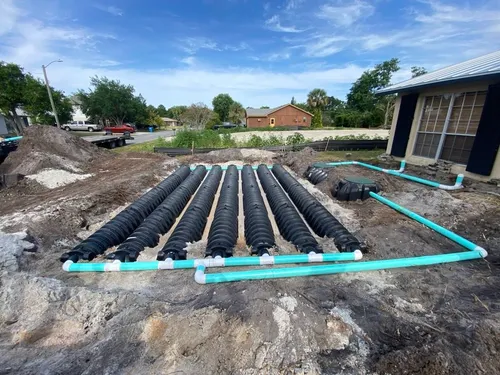
Drainage Solutions Inc is a drain field repair and replacement contractor based in Orlando, FL. They provide services related to drain field evaluation, repair, and replacement, working efficiently with existing permits and coordinating with county inspectors to complete projects promptly. The company is noted for its inclusive approach and responsiveness in scheduling and project execution.
Understanding Your Septic System's Drain Field
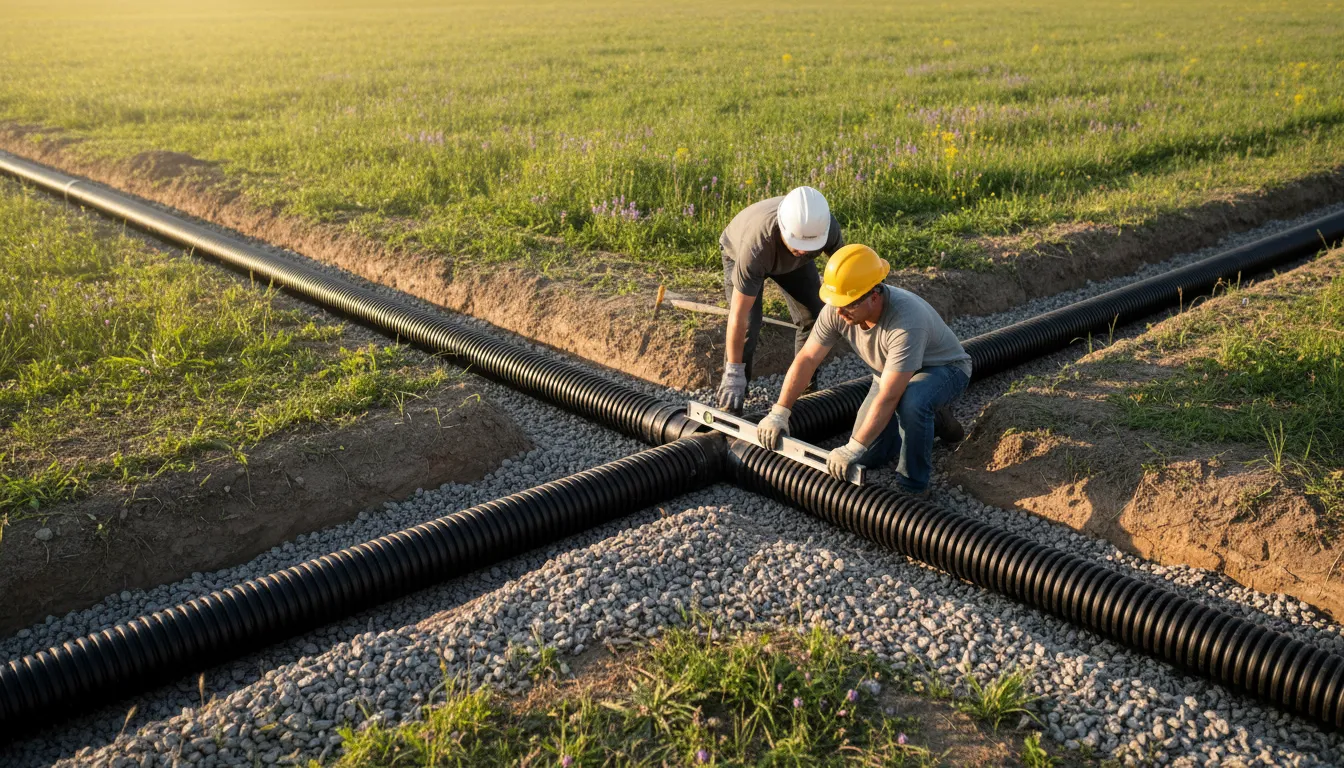
The drain field, also known as a leach field or soil absorption field, is the final and most critical stage of your onsite sewage treatment system. After solids settle in the septic tank, liquid effluent flows into a network of perforated pipes buried in trenches filled with gravel. This effluent slowly percolates through the soil, where natural biological processes filter out harmful pathogens and nutrients before the water rejoins the groundwater table. A properly functioning drain field is essential for preventing wastewater from surfacing in your yard or contaminating nearby wells and waterways.
Common Signs of Drain Field Failure in Kissimmee
Recognizing early warning signs can prevent a minor issue from becoming a costly, full-system replacement. Be alert for these symptoms:
- Soggy Ground or Standing Water: Persistent wet, spongy areas or puddles over the drain field, especially when it hasn't rained.
- Sewage Odors: Unpleasant smells emanating from the yard or near the septic tank and drain field area.
- Slow Drains and Backups: Gurgling plumbing fixtures, slow-draining sinks and toilets, or sewage backups in the home.
- Unusually Green Grass: Patches of grass over the drain field that are much lusher and greener than the rest of the lawn, indicating a nutrient surge from surfacing effluent.
- Algae Blooms in Nearby Ponds: Excess nutrients from a failing system can leach into surface water, causing rapid algae growth.
Why Drain Fields Fail in Central Florida
Kissimmee's environment presents specific challenges for septic system components. Common causes of leach field failure here include:
- High Water Table: Florida law requires a minimum 24-inch vertical separation between the bottom of the drain field and the seasonal high water table. In many parts of Kissimmee, the water table is naturally high, leaving little room for proper effluent treatment. During wet seasons, this separation can be compromised, causing system failure.
- Soil Compaction and Clogging: Over time, the biomat-a layer of bacteria that forms in the soil-can become too thick, preventing proper percolation. Excessive water use from long showers, frequent laundry loads, or leaking fixtures can also flood and compact the soil 1.
- Root Intrusion: Trees and large shrubs planted too close to the drain field can send roots into the pipes, causing blockages and structural damage.
- Physical Damage: Driving heavy vehicles or equipment over the drain field can crush pipes and compact the soil.
- System Age and Lack of Maintenance: All septic components have a finite lifespan. Without regular tank pumping, solids can wash out into the drain field, causing irreversible clogging.
The Kissimmee Repair and Replacement Process: Steps and Regulations
Any significant work on your septic system's absorption field in Osceola County is regulated by the Florida Department of Health (DOH) under Chapter 64E-6 of the Florida Administrative Code. Attempting repairs without proper permitting can result in fines and an unapproved system that may fail inspection if you sell your home.
1. Professional Inspection and Site Evaluation
The first step is always a thorough inspection by a licensed septic professional. They will assess the tank, distribution box, and drain field to determine the exact cause and extent of the failure. A crucial part of this evaluation is a site and soil evaluation, which includes determining soil types, percolation rates, and the seasonal high water table level 2. This data is required for any permit application.
2. Determining Repair vs. Replacement
The inspection will reveal whether a targeted repair or a full replacement is necessary.
- Minor Repairs: Issues like a cracked distribution box or a single clogged lateral line may be repairable without redesigning the entire field. These repairs still typically require a permit 3.
- Full Replacement: If the soil is permanently clogged (a condition called "failure by saturation") or the system is undersized for current use, a full drain field replacement is usually mandated. In Florida, a replacement system must be designed to meet all current codes, which often includes allocating a 50% reserve area for future expansion or repair 4 5.
3. Permitting with the Florida DOH
A permit from the Florida Department of Health is mandatory for any repair, alteration, or new installation of a septic system 6. Your licensed contractor will typically handle this process, submitting the site evaluation data and a proposed system design. The DOH reviews the application to ensure it meets all setbacks (e.g., 75 feet from a private well, 100 feet from a public well) and technical requirements 7.
4. System Installation or Repair
Once the permit is issued, work can begin. For a full replacement, this involves:
- Excavating the new drain field area.
- Installing the network of perforated pipes in gravel-filled trenches.
- For areas with a high water table, constructing a mounded system, which is an elevated drain field built with suitable fill material to maintain the required separation.
- Connecting the new field to the existing septic tank and distribution system.
5. Final Inspection and Approval
Before the new drain field is covered with soil, a final inspection by the DOH is required 8 9. The inspector verifies that the installation matches the permitted design and meets all code standards. Only after receiving this approval should the system be backfilled and the landscape restored.
Find the perfect drain field repair companies for your needs
Get personalized recommendations and expert advice
Cost Factors for Drain Field Work in Kissimmee
Costs for septic leach field work can vary widely based on the scope of the project and site-specific conditions. Based on local industry data, you can expect the following ranges:
- Minor Repairs (e.g., distribution box): $1,000 - $3,000.
- Partial Drain Field Replacement: $3,000 - $7,000 10.
- Full Drain Field Replacement: $5,000 - $15,000+ 11 12 13.
Key factors influencing cost include:
- System Size: Larger homes require larger drain fields with more piping and excavation.
- Soil Conditions and Water Table: Sandy soil is easier to work with than heavy clay. Sites requiring a mounded system due to a high water table involve additional fill material and construction, increasing costs.
- Site Accessibility: Easy access for heavy machinery keeps costs down. Tight spaces or long distances from the road can increase labor and equipment time.
- Permitting and Design Fees: These are separate costs that cover the site evaluation, engineering design (if needed), and the DOH permit fees.
Choosing the Right System for Your Property
When a full replacement is needed, the site evaluation will determine the most appropriate type of drain field. Common systems in the Kissimmee area include:
- Conventional Trenches: The standard system for sites with suitable soil depth and permeability.
- Mounded Systems: Required when the natural soil is too shallow to the water table. Sand and other fill material are used to build an elevated treatment area 14.
- Low-Pressure Dose (LPD) Systems: Use a pump to distribute effluent more evenly across the field, which can improve treatment and extend the field's life in marginal soils.
A licensed professional can explain which system design is best suited for your property's specific conditions.
Maintaining Your New or Repaired Drain Field
Protect your investment with proper care:
- Pump the Tank Regularly: Every 3-5 years, or as recommended, to prevent solids from escaping into the drain field.
- Conserve Water: Fix leaks and spread out high-water-use activities (laundry, showers) to avoid flooding the field.
- Direct Water Away: Ensure roof drains, sump pumps, and surface runoff are directed away from the drain field area.
- Landscape Carefully: Plant only grass over the drain field. Keep trees and deep-rooted shrubs far away.
- Never Drive or Park on the drain field.
Frequently asked questions
Sources
Footnotes
-
Septic Drain Field Issues Every Homeowner Should Watch For - https://septicservicescfl.com/septic-drain-field-issues-every-homeowner-should-watch-for/ ↩
-
Septic System Inspections: What to Expect for Your Florida Drain Field - https://qualitysepticincorporated.com/septic-system-inspections-what-to-expect-for-your-florida-drain-field/ ↩
-
Septic Drainfield Design 101: A Complete Guide - Land Perc - https://landperc.com/septic-drainfield-design-guide/ ↩
-
Florida Well and Septic System Placement Regulations for ... - https://flengineeringllc.com/florida-well-septic-placement-2025/ ↩
-
A Guide to Choosing the Right Drain Field for Your Septic System - https://advancedsepticservicesfl.com/choosing-right-drain-field/ ↩
-
Septic Permits in Florida: Do You Need One? (2025 Guide) - Land Perc - https://landperc.com/do-i-need-a-permit-for-a-septic-system-in-florida/ ↩
-
How To Replace A Septic Drain Field Without Costly Mistakes - https://millersepticfl.com/how-to-replace-a-septic-drain-field-without-costly-mistakes/ ↩
-
Florida New Septic System Law: What Homeowners Need to Know - https://rooterone.com/florida-homeowners-new-septic-system-law/ ↩
-
Florida Septic Tank Requirements | Onsite Sewage Treatment and ... - https://www.ntotank.com/blog/florida-septic-tank-requirements ↩
-
Answering Top Questions About Drain Field Replacement - https://tampabayseptic.com/blog/answering-top-questions-about-drain-field-replacement/ ↩
-
Fixing Septic Drain Fields: What Florida Homeowners Should Know - https://mathisandsonsseptic.com/mathis-sons-septic-blog-orlando-fl/septic-drain-fields-what-florida-homeowners-should-know/ ↩
-
How Much Does it Cost to Upgrade a Septic System in Florida? - https://mathisandsonsseptic.com/mathis-sons-septic-blog-orlando-fl/a-florida-homeowners-guide-to-septic-system-maintenance-costs/ ↩
-
Drain Field Installation: How Expensive is Replacement? - https://orlandoseptictank.com/septic-services-blog/drain-field-installation-how-expensive-is-replacement/ ↩
-
Best Practices for Septic Installation in 2025 - Florida Engineering LLC - https://flengineeringllc.com/north-florida-septic-installation-2025/ ↩