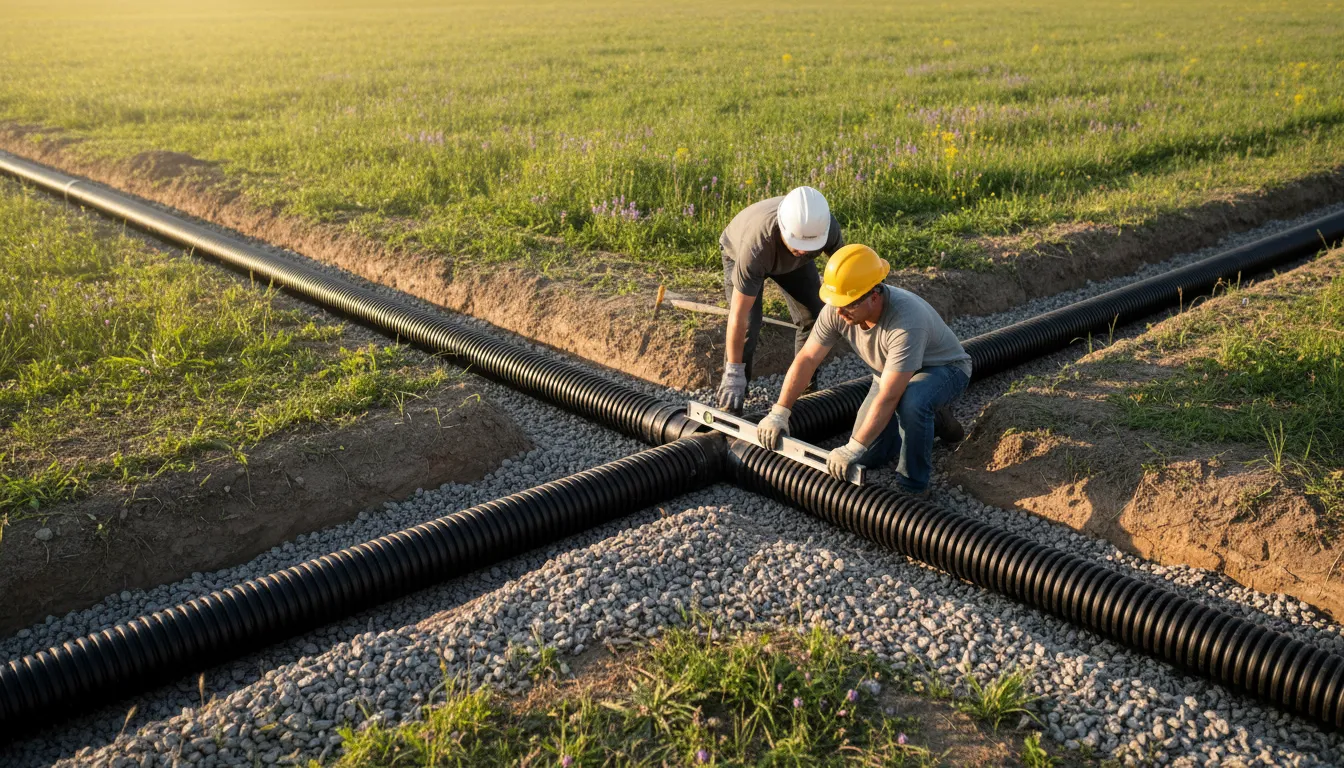
Find the Best Drain Field Repair Companies for Your Business
No obligation • Fast responses • Nationwide coverage

Why you can trust Septic Spot
Septic Spot is a leading United States resource for understanding and comparing septic services. Our editors review providers using consistent criteria and verify key business details. Listings and scores are independent, and companies cannot pay to influence our content.
Search providers near you
Top Drain Field Repair Companies in Largo, Florida Ranked
A failing septic drain field is a serious issue for any Largo homeowner. This critical component, also known as a leach field or absorption field, is responsible for safely filtering and dispersing treated wastewater into the soil. When it malfunctions, it can lead to sewage backups, environmental contamination, and significant property damage. Understanding the local regulations, common causes of failure, and the repair process is essential. This guide provides the information you need to navigate drain field issues and connect with qualified, licensed professionals in the Largo area who can assess your system and perform the necessary corrective work.
Quality Septic Inc.
100 Ashley Dr S suite 619, Tampa, FL 33602
Quality Septic Inc. provides a full range of septic services in Tampa, FL, including septic tank pumping, inspections, repairs, and installations. Serving Tampa and surrounding communities such as Brandon, Riverview, and Clearwater, they handle residential and commercial septic systems with expertise. Their capabilities include drain field repair and replacement, lift station installation and repair, and custom-engineered septic system installations based on thorough property assessments. Established in 1994, Quality Septic has over 25 years of experience in the industry.
Quality Septic Inc.
1811 M Rd, Brandon, FL 33511
Quality Septic Inc. is a family-owned septic service provider based in Tampa, FL, serving Brandon and the surrounding Tampa Bay area. Since 1994, they have offered a full range of septic services including tank pumping, system inspections, repairs, and new installations. Their expertise covers drain field repair and installation, lift station pump services, and custom-engineered septic systems tailored to property needs. Quality Septic emphasizes thorough property assessments and adherence to Florida state building codes in their installations. They serve multiple communities including Valrico, Seffner, Riverview, and more, ensuring comprehensive septic solutions across the region.
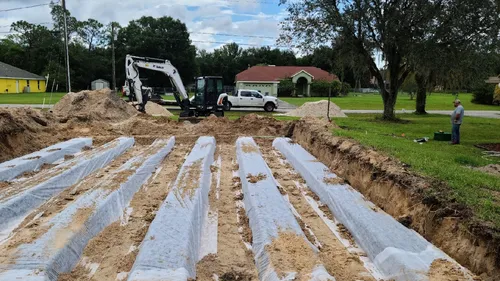
Tampa Septic
Tampa, FL
Tampa Septic is a septic service provider based in Tampa, FL, offering a comprehensive range of septic system solutions. Their services include septic tank pumping, inspections, repairs, installations, drain field maintenance and replacement, septic pump repair, and lift station services. They also provide nitrogen-reducing septic systems for environmentally conscious customers and conduct real estate septic inspections. With over 30 years of experience, Tampa Septic serves both residential and commercial clients in Tampa and the surrounding Tampa Bay area, including Hillsborough, Pasco, Hernando, Citrus, and Pinellas counties. The company is a member of the Florida Onsite Wastewater Association and holds an A+ rating from the BBB.
Septic Blue of Tampa
249 S 78th St Suite A, Tampa, FL 33619
Septic Blue of Tampa is a septic service provider located in Tampa, FL. They offer a range of services including septic tank pumping, inspection, repair, installation, and drain field repair or replacement. Their team uses advanced equipment and personalized approaches to maintain and restore septic systems while emphasizing environmental sustainability. The company also educates clients on proper septic care to help prevent future issues. Septic Blue of Tampa is locally owned and committed to transparent pricing and professional integrity.
Quality Septic Inc
112 Myrtle Ridge Rd Suite B, Lutz, FL 33549
Quality Septic Inc is a family-owned septic service provider based in Tampa, FL, serving Lutz and the greater Tampa Bay area. Since 1994, they have offered a full range of septic services including tank pumping, system inspections, repairs, and installations. Their expertise covers septic tank and drain field repair, lift station installation and maintenance, and custom-engineered septic system solutions tailored to property needs. Quality Septic also emphasizes thorough property assessments such as soil analysis and land grading to ensure proper system installation and function. The company serves a broad area including Lutz, Auburndale, Bartow, Brandon, Lakeland, and other nearby communities. They are accredited by the BBB since 2004 and maintain an A+ rating. Quality Septic provides both routine maintenance and emergency septic services, supporting residential and commercial clients with experienced technicians and a commitment to respectful, fair service.
Understanding Your Septic Drain Field in Largo
The drain field is the final stage of your onsite sewage treatment and disposal system. After solids settle in the septic tank, the liquid effluent flows to the drain field, where it percolates through the soil for natural purification. In Largo and across Pinellas County, this process is heavily influenced by local geology. The area's high seasonal water table and predominantly sandy soils present unique challenges for system performance and longevity. These conditions mean that proper installation, maintenance, and timely repairs are not just recommendations-they are necessities to protect public health and groundwater.
Why Drain Fields Fail in Largo
Recognizing the signs of a failing leach field early can save you time and money. Common symptoms include:
- Soggy Soil or Standing Water: Persistent wet spots or pooling water over the drain field area, especially when it hasn't rained.
- Sewage Odors: Unpleasant smells emanating from the yard near the drain field or even inside the home.
- Slow Drains or Backups: Gurgling pipes, slow-draining sinks and toilets, or sewage backing up into household drains.
- Unusually Lush Grass: Patches of grass over the drain field that are greener and grow faster than the rest of the lawn, indicating a nutrient overload from surfacing effluent 1.
Failure can result from several factors:
- System Overload: Excessive water use from leaks, long showers, or doing too many loads of laundry in a short period can flood the field.
- Soil Compaction: Driving or parking vehicles over the drain field compacts the soil, destroying its ability to absorb and treat effluent.
- Root Intrusion: Tree and shrub roots can infiltrate and clog the perforated pipes.
- Bio-mat Buildup: A thick, slimy layer of bacteria can form at the soil interface in the trenches, eventually sealing it and preventing drainage.
- Aging System: Components simply wear out over time, often exceeding their 20-30 year design life.
Florida and Pinellas County Regulations You Must Know
Any work on a septic system in Largo requires adherence to strict state and local codes. Ignoring these can result in fines and an unpermitted, unsafe system.
- Permits Are Mandatory: You must obtain a valid repair or construction permit from the Florida Department of Health in Pinellas County before any work begins. This ensures the proposed solution meets all health and safety standards.
- Licensed Contractors Only: Drain field repair and installation must be performed by a Florida-licensed septic tank contractor or a licensed plumber with the proper specialty certification 2. Always verify a contractor's license is current and in good standing.
- Critical Setbacks: Florida law dictates minimum distances (setbacks) between the drain field and property lines, wells, buildings, and surface water. These are non-negotiable for environmental protection 3.
- The 50% Reserve Area Rule: A crucial Florida requirement is that your property must have a designated "reserve area" equal to at least 50% of the size of the original drain field 4 5. This space must remain undisturbed and is legally required for future repairs or a full replacement if the original field fails.
The High Water Table: Largo's Biggest Challenge
Perhaps the most significant regulatory and engineering factor for Largo septic systems is the seasonal high water table. Florida code mandates that the bottom of any drain field trench must be at least 24 inches above the highest level the groundwater reaches 6. In many parts of Largo, the native soil may not provide this required separation. When site evaluations determine the soil or water table is "severely limited," standard trench systems are not an option. In these cases, engineered solutions are necessary, such as:
- Mounded or Fill Systems: These systems are built above the natural grade using specially selected fill material to create the required separation from the water table.
- Low-Pressure Dose (LPD) Systems: These use a pump to distribute effluent more evenly across the field, improving treatment in challenging soils.
- Aerobic Treatment Units (ATUs): These systems provide additional treatment before the effluent reaches the drain field, allowing for a smaller field size in some situations.
Find the perfect drain field repair companies for your needs
Get personalized recommendations and expert advice
The Professional Repair and Replacement Process
Addressing a drain field issue is a multi-step process that involves professionals from start to finish.
- Initial Site and System Evaluation: A licensed contractor will perform a thorough assessment. This includes a visual inspection for symptoms, often a "soil and site evaluation" to check percolation rates and determine the seasonal high water table level, and an inspection of the septic tank and distribution box.
- Determining the Solution & Permitting: Based on the evaluation, the contractor will recommend a course of action-whether it's a minor repair, a partial replacement, or a full new drain field. They will then handle pulling the required permit from the health department on your behalf.
- The Repair or Installation: For repairs, this may involve excavating to fix a clogged line or replace a damaged distribution box. For a full replacement, the old field is abandoned (often left in place), and a new one is constructed in the reserve area. For sites with high water, this involves building up the mound or installing the engineered system 7.
- Mandatory Inspections: The Florida DOH conducts critical inspections. A "repair inspection" verifies the work is at least six inches above the high-water table before covering. A final inspection is done after installation is complete to grant final approval 8 9.
- Restoration: Once approved, the contractor will backfill and grade the area. You are responsible for re-sodding or re-seeding the disturbed land, which typically costs an additional $1-$2 per square foot 10.
Cost Guide for Drain Field Work in Largo
Costs can vary widely based on the extent of the problem, soil conditions, and the system type required. The following estimates are based on regional data for Florida 11:
- Minor Repairs: Addressing a clog, repairing a distribution box, or other localized fixes typically range from $1,000 to $3,000.
- Partial Drain Field Replacement: Replacing a section or a few lines of the absorption field generally falls between $3,000 and $7,000.
- Full Drain Field Replacement: Installing a completely new leach field, including excavation and materials, often starts around $8,000 to $15,000 or more.
- Engineered System Replacement: If a mounded or aerobic system is needed due to high water or poor soil, costs can be significantly higher, sometimes exceeding $20,000, due to the additional materials, engineering, and construction complexity 12.
Maintaining Your New or Repaired Drain Field
Protect your investment with proper care:
- Practice Water Conservation: Spread out laundry loads, fix leaky fixtures, and consider water-efficient appliances.
- Never Drive or Park on the Field: The entire area, including the reserve, must remain free from compaction.
- Keep Trees and Shrubs Away: Plant roots far from the drain field to prevent root intrusion.
- Avoid Harsh Chemicals: Minimize the use of bleach, antibacterial soaps, and chemical drain cleaners that can kill the beneficial bacteria in your system.
- Pump Your Tank Regularly: Having your septic tank pumped every 3-5 years (as recommended by your professional) prevents solids from washing out and clogging the drain field.
Frequently asked questions
Sources
Footnotes
-
Answering Top Questions About Drain Field Replacement - https://tampabayseptic.com/blog/answering-top-questions-about-drain-field-replacement/ ↩
-
Septic Contracting Frequently Asked Questions - https://floridadep.gov/water/onsite-sewage/content/septic-contracting-frequently-asked-questions ↩
-
Local Septic Regulations Florida Homeowners Should Know - https://www.yoursepticmasters.com/local-septic-regulations-florida-homeowners-should-know ↩
-
Florida Well and Septic System Placement Regulations for ... - https://flengineeringllc.com/florida-well-septic-placement-2025/ ↩
-
Septic Inspections Made Easy: What Every Contractor Needs to ... - https://flengineeringllc.com/septic-inspections-guide-contractors-2025/ ↩
-
Septic Drain Field Issues Every Homeowner Should Watch For - https://septicservicescfl.com/septic-drain-field-issues-every-homeowner-should-watch-for/ ↩
-
The Process of Drain Field Replacement - William Dustin Septic - https://williamdustinseptic.com/lakeland-septic-services-blog/the-process-of-drain-field-replacement/ ↩
-
64E-6.015. Permitting and Construction of Repairs, ... - http://flrules.elaws.us/fac/64E-6.015 ↩
-
Septic System Inspections: What to Expect for Your Florida Drain Field - https://qualitysepticincorporated.com/septic-system-inspections-what-to-expect-for-your-florida-drain-field/ ↩
-
Cost to Replace Septic Tank and Drain Field [2026 Data] | Angi - https://www.angi.com/articles/how-much-new-drain-fields-foot.htm ↩
-
Fixing Septic Drain Fields: What Florida Homeowners Should Know - https://mathisandsonsseptic.com/mathis-sons-septic-blog-orlando-fl/septic-drain-fields-what-florida-homeowners-should-know/ ↩
-
How Much Does it Cost to Upgrade a Septic System in Florida? - https://mathisandsonsseptic.com/mathis-sons-septic-blog-orlando-fl/a-florida-homeowners-guide-to-septic-system-maintenance-costs/ ↩