Find the Best Drain Field Repair Companies for Your Business
No obligation • Fast responses • Nationwide coverage

Why you can trust Septic Spot
Septic Spot is a leading United States resource for understanding and comparing septic services. Our editors review providers using consistent criteria and verify key business details. Listings and scores are independent, and companies cannot pay to influence our content.
Search providers near you
Top Drain Field Repair Companies in Miramar, Florida Ranked
A failing drain field is a serious issue for any Florida homeowner. Also known as a leach field or absorption field, this critical component of your septic system is responsible for safely filtering and dispersing treated wastewater into the soil. When it malfunctions, it can lead to soggy yards, foul odors, and even sewage backups into your home. In Miramar, with its unique environmental challenges, addressing drain field problems requires specialized knowledge of local regulations and soil conditions. This guide provides essential information to help you understand the repair and replacement process, find qualified local professionals, and navigate the requirements specific to Broward County.

Champion Septic Tank - Grease Trap, Drain Field, Lift Station, Storm Drain
405 E 41st St Unit 1D, Hialeah, FL 33013
Champion Septic Tank - Grease Trap, Drain Field, Lift Station, Storm Drain provides septic system services in Miami, FL. They offer septic tank pumping, inspection, cleaning, and drain field repair, using advanced technology and professional tools. Their licensed team handles locating tanks, hydro jet cleaning, and riser installation to maintain system performance. Serving Miami-Dade and Broward counties, the company emphasizes thorough maintenance to prevent backups and extend system life. Champion Septic Tank is family-owned and offers 24/7 emergency septic services.

Champion Septic Tank - Grease Trap, Drain Field, Storm Drain, Lift Station
4000 Hollywood Blvd suite 555-s, Hollywood, FL 33021
Champion Septic Tank - Grease Trap, Drain Field, Storm Drain, Lift Station provides septic system services in Miami, FL. The company offers septic tank pumping, inspection, cleaning, and drain field repair using advanced technology and professional tools. Their licensed team handles locating, accessing, and maintaining septic systems to ensure proper flow and function. Champion Septic Tank serves Miami-Dade and Broward counties, including North Miami, Hollywood, and surrounding areas. They provide hydro jet cleaning and riser installation as part of their capabilities. The company emphasizes thorough maintenance to extend system life and prevent backups. Champion Septic Tank offers 24/7 emergency septic services for urgent needs.
Champion Septic Tank - Grease Trap, Storm Drain, Lift Station
1001 Brickell Bay Dr Unit 2800, Miami, FL 33131
Champion Septic Tank - Grease Trap, Storm Drain, Lift Station provides comprehensive septic system services in Miami, FL. They offer septic tank pumping, inspection, cleaning, and drain field repair, using advanced technology and professional-grade tools. Their licensed team handles everything from locating buried tanks to thorough pump-outs and pressure washing to maintain system health. Champion Septic Tank serves Miami-Dade and Broward counties, including North Miami, Hollywood, and surrounding areas. They specialize in hydro jet cleaning and riser installation to ensure efficient septic system performance. The company also offers 24/7 emergency septic services to address urgent issues promptly.

Champion Septic Tank - Grease Trap, Lift Station, Storm Drain
5151 Collins Ave, Miami, FL 33140
Champion Septic Tank - Grease Trap, Lift Station, Storm Drain provides septic system services in Miami, FL. They offer septic tank pumping, inspection, cleaning, and drain field repair, using advanced technology and professional tools. The company serves Miami-Dade and Broward counties, including North Miami, Hollywood, and Miami Shores. Champion Septic Tank is equipped for hydro jetting and full septic system maintenance to ensure proper flow and function. They provide 24/7 emergency septic services to address urgent issues promptly.
YP Septic Excavations LLC
1474 NE 183rd St, Miami, FL 33179
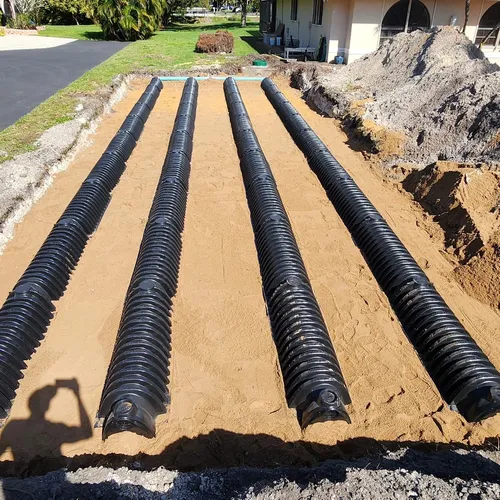
YP Septic Excavations LLC is a family-owned company based in Miami, FL, specializing in septic system installation, repair, and inspection. They provide a range of services including septic tank installations, drain field replacement, lift station repair, and French drainage systems. The company also offers asphalting and concrete pouring to complete projects with a clean, leveled finish. Founded in 2021 by Yosbel Paez, YP Septic Excavations LLC has completed over 500 projects and focuses on delivering customized, environmentally conscious solutions.
Understanding Your Septic System's Drain Field
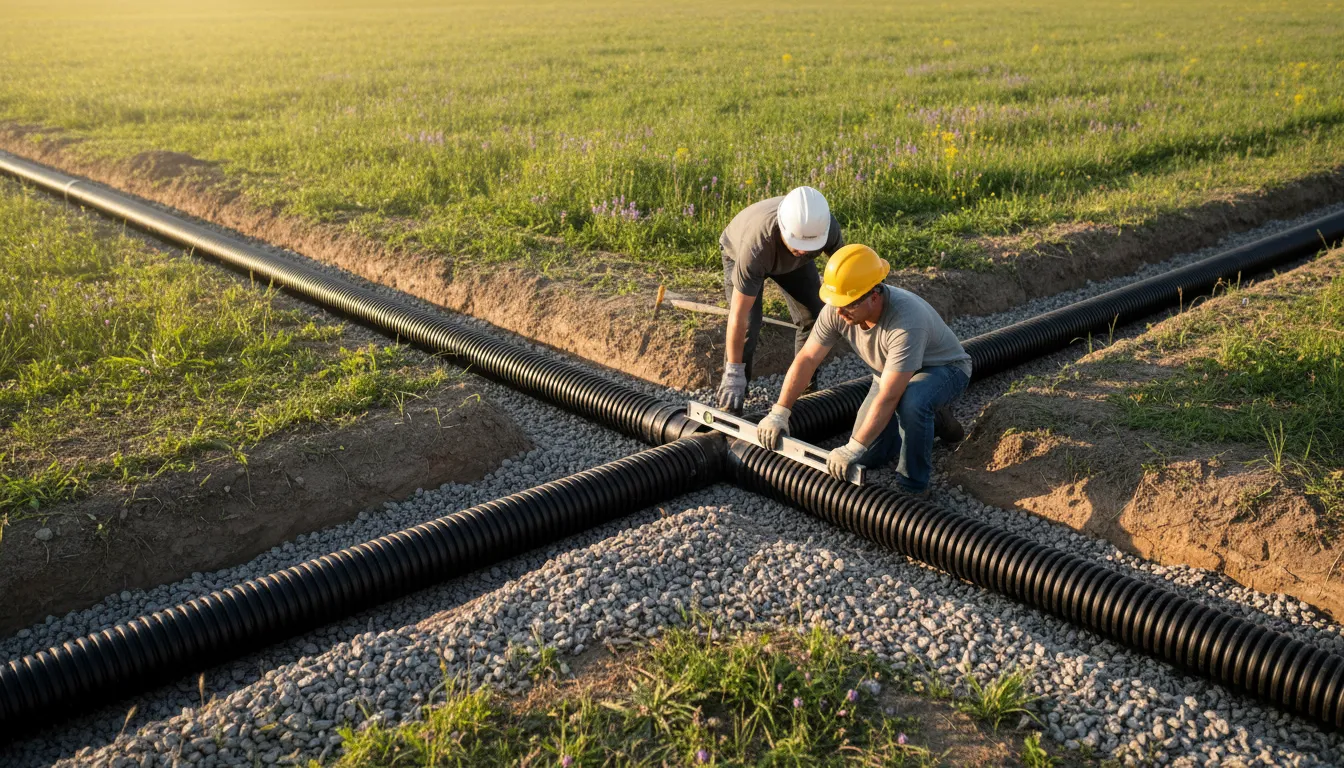
The drain field is the final stage of your onsite sewage treatment and disposal system. After solids settle in the septic tank, the liquid effluent flows into a distribution box and is then channeled through a network of perforated pipes buried in trenches filled with gravel. This effluent slowly percolates through the soil, where natural processes remove harmful bacteria, viruses, and nutrients before the water rejoins the groundwater table. A properly functioning drain field is invisible and odorless. Problems arise when the soil becomes clogged or saturated, preventing proper absorption-a condition often signaled by pooling water, lush green grass over the field, or slow-draining household fixtures.
Why Drain Field Issues Are Common in Miramar
Several environmental factors make Miramar and South Florida particularly prone to drain field complications. Understanding these is key to finding an effective, long-term solution.
- High Water Table: Florida's flat topography and abundant rainfall often result in a seasonal high water table that is very close to the surface. State and county regulations require a minimum 24-inch vertical separation between the bottom of the drain field trenches and the high water table. In many Miramar properties, the natural water table is too high to meet this requirement with a conventional in-ground system.
- Soil Conditions: The sandy soils common in the area can have very fast percolation rates, which may not provide adequate filtration. Conversely, some pockets have dense, poorly draining soils. A mandatory soil evaluation, or percolation test, determines the soil's suitability and dictates the system design 1.
- System Age and Maintenance: Like any component, drain fields have a finite lifespan, typically 20 to 30 years. Lack of regular septic tank pumping can allow solids to escape into the drain field, accelerating clogging and failure.
The Regulatory Landscape: Permits and Requirements
Before any significant repair or full replacement begins, you must secure the proper permits. In Miramar, this is governed by the Florida Department of Health (DOH) and Broward County's specific requirements. Working with a licensed septic contractor who is familiar with these protocols is crucial.
- Permit Requirement: A valid septic repair or replacement permit from the county health department is mandatory before work commences. Your contractor will typically handle this application, which includes submitting a detailed site plan.
- State Code: All work must comply with Chapter 62-6 of the Florida Administrative Code (F.A.C.), which sets strict standards for septic system construction, repair, and drain field sizing.
- Reserve Area: Florida law requires that a 50% reserve area be designated on your property. This is a space, equal to half the size of your primary drain field, that must be kept undisturbed for potential future expansion or replacement 2. This can significantly impact property planning.
- Setbacks: Systems must be sited on well-drained, non-flooding ground and maintain strict minimum distances (setbacks) from wells, property lines, buildings, and surface water bodies.
The Repair and Replacement Process: Step-by-Step
Addressing a drain field issue is a multi-stage process that involves diagnosis, design, permitting, and construction.
- Professional Site Assessment & Inspection: The process begins with a comprehensive evaluation by a licensed septic professional. They will inspect the entire system, including pumping the tank to examine its condition. A key diagnostic tool is the soil percolation test, which measures how quickly water drains through your soil at the proposed field depth 3. This test is legally required for a new design.
- System Design & Engineering: Based on the inspection and soil test results, a site-specific design is created. For properties with high water tables, this often means an engineered system such as a mounded or at-grade drain field. These systems use specially imported sand and soil to create an elevated absorption area that maintains the required separation from groundwater. The design plan must show the location of the system, the reserve area, and all relevant setbacks.
- Permitting: Your contractor submits the engineered design, site plan, and application to the Broward County Health Department for permit approval.
- Construction & Installation: Once permitted, construction begins. For a full replacement, this involves excavating the old drain field (if necessary), preparing the site, installing new distribution lines and gravel, and, for mound systems, building the elevated sand fill. Proper construction is vital to prevent premature failure.
- Final Inspection: After installation, a county health department inspector must visit the site to verify the work meets all code requirements before the system can be put into use 4 5.
Find the perfect drain field repair companies for your needs
Get personalized recommendations and expert advice
Cost Considerations for Drain Field Work in Miramar
The cost of drain field work in South Florida varies widely based on the extent of the problem, the required system type, and your property's specific conditions. The figures below are estimates to help you budget; always get detailed quotes from licensed contractors.
- Minor Repairs: Fixing a clogged distribution line or repairing a damaged distribution box typically ranges from $1,000 to $3,000.
- Partial Drain Field Replacement: Replacing a section of a failing field can cost between $3,000 and $7,000 6.
- Full Conventional Replacement: Completely replacing a standard in-ground drain field in Miramar generally falls between $8,000 and $15,000.
- Engineered/Mound System Replacement: Due to the need for extensive fill material and more complex engineering, replacing a drain field with a mound or other alternative system to overcome a high water table is the most expensive option, often ranging from $10,000 to over $25,000 7 8 9.
Note: These costs usually do not include permits, engineering design fees, or landscaping restoration.
Choosing the Right Professional in Miramar
Given the technical and regulatory complexity, selecting the right contractor is the most important decision you'll make. Look for a licensed septic professional with specific, proven experience in Miramar and Broward County. They should be intimately familiar with:
- Local health department personnel and permit processes.
- Designing and installing systems for high-water-table conditions.
- Conducting and interpreting soil percolation tests.
- Navigating the requirements for reserve areas and setbacks on smaller urban lots.
A reputable contractor will provide a clear, written estimate, pull all necessary permits, and guarantee their workmanship. They should also be willing to explain the entire process and the reasoning behind their recommended solution.
Maintaining Your New or Repaired Drain Field
Protecting your investment is key. Proper maintenance includes:
- Regular Pumping: Have your septic tank pumped every 3-5 years by a professional to prevent solids from reaching the drain field.
- Water Conservation: Spread out laundry loads and fix leaky fixtures to avoid hydraulically overloading the system.
- Mind What You Flush: Only human waste and toilet paper should go down the drain. Avoid chemicals, grease, wipes, and feminine hygiene products.
- Protect the Area: Never drive or park vehicles over the drain field, and avoid planting trees or deep-rooted shrubs nearby.
Frequently asked questions
Sources
Footnotes
-
Septic Drainfield Design 101: A Complete Guide - Land Perc - https://landperc.com/septic-drainfield-design-guide/ ↩
-
Florida Well and Septic System Placement Regulations for ... - https://flengineeringllc.com/florida-well-septic-placement-2025/ ↩
-
Drain Field Installation, Repair & Replacement | Champion Septic - https://www.championseptictank.com/drain-field-installation ↩
-
Florida New Septic System Law: What Homeowners Need to Know - https://rooterone.com/florida-homeowners-new-septic-system-law/ ↩
-
Florida Septic Tank Requirements | Onsite Sewage Treatment ... - https://www.ntotank.com/blog/florida-septic-tank-requirements ↩
-
How To Replace A Septic Drain Field Without Costly Mistakes - https://millersepticfl.com/how-to-replace-a-septic-drain-field-without-costly-mistakes/ ↩
-
Best Practices for Septic Installation in 2025 - Florida Engineering LLC - https://flengineeringllc.com/north-florida-septic-installation-2025/ ↩
-
Fixing Septic Drain Fields: What Florida Homeowners Should Know - https://mathisandsonsseptic.com/mathis-sons-septic-blog-orlando-fl/septic-drain-fields-what-florida-homeowners-should-know/ ↩
-
How Much Does it Cost to Upgrade a Septic System in Florida? - https://mathisandsonsseptic.com/mathis-sons-septic-blog-orlando-fl/a-florida-homeowners-guide-to-septic-system-maintenance-costs/ ↩