Find the Best Drain Field Repair Companies for Your Business
No obligation • Fast responses • Nationwide coverage

Why you can trust Septic Spot
Septic Spot is a leading United States resource for understanding and comparing septic services. Our editors review providers using consistent criteria and verify key business details. Listings and scores are independent, and companies cannot pay to influence our content.
Search providers near you
Top Drain Field Repair Companies in North Miami, Florida Ranked
A failing drain field, also known as a leach field or absorption field, is a serious issue for any home with a septic system. It's the final and most critical stage where treated wastewater is safely dispersed into the soil. When it fails, you may notice soggy ground, foul odors, or sewage backups. In North Miami, addressing this problem requires navigating specific local regulations and environmental conditions. This guide explains the process, costs, and key considerations for drain field repair and replacement, helping you understand what's involved in restoring your septic system's vital function.

Champion Septic Tank - Grease Trap, Drain Field, Lift Station, Storm Drain
405 E 41st St Unit 1D, Hialeah, FL 33013
Champion Septic Tank - Grease Trap, Drain Field, Lift Station, Storm Drain provides septic system services in Miami, FL. They offer septic tank pumping, inspection, cleaning, and drain field repair, using advanced technology and professional tools. Their licensed team handles locating tanks, hydro jet cleaning, and riser installation to maintain system performance. Serving Miami-Dade and Broward counties, the company emphasizes thorough maintenance to prevent backups and extend system life. Champion Septic Tank is family-owned and offers 24/7 emergency septic services.
Champion Septic Tank - Grease Trap, Drain Field, Storm Drain, Lift Station
4000 Hollywood Blvd suite 555-s, Hollywood, FL 33021
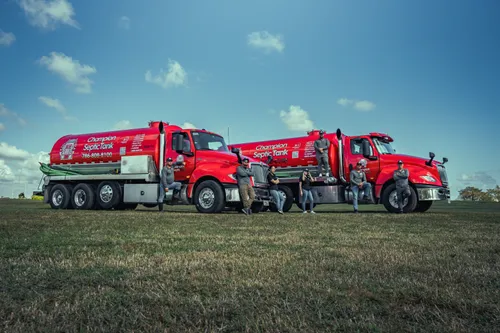
Champion Septic Tank - Grease Trap, Drain Field, Storm Drain, Lift Station provides septic system services in Miami, FL. The company offers septic tank pumping, inspection, cleaning, and drain field repair using advanced technology and professional tools. Their licensed team handles locating, accessing, and maintaining septic systems to ensure proper flow and function. Champion Septic Tank serves Miami-Dade and Broward counties, including North Miami, Hollywood, and surrounding areas. They provide hydro jet cleaning and riser installation as part of their capabilities. The company emphasizes thorough maintenance to extend system life and prevent backups. Champion Septic Tank offers 24/7 emergency septic services for urgent needs.
Champion Septic Tank - Grease Trap, Storm Drain, Lift Station
1001 Brickell Bay Dr Unit 2800, Miami, FL 33131
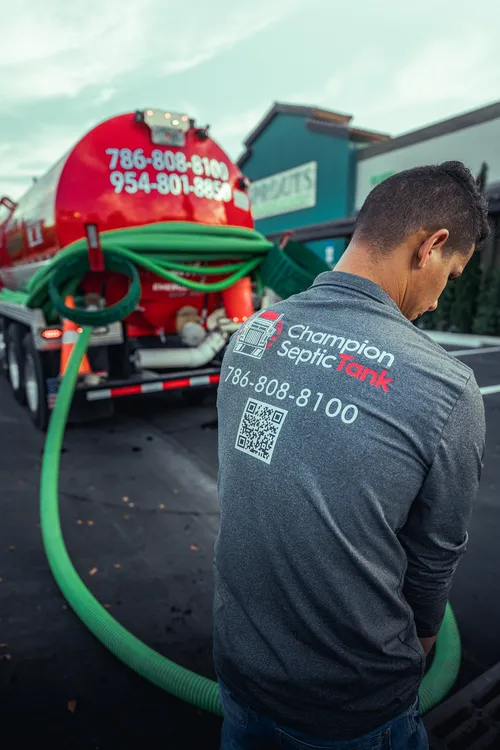
Champion Septic Tank - Grease Trap, Storm Drain, Lift Station provides comprehensive septic system services in Miami, FL. They offer septic tank pumping, inspection, cleaning, and drain field repair, using advanced technology and professional-grade tools. Their licensed team handles everything from locating buried tanks to thorough pump-outs and pressure washing to maintain system health. Champion Septic Tank serves Miami-Dade and Broward counties, including North Miami, Hollywood, and surrounding areas. They specialize in hydro jet cleaning and riser installation to ensure efficient septic system performance. The company also offers 24/7 emergency septic services to address urgent issues promptly.

Champion Septic Tank - Grease Trap, Lift Station, Storm Drain
5151 Collins Ave, Miami, FL 33140
Champion Septic Tank - Grease Trap, Lift Station, Storm Drain provides septic system services in Miami, FL. They offer septic tank pumping, inspection, cleaning, and drain field repair, using advanced technology and professional tools. The company serves Miami-Dade and Broward counties, including North Miami, Hollywood, and Miami Shores. Champion Septic Tank is equipped for hydro jetting and full septic system maintenance to ensure proper flow and function. They provide 24/7 emergency septic services to address urgent issues promptly.
YP Septic Excavations LLC
1474 NE 183rd St, Miami, FL 33179
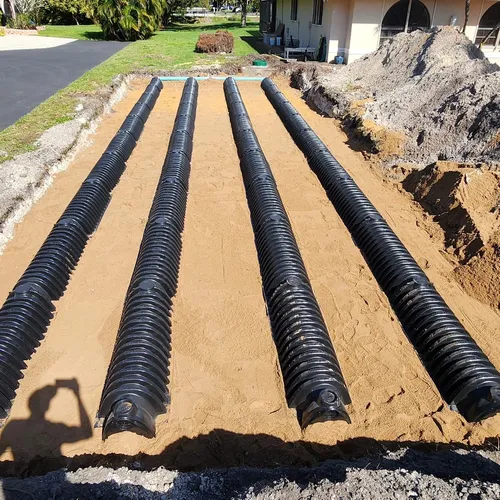
YP Septic Excavations LLC is a family-owned company based in Miami, FL, specializing in septic system installation, repair, and inspection. They provide a range of services including septic tank installations, drain field replacement, lift station repair, and French drainage systems. The company also offers asphalting and concrete pouring to complete projects with a clean, leveled finish. Founded in 2021 by Yosbel Paez, YP Septic Excavations LLC has completed over 500 projects and focuses on delivering customized, environmentally conscious solutions.
Understanding Your Septic Drain Field
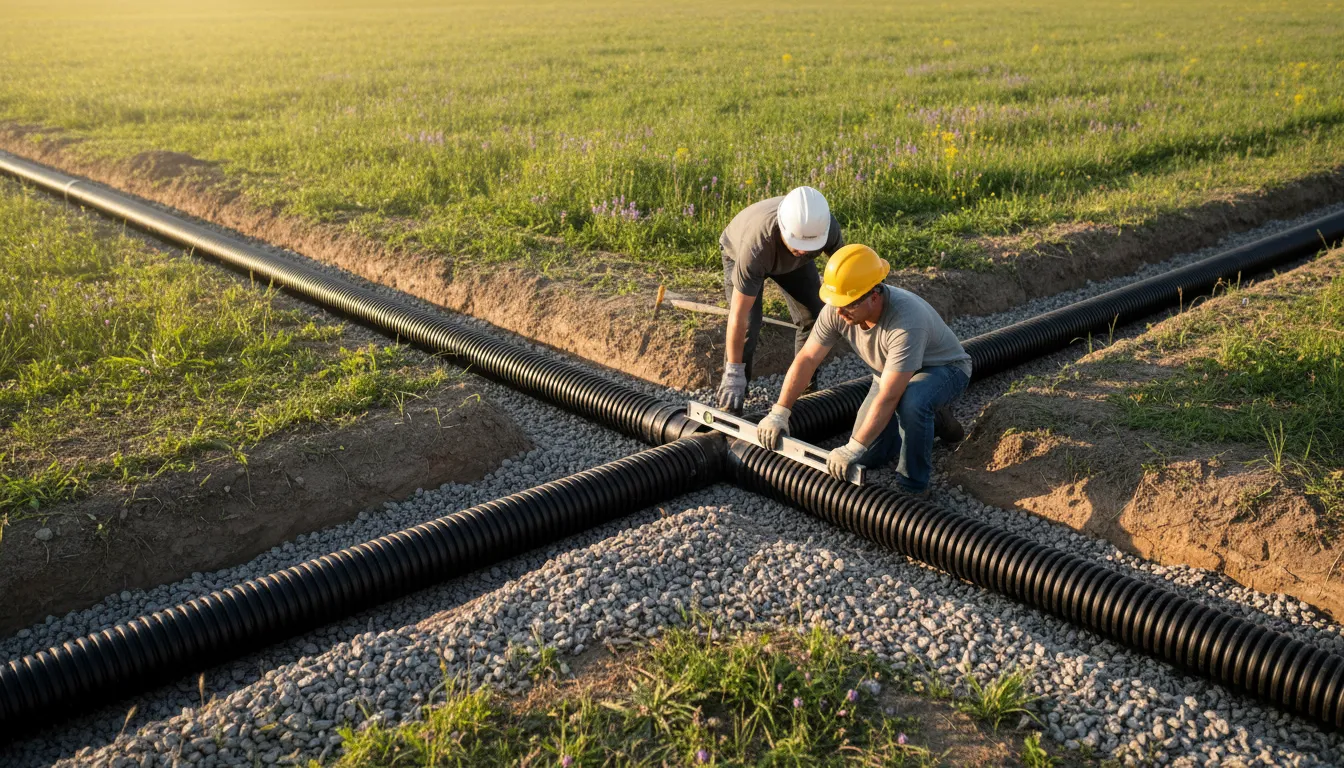
The drain field is a network of perforated pipes buried in trenches filled with gravel. After solids settle in the septic tank, the liquid effluent flows into this field, where it slowly percolates through the soil. The soil acts as a final filter, removing harmful bacteria and nutrients before the water reaches the groundwater. A properly functioning leach field is essential for protecting public health and the local environment, especially in a coastal community like North Miami.
Why Drain Fields Fail in North Miami
Several factors common to South Florida contribute to septic absorption field failure:
- High Water Table: North Miami's wet season can cause the groundwater level to rise significantly. If the water table reaches the bottom of the drain field trenches, the soil becomes saturated and can no longer absorb effluent, causing system failure.
- Soil Composition: The sandy, porous soils in the area allow for quick drainage but offer less natural filtration. This can lead to premature contamination of groundwater if the system is not properly designed and placed 1 2.
- Lack of Maintenance: Failing to pump the septic tank regularly (every 3-5 years) allows solids to wash out into the drain field pipes, clogging them and causing premature failure.
- Physical Damage: Over time, pipes can crack or collapse. Tree and shrub roots seeking moisture are a major culprit, infiltrating and blocking the pipes.
- System Age: Older systems may have been built to less stringent standards and simply reach the end of their functional lifespan.
The Regulatory Landscape: Miami-Dade County Permits
All major work on an Onsite Sewage Treatment and Disposal System (OSTDS) in North Miami is governed by the Miami-Dade County Division of Environmental Resource Management (DERM). You cannot begin any repair or full leach field replacement without the proper permits.
- Ordinance 22-83: This county ordinance mandates that all septic systems be registered and sets strict environmental standards for new installations and total replacements.
- Permit Requirement: DERM must review and approve plans for any new system or a total replacement of an existing drain field. This process ensures the design meets current health and environmental codes.
- System Type Restrictions: For total replacements, conventional (Type 1) systems are often no longer allowed if the site conditions don't meet specific criteria. DERM frequently requires engineered solutions, such as elevated mound systems or advanced treatment systems, to protect the high water table.
The Step-by-Step Process for Repair or Replacement
1. Professional Evaluation and Soil Testing
The first step is always a site evaluation by a licensed septic contractor. They will diagnose the cause of failure, often using a camera to inspect pipes. A crucial part of this phase is soil testing, including a percolation ("perc") test, to determine the soil's absorption rate and the depth to the seasonal high water table. This data is essential for the design.
2. Design and Permitting
Based on the evaluation, a system design is created. Given local conditions, this design will often specify an elevated mound system to ensure the drain field bottom is at least 36 inches above the wet season high water table, as required by code 3. These plans, along with the soil data, are submitted to DERM for permit approval.
3. Excavation and Installation
Once permitted, the old, failed leach field is carefully excavated and removed. The area is prepared, and for mound systems, a sand fill bed is constructed. New perforated distribution pipes are laid with precise grading to ensure even effluent distribution. The area is then covered with more fill and topsoil.
4. Final Inspection and Restoration
Before the new drain field is fully covered, a final inspection by a DERM representative is required to ensure the installation matches the approved plans 4 5. After passing inspection, the area can be landscaped (with grass only-no trees or deep-rooted plants) and restored.
Find the perfect drain field repair companies for your needs
Get personalized recommendations and expert advice
Cost of Drain Field Work in North Miami
Costs can vary widely based on the extent of the problem, soil conditions, and the required system type. The figures below are estimates based on regional data 6 7.
- Minor Repairs: Addressing issues like a clogged pipe or repairing a distribution box typically ranges from $1,000 to $3,000.
- Partial Drain Field Replacement: If only a section of the absorption field has failed, costs may fall between $3,000 and $7,000.
- Full Drain Field Replacement: A complete leach field replacement is a significant investment. For a standard in-ground system, expect costs from $8,000 to $15,000. If complex site conditions require an engineered mound system, the price can exceed $15,000.
- Additional Costs: Remember to factor in fees for soil testing, engineering design, and the Miami-Dade County permit process, which are necessary for all major work.
Protecting Your New Drain Field
After investing in a repair or replacement, proper maintenance is key to longevity.
- Regular Pumping: Have your septic tank pumped every 3 to 5 years by a licensed professional to prevent solids from escaping into the new field 8.
- Mind Your Landscaping: Only plant grass over your drain field. Keep all trees, shrubs, and deep-rooted plants far away to prevent root intrusion 9.
- Reduce Water Usage: Spread out laundry loads and fix leaky faucets. Excessive water flow can overwhelm the soil's absorption capacity.
- Avoid Chemicals: Do not pour grease, harsh chemicals, or non-biodegradable items down the drain.
- Keep It Light: Never drive or park vehicles, or place heavy structures like sheds or pools, on top of the drain field area.
Frequently asked questions
Sources
Footnotes
-
Best Practices for Septic Installation in 2025 - Florida Engineering LLC - https://flengineeringllc.com/north-florida-septic-installation-2025/ ↩
-
Florida Septic Tank Requirements | Onsite Sewage Treatment and ... - https://www.ntotank.com/blog/florida-septic-tank-requirements ↩
-
Florida Well and Septic System Placement Regulations for New ... - https://flengineeringllc.com/florida-well-septic-placement-2025/ ↩
-
Onsite Sewage Treatment and Disposal Systems (OSTDS) - https://www.miamidade.gov/global/economy/building/ostds.page ↩
-
Drain Field Replacement in Miami - Complete Leach Field R... - https://miamisepticpros.com/services/drain-field-replacement/ ↩
-
Drain Field Installation in Miami - Professional Leach Fi... - https://miamisepticpros.com/services/drain-field-installation/ ↩
-
Fixing Septic Drain Fields: What Florida Homeowners Should Know - https://mathisandsonsseptic.com/mathis-sons-septic-blog-orlando-fl/septic-drain-fields-what-florida-homeowners-should-know/ ↩
-
Septic System Care - Miami-Dade County - https://www.miamidade.gov/global/environment/ecosystems/septic-system-care.page ↩
-
for Your Septic System - City of North Miami Beach - https://www.citynmb.com/DocumentCenter/View/1041/Guide-to-Septic-System-PDF ↩